

Quick Summary
Global plastic bans are reshaping packaging markets by accelerating the decline of low-recyclability materials such as EPS foam while driving growth in recyclable and sustainable alternatives. Materials like PET, RPET, PP, and CPET are gaining demand due to recyclability and performance, while bagasse, PLA, and cornstarch products support compostable and plastic-reduction strategies in specific markets.
For buyers and brand owners, the shift is not about eliminating plastic entirely, but about selecting compliant, recyclable, and sustainable materials aligned with regional regulations. Suppliers with diversified material portfolios — such as DASHAN, offering PET, RPET, CPET, PP, PLA, bagasse, and cornstarch solutions — are better positioned to support this transition.
Introduction: A Structural Shift in the Packaging Industry
Plastic bans are no longer isolated regulatory experiments. They represent a structural transformation in the global packaging industry. Governments across Europe, North America, and Asia-Pacific are tightening restrictions on single-use plastics, increasing recycled content mandates, and implementing extended producer responsibility (EPR) schemes.
For manufacturers, distributors, and foodservice operators, the question is no longer whether change is coming — it is how to adapt strategically. Rather than eliminating plastic entirely, most regulations are reshaping material demand toward recyclable, recycled, bio-based, and compostable solutions.
This shift is fundamentally altering global packaging markets.
Global Regulatory Landscape Driving Market Change
Europe: Leading the Transition
The European Union’s Single-Use Plastics Directive and plastic tax policies have accelerated the phase-out of problematic materials such as expanded polystyrene (EPS). At the same time, the EU is pushing for:
-
Higher recycled content requirements
-
Improved recyclability standards
-
Producer responsibility frameworks
This has created strong demand for recyclable materials like PET and RPET, as well as compostable alternatives such as molded fiber (bagasse) and PLA products in appropriate applications.
United States: State-Level Acceleration
In the U.S., regulation is more decentralized but equally impactful. States like California and New York have introduced:
-
Polystyrene bans
-
Recycled content mandates
-
PFAS restrictions in food packaging
These measures are driving a shift toward safer, recyclable, and fiber-based packaging solutions. Foodservice businesses are under growing pressure to demonstrate environmental responsibility.
Asia-Pacific: Rapid Policy Evolution
China, India, and several Southeast Asian nations have strengthened restrictions on single-use plastics. While implementation varies, the direction is clear: low-recyclability plastics face increasing limitations.
As a result, global buyers sourcing from Asia must ensure that their packaging suppliers can meet evolving export compliance requirements.
Market Disruption: What Happens to Traditional Plastics?
Plastic bans do not eliminate plastic entirely. Instead, they selectively target materials with poor recyclability or high environmental impact.
Declining Materials
-
Expanded polystyrene (EPS) foam containers
-
Low-grade mixed plastics
-
Non-recyclable multilayer structures
These materials are experiencing shrinking demand in regulated markets.
Shift Toward Recyclable Plastics
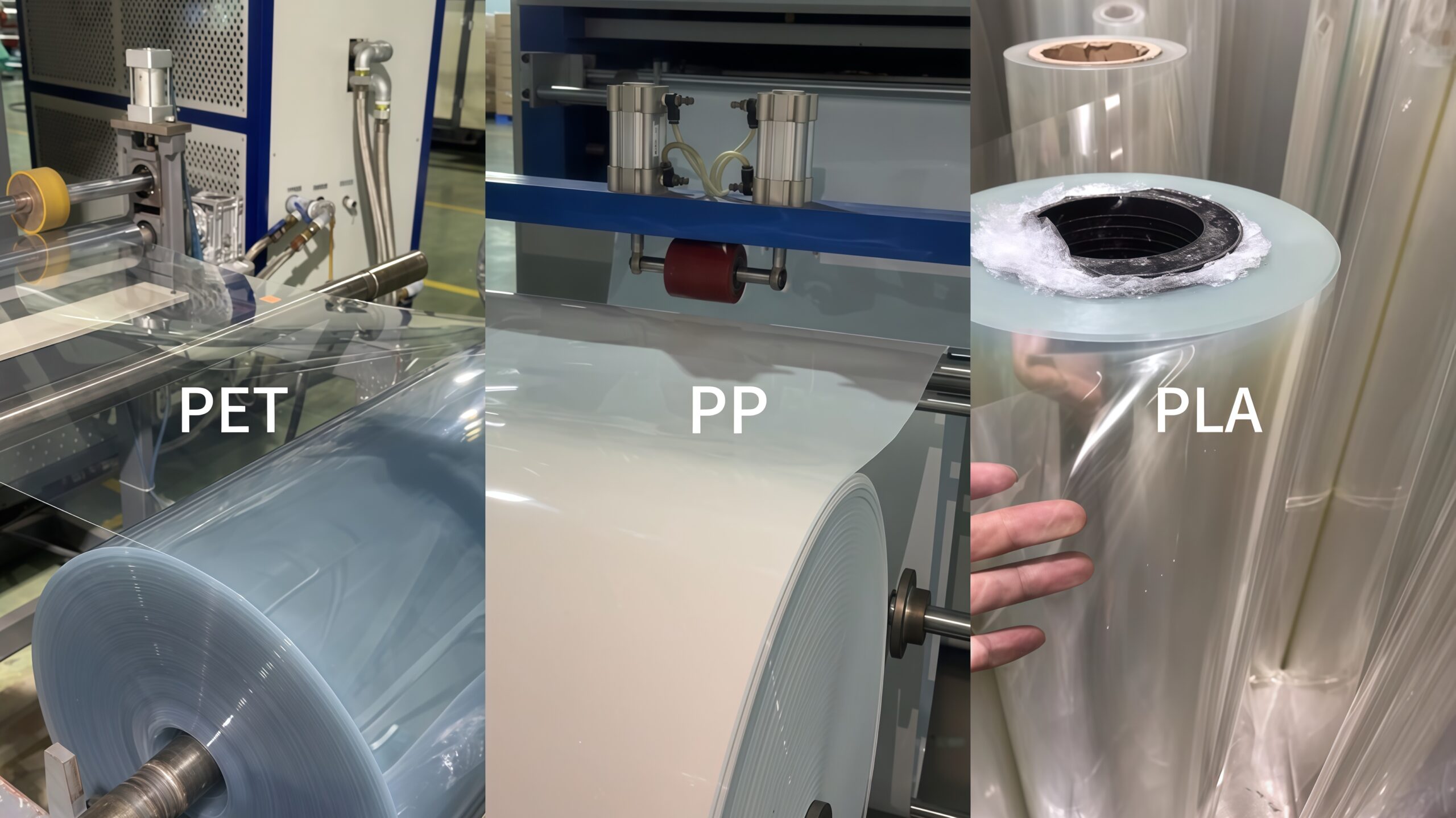
At the same time, recyclable polymers are seeing growth:
-
PET (Polyethylene Terephthalate) for clear food packaging
-
RPET (Recycled PET) to meet recycled content mandates
-
PP (Polypropylene) for microwave-safe containers
-
CPET (Crystallized PET) for high-temperature ready-meal trays
Manufacturers that can supply compliant, recyclable packaging are benefiting from this structural reallocation of demand.
DASHAN, for example, offers PET and RPET packaging solutions designed for food-contact safety and export compliance, helping distributors meet recycled content and recyclability expectations in Europe and North America.
The Rise of Sustainable and Alternative Materials
While recyclable plastics are expanding, plastic bans have also accelerated interest in compostable and fiber-based materials.
Bagasse (Molded Fiber) Products
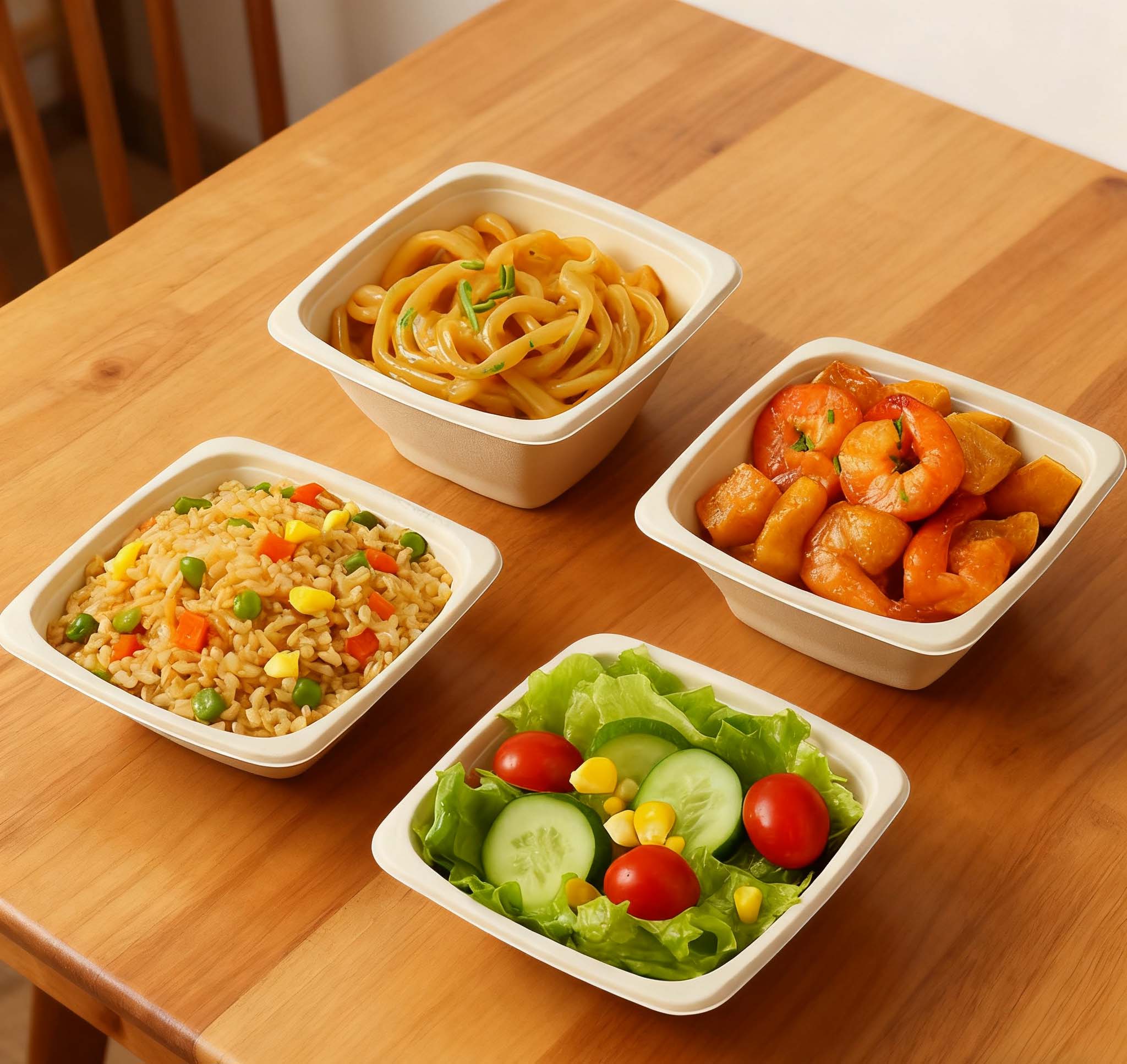
Bagasse, derived from sugarcane fiber, has become a widely accepted alternative to foam food containers. It offers:
-
Compostability under proper conditions
-
Strong structural performance
-
Suitability for hot and cold foods
Bagasse products are particularly popular in takeaway and food delivery sectors.
DASHAN’s molded fiber product range includes bagasse clamshell containers, bowls, and plates designed for foodservice operations seeking plastic-free presentation while maintaining durability.
PLA (Polylactic Acid) Products

PLA is a bio-based material derived from renewable resources and commonly used for:
-
Cold beverage cups
-
Transparent lids
-
Lightweight packaging components
Although PLA requires appropriate composting infrastructure for proper breakdown, it remains a preferred choice in regions with established industrial composting systems.
DASHAN supplies PLA-based packaging solutions suitable for beverage chains and catering businesses that aim to reduce fossil-based plastic usage.
Cornstarch Tableware

Cornstarch-based tableware serves as an alternative to conventional plastic cutlery in certain markets. It supports sustainability positioning while maintaining functional performance for disposable dining applications.
DASHAN provides cornstarch disposable tableware for foodservice and private-label buyers seeking eco-positioned product lines.
Comparative Market Shift
The transformation of global packaging markets can be summarized as follows:
| Material Type | Regulatory Pressure | Market Trend | Primary Applications |
|---|---|---|---|
| EPS Foam | Very High | Declining | Takeaway boxes |
| PP | Moderate | Stable | Microwave containers |
| PET | Supported | Growing | Clear retail packaging |
| RPET | Strongly Supported | Rapid Growth | Retail food packs |
| CPET | Growing | Expanding | Ready-meal trays |
| PLA | Policy-driven | Growing | Cold cups, lids |
| Bagasse | Supported | Rapid Growth | Food containers |
| Cornstarch | Growing | Expanding | Disposable tableware |
This table highlights that the future is not “plastic versus no plastic,” but rather a diversified material ecosystem aligned with compliance and recyclability.
Business Opportunities Created by Plastic Bans
Plastic bans are creating measurable growth opportunities.
Growth in Recycled Content Packaging
Retailers and food brands increasingly require packaging with recycled content. RPET solutions are expanding rapidly to meet these mandates.
Expansion of Molded Fiber Solutions
Bagasse and other molded fiber products are replacing foam in quick-service restaurants, catering, and institutional dining.
Rise of Ready-Meal Packaging
As ready meals and convenience foods grow globally, demand for high-performance materials such as CPET and PP containers continues to rise.
DASHAN’s ability to supply multiple materials — including PET, RPET, CPET, PP, PLA, bagasse, and cornstarch — allows buyers to adopt a diversified sourcing strategy rather than relying on a single material category.
Challenges in the Transition
Despite growth, the transition is not without challenges:
-
Cost fluctuations in recycled materials
-
Certification and documentation requirements
-
Uneven recycling and composting infrastructure
-
Consumer confusion around sustainability claims
Companies must carefully evaluate supplier reliability, regulatory compliance documentation, and production scalability.
Suppliers with broad material portfolios and export experience can reduce transition risk for distributors and private-label importers.
Strategic Implications for Buyers
For procurement teams and brand owners, plastic bans require proactive planning.
-
Adopt multi-material strategies to balance recyclability and performance.
-
Prioritize recycled content and mono-material structures.
-
Evaluate suppliers based on compliance capability and production stability.
-
Align packaging choices with regional regulatory requirements.
Working with manufacturers capable of supplying PET, RPET, CPET, PP, PLA, bagasse, and cornstarch products enables flexibility in responding to changing regulations.
Future Outlook: Beyond the Ban Era
Plastic bans represent the beginning of a broader sustainability transformation. The future of packaging will likely include:
-
Increased recycled content mandates
-
Greater transparency in material sourcing
-
Expansion of fiber-based alternatives
-
Continued demand for high-performance recyclable plastics
Rather than eliminating plastic entirely, global markets are transitioning toward smarter material selection and circular economy principles.
FAQ
1. Why are plastic bans impacting the packaging industry so significantly?
Plastic bans target problematic single-use materials with low recyclability, forcing manufacturers and brands to redesign packaging structures and switch to compliant alternatives.
2. Which materials are most affected by global plastic bans?
Expanded polystyrene (EPS) and certain low-grade mixed plastics are facing the highest regulatory pressure. Recyclable materials such as PET and RPET are experiencing growth instead.
3. Is plastic being completely eliminated from packaging markets?
No. Regulations are encouraging recyclable and recycled-content plastics rather than banning all plastics. Materials like PET, RPET, PP, and CPET remain widely used due to performance and recyclability.
4. How are sustainable alternatives gaining market share?
Bagasse molded fiber products are replacing foam containers, while PLA and cornstarch products are expanding in markets with composting infrastructure. Recycled plastics like RPET are growing due to recycled-content mandates.
5. What opportunities do plastic bans create for packaging buyers?
Plastic bans create opportunities to upgrade packaging strategies, meet ESG targets, improve brand positioning, and comply with evolving regulations.
6. Why is working with a multi-material supplier important?
Regulations differ by region and application. A supplier offering PET, RPET, CPET, PP, PLA, bagasse, and cornstarch solutions allows buyers to adjust quickly and reduce regulatory risk.
Conclusion
Plastic bans are reshaping global packaging markets by accelerating the decline of low-recyclability materials and encouraging growth in recyclable and sustainable alternatives.
PET, RPET, PP, CPET, PLA, bagasse, and cornstarch products now coexist in a diversified packaging landscape driven by compliance, recyclability, and ESG commitments.
The companies best positioned for success are those capable of offering flexible, compliant, and scalable solutions across multiple material categories. As regulatory pressure increases, strategic material selection — supported by reliable manufacturing partners — will define competitiveness in the evolving global packaging industry.
References
-
European Commission – Single-Use Plastics Directive
https://environment.ec.europa.eu/topics/plastics/single-use-plastics_en -
U.S. Environmental Protection Agency – Sustainable Materials Management
https://www.epa.gov/smm -
United Nations Environment Programme – Global Plastics Pollution Overview
https://www.unep.org/plastic-pollution -
OECD – Global Plastics Outlook
https://www.oecd.org/environment/plastics/ -
European Parliament – Packaging and Packaging Waste Regulation
https://www.europarl.europa.eu/news/en/headlines/society/20181212STO21610/plastic-waste-and-recycling-in-the-eu-facts-and-figures
Copyright Statement
© 2026 Dashan Packing. All rights reserved.
This article is an original work created by the Dashan Packing editorial team.
All text, data, and images are the result of our independent research, industry experience,
and product development insights. Reproduction or redistribution of any part of this content
without written permission is strictly prohibited.
Dashan Packing is committed to providing accurate, evidence-based information and
to upholding transparency, originality, and compliance with global intellectual property standards.