

Quick Summary
PET salad boxes are an effective and eco-friendly solution for keeping salads fresh for several days, with benefits such as durability, moisture resistance, and transparency. They are commonly used in conjunction with Modified Atmosphere Packaging (MAP) technology to extend the shelf-life of fresh produce. Factors like temperature control, sealing techniques, and storage conditions can all influence the freshness of salads in PET packaging.
Introduction
In today’s fast-paced world, where convenience and freshness are paramount, packaging plays a vital role in maintaining the quality of food products. Among the various packaging materials, Polyethylene Terephthalate (PET) has gained significant attention due to its unique properties that help preserve food for extended periods. Particularly, PET salad boxes have become a popular choice for restaurants, salad bars, and food delivery services.
PET is widely used for packaging food items due to its transparency, durability, and moisture resistance. It allows consumers to visually inspect the food while also ensuring the food stays fresh. In this article, we will explore how long PET salad boxes can keep food fresh, what factors contribute to this freshness, and how innovations like Modified Atmosphere Packaging (MAP) enhance the shelf life of fresh produce.
What Makes PET Salad Boxes Ideal for Freshness?
PET salad boxes offer several benefits that help keep food fresh. Let’s dive into the features that make PET an ideal material for packaging salads.
Properties of PET
-
Lightweight Yet Durable: PET is a strong yet lightweight material, making it ideal for packaging food without adding extra weight or bulk. This ensures that salads are securely packaged while maintaining convenience for handling and transportation.
-
Transparency: One of the most significant benefits of PET is its clarity. The transparency allows consumers to view the contents, making it visually appealing while also enabling food vendors to showcase the freshness of their products.
-
Non-toxic and Food-Safe: PET is BPA-free and does not leach harmful chemicals into the food. This ensures that the food remains safe for consumption.
-
Resistance to Moisture: PET’s moisture resistance is a key feature for keeping salads fresh. It helps prevent the wilting of leafy greens and keeps other ingredients like grains, pasta, or fruits crisp for longer periods.
Barrier Properties of PET
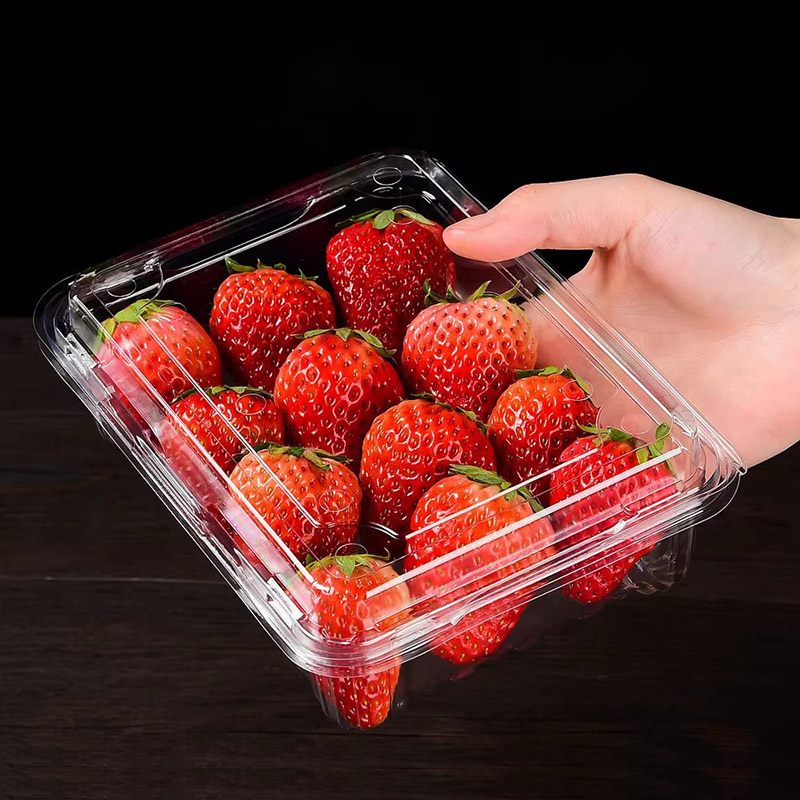
PET is an excellent barrier material, which helps protect food from oxygen, moisture, and contaminants. Oxygen exposure is one of the primary factors that contribute to food spoilage, as it accelerates the growth of bacteria and mold. The barrier properties of PET limit this exposure, significantly extending the shelf life of the food inside.
The Role of Modified Atmosphere Packaging (MAP) in Enhancing Freshness
Modified Atmosphere Packaging (MAP) is a widely adopted technology used to extend the shelf life of perishable food products. This method involves altering the gases inside the packaging by reducing the oxygen levels and replacing them with gases such as nitrogen or carbon dioxide.
How MAP Works in PET Salad Boxes
In the case of PET salad boxes, MAP works by slowing down the respiration rate of the produce inside. The reduced oxygen levels prevent the growth of aerobic bacteria and molds, while the increased carbon dioxide levels help maintain the freshness of leafy greens and other ingredients.
For example, when storing a green salad in a PET salad box with MAP, the reduced oxygen levels slow down the wilting process and help retain the crispness of the lettuce for several days.
Examples of Foods Preserved Using MAP
-
Leafy Green Salads: Lettuce, arugula, spinach, and other leafy greens remain crisp and fresh.
-
Fruit Salads: Fruit pieces stay hydrated and fresh, preventing browning or wilting.
-
Grain-Based Salads: Ingredients like quinoa, couscous, or rice are preserved effectively, keeping their texture intact.
MAP significantly enhances the performance of PET salad boxes, extending the shelf life from 2-3 days to up to 7 days or more, depending on the type of salad and storage conditions.
How Long Can PET Salad Boxes Keep Food Fresh?
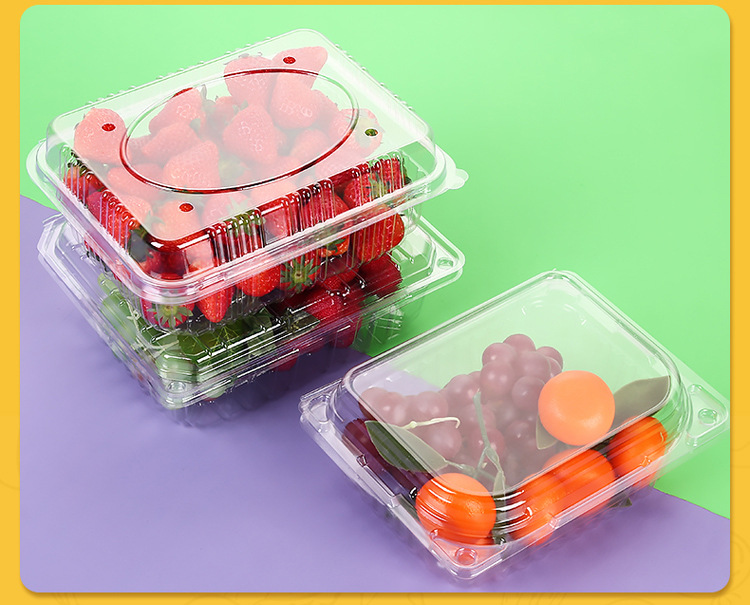
The freshness of food in PET salad boxes largely depends on the type of salad, storage conditions, and whether MAP is used. In general, salads can stay fresh for up to 7 days when stored properly.
Freshness Duration by Salad Type
| Salad Type | Shelf Life in PET Box (Days) | Storage Conditions | MAP Applied? |
|---|---|---|---|
| Leafy Green Salad | 4-7 | Refrigerated (1-4°C) | Yes |
| Fruit Salad | 5-6 | Refrigerated (1-4°C) | Yes |
| Pasta Salad | 6-8 | Refrigerated (1-4°C) | Yes |
| Grain Salad | 5-7 | Refrigerated (1-4°C) | Yes |
As shown in the table, leafy green salads generally last for 4-7 days in PET boxes when refrigerated. Fruit salads may last slightly shorter, around 5-6 days, as fruits are more sensitive to oxygen exposure and moisture loss. On the other hand, pasta salads and grain-based salads tend to stay fresh for 6-8 days, as their composition is less prone to rapid deterioration.
Factors Affecting Freshness in PET Salad Boxes
While PET and MAP are highly effective in preserving freshness, several factors can influence how long food stays fresh in these containers.
-
Temperature: Refrigeration plays a crucial role in extending the freshness of food. PET salad boxes should be kept at temperatures of 1-4°C to slow down the bacterial growth and maintain freshness.
-
Type of Salad: Some ingredients are more resilient to spoilage than others. For example, leafy greens tend to wilt more quickly than grains or pasta, which are less perishable.
-
Pre-Packaging Conditions: The freshness of pre-packaged salads can vary depending on how they were stored before packaging. Freshly packed salads will generally last longer.
-
Moisture Control: Excess moisture inside the container can lead to wilting and decay. This is why PET salad boxes with moisture control features, such as ventilation holes or absorbent pads, are more effective in maintaining food freshness.
The Role of Sealing and Airtightness
Proper sealing is another critical factor. PET salad boxes with airtight seals ensure that the internal environment remains controlled, preventing oxygen and moisture from affecting the food. Seals can also prevent any external contaminants from entering the packaging, further prolonging the shelf life.
Best Practices for Using PET Salad Boxes
To maximize the freshness and longevity of salads stored in PET salad boxes, several best practices should be followed:
-
Keep the Salad Dry: Before packing the salad, ensure that the ingredients are dry to prevent moisture buildup inside the packaging.
-
Use MAP for Extended Freshness: If you’re packaging for longer periods, consider incorporating MAP to extend the shelf life of the salad.
-
Seal Properly: Use airtight sealing methods to prevent contamination and moisture exposure.
-
Maintain Optimal Storage Conditions: Store the salad boxes in refrigerated environments at temperatures of 1-4°C to maintain freshness.
Case Studies and Real-World Applications
Several businesses, including salad bars, supermarkets, and food delivery services, have successfully adopted PET salad boxes to enhance food preservation.
For example, a salad bar in a major city implemented PET salad boxes with MAP technology and reported an increase in shelf life from 2-3 days to 7 days for leafy green salads. Additionally, food delivery services use PET packaging to extend the freshness of their salad offerings, ensuring customers receive fresh and crisp products even after extended delivery times.
Conclusion
In conclusion, PET salad boxes are an excellent packaging solution for keeping food fresh for several days, with MAP technology playing a significant role in preserving the quality of the salad. By providing a barrier against oxygen and moisture, PET packaging helps extend the freshness of both leafy greens and other salad ingredients. With the right storage conditions and sealing techniques, salads can stay fresh for up to 7 days or more in PET boxes.
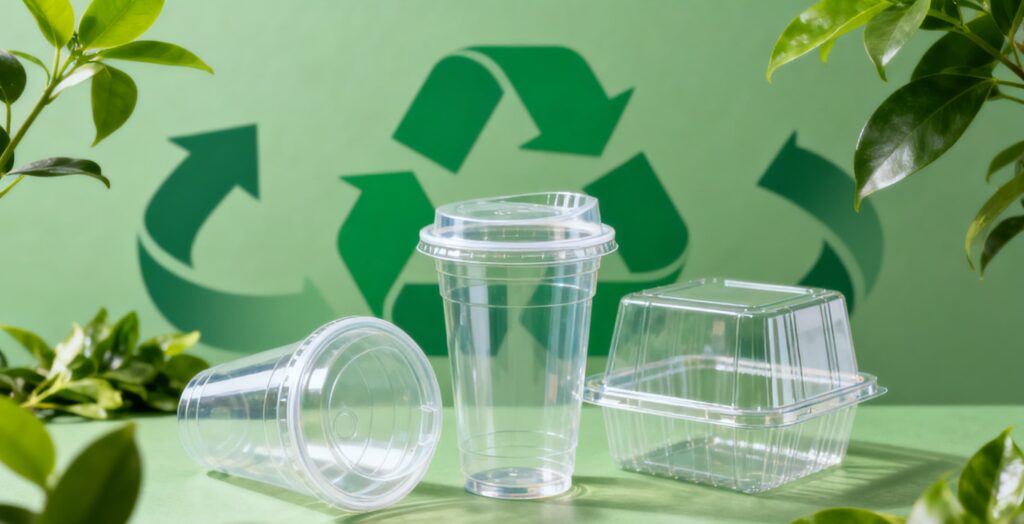
While PET is not biodegradable, it is recyclable, making it an environmentally friendly option when properly disposed of. As consumers continue to seek convenience and sustainability, PET salad boxes will remain a vital part of the food packaging industry.
FAQ
Q1: How long can PET salad boxes keep food fresh?
A1: PET salad boxes can keep food fresh for up to 7 days when stored properly in refrigerated conditions (1-4°C) and when combined with Modified Atmosphere Packaging (MAP).
Q2: Can PET salad boxes be reused?
A2: Yes, PET salad boxes can be reused, but they should be cleaned thoroughly before reuse to ensure food safety.
Q3: Are PET salad boxes biodegradable?
A3: No, PET is not biodegradable, but it is fully recyclable. It can be repurposed for other products, reducing its environmental impact.
Q4: How does MAP improve the freshness of food in PET boxes?
A4: MAP works by reducing the oxygen levels inside the packaging and replacing it with gases like nitrogen or carbon dioxide, which slows down the food’s respiration and microbial growth, keeping it fresher for longer.
Q5: Can PET salad boxes be used for hot foods?
A5: PET is best for cold food items. For hot foods, materials like CPET should be used instead, as PET may warp or degrade under high temperatures.
Q6: What factors affect the freshness of salads in PET boxes?
A6: Key factors include temperature, type of salad, moisture control, and the use of MAP technology.
Q7: Are PET salad boxes environmentally friendly?
A7: While PET is not biodegradable, it is recyclable, making it a sustainable option when properly disposed of.
References
-
Science Direct. “PET Packaging for Fresh Produce: Advantages and Applications.” https://www.sciencedirect.com/science/article/pii/S2212429217300445
-
Food Packaging Forum. “Modified Atmosphere Packaging for Fresh Foods.” https://www.foodpackagingforum.org
-
Packaging Technology and Science, “The Role of Packaging in Food Preservation.” https://www.packagingtech.com
Copyright Statement
© 2026 Dashan Packing. All rights reserved.
This article is an original work created by the Dashan Packing editorial team.
All text, data, and images are the result of our independent research, industry experience,
and product development insights. Reproduction or redistribution of any part of this content
without written permission is strictly prohibited.
Dashan Packing is committed to providing accurate, evidence-based information and
to upholding transparency, originality, and compliance with global intellectual property standards.