

Quick Summary
Corn-based bioplastics, such as PLA and CPLA, are renewable materials derived from corn starch and increasingly used in disposable food packaging and cutlery. Compared to traditional petroleum-based plastics like PP and PS, corn-based materials offer reduced fossil resource dependence and industrial compostability advantages.
However, performance differences remain in heat resistance, durability, and end-of-life infrastructure requirements. While traditional plastics still dominate in cost-sensitive and high-temperature applications, corn-based bioplastics are gaining traction in regulated markets and among brands with ESG commitments.
Manufacturers such as DASHAN provide compostable CPLA and cornstarch cutlery solutions designed to meet food-contact safety standards and export compliance requirements, offering buyers a scalable alternative to conventional plastic disposables.
I. Introduction: Why This Comparison Matters
Plastic has become indispensable in modern society, especially in food packaging and disposable tableware. However, traditional petroleum-based plastics have also become a major environmental concern due to their persistence in landfills and oceans, carbon-intensive production, and microplastic pollution.
As governments tighten regulations and brands strengthen ESG commitments, corn-based bioplastics have emerged as a promising alternative. Materials derived from renewable corn starch—such as PLA and CPLA—are increasingly used in cutlery, cups, and food packaging.
But are corn-based bioplastics truly better than traditional plastics? The answer depends on environmental impact, performance, cost, and application scenarios. This article provides a structured comparison to help buyers, distributors, and foodservice operators make informed decisions.
II. What Are Traditional Plastics?
2.1 Raw Materials and Production
Traditional plastics are primarily derived from fossil fuels such as crude oil and natural gas. Common foodservice plastics include:
-
PP (Polypropylene) – used for microwave containers and cutlery
-
PS (Polystyrene) – often used in foam takeout boxes
-
PET (Polyethylene Terephthalate) – widely used in beverage bottles
These materials are produced through polymerization of petrochemical monomers, requiring significant energy input.
2.2 Key Advantages
Traditional plastics offer:
-
High mechanical strength
-
Excellent moisture and grease resistance
-
Broad temperature tolerance (especially PP)
-
Low cost due to mature global supply chains
2.3 Environmental Concerns
However, traditional plastics present serious sustainability challenges:
-
Derived from non-renewable fossil resources
-
High carbon footprint during production
-
Extremely slow degradation in natural environments
-
Contribution to microplastic pollution
III. What Are Corn-Based Bioplastics?
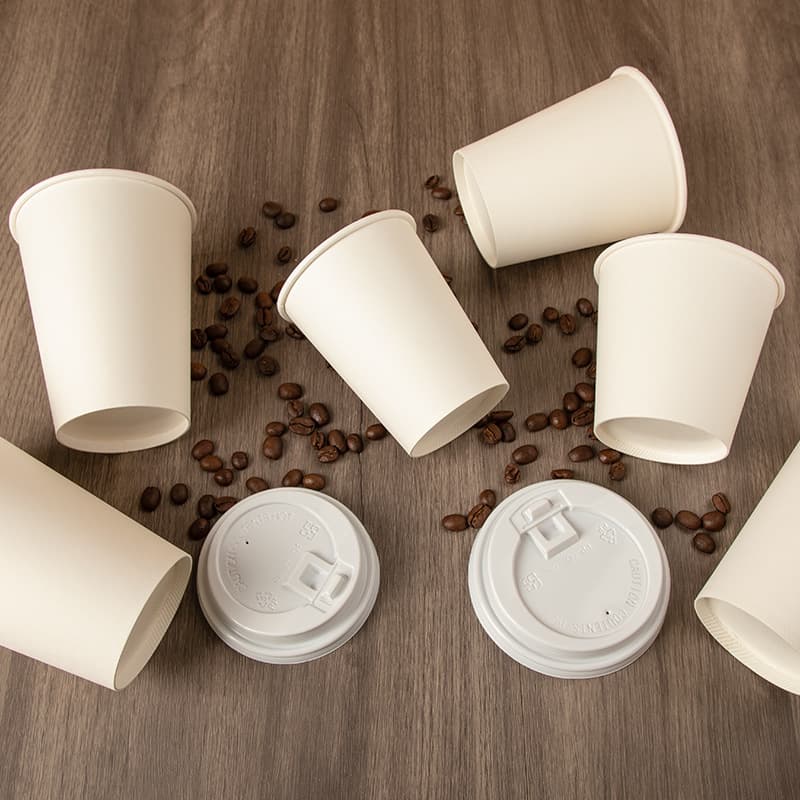
3.1 How Corn-Based Materials Are Produced
Corn-based bioplastics begin with corn starch extraction. The starch is fermented into lactic acid, which is then polymerized into PLA (Polylactic Acid). Through crystallization processes, PLA can be enhanced into CPLA for higher heat resistance.
Other products may use cornstarch blends combined with biodegradable polymers to improve durability and performance.
3.2 Main Types of Corn-Based Materials
| Material | Source | Heat Resistance | Typical Applications |
|---|---|---|---|
| PLA | Corn starch | Up to ~50°C | Cold cups, lids, packaging films |
| CPLA | Crystallized PLA | Up to ~90–100°C | Cutlery, hot food utensils |
| Cornstarch Blends | Corn + biodegradable polymers | Moderate | Disposable tableware |
3.3 Applications in Foodservice
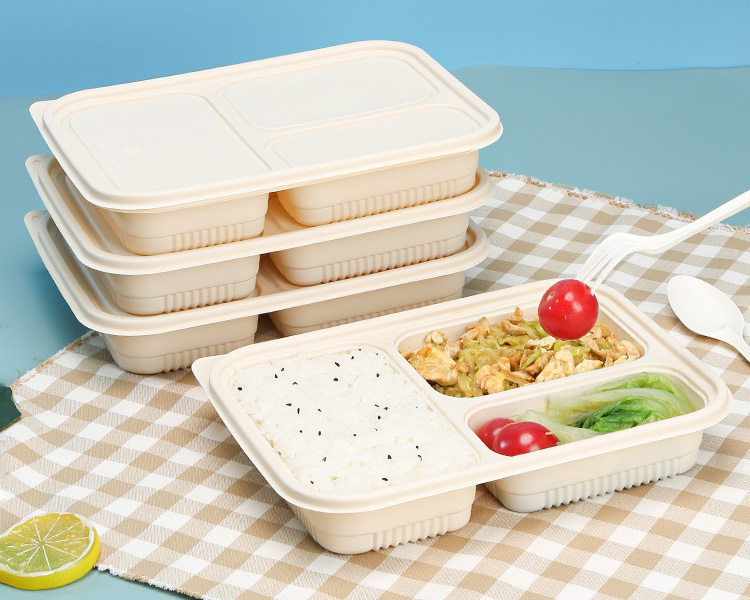
Corn-based bioplastics are widely used for:
-
Disposable cutlery
-
Coffee cup lids
-
Cold beverage cups
-
Takeaway packaging components
For example, DASHAN’s cornstarch cutlery line is designed for foodservice and export markets. Their CPLA-based knives, forks, and spoons are:
-
Industrially compostable
-
PFAS-free
-
Suitable for hot food applications
-
Manufactured under food-contact safety standards
DASHAN focuses on consistent material formulation and production quality to ensure strength and performance comparable to traditional plastic cutlery.
IV. Environmental Impact Comparison
4.1 Renewable vs Fossil Resources
| Factor | Corn-Based Bioplastics | Traditional Plastics |
|---|---|---|
| Raw Material | Renewable (corn) | Fossil fuels |
| Resource Depletion | Lower long-term | High |
| Agricultural Impact | Requires farmland | No farmland use |
Corn-based materials rely on renewable agricultural inputs, but land use and crop production remain part of the environmental equation.
4.2 Carbon Footprint
Generally, corn-based bioplastics have a lower lifecycle carbon footprint than fossil plastics, especially when composted properly. However, benefits depend on:
-
Farming practices
-
Energy sources used in manufacturing
-
End-of-life treatment
4.3 End-of-Life Comparison
| Scenario | Corn-Based Bioplastics | Traditional Plastics |
|---|---|---|
| Landfill | Limited degradation | Persistent for centuries |
| Industrial Composting | Breaks down within months | Not compostable |
| Recycling | Limited compatibility | Widely recyclable (if sorted) |
| Natural Environment | Degrades faster (not instantly) | Long-term pollution risk |
It is important to note that most PLA/CPLA products require industrial composting facilities to break down effectively.
V. Performance Comparison
5.1 Heat Resistance
-
PLA: Suitable for cold applications
-
CPLA: Suitable for hot food up to ~90–100°C
-
PP Plastic: Can exceed 100°C
DASHAN’s CPLA cutlery is specifically engineered to handle hot meals without deformation, making it a practical alternative to PP in many foodservice contexts.
5.2 Mechanical Strength
Traditional plastics still offer slightly superior impact resistance. However, improved material blending and crystallization have significantly enhanced the strength of corn-based products.
DASHAN’s cornstarch cutlery is formulated to maintain rigidity during use, reducing the common “flexing” issue associated with early-generation bioplastics.
5.3 Moisture and Grease Resistance
Both materials perform well under typical foodservice conditions. Corn-based products do not absorb moisture like molded fiber products and provide solid grease resistance without requiring PFAS coatings.
VI. Cost and Supply Chain Considerations
6.1 Cost Comparison
Traditional plastics remain cheaper in many markets due to established infrastructure. However, price gaps are narrowing as:
-
Oil prices fluctuate
-
Plastic taxes are introduced
-
Bioplastic production scales up
6.2 Supply Chain Stability
Corn-based bioplastics depend on agricultural supply chains. However, leading manufacturers such as DASHAN ensure:
-
Stable raw material sourcing
-
Scalable OEM production capacity
-
Compliance with export standards
This makes them suitable for distributors and private-label buyers in Europe and North America.
VII. Regulatory and Certification Landscape
Corn-based products marketed as compostable must meet recognized standards such as:
-
ASTM D6400 (U.S.)
-
EN 13432 (EU)
In addition, food-contact compliance must be verified under regional regulations.
DASHAN’s cornstarch and CPLA products are manufactured with regulatory compliance in mind, offering documentation and certification support for international buyers.
VIII. Limitations of Corn-Based Bioplastics
Despite advantages, corn-based materials have limitations:
-
Require industrial composting infrastructure
-
Limited recycling compatibility
-
Agricultural land-use concerns
-
Heat tolerance lower than high-grade PP
Understanding these constraints is essential for appropriate product selection.
IX. When to Choose Corn-Based Bioplastics
Corn-based bioplastics are ideal when:
-
ESG and sustainability goals are priorities
-
Operating in markets with plastic restrictions
-
Replacing disposable cutlery and light packaging
-
Industrial composting systems are available
DASHAN’s compostable cutlery range is particularly suitable for:
-
Quick-service restaurants
-
Catering operations
-
Eco-conscious brands
-
Private-label distributors
X. When Traditional Plastics Still Make Sense
Traditional plastics may still be preferable for:
-
High-temperature industrial uses
-
Long-term storage applications
-
Regions lacking composting infrastructure
-
Cost-sensitive mass production
XI. The Future Outlook
Corn-based bioplastics are expected to grow as:
-
Regulations limit fossil-based plastics
-
Carbon reporting becomes mandatory
-
Consumers demand sustainable alternatives
-
Biopolymer technology improves
Manufacturers like DASHAN continue investing in material optimization and production efficiency to narrow the performance gap while maintaining compostability.
FAQ
1. What are corn-based bioplastics?
Corn-based bioplastics are materials derived from corn starch that are processed into polymers such as PLA (Polylactic Acid) and CPLA (Crystallized PLA). They are commonly used in disposable cutlery, cups, and food packaging.
2. Are corn-based bioplastics compostable?
Most PLA and CPLA products are industrially compostable and may comply with standards such as ASTM D6400 or EN 13432. They typically require controlled composting facilities to break down efficiently.
3. How do corn-based bioplastics compare to traditional plastics in performance?
Traditional plastics generally offer higher heat resistance and impact strength. However, CPLA products can withstand temperatures up to approximately 90–100°C, making them suitable for hot food applications.
4. Are corn-based products safe for food contact?
Yes, when produced under regulated manufacturing conditions. Products must comply with food-contact regulations in their target markets and pass required migration testing.
5. Are corn-based bioplastics recyclable?
In most regions, PLA and CPLA are not compatible with conventional plastic recycling streams. They are primarily designed for composting rather than mechanical recycling.
6. Why choose DASHAN cornstarch or CPLA products?
DASHAN offers industrially compostable, PFAS-free cornstarch and CPLA cutlery designed for foodservice and export markets. Their products focus on durability, regulatory compliance, and stable supply capacity, making them suitable for distributors, private-label buyers, and sustainability-driven brands.
Conclusion
Corn-based bioplastics and traditional plastics each have strengths and limitations. Traditional plastics offer unmatched cost efficiency and durability, while corn-based materials provide renewable sourcing and compostability advantages.
There is no universal solution—only context-driven decisions.
For businesses aiming to align sustainability with performance, corn-based bioplastics—particularly high-quality CPLA cutlery and tableware such as those offered by DASHAN—represent a practical and scalable transition away from fossil-based disposables.
The future of food packaging will not depend on a single material but on strategic material selection guided by regulation, infrastructure, and long-term environmental goals.
References
-
ASTM International – Standard Specification for Compostable Plastics (ASTM D6400)
https://www.astm.org/d6400-21.html -
European Committee for Standardization – EN 13432 (Packaging Recoverable Through Composting and Biodegradation)
https://standards.cen.eu/dyn/www/f?p=204:110:0::::FSP_PROJECT:119189 -
U.S. Environmental Protection Agency – Sustainable Materials Management (SMM) Basics
https://www.epa.gov/smm/sustainable-materials-management-basics -
European Commission – Circular Economy Action Plan (Plastics & Packaging)
https://environment.ec.europa.eu/topics/circular-economy/packaging-and-packaging-waste_en -
European Bioplastics – Bio-Based, Compostable & Biodegradable Definitions
https://www.european-bioplastics.org/bioplastics/ -
National Center for Biotechnology Information — PLA (Polylactic Acid) Bioplastics Overview
https://www.ncbi.nlm.nih.gov/pmc/articles/PMC8143787/
Copyright Statement
© 2026 Dashan Packing. All rights reserved.
This article is an original work created by the Dashan Packing editorial team.
All text, data, and images are the result of our independent research, industry experience,
and product development insights. Reproduction or redistribution of any part of this content
without written permission is strictly prohibited.
Dashan Packing is committed to providing accurate, evidence-based information and
to upholding transparency, originality, and compliance with global intellectual property standards.