

Quick Summary
Choosing between PLA and PP for food packaging in France is not simply a matter of sustainability versus plastic. It is a decision shaped by regulatory compliance, infrastructure readiness, and real-world performance.
PLA offers strong advantages in renewable sourcing and compostability, making it suitable for cold food and eco-focused applications. However, its effectiveness depends heavily on industrial composting systems and correct usage scenarios.
PP, on the other hand, remains highly relevant in France due to its recyclability, heat resistance, and compatibility with existing waste systems, making it a reliable choice for hot food, takeaway, and delivery.
For businesses, the optimal solution is often not choosing one material, but selecting the right material based on application. Suppliers like DASHAN support this approach by offering customized PP, PLA, and bagasse packaging solutions aligned with both performance and regulatory requirements.
Introduction
As France accelerates its transition toward a circular economy, food packaging buyers are facing increasing pressure to choose materials that align with evolving regulations. Among the most widely discussed options are PLA (polylactic acid) and PP (polypropylene).
PLA is often positioned as a sustainable, compostable alternative to traditional plastics, while PP remains one of the most widely used materials due to its performance and recyclability.
However, the key question for businesses operating in France is not simply:
“Which material is more eco-friendly?”
But rather:
“Which material actually meets French regulations while still performing in real-world conditions?”
This article provides a detailed comparison of PLA and PP within the context of French packaging laws, infrastructure, and foodservice applications.
Understanding France’s Regulatory Framework
France’s packaging regulations are shaped by its Anti-Waste Law for a Circular Economy (AGEC), which emphasizes:
- Reduction of single-use plastics
- Increased recyclability
- Development of reuse systems
- Transition toward sustainable materials
Key Regulatory Pressures
| Requirement | Impact on Materials |
|---|---|
| Reduction of single-use plastic | Pressure on PP |
| Recyclability targets | Advantage for PP |
| Compostability recognition | Advantage for PLA |
| Infrastructure compatibility | Critical factor |
👉 Important insight:
French regulations do not simply favor one material—they favor systems that work within the circular economy.
Material Overview: PLA vs PP
PLA (Polylactic Acid)
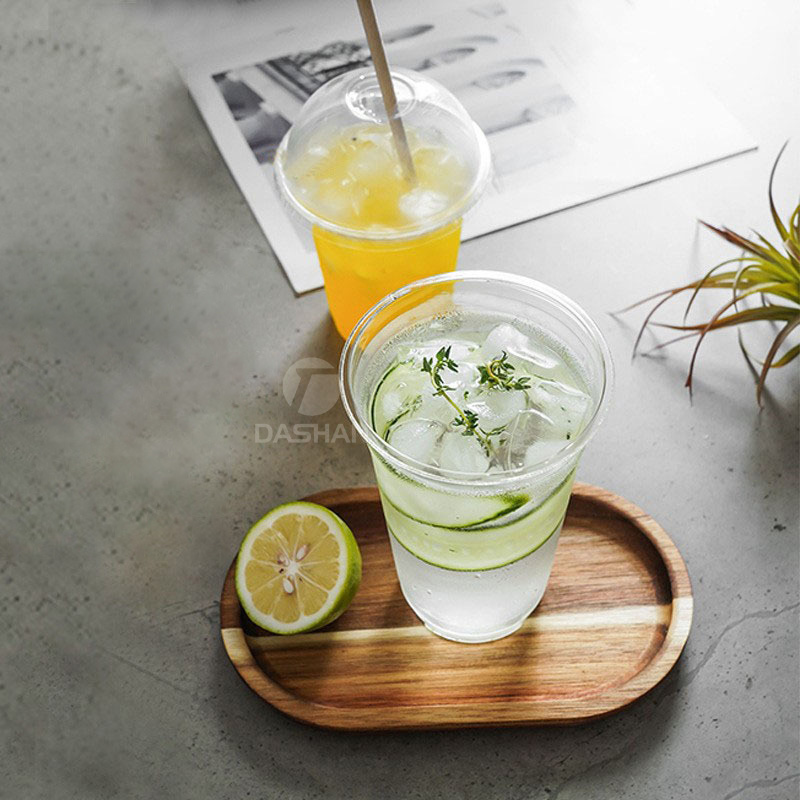
PLA is a bio-based polymer derived from renewable resources such as corn starch or sugarcane.
Key Characteristics:
- Industrially compostable
- Lower carbon footprint (in production phase)
- Suitable for cold food and beverage applications
- High transparency and good appearance
Limitations:
- Lower heat resistance (unless modified as CPLA)
- Dependent on composting infrastructure
- Limited compatibility with existing recycling streams
PP (Polypropylene)
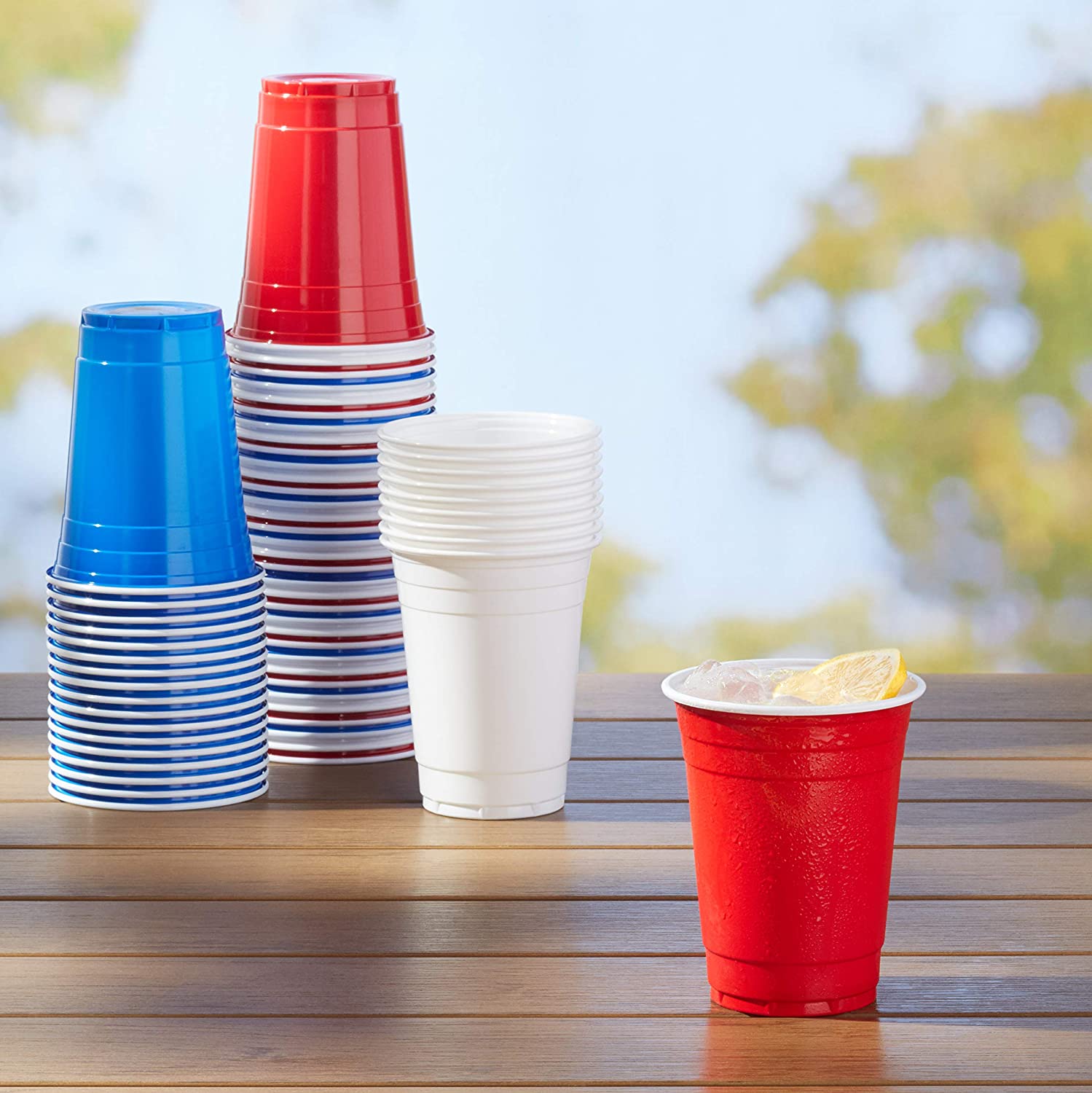
PP is a fossil-based plastic widely used in food packaging due to its balanced performance and recyclability.
Key Characteristics:
- High heat resistance (up to ~120°C)
- Excellent oil and liquid resistance
- Microwave safe
- Compatible with established recycling systems
Limitations:
- Derived from non-renewable resources
- Subject to regulatory pressure on plastics
Regulatory Alignment: Which Material Fits Better?
1. Recyclability vs Compostability
France’s policy framework increasingly emphasizes recyclability over theoretical compostability.
PP:
- Widely recyclable
- Supported by existing collection and sorting systems
- Fits into current circular economy infrastructure
PLA:
- Compostable under industrial conditions
- Limited collection and processing infrastructure
- Risk of ending up in general waste
👉 Key conclusion:
PP aligns better with current infrastructure, while PLA aligns with long-term sustainability goals.
2. Real-World Compliance vs Theoretical Compliance
A critical distinction in France is between:
- Material compliance (on paper)
- System compliance (in practice)
PLA may be compliant as a compostable material, but:
- If not properly collected → environmental benefit is lost
PP, although plastic, may achieve:
- Higher actual recycling rates
- Better integration into waste systems
👉 Insight:
Regulators increasingly focus on real environmental outcomes, not just material classification.
3. Performance Under Regulation
Regulations indirectly enforce performance standards through:
- Food safety requirements
- Waste reduction goals
- Consumer usability expectations
Performance Comparison
| Criteria | PLA | PP |
|---|---|---|
| Heat resistance | Low–Medium | High |
| Leak resistance | Moderate | Excellent |
| Durability | Medium | High |
| Delivery performance | Limited | Strong |
👉 Conclusion:
PP is currently more reliable in high-demand foodservice environments.
Application-Based Suitability in France
Where PLA Works Best
PLA is highly effective when used in the right scenarios:
- Cold beverages (e.g., iced drinks)
- Fresh food packaging (salads, desserts)
- Short lifecycle applications
- Environments with composting systems
Where PP Performs Better
PP remains the preferred choice for:
- Hot takeaway meals
- High-oil or sauce-heavy foods
- Microwave-ready packaging
- Delivery-focused operations
Cost and Supply Chain Considerations
Cost Comparison
| Factor | PLA | PP |
|---|---|---|
| Material cost | Higher | Lower |
| Processing cost | Medium | Low |
| Supply stability | Variable | Stable |
Supply Chain Reality
- PP benefits from mature global supply chains
- PLA production is growing but still limited in scale
👉 Result:
PP offers greater consistency for large-volume buyers.
Environmental Trade-Offs
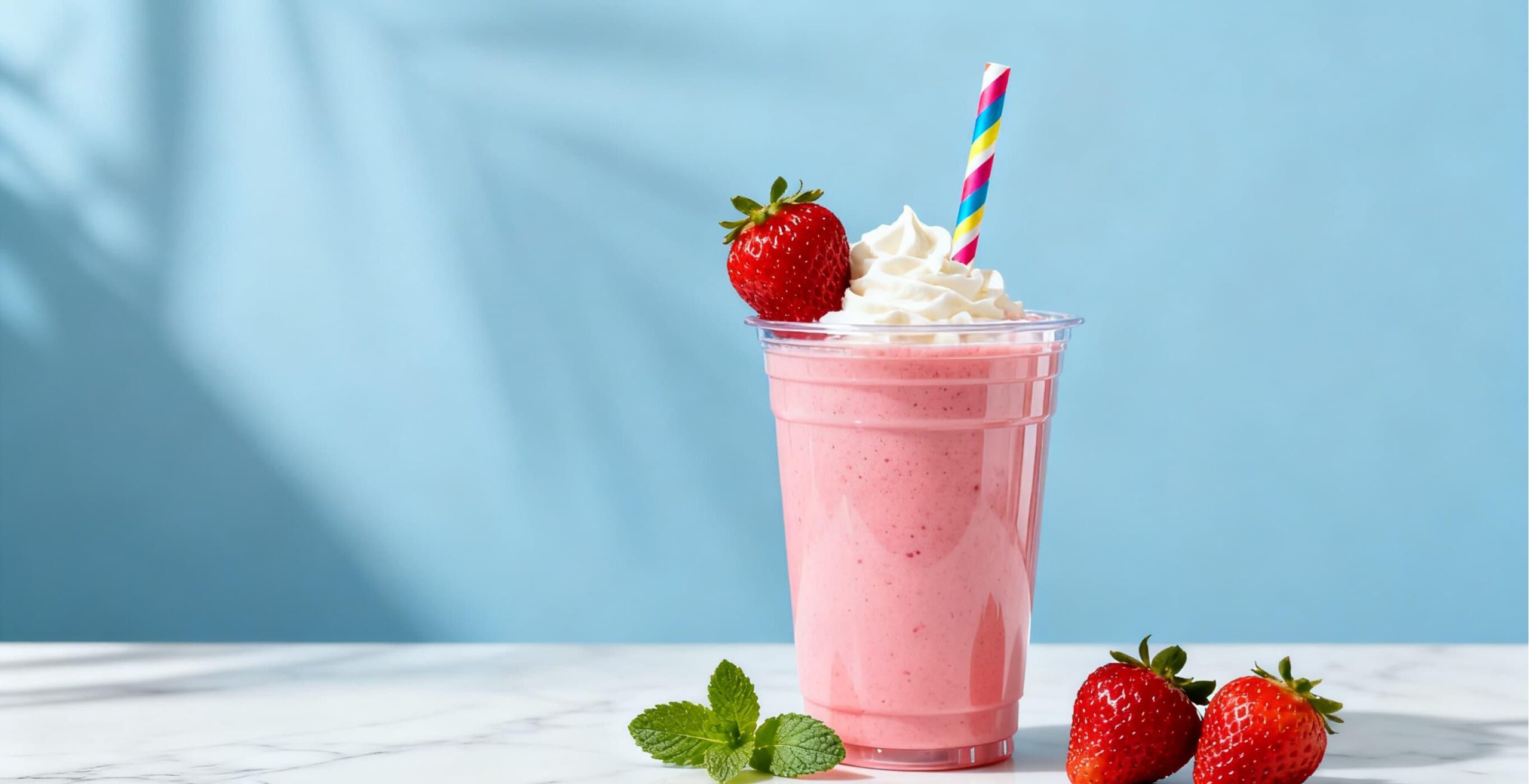
PLA Advantages:
- Renewable resource base
- Lower fossil dependency
- Compostable under correct conditions
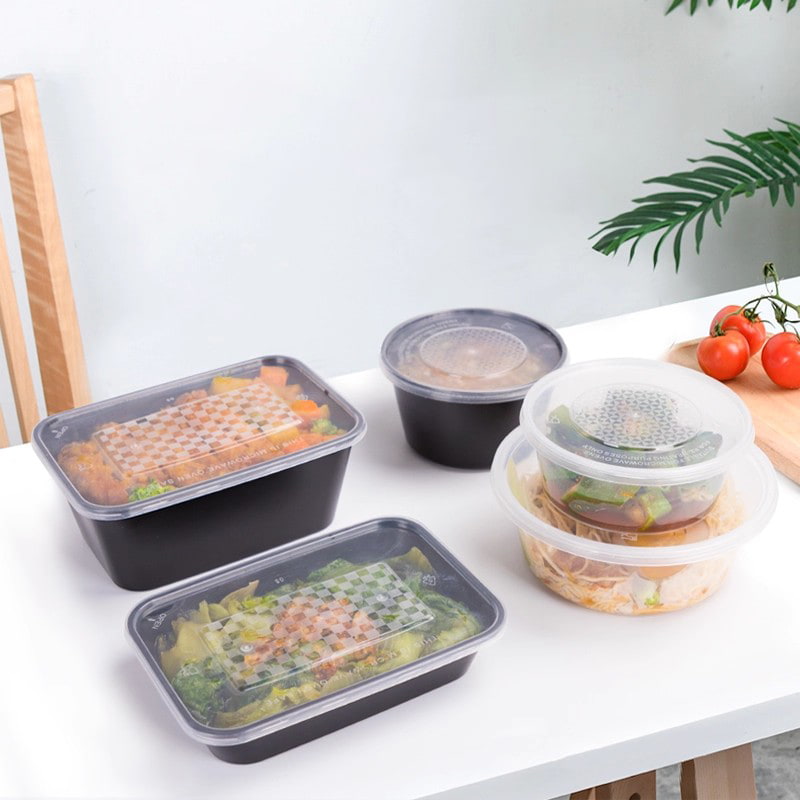
PP Advantages:
- Recyclable within existing systems
- Lower failure rate (reduces waste)
- Longer functional lifespan
👉 Critical insight:
A material’s environmental impact depends on how it is used—not just what it is made from.
How DASHAN Helps You Choose Between PLA and PP
For many buyers entering the French market, the challenge is not choosing the “most sustainable” material—but choosing a material that actually works in real applications while remaining compliant.
Common Challenges Buyers Face:
- PLA containers deforming under heat
- Bagasse products leaking with oily food
- PP solutions not meeting sustainability expectations
- Uncertainty about French compliance requirements
DASHAN’s Solution-Oriented Approach
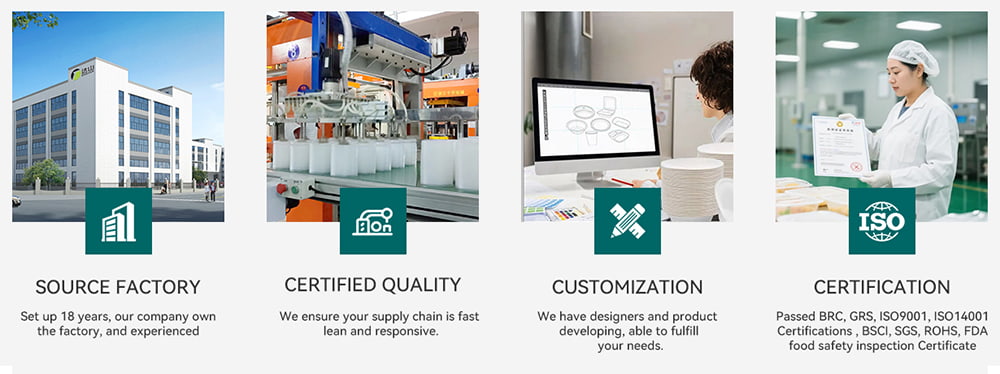
At DASHAN, we approach packaging from an engineering and application perspective, not just a material perspective.
We support European clients by offering:
- PP packaging solutions for hot, oily, and delivery-based food applications
- PLA packaging solutions for cold food, beverage, and eco-focused use cases
- Bagasse packaging options for brands prioritizing plastic-free positioning
What Makes DASHAN Different
Instead of offering standard products, DASHAN focuses on:
- Structural design to improve leak resistance
- Material optimization for performance and cost balance
- Custom mold development for specific food applications
Real Value for Buyers
This approach helps clients:
- Reduce packaging failure rates
- Improve customer experience in takeaway and delivery
- Balance sustainability goals with operational performance
- Adapt more easily to evolving French regulations
If you are evaluating PLA, PP, or bagasse for the French market, the key is not choosing one material—but choosing the right combination. DASHAN helps you make that decision based on real-world use, not assumptions.
Future Outlook in France
Expected Developments:
1. Improved Composting Infrastructure
PLA adoption may increase as systems improve
2. Enhanced Recycling Systems
PP will remain relevant due to infrastructure support
3. Hybrid Solutions
Combining materials to balance performance and sustainability
4. Stricter Regulations
Greater emphasis on measurable environmental outcomes
FAQ
1. Which is better in France, PLA or PP packaging?
Neither material is universally better. PLA is more suitable for sustainability-focused applications, while PP performs better in high-heat and delivery scenarios.
2. Is PLA packaging compliant with French regulations?
Yes, PLA is compliant as a compostable material, but its effectiveness depends on proper industrial composting infrastructure and waste sorting systems.
3. Is PP packaging still allowed in France?
Yes, PP packaging is still widely used in France because it is recyclable and compatible with existing waste management systems, despite increasing regulatory pressure.
4. Why do many businesses still choose PP over PLA in France?
Businesses often choose PP because it offers better heat resistance, durability, and consistent performance in real-world takeaway and delivery conditions.
5. When should I use PLA packaging instead of PP?
PLA is ideal for:
- Cold food and beverages
- Short lifecycle packaging
- Brands focusing on sustainability positioning
6. What are the main limitations of PLA packaging?
PLA may have:
- Lower heat resistance
- Dependence on composting systems
- Limited performance in hot or oily food applications
7. Can PLA fully replace PP in France?
Currently, no. PLA cannot fully replace PP due to performance limitations and infrastructure constraints, especially in high-demand foodservice environments.
8. How can I choose between PLA and PP for my business?
You should evaluate:
- Food type (hot vs cold)
- Delivery conditions
- Regulatory requirements
- Cost and supply stability
Working with experienced suppliers like DASHAN helps ensure the right material is selected for each application.
Conclusion
The comparison between PLA and PP in France is not a simple matter of sustainability versus performance.
Instead, it reflects a broader industry reality:
There is no universally “better” material—only materials that perform better in specific systems.
- PLA aligns with long-term environmental goals but depends on infrastructure
- PP aligns with current systems and performance needs
For businesses, the key is to:
- Understand regulatory direction
- Evaluate real-world conditions
- Choose materials based on application, not trends
In this context, working with experienced manufacturers like DASHAN ensures that packaging solutions are not only compliant—but also practical, scalable, and reliable.
Looking for packaging solutions that balance compliance, performance, and cost in the French market? Contact DASHAN to explore customized PP, PLA, and bagasse packaging options tailored to your application.
References
Authoritative Sources
- French Government – Anti-Waste Law (AGEC)
https://www.ecologie.gouv.fr/loi-anti-gaspillage-economie-circulaire - French Ministry of Ecological Transition – Plastic Policy
https://www.ecologie.gouv.fr/lutte-contre-pollution-plastique - European Commission – Food Contact Materials
https://food.ec.europa.eu/safety/chemical-safety/food-contact-materials_en - European Commission – Plastics Strategy
https://environment.ec.europa.eu/topics/plastics_en - Citeo (France Recycling System)
https://www.citeo.com - OECD – Global Plastics Outlook
https://www.oecd.org/environment/plastics/
Copyright Statement
© 2026 Dashan Packing. All rights reserved.
This article is an original work created by the Dashan Packing editorial team.
All text, data, and images are the result of our independent research, industry experience, and product development insights. Reproduction or redistribution of any part of this content without written permission is strictly prohibited.
Dashan Packing is committed to providing accurate, evidence-based information and to upholding transparency, originality, and compliance with global intellectual property standards.