

Quick Summary:
PP bowls have emerged as one of the most versatile and reliable materials for food packaging, offering superior heat resistance, durability, and recyclability compared to Polystyrene (PS) and Polylactic Acid (PLA). This article explores the differences between these materials, their applications, environmental impacts, and global trends in food packaging, providing data-backed insights for manufacturers, retailers, and environmentally conscious consumers.
Introduction
In the modern food packaging industry, choosing the right material is crucial for product safety, customer satisfaction, and environmental responsibility. Single-use food containers are widely used across restaurants, food delivery, fast food chains, and grocery stores. Among the most popular materials are Polypropylene (PP), Polystyrene (PS), and Polylactic Acid (PLA). Each material presents unique advantages and limitations, but in recent years, PP bowls have gained attention for their superior heat resistance, durability, and recyclability.
This article provides an in-depth comparison of PP with PS and PLA, focusing on technical properties, sustainability, practical applications, market trends, and real-world performance.
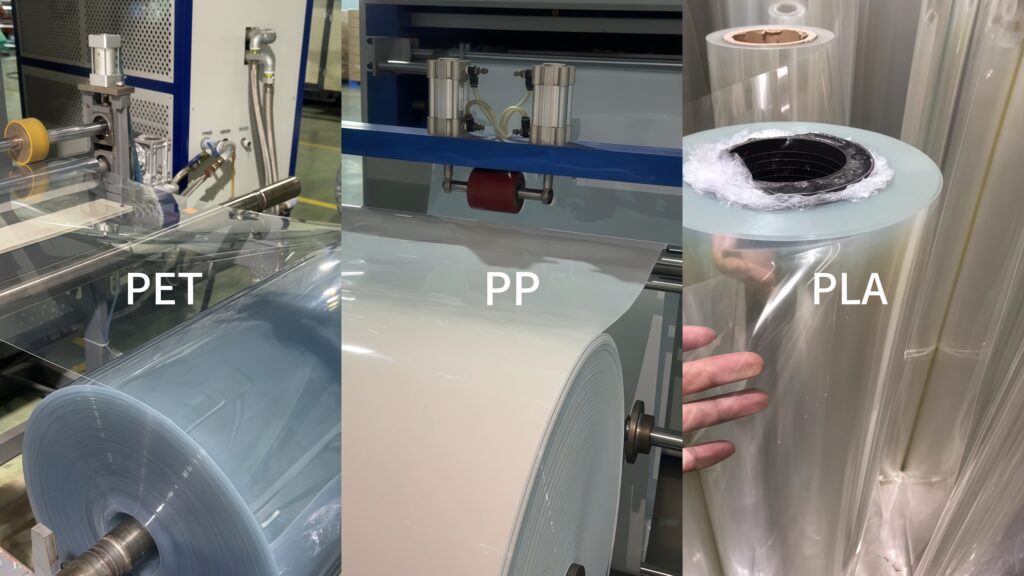
Understanding the Materials
Polypropylene (PP)
PP is a thermoplastic polymer widely used for food containers due to its excellent chemical and heat resistance. Key properties include:
- High heat resistance: Can withstand temperatures up to 120°C (248°F), making it suitable for hot soups, microwaveable meals, and boiling liquids.
- Durability: Strong, flexible, and impact-resistant; does not crack easily.
- Recyclability: Widely recyclable (recycling code #5) and contributes less to landfill pollution than PS.
- Lightweight: Reduces transportation costs and energy consumption.
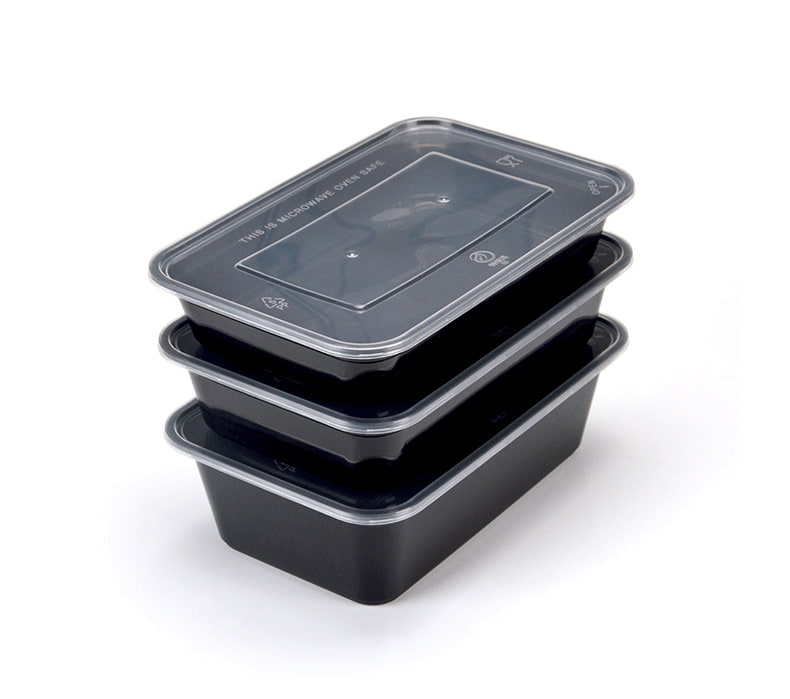
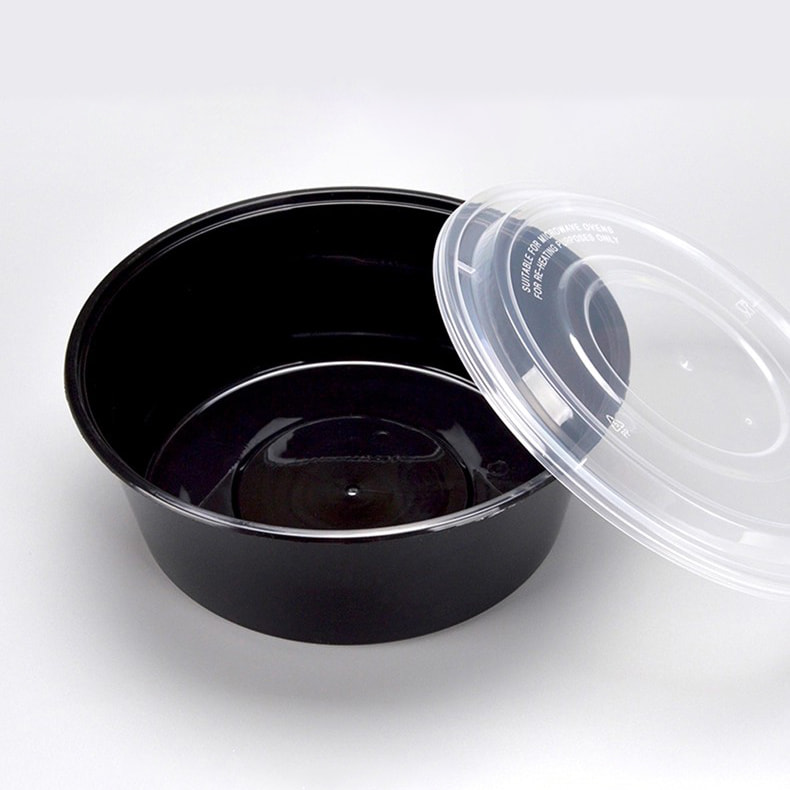
PP bowls can be rigid or semi-rigid, depending on thickness, and are compatible with customization options, including printing, embossing, and colored additives.
Polystyrene (PS)
PS is a rigid, transparent thermoplastic often used for disposable cups, bowls, and trays. Its properties include:
- Low cost: Economical for mass production.
- Limited heat resistance: Typically softens around 90–95°C (194–203°F). Not suitable for boiling liquids.
- Brittleness: Can crack under stress; less impact-resistant than PP.
- Recyclability challenges: Recycling rates are low due to contamination and limited collection infrastructure.
PS is often used for cold foods or short-term serving purposes. Foam PS (EPS) is common in takeout packaging but poses environmental challenges due to slow degradation.
Polylactic Acid (PLA)
PLA is a biodegradable polymer derived from renewable sources like corn starch or sugarcane. Key properties include:
- Eco-friendly: Compostable under industrial conditions, reducing environmental footprint.
- Moderate heat resistance: Typically softens at 60–70°C (140–158°F). Cannot be used for boiling liquids.
- Transparency: Offers a glossy, glass-like appearance.
- Brittleness: Less impact-resistant than PP; prone to cracking under stress.
PLA is widely promoted for cold food packaging and beverages. However, its limited heat resistance makes it unsuitable for hot meals, soups, or microwaving.
Comparative Performance of PP, PS, and PLA
Below is a comparative overview based on technical specifications:
| Property | PP (Polypropylene) | PS (Polystyrene) | PLA (Polylactic Acid) |
|---|---|---|---|
| Heat Resistance | 120°C (248°F) | 90–95°C (194–203°F) | 60–70°C (140–158°F) |
| Impact Resistance | High | Low | Moderate |
| Flexibility | High | Low | Low |
| Transparency | Moderate | High | High |
| Chemical Resistance | Excellent | Poor | Moderate |
| Recycling Capability | Widely recyclable (#5) | Limited (#6) | Compostable/Industrial |
| Typical Applications | Hot/cold foods, microwavable meals | Cold foods, short-term meals | Cold foods, eco-friendly packaging |
Insights:
PP outperforms both PS and PLA in heat resistance, mechanical durability, and recyclability. PS is cost-effective but less versatile, and PLA excels in environmental benefits but is restricted in thermal applications.
Practical Applications of PP Bowls
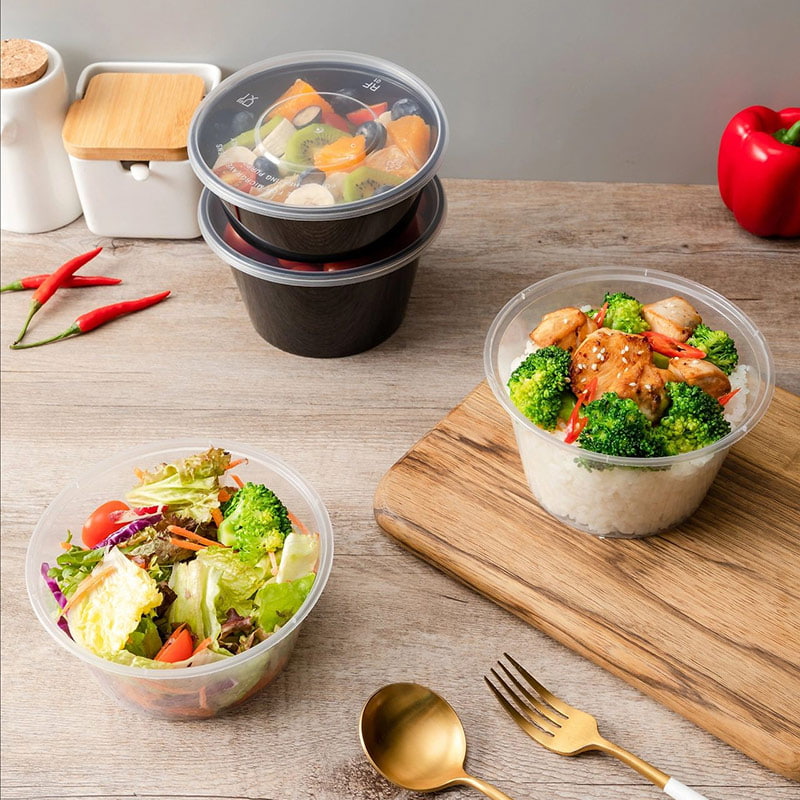
PP bowls are highly versatile in commercial and domestic food applications. Some common use cases include:
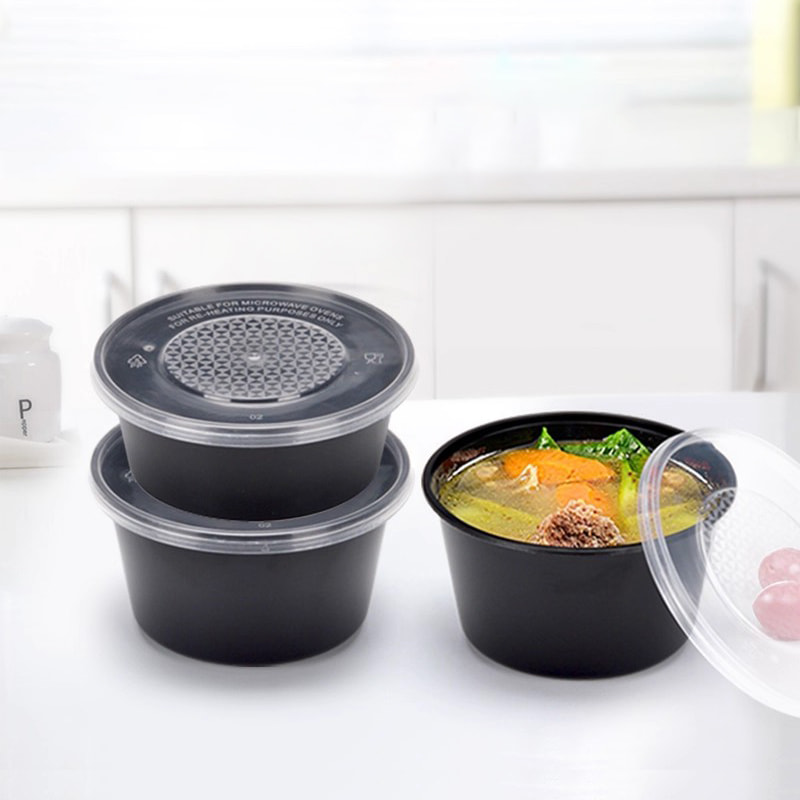
- Hot meals: Soup, noodles, curries, and sauces.
- Microwaveable containers: PP does not warp in microwave ovens.
- Takeout packaging: Durable for delivery and transport.
- Recyclable retail packaging: Suitable for supermarkets and ready-to-eat meals.
Compared to PS and PLA, PP bowls are the preferred choice for hot food applications, whereas PS is often limited to cold foods or single-use portions, and PLA is mostly used for eco-conscious cold meals.
Environmental Impact
While all three materials have environmental considerations, PP strikes a balance between performance and sustainability:
- PP Recycling: Widely collected and processed; helps reduce landfill waste.
- PS Concerns: Low recycling rates; persistent in landfills and oceans.
- PLA Considerations: Biodegradable but requires industrial composting; not widely recycled in conventional systems.
A lifecycle comparison demonstrates PP’s advantages:
| Material | Landfill Persistence | Recyclable | Biodegradable | Energy for Production |
|---|---|---|---|---|
| PP | Moderate | Yes | No | Medium |
| PS | High | Limited | No | Low |
| PLA | Low (compostable) | Limited | Yes (industrial) | Medium |
Observation:
PP provides a practical balance between environmental responsibility and usability, offering recyclability without compromising performance.
Global Trends in PP Bowl Usage
- North America: Rapid adoption in fast food and food delivery due to high heat resistance and recyclability.
- Europe: Strong preference for recyclable packaging; PP bowls are increasingly replacing PS.
- Asia-Pacific: Rising use in takeout, convenience meals, and ready-to-eat products; PP bowls favored for durability and hot food handling.
Industry reports indicate that PP packaging demand is projected to grow by 6–8% annually, driven by the increasing popularity of takeout, meal kits, and microwaveable meals. Source: Grand View Research, 2025
Advantages of PP Over PS and PLA
- Superior heat resistance: PP withstands boiling liquids and microwaving, unlike PS or PLA.
- Durability: Resistant to cracking and deformation.
- Recyclable: Reduces landfill pressure compared to PS.
- Cost-effective in long-term use: While PLA and PS are cheaper initially, PP’s versatility and reusability offset initial cost.
- Compatibility with customization: Logos, embossing, and designs can be applied without affecting performance.
Limitations of PLA and PS Compared to PP
- PLA: Limited to cold foods; industrial composting needed; brittleness.
- PS: Low impact and heat resistance; environmental concerns; limited recycling.
This makes PP the most all-around material for commercial food packaging.
FAQ: PP Bowls vs PLA and PS
Q1: Can PP bowls handle boiling liquids?
A1: Yes, PP bowls can safely hold boiling liquids, unlike PLA and PS.
Q2: Are PP bowls microwave-safe?
A2: Most PP bowls are microwave-safe, up to 120°C (248°F).
Q3: Can PLA replace PP for hot meals?
A3: No, PLA softens at 60–70°C and is not suitable for hot food applications.
Q4: Are PS bowls recyclable?
A4: Limited recyclability (#6); many municipalities do not accept PS.
Q5: Is PP environmentally friendly?
A5: While not biodegradable, PP is widely recyclable and reduces waste when properly processed.
Q6: How durable are PP bowls compared to PS?
A6: PP is significantly more impact-resistant and flexible, making it ideal for delivery and takeout.
Q7: Can PP bowls be customized?
A7: Yes, PP bowls can be printed, embossed, or colored without compromising strength.
Q8: Are PLA bowls safe for cold beverages?
A8: Yes, PLA is ideal for cold foods and beverages and offers a clear, glossy appearance.
Q9: Which is better for takeout—PP or PS?
A9: PP is better due to durability, heat resistance, and recyclability.
Case Studies
Case Study 1: Fast Food Chain in Europe
- Challenge: Switching from PS to environmentally responsible bowls.
- Solution: Replaced PS bowls with PP bowls for soups and hot meals.
- Result: Reduced cracking incidents by 70% and enabled recyclability across stores.
Case Study 2: Meal Kit Delivery in North America
- Challenge: Delivering hot meals without container deformation.
- Solution: Adopted PP bowls with lids for all hot meals.
- Result: Positive customer feedback for quality, heat retention, and sustainable packaging.
Conclusion
Polypropylene bowls clearly outperform PS and PLA in heat resistance, durability, and recyclability, making them a versatile choice for modern food packaging. While PS remains low-cost and PLA is valued for its biodegradability, PP strikes the optimal balance between performance and environmental responsibility.
For manufacturers, retailers, and environmentally conscious consumers, PP bowls provide reliability, customization potential, and sustainability, meeting both operational and ecological demands.
References
- Grand View Research. Polypropylene (PP) Market Size & Trends Analysis Report. 2025. https://www.grandviewresearch.com/industry-analysis/polypropylene-pp-market
- European Bioplastics. PLA Overview and Applications. 2024. https://www.european-bioplastics.org/pla/
- PlasticsEurope. Polystyrene Properties and Applications. 2025. https://www.plasticseurope.org/en/about-plastics/what-are-plastics/ps-polystyrene
- Environmental Protection Agency (EPA). Recycling of Polypropylene and Polystyrene. 2024. https://www.epa.gov/smm/sustainable-management-materials-polypropylene
- MarketsandMarkets. Food Packaging Trends. 2025. https://www.marketsandmarkets.com/Market-Reports/food-packaging-market-1138.html
Copyright Statement
© 2026 Dashan Packing. All rights reserved.
This article is an original work created by the Dashan Packing editorial team.
All text, data, and images are the result of our independent research, industry experience,
and product development insights. Reproduction or redistribution of any part of this content
without written permission is strictly prohibited.
Dashan Packing is committed to providing accurate, evidence-based information and
to upholding transparency, originality, and compliance with global intellectual property standards.