

Introduction: Why the Middle East Requires a Different Packaging Strategy
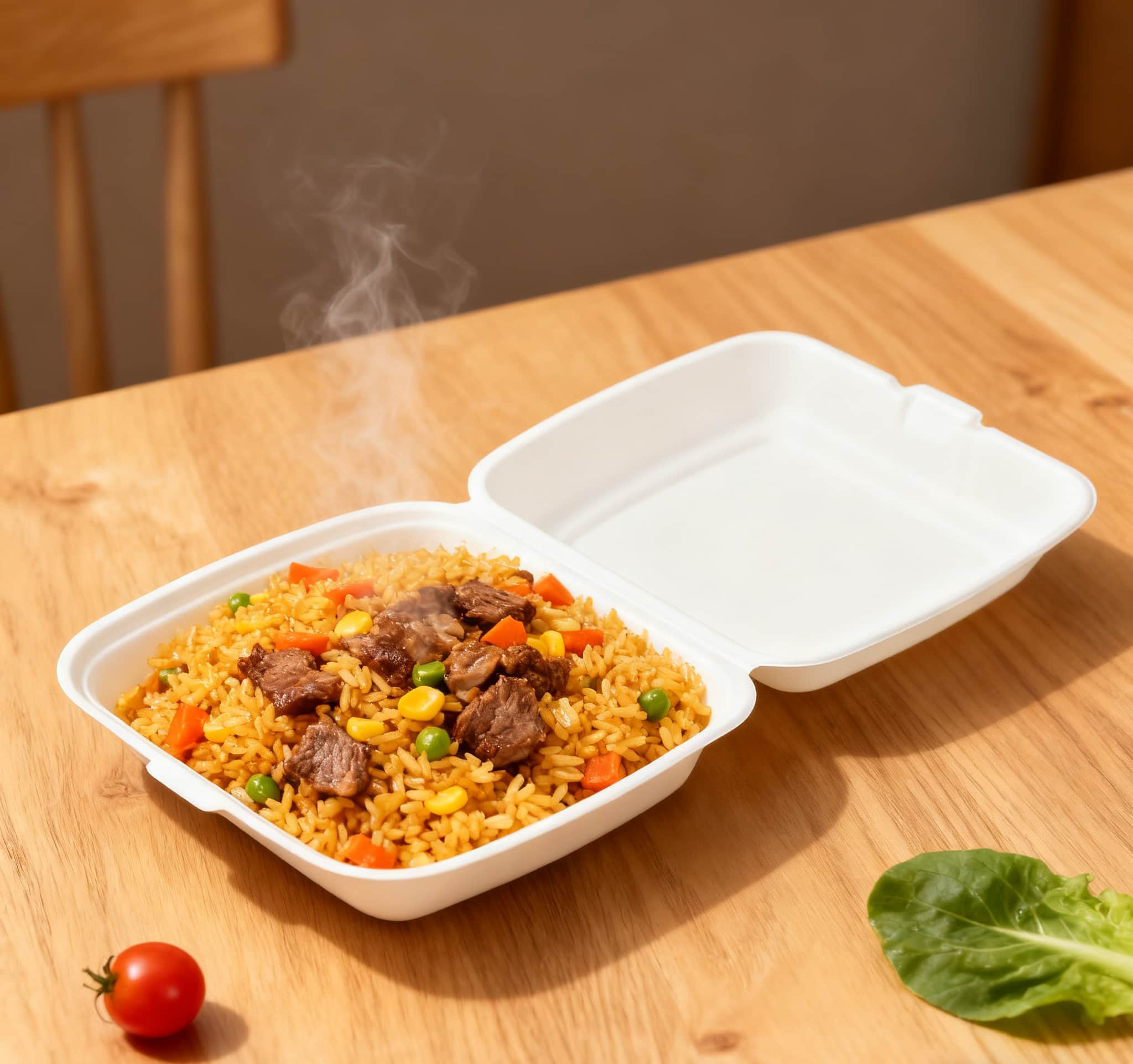
When global food brands and packaging buyers discuss sustainability, the conversation is often framed around European or North American regulations. Concepts such as single-use plastic bans, compostability labels, and carbon footprint reductions dominate decision-making. However, applying this same logic directly to the Middle East frequently leads to unexpected failures.
The Middle East is not a region defined by aggressive plastic bans. Instead, it is shaped by extreme climate conditions, demanding foodservice environments, and a strong emphasis on performance reliability. In practice, these factors often act as more powerful regulators than written laws.
Food packaging that performs well in temperate climates can deform, leak, or fail entirely under Middle Eastern heat. Materials that pass food-contact compliance tests may still be rejected by hotels, restaurants, and catering operators due to real-world performance issues. As a result, successful material selection in the Middle East requires a different mindset—one that goes beyond regulatory checklists and focuses on functional durability.
This article explores how food packaging regulations intersect with material selection in the Middle East, and why understanding local conditions is critical for choosing the right materials.
Overview of Food Packaging Regulations in the Middle East
Regional Policy Direction: Sustainability Without Blanket Plastic Bans
Unlike the European Union, the Middle East does not operate under a unified, region-wide directive banning single-use plastics. Instead, sustainability policies across the region focus on waste reduction, responsible material sourcing, and consumer awareness.
Governments across the Gulf Cooperation Council (GCC) increasingly emphasize:
-
Reduction of unnecessary single-use items
-
Clear material labeling and transparency
-
Elimination of misleading environmental claims
-
Compliance with food-contact safety standards
However, these initiatives are typically implemented without outright prohibitions on specific materials such as PP or PET. This policy approach reflects economic realities, climate constraints, and the need for materials that can reliably perform under extreme conditions.
As a result, material compliance is evaluated through a combination of regulatory standards and market expectations.
Key Country Snapshots
United Arab Emirates (UAE)
The UAE has positioned itself as a sustainability leader in the region, with national initiatives aimed at reducing waste and promoting circular economy principles. Regulations focus on:
-
Reducing single-use plastic consumption
-
Improving recyclability and waste sorting
-
Encouraging alternative materials where feasible
However, compostable packaging is not automatically favored. In practice, foodservice operators prioritize materials that can withstand high temperatures, long storage times, and delivery conditions.
Saudi Arabia
Saudi Arabia enforces strict import and conformity requirements through SASO (Saudi Standards, Metrology and Quality Organization). Key regulatory considerations include:
-
Food-contact safety compliance
-
Restrictions on oxo-degradable plastics
-
Clear labeling and material disclosure
While sustainability is encouraged, functional performance remains the primary filter for acceptance, especially in large-scale catering, fast food, and institutional foodservice.
Qatar and Other GCC Markets
Qatar and neighboring GCC countries focus heavily on food safety, hygiene, and material traceability. Regulations typically require:
-
Compliance with recognized food-contact standards
-
Material transparency for imports
-
Consistency in quality and supply
Across these markets, regulatory approval is a baseline requirement—but not a guarantee of commercial success.
Climate and Usage Conditions as De Facto Regulators
Extreme Heat and Storage Conditions
One of the most underestimated challenges in Middle Eastern packaging is temperature exposure outside controlled environments. During summer months, ambient temperatures frequently exceed 45°C, while warehouse and container temperatures can climb significantly higher.
Packaging materials may be exposed to:
-
Prolonged heat during shipping
-
High-temperature storage before distribution
-
Direct sunlight during last-mile delivery
These conditions can cause deformation, warping, odor release, and loss of structural integrity—particularly for heat-sensitive materials.
Food Characteristics in the Middle East
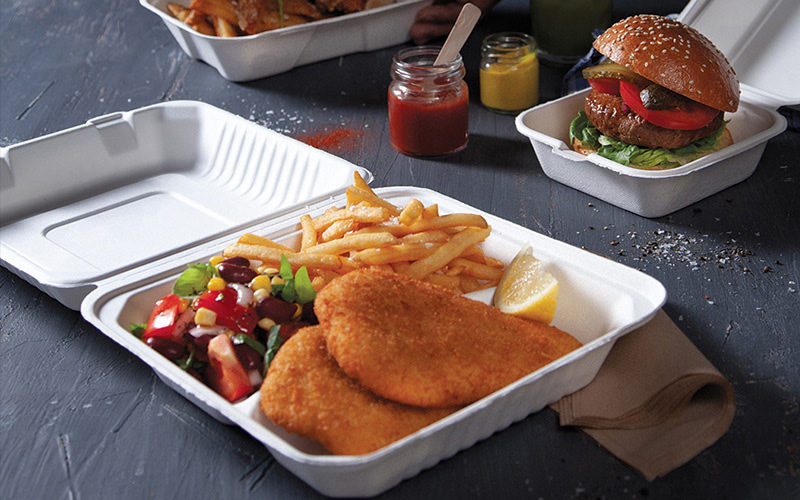
Middle Eastern cuisine presents additional challenges:
-
Hot-served foods dominate takeaway and delivery
-
High oil and sauce content is common
-
Foods are often held in packaging for extended periods
This combination creates an aggressive test environment for packaging materials. Containers and cutlery must resist oil penetration, maintain rigidity, and prevent leakage under heat.
Distribution and Delivery Realities
Food delivery platforms and large-scale catering are widespread across the region. Packaging must survive:
-
Long transport distances
-
Stacking and compression
-
Handling by multiple intermediaries
Many material failures occur not during laboratory testing, but during real-world logistics.
Material Performance Analysis Under Middle East Conditions
Corn Starch and Starch-Based Packaging

Corn starch packaging is often marketed as a natural and compostable alternative to conventional plastics. In reality, most corn starch products are blends that include polymers to achieve basic functionality.
Under Middle Eastern conditions, starch-based materials face several challenges:
-
Sensitivity to heat, leading to softening or warping
-
High moisture absorption
-
Reduced rigidity under load
Corn starch cutlery, in particular, can lose stiffness when exposed to hot foods, leading to bending or breakage. Cups made from starch-based materials may struggle with hot beverages or prolonged liquid contact.
As a result, corn starch packaging is typically limited to specific, controlled-use scenarios in the Middle East.
PLA and CPLA Materials

PLA is widely used for cold food and beverage packaging. However, its low heat resistance limits its applicability in hot climates.
CPLA improves heat performance through crystallization, making it more suitable for cutlery and some hot-food applications. Nevertheless, even CPLA has upper temperature limits that can be exceeded during storage or transport in the Middle East.
Key considerations include:
-
PLA suitability primarily for cold or short-use applications
-
CPLA performance improvements with trade-offs in brittleness
-
Compostability benefits that may not align with local waste infrastructure
While PLA and CPLA can work in specific contexts, they are not universal solutions.
Bagasse and Fiber-Based Containers
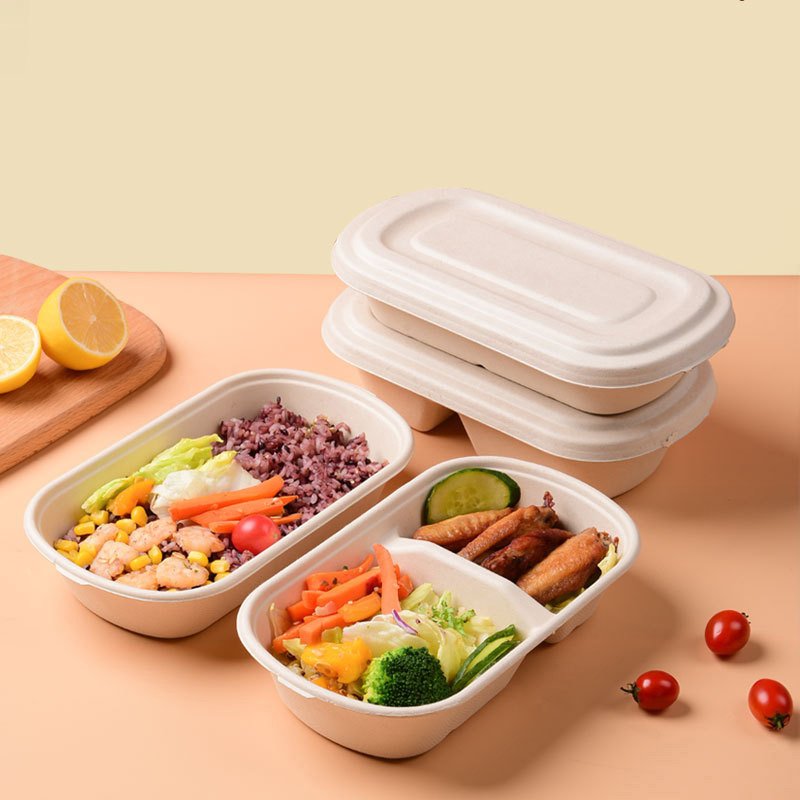
Bagasse containers are popular for their renewable origin and compostability. In Middle Eastern foodservice, they offer both advantages and limitations.
Strengths:
-
Good rigidity for hot foods
-
Better heat tolerance than PLA
-
Natural, fiber-based appearance valued by some brands
Limitations:
-
Oil penetration over time
-
Moisture absorption leading to softening
-
Lid compatibility challenges
Bagasse is often effective for short-term use but may struggle in extended delivery scenarios.
Conventional Plastics as Performance Benchmarks
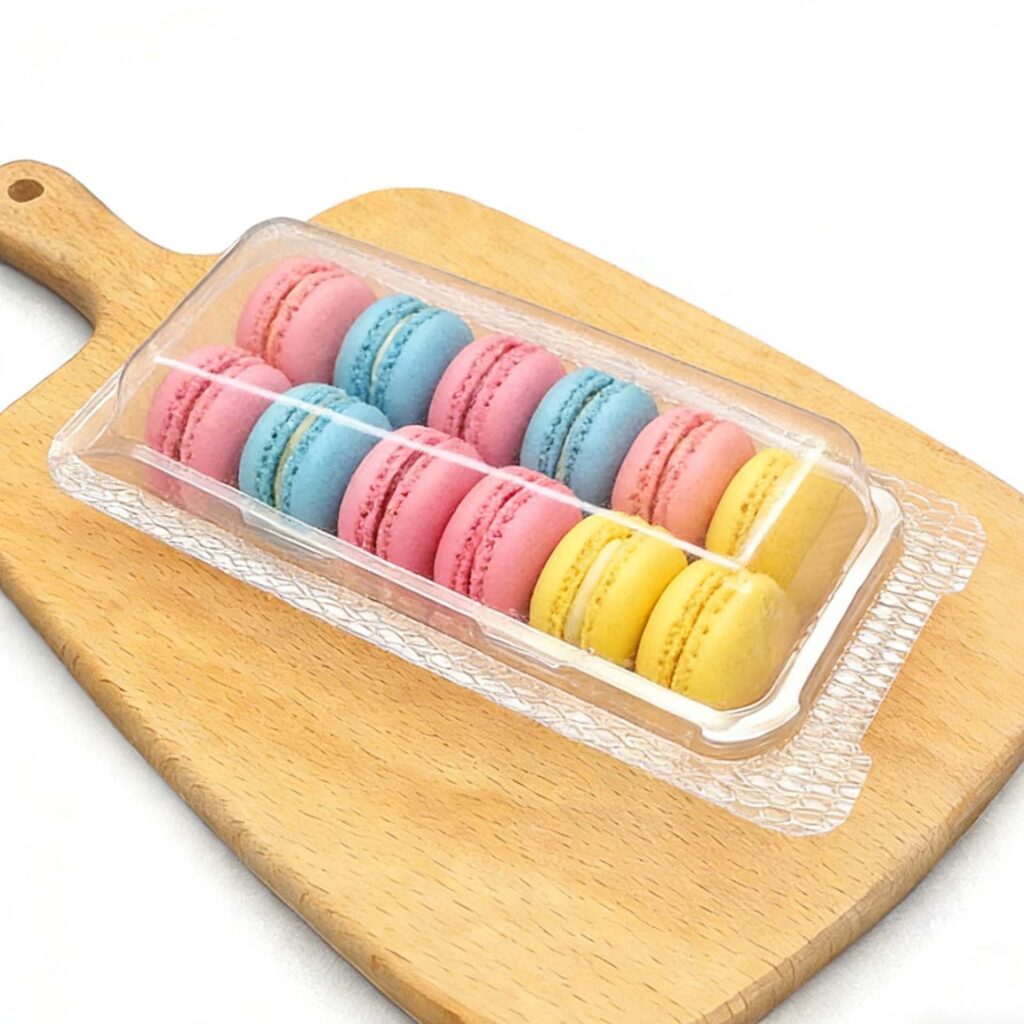
Materials such as PP and RPET remain widely used in the Middle East due to their reliability.
Advantages include:
-
High heat resistance
-
Excellent oil and moisture barriers
-
Structural stability under stacking and transport
While not compostable, these materials are recyclable and align with regional waste-management realities.
Regulatory Compliance vs Market Acceptance
A common misconception is that regulatory compliance guarantees market acceptance. In the Middle East, this is rarely the case.
Foodservice operators prioritize:
-
Consistent performance
-
Low complaint rates
-
Predictable behavior under stress
Packaging that fails in real-world conditions can damage brand reputation, regardless of its sustainability credentials.
Common Material Selection Mistakes in the Middle East
-
Importing products designed for European climates without adaptation
-
Overemphasizing compostability at the expense of performance
-
Ignoring storage and logistics conditions
-
Assuming policy language reflects actual buyer priorities
These mistakes often result in costly product replacements and lost contracts.
Practical Guidelines for Choosing Food Packaging Materials
Match Materials to Food Type
Material selection should begin with food characteristics:
-
Temperature at filling
-
Oil and moisture content
-
Expected holding time
No single material suits all applications.
Combine Sustainability With Functional Durability
Sustainability should be approached pragmatically:
-
Use compostable materials where performance allows
-
Favor recyclable plastics for demanding applications
-
Consider hybrid solutions
Questions Buyers Should Ask Suppliers
-
What temperature testing has been conducted?
-
Are there real-use case references in the Middle East?
-
How does the material behave after extended storage?
These questions help bridge the gap between compliance and performance.
Future Outlook: Where Middle East Packaging Regulations Are Heading
Regulatory trends indicate:
-
Increased scrutiny of environmental claims
-
Greater emphasis on recyclability
-
Continued preference for performance-first solutions
As sustainability expectations rise, materials that balance durability with environmental responsibility will gain traction.
FAQ
1. Are single-use plastics banned in the Middle East?
No. Most Middle Eastern countries do not enforce blanket bans on single-use plastics. Regulations focus more on waste reduction, recyclability, accurate labeling, and food safety rather than outright material prohibitions.
2. Why do compostable packaging materials often fail in the Middle East?
Extreme heat, high-oil foods, and long delivery times expose the functional limits of many compostable materials. Products that perform well in cooler climates may warp, soften, or leak under Middle Eastern conditions.
3. Is corn starch packaging suitable for Middle Eastern foodservice?
Corn starch packaging can work for limited, controlled applications, but it is often unsuitable for hot foods or long holding times due to heat sensitivity and moisture absorption.
4. How does PLA or CPLA perform in hot Middle Eastern climates?
PLA is generally limited to cold applications. CPLA offers better heat resistance but still has temperature limits that can be exceeded during storage or transport in the Middle East.
5. Are bagasse food containers a good option in the Middle East?
Bagasse performs well with hot foods in short-use scenarios, but oil penetration, moisture absorption, and lid compatibility can limit its effectiveness in extended delivery or high-oil applications.
6. Why do some buyers still prefer PP or RPET packaging?
PP and RPET offer superior heat resistance, oil barriers, and structural stability, making them reliable under Middle Eastern logistics and climate conditions. Their recyclability aligns with local waste management systems.
7. Does regulatory compliance guarantee market acceptance?
No. Compliance is only a baseline. Foodservice operators prioritize real-world performance, consistency, and customer experience over material claims alone.
8. What should buyers consider when selecting packaging materials for the Middle East?
Buyers should evaluate food temperature, oil content, holding time, storage conditions, and logistics exposure—then select materials that balance performance reliability with sustainability goals.
Conclusion: Compliance Is the Starting Point, Performance Is the Filter
Food packaging success in the Middle East depends on understanding realities beyond regulations. Climate, food culture, and logistics shape material viability as much as any written policy.
For brands and buyers, the key is not choosing the “greenest” material on paper, but selecting packaging that performs reliably while aligning with regional sustainability goals.
In the Middle East, material realism is not a compromise—it is a requirement.
References
-
GCC Standardization Organization (GSO)
https://www.gso.org.sa -
Saudi Standards, Metrology and Quality Organization (SASO)
https://www.saso.gov.sa -
UAE Ministry of Climate Change and Environment – Single-Use Plastics
https://www.moccae.gov.ae -
European Bioplastics – Heat Resistance of PLA and CPLA
https://www.european-bioplastics.org -
ASTM D6400 Standard for Compostable Plastics
https://www.astm.org/d6400 -
FAO – Food Packaging and Food Safety
https://www.fao.org/food-safety -
WRAP – Packaging and Climate Performance
https://wrap.org.uk
Copyright Statement
© 2026 Dashan Packing. All rights reserved.
This article is an original work created by the Dashan Packing editorial team.
All text, data, and images are the result of our independent research, industry experience,
and product development insights. Reproduction or redistribution of any part of this content
without written permission is strictly prohibited.
Dashan Packing is committed to providing accurate, evidence-based information and
to upholding transparency, originality, and compliance with global intellectual property standards.