

Introduction
In the fast-paced world of food production and consumption, packaging plays an essential role in ensuring the quality, safety, and convenience of food products. Among the various materials used for food packaging, polypropylene (PP) has emerged as one of the most popular choices. Due to its unique combination of durability, heat resistance, moisture protection, and cost-effectiveness, PP has become an indispensable material for packaging a wide range of food products. This article explores the reasons why PP is especially well-suited for hot meals, frozen foods, salads, and snacks.
We will also discuss its applications, advantages, sustainability concerns, and its role in the global food packaging industry. By the end of this article, you will have a thorough understanding of why PP is the go-to material for food manufacturers and why consumers prefer it.
What is Polypropylene (PP)?
Polypropylene (PP) is a type of thermoplastic polymer made from the polymerization of propylene monomers. Known for its versatility and resistance to various environmental factors, PP is used in a wide range of applications, from automotive parts to household goods. However, in the context of food packaging, its unique properties—such as heat resistance, moisture protection, and durability—make it an ideal choice.
Chemical and Physical Properties of PP
-
Melting Point: Polypropylene has a high melting point (around 160°C), which allows it to withstand high temperatures without deforming. This is crucial for packaging hot meals and microwave-safe foods.
-
Moisture Resistance: PP has a strong resistance to moisture, making it perfect for packaging foods that need to stay dry, such as snacks and salads.
-
Durability: PP is known for its strength, making it highly resistant to cracking and breaking during handling or transport.
-
Lightweight: PP is a lightweight material, which reduces the overall weight of food packages, providing cost-efficiency in transportation.
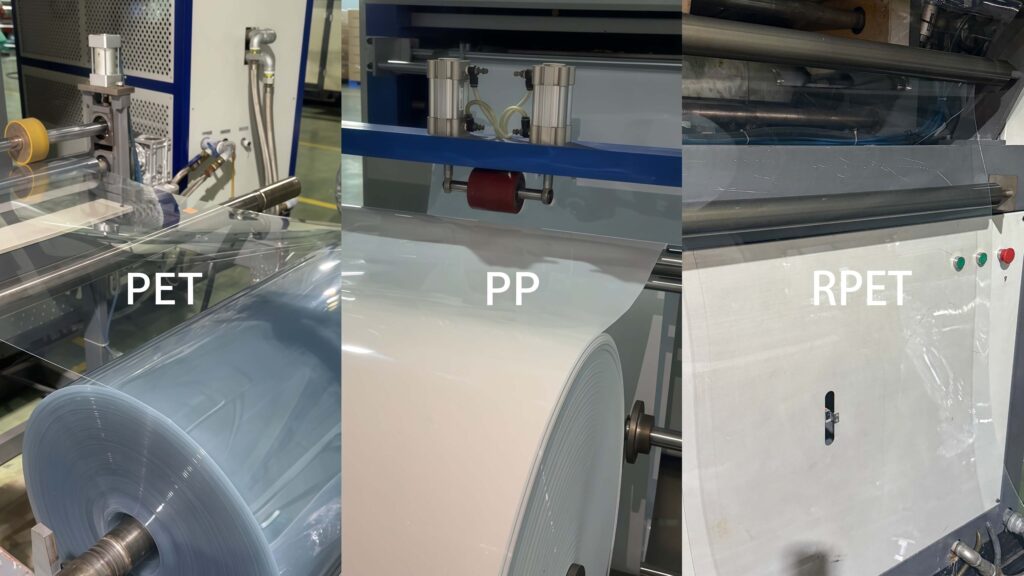
Key Properties of Polypropylene for Food Packaging
1. Heat Resistance
One of the standout features of PP is its ability to withstand high temperatures. This makes it an excellent choice for packaging foods that require heating, especially for microwaveable meals and ready-to-eat hot dishes.
-
Microwave-Safe: PP containers are microwave-safe and can endure high temperatures without warping, which is a critical consideration in modern food packaging.
-
Hot Meal Packaging: Ready-to-eat meals like microwaveable pasta, soups, and rice dishes often use PP containers because of their ability to endure heat and retain their shape during reheating.
2. Moisture Protection
Polypropylene offers excellent moisture resistance, ensuring that food items remain fresh and dry. This is especially beneficial for pre-packaged salads, snacks, and other foods sensitive to moisture.
-
Pre-Packaged Salads: PP containers can help maintain the freshness of salads by preventing water from seeping in and wilting the vegetables.
-
Snack Packaging: PP’s ability to keep moisture out ensures that products like chips, crackers, and nuts stay crisp and enjoyable for longer periods.
3. Durability
PP is highly durable and resistant to physical damage. It is not prone to cracking or breaking, even when subjected to rough handling. This durability ensures that food products are protected during transportation and storage.
-
Cold and Frozen Food: PP packaging can endure low temperatures without becoming brittle, which makes it suitable for packaging frozen meals, vegetables, and ice creams.
-
Impact Resistance: The strength of PP also ensures that packaged food stays intact, reducing the risk of damage during handling or shipping.
4. Transparency and Aesthetic Appeal
Polypropylene is a clear material, allowing consumers to see the food inside. This transparency is particularly important for ready-to-eat meals, fresh salads, and snack packaging, where visual appeal plays a key role in consumer choice.
-
Clear Packaging: Clear PP containers help to showcase the contents, which is an attractive feature for consumers in retail environments.
-
Branding and Marketing: The transparency of PP packaging makes it ideal for food manufacturers who want to showcase the quality and freshness of their products through packaging.
5. Cost-Effectiveness
Compared to other food packaging materials such as PET or glass, PP is relatively inexpensive to produce. This makes it a cost-effective option for large-scale food manufacturers, especially those in the ready-to-eat and frozen meal sectors.
-
Lower Production Costs: The relatively low cost of polypropylene helps manufacturers keep production costs down while still ensuring high-quality packaging for their products.
-
Affordable Consumer Pricing: PP’s affordability allows for competitively priced products, benefiting both manufacturers and consumers.
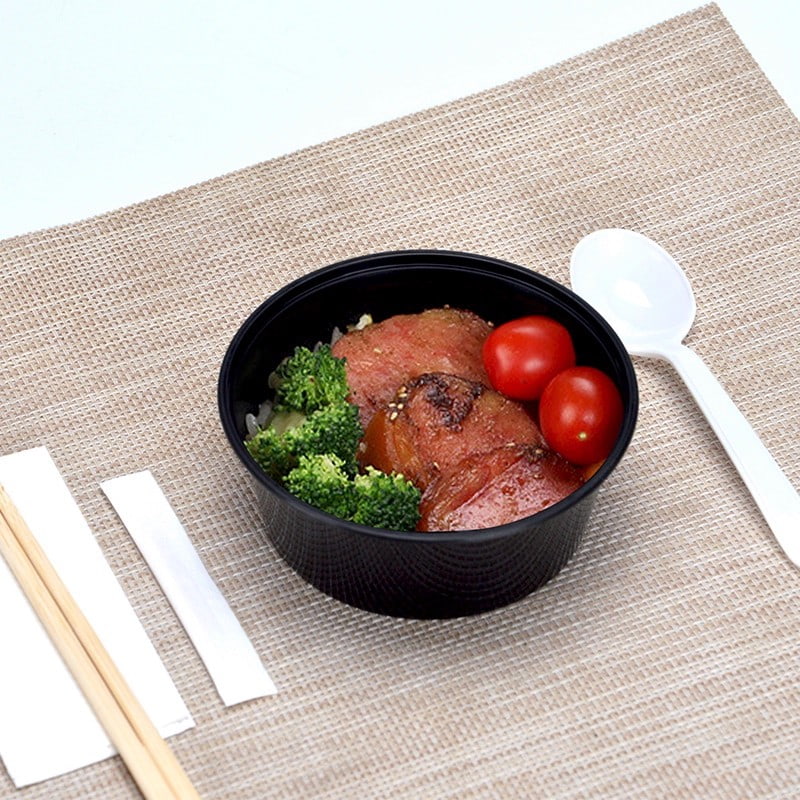
Applications of Polypropylene in Food Packaging
1. Hot Meals
Polypropylene is ideal for packaging hot meals due to its heat resistance and durability. From ready-to-eat microwave meals to take-out lunch boxes, PP containers are the go-to solution for many hot food applications.
-
Examples of Hot Meal Packaging:
-
Microwave Trays: PP trays are commonly used to package microwaveable meals, as they can handle the high temperatures generated by microwaving.
-
Food Bowls and Platters: Many fast-casual restaurants and quick-service eateries use PP containers for packaging hot dishes, such as pasta, rice, and stews.
-
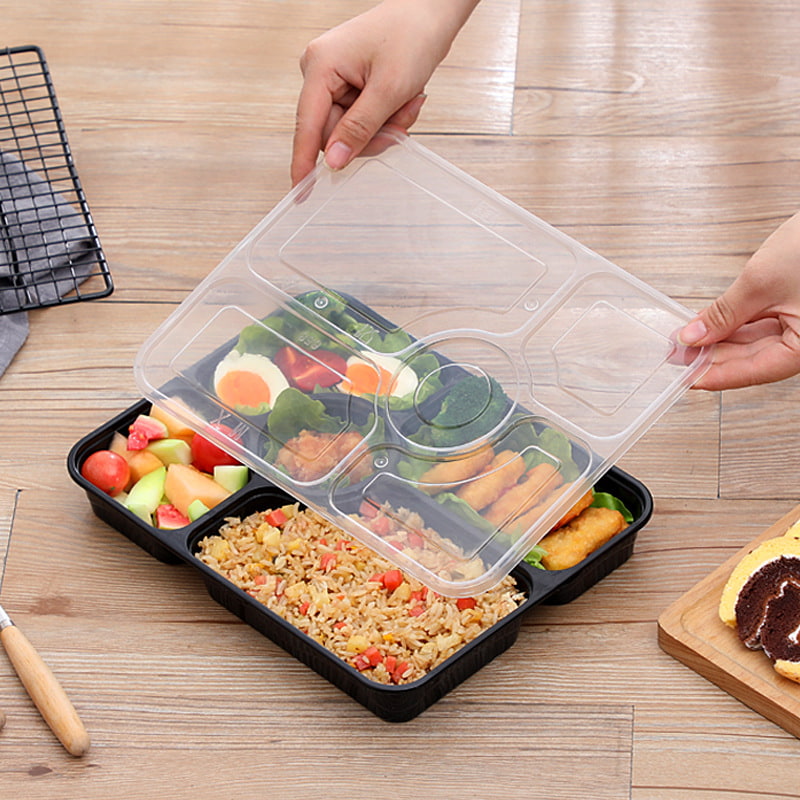
2. Frozen Foods
Frozen foods, including meals, vegetables, and desserts, require packaging that can withstand freezing temperatures. PP packaging is resistant to cold, which makes it an ideal choice for preserving frozen food products.
-
Examples of Frozen Food Packaging:
-
Frozen Meal Trays: PP trays are used for frozen entrees, including pizzas, casseroles, and frozen pasta dishes.
-
Vegetable Bags: PP is used in flexible bags for frozen vegetables due to its ability to resist low temperatures without cracking or losing integrity.
-
3. Salads and Fresh Foods
Pre-packaged salads and fresh produce benefit from the moisture-resistant and protective qualities of PP. These containers help extend the shelf life of fresh foods by keeping them fresh and visually appealing.
-
Examples of Salad Packaging:
-
Salad Trays: PP trays are used to package single-serve salads, keeping the vegetables crisp and fresh.
-
Fruit Cups: Pre-packaged fruit cups often use clear PP containers to allow consumers to view the product inside.
-
4. Snacks and Dry Foods
Snacks like chips, crackers, nuts, and dried fruits require packaging that prevents moisture from affecting the product. PP’s moisture resistance makes it ideal for this purpose, ensuring that snacks stay fresh and crisp.
-
Examples of Snack Packaging:
-
Snack Cups and Pouches: PP is widely used in snack packaging, especially in lightweight and resealable forms.
-
Flexible Bags: For products like chips, PP bags are commonly used to protect the food from air, moisture, and contamination.
-
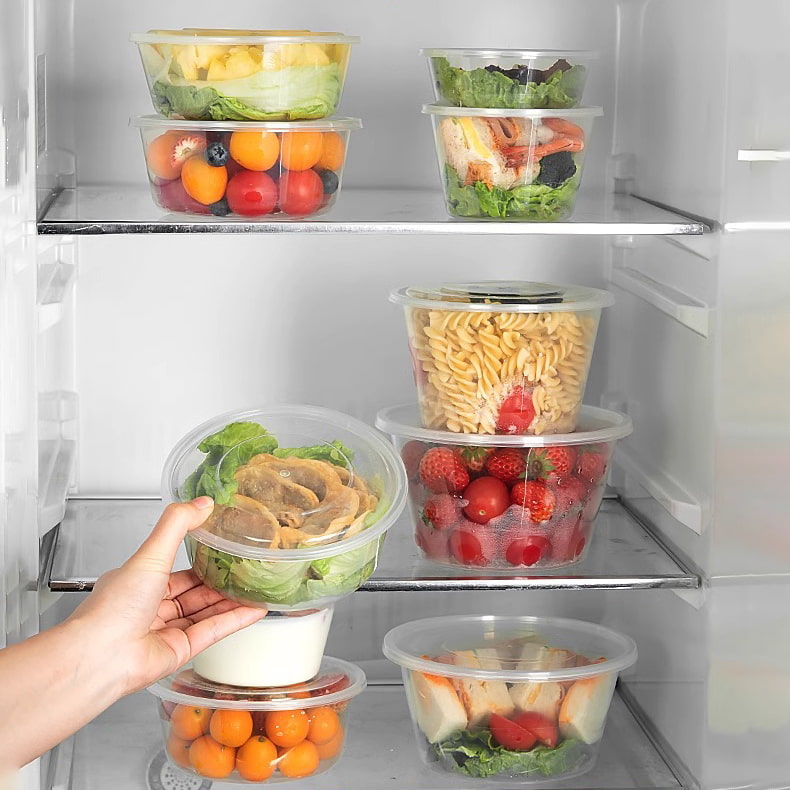
Sustainability of PP Packaging
While PP is highly effective in protecting food and preserving its quality, there are ongoing concerns about its environmental impact. PP is recyclable, but its recycling rate is not as high as materials like PET. However, various initiatives and technologies are being developed to improve the sustainability of PP packaging.
Recycling PP
-
Recyclability: PP is classified as a recyclable plastic (identifiable by the number 5 in the recycling symbol). However, its recycling rate remains low compared to other plastics like PET.
-
Recycling Challenges: The challenges in recycling PP arise from contamination during the waste stream and a lack of infrastructure in many regions to handle PP recycling efficiently.
Sustainable Alternatives
-
Recycled PP: Increasingly, food manufacturers are turning to recycled PP to reduce environmental impact. Recycled PP has many of the same properties as virgin PP and can be used for food packaging without compromising safety.
-
Innovations in Sustainable PP: Some manufacturers are working to create PP packaging that is biodegradable or compostable, contributing to the reduction of plastic waste.
Market Trends in PP Food Packaging
Growth in Demand
The demand for PP food packaging has surged in recent years, particularly in sectors like ready-to-eat meals and frozen foods. The material’s ability to withstand various temperatures and provide durability in transit makes it an ideal solution for many types of food packaging.
Consumer Preferences
Consumers are increasingly aware of the environmental impact of plastic packaging. As a result, there is a growing demand for eco-friendly PP packaging options that are recyclable or made from recycled content.
-
Biodegradable PP: While PP is generally not biodegradable, manufacturers are exploring ways to make PP more eco-friendly, either through recyclable content or by using biodegradable additives.
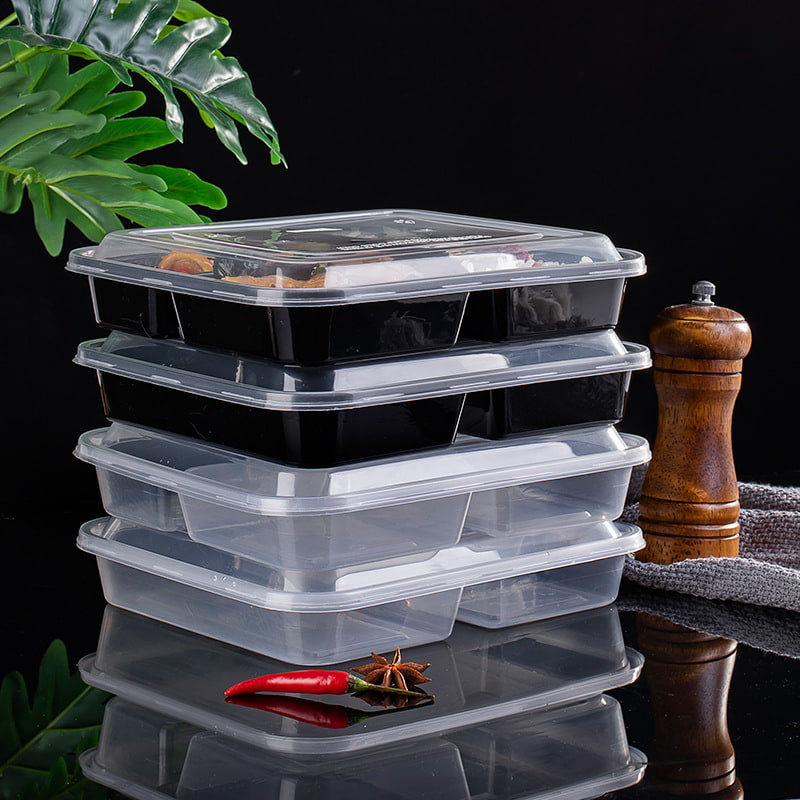
Challenges and Drawbacks of PP Food Packaging
Despite its many advantages, there are challenges associated with PP food packaging.
Environmental Concerns
While PP is recyclable, its recycling rate is not as high as other materials like PET, and much of the plastic ends up in landfills or the ocean. Efforts are underway to improve recycling rates and create more sustainable PP packaging solutions.
Cost Fluctuations
The price of polypropylene can fluctuate depending on the cost of raw materials, including petroleum-based products. This can affect the pricing of food products that rely on PP packaging.
Consumer Perception
While PP is widely used, some consumers still have concerns about the environmental impact of plastic packaging. This has led many manufacturers to explore alternatives, such as biodegradable or recyclable PP.
FAQ Section
-
What foods are best packaged in PP?
-
PP is ideal for hot meals, frozen foods, salads, and dry snacks.
-
-
Can PP containers be used in microwaves?
-
Yes, PP is microwave-safe and is commonly used for ready-to-eat meal packaging.
-
-
How does PP compare to other plastic materials like PET?
-
PP offers better heat resistance than PET and is more suitable for frozen foods and hot meal packaging.
-
-
Is PP recyclable?
-
Yes, PP is recyclable, but its recycling rate is lower than materials like PET.
-
-
Does PP packaging maintain the freshness of food?
-
Yes, PP provides moisture protection and helps keep food fresh for longer.
-
-
Are there eco-friendly PP packaging options?
-
Yes, some PP packaging options are made from recycled materials, and there are ongoing innovations in sustainable PP.
-
-
How do PP food containers protect against contamination?
-
PP containers are often sealed to prevent contamination, and their durability ensures that food stays protected from external factors.
-
Conclusion
Polypropylene (PP) has proven itself as one of the most versatile and reliable materials for food packaging. Its ability to handle hot, frozen, fresh, and dry foods makes it a go-to choice for manufacturers. As demand for sustainable and recyclable packaging continues to rise, PP’s role in the food packaging industry will only grow stronger, offering both practical benefits for food preservation and convenience for consumers.
References
-
Plastic Packaging in the Food Industry. Source
-
Polypropylene Recycling Statistics. Source
-
Polypropylene vs. Other Plastics. Source
Copyright Statement
© 2026 Dashan Packing. All rights reserved.
This article is an original work created by the Dashan Packing editorial team.
All text, data, and images are the result of our independent research, industry experience,
and product development insights. Reproduction or redistribution of any part of this content
without written permission is strictly prohibited.
Dashan Packing is committed to providing accurate, evidence-based information and
to upholding transparency, originality, and compliance with global intellectual property standards.