

Quick Summary
Plastic-free packaging is gaining global attention as businesses and governments work to reduce plastic waste. Materials such as paper, molded fiber, and bagasse are emerging alternatives. However, cost, performance, and recycling infrastructure challenges mean the future of packaging will likely combine plastic reduction, recyclable plastics, and renewable materials.
Introduction
Plastic packaging has played a major role in modern supply chains for decades. It protects food, extends shelf life, improves logistics efficiency, and allows products to reach consumers safely. However, the environmental impact of plastic waste has become a growing global concern. Images of plastic pollution in oceans and overflowing landfills have led governments, businesses, and consumers to rethink how packaging should be designed and used.
In response, the concept of plastic-free packaging has gained significant attention. Many companies are exploring alternatives to traditional plastics in an effort to reduce environmental impact and meet sustainability goals. Food service brands, retailers, and beverage companies are increasingly evaluating packaging made from renewable materials such as paper, molded fiber, and agricultural residues.
But an important question remains: Can plastic-free packaging realistically become the new industry standard?
The answer is complex. While the demand for plastic alternatives is growing rapidly, replacing plastic entirely presents technical, economic, and logistical challenges. The future of packaging will likely involve a mix of solutions rather than a single universal material.
Why the Demand for Plastic-Free Packaging Is Growing
Environmental Concerns
One of the main reasons for the push toward plastic-free packaging is the environmental impact associated with plastic waste. Conventional plastics can take decades or even centuries to degrade in natural environments. When plastic waste is not properly collected or recycled, it may accumulate in landfills or enter ecosystems.
Microplastics have also become an emerging concern. These small plastic particles can form when larger plastic materials break down over time, potentially affecting wildlife and marine ecosystems.
Because packaging represents a large portion of global plastic use, it has become a primary focus for sustainability initiatives.
Changing Consumer Awareness
Consumers are becoming more aware of the environmental consequences of packaging choices. Surveys in many markets show that shoppers increasingly prefer products packaged in environmentally responsible materials.
In industries such as takeaway food and beverages, packaging is one of the most visible components of the product experience. As a result, brands are exploring new packaging options that better align with customer expectations for sustainability.
Corporate Sustainability Commitments
Many global brands have announced sustainability targets that include reducing plastic usage or improving packaging recyclability. These commitments often include goals such as:
-
reducing virgin plastic usage
-
increasing recycled content
-
switching to renewable packaging materials
-
improving recyclability or compostability
These commitments are accelerating innovation across the packaging industry.
What “Plastic-Free Packaging” Actually Means
Although the term “plastic-free packaging” is widely used, it can have several different meanings depending on context.
In some cases, plastic-free packaging refers to packaging made entirely from materials that contain no conventional plastics. In other situations, it may refer to packaging that significantly reduces plastic content or replaces petroleum-based plastics with plant-based alternatives.
Common plastic-free packaging materials include:
-
paper and cardboard
-
molded fiber products
-
bagasse (sugarcane fiber) packaging
-
bamboo fiber materials
-
agricultural by-product fibers
Many of these materials are derived from renewable resources and can be recycled or composted under appropriate conditions.
Understanding the exact definition of plastic-free packaging is important because different materials have different environmental impacts and disposal requirements.
Materials Leading the Plastic-Free Packaging Movement
Paper and Cardboard
Paper-based packaging is one of the most widely used alternatives to plastic. It is produced from renewable resources and can often be recycled through existing paper recycling systems.
Paper and cardboard are commonly used for:
-
takeaway boxes
-
food trays
-
beverage carriers
-
outer packaging
Advances in coating technologies are also improving the moisture resistance and durability of paper packaging.
Molded Fiber and Bagasse
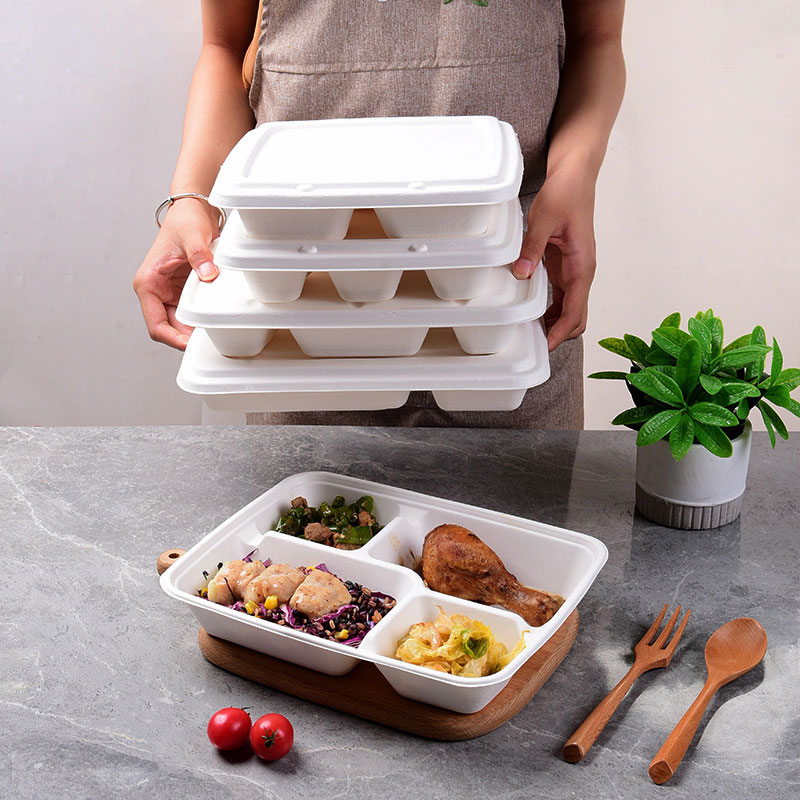
Molded fiber packaging is produced from natural plant fibers that are molded into specific shapes. One of the most popular sources for molded fiber packaging is sugarcane bagasse, a by-product of sugar production.
Bagasse packaging offers several advantages:
-
made from agricultural waste materials
-
renewable resource
-
suitable for takeaway food containers and trays
-
often compostable under industrial conditions
Because it uses material that would otherwise be discarded, bagasse packaging has gained popularity as a sustainable alternative for food service applications.
Plant-Based Biopolymers
Some packaging materials are made from plant-based polymers derived from renewable resources. These materials are sometimes used to produce cups, lids, and food containers.
While some plant-based polymers can be compostable, their environmental performance often depends on the availability of proper composting infrastructure.
Industries Driving the Adoption of Plastic-Free Packaging
Several industries are leading the shift toward plastic-free packaging.
Food Service and Takeaway Industry
Restaurants, food delivery services, and takeaway businesses generate large volumes of disposable packaging. As a result, this sector has been one of the first to experiment with plastic alternatives.
Fiber-based containers, paper cups, and molded pulp trays are increasingly used in takeaway packaging.
Beverage Industry
The beverage sector is exploring alternative packaging solutions, including fiber-based cups and paper bottles. While plastic cups remain widely used due to their durability and transparency, innovation in alternative materials continues to grow.
Retail and E-Commerce
Retailers and online retailers are also working to reduce plastic packaging materials used in shipping and product packaging. Paper-based protective packaging and recyclable mailers are becoming more common.
Advantages of Plastic-Free Packaging
Plastic-free packaging offers several potential benefits.
Reduced Dependence on Fossil Resources
Many alternative materials are derived from renewable resources such as plants or agricultural by-products. This can reduce dependence on petroleum-based raw materials.
Lower Plastic Pollution Risk
Replacing plastic packaging with biodegradable or recyclable materials may help reduce the amount of plastic waste entering ecosystems.
Improved Brand Perception
Consumers increasingly associate environmentally responsible packaging with positive brand values. Companies that adopt sustainable packaging may strengthen their reputation and customer loyalty.
Regulatory Alignment
In many regions, governments are introducing regulations aimed at reducing plastic waste. Using plastic-free packaging can help companies comply with these policies more easily.
Challenges of Completely Replacing Plastic
Despite the advantages of plastic-free packaging, replacing plastic entirely remains difficult.
Performance Limitations
Plastic materials have several technical advantages that can be difficult to replicate, including:
-
excellent moisture resistance
-
strong barrier protection
-
high durability
-
lightweight structure
Many alternative materials require additional coatings or design adjustments to achieve similar performance.
Cost Considerations
Some sustainable materials can be more expensive to produce than conventional plastics. This cost difference can be significant for businesses that rely on high-volume packaging.
Infrastructure Limitations
The environmental benefits of compostable or recyclable packaging depend heavily on waste management systems. In some regions, recycling or composting infrastructure is still developing.
Scalability
The global packaging industry operates on an enormous scale. Producing enough alternative materials to replace plastic completely would require significant expansion of supply chains and manufacturing capacity.
Why Plastic May Still Play a Role
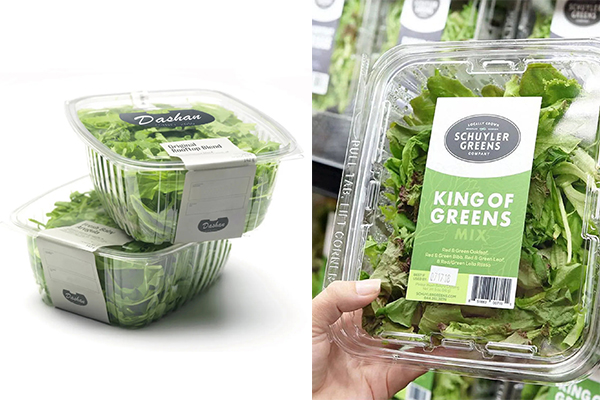
While reducing plastic waste is a priority, plastics still offer important benefits in certain applications.
Plastic packaging can provide:
-
superior food protection
-
longer shelf life
-
lightweight transportation
-
reduced food waste
In some cases, eliminating plastic entirely could lead to unintended environmental consequences if alternative materials increase product spoilage or transportation emissions.
For this reason, many experts believe that the future of packaging will involve reducing plastic usage while improving recyclability, rather than eliminating plastic entirely.
Hybrid Packaging Solutions
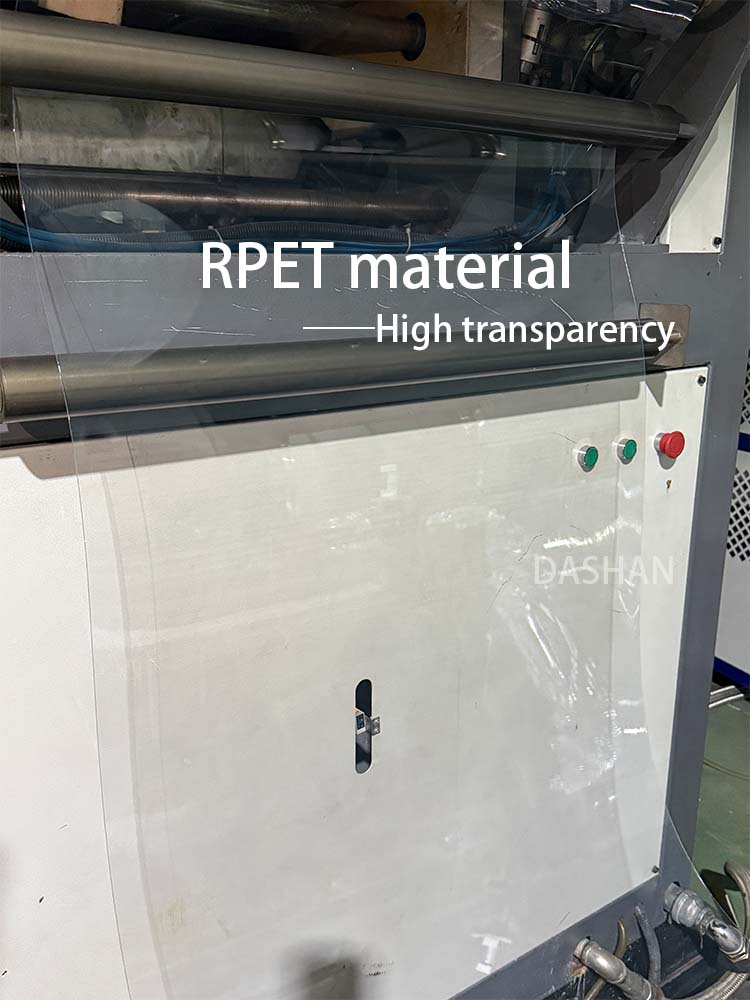
Instead of choosing between plastic and plastic-free materials, many companies are exploring hybrid solutions.
Examples include:
-
packaging made with recycled plastics such as RPET
-
fiber packaging combined with minimal plastic barriers
-
lightweight plastic packaging that uses less material
These solutions aim to balance environmental performance with practical packaging requirements.
The Role of Packaging Manufacturers
Packaging manufacturers play a critical role in developing and implementing sustainable packaging solutions.
Key areas of innovation include:
-
designing fiber-based food packaging
-
developing recyclable packaging structures
-
reducing material usage through improved design
-
increasing the use of recycled materials
Manufacturers such as DASHAN are working with food brands, distributors, and retailers to provide packaging solutions that combine sustainability with reliability and food safety. By offering a variety of materials—including plastic, recycled plastics, and plant-based alternatives—manufacturers can help businesses choose the most suitable option for their specific needs.
The Future of Plastic-Free Packaging
Plastic-free packaging is likely to continue growing as sustainability becomes a major priority across industries.
Future developments may include:
-
improved fiber-based packaging technologies
-
new biodegradable materials
-
more efficient recycling systems
-
increased use of agricultural by-product materials
-
stricter global plastic regulations
However, it is unlikely that a single material will completely replace plastic in all packaging applications. Instead, the future of packaging will likely involve a combination of recyclable plastics, renewable materials, and smarter packaging design.
FAQ
1. What is plastic-free packaging?
Plastic-free packaging refers to packaging materials that avoid conventional plastics and instead use alternatives such as paper, molded fiber, or plant-based materials.
2. Why are companies moving toward plastic-free packaging?
Growing environmental concerns, consumer demand for sustainable products, and government regulations are pushing companies to reduce plastic usage.
3. What materials are commonly used for plastic-free packaging?
Common materials include paper, cardboard, molded fiber, sugarcane bagasse, bamboo fiber, and other agricultural by-product materials.
4. Can plastic-free packaging completely replace plastic?
Not in all cases. Plastics still provide strong barrier protection, durability, and cost efficiency for certain packaging applications.
5. Is plastic-free packaging always more sustainable?
Not necessarily. Sustainability depends on factors such as raw materials, manufacturing processes, and local recycling or composting infrastructure.
6. How are packaging manufacturers responding to this trend?
Manufacturers are developing fiber-based packaging, improving recyclable plastic options, and exploring new plant-based materials to reduce environmental impact.
Conclusion
The idea of plastic-free packaging has gained significant attention as the world searches for solutions to the plastic waste crisis. Renewable materials such as paper, molded fiber, and bagasse offer promising alternatives in many packaging applications.
At the same time, plastics still provide important functional benefits that make them difficult to replace entirely. Performance requirements, cost considerations, and infrastructure limitations all influence packaging choices.
Rather than a complete shift to one material, the future of packaging will likely involve a balanced approach—reducing plastic use where possible while improving recycling systems and developing innovative alternative materials.
As technology advances and sustainability becomes increasingly central to business strategies, the packaging industry will continue evolving toward solutions that minimize environmental impact while maintaining the performance that modern supply chains require.
References
-
https://ellenmacarthurfoundation.org/topics/plastics/overview
-
https://www.nationalgeographic.com/environment/article/plastic-pollution
Copyright Statement
© 2026 Dashan Packing. All rights reserved.
This article is an original work created by the Dashan Packing editorial team.
All text, data, and images are the result of our independent research, industry experience,
and product development insights. Reproduction or redistribution of any part of this content
without written permission is strictly prohibited.
Dashan Packing is committed to providing accurate, evidence-based information and
to upholding transparency, originality, and compliance with global intellectual property standards.