

Quick Summary
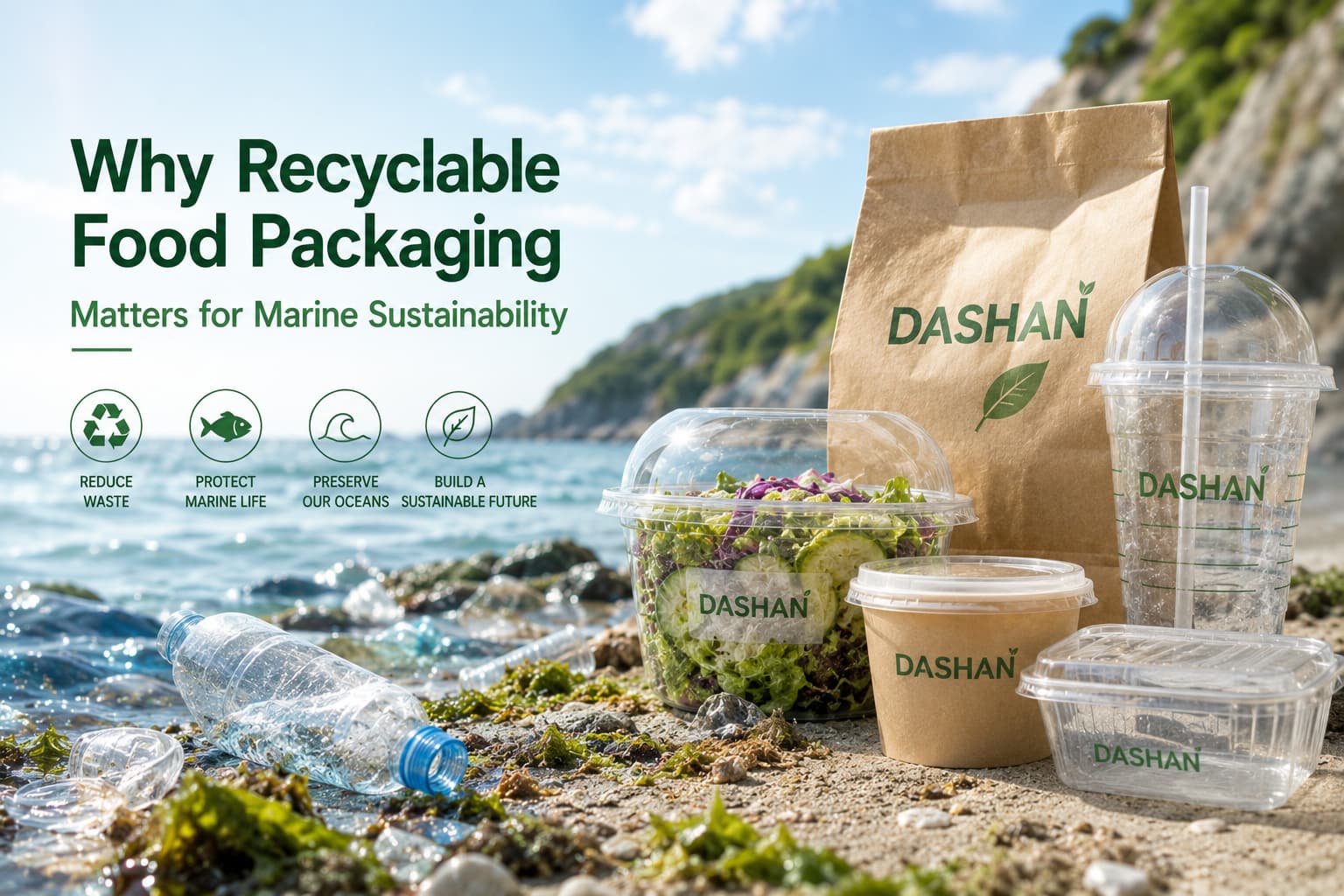
Recyclable food packaging is becoming increasingly important for marine sustainability as global industries work to reduce packaging waste leakage into oceans and coastal ecosystems. With the growth of takeaway culture and food delivery services, recyclable PET, rPET, and lightweight food packaging systems are helping support circular economy goals while maintaining food safety, operational efficiency, and environmental responsibility.
Marine sustainability has become one of the most important environmental priorities worldwide. Governments, environmental organizations, businesses, and consumers are paying increasing attention to the growing impact of waste on oceans and coastal ecosystems. Among the many environmental concerns linked to marine pollution, packaging waste has become one of the most visible and widely discussed challenges.
Food packaging plays a particularly important role in this conversation because it is used daily on a massive scale across restaurants, supermarkets, cafes, convenience stores, takeaway businesses, and food delivery platforms. Disposable cups, containers, lids, trays, and cutlery support modern convenience and food safety, but improperly managed packaging waste can also contribute to long-term environmental problems when it enters waterways and marine environments.
As global food consumption patterns continue shifting toward takeaway and on-the-go lifestyles, the packaging industry is facing increasing pressure to improve sustainability performance without compromising hygiene, operational efficiency, or food protection.
This is why recyclable food packaging is becoming increasingly important. Rather than focusing only on eliminating materials entirely, many industries are now prioritizing recyclable systems, resource efficiency, and circular packaging strategies that can reduce environmental leakage while maintaining practical performance for modern foodservice operations.
Marine Pollution Has Become a Global Environmental Concern
Ocean pollution is no longer viewed as a distant environmental issue affecting only coastal regions. It has become a global challenge linked to waste management systems, urban consumption patterns, tourism activity, and industrial production.
According to multiple international environmental studies, large amounts of plastic waste continue entering marine environments every year through rivers, coastal dumping, and inadequate waste collection systems. Packaging materials are frequently identified during marine cleanup operations because food and beverage packaging is widely consumed and often discarded outside controlled recycling systems.
Marine debris can create serious environmental pressure on:
- coastal ecosystems,
- marine wildlife,
- fisheries,
- and tourism industries.
Sea turtles, seabirds, and marine mammals are among the species most commonly affected by marine plastic pollution. In many coastal regions, tourism industries also face increasing economic pressure caused by polluted beaches and environmental degradation.
| Marine Pollution Issue | Packaging Industry Relevance |
|---|---|
| Ocean plastic waste | Need for recyclable packaging |
| Wildlife exposure | Reduced packaging leakage into ecosystems |
| Landfill overflow | Improved recycling systems |
| Resource waste | Circular packaging development |
At the same time, global awareness surrounding ocean sustainability has increased significantly. Environmental campaigns, documentaries, and international sustainability initiatives have helped consumers better understand the connection between everyday packaging consumption and long-term environmental impact.
This growing awareness is directly influencing how businesses approach food packaging development.
Foodservice and Takeaway Industries Face Growing Responsibility
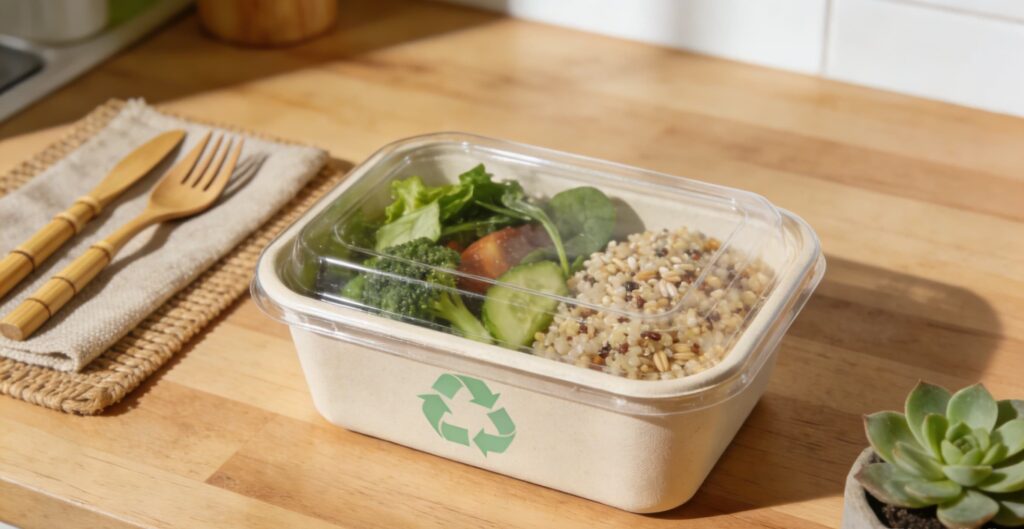
The expansion of takeaway culture and food delivery services has dramatically increased food packaging consumption worldwide.
Restaurants, cafes, convenience stores, and beverage chains rely heavily on disposable packaging systems because they provide:
- portability,
- food protection,
- hygiene,
- and operational efficiency.
The growth of online food delivery platforms has accelerated this trend even further. Meals that were once served on reusable tableware inside restaurants are now frequently transported through disposable packaging systems designed for delivery convenience.
👉You can click here to read: Understanding the EU Single-Use Plastics Directive for Food Packaging
However, this growth has also increased environmental pressure on the foodservice industry.
Single-use beverage cups, takeaway containers, lids, sauce cups, and cutlery are now consumed at extremely large volumes in many urban markets. In tourism-heavy coastal cities, seasonal foodservice activity can generate especially high levels of packaging waste.
Despite these challenges, food packaging cannot simply disappear.
Packaging still plays an essential role in:
- protecting food safety,
- preventing contamination,
- extending shelf life,
- reducing food waste,
- and improving transportation efficiency.
For example, inadequate packaging can increase food spoilage during transportation, leading to higher levels of wasted food production — which also creates environmental impact.
Because of this, the industry increasingly recognizes that the goal is not simply removing packaging entirely, but developing packaging systems that are more recyclable, resource-efficient, and compatible with circular economy models.
Recyclability Is Becoming More Important Than Simple Material Reduction
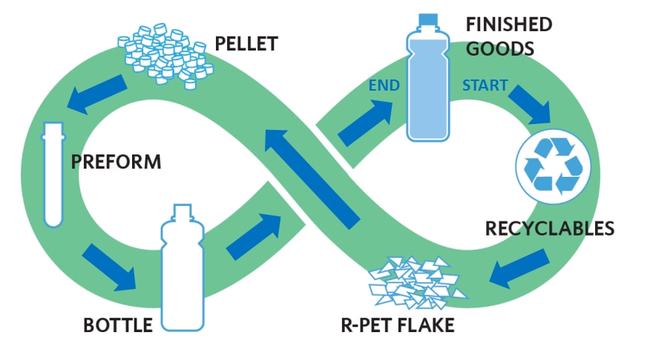
Public discussions about packaging sustainability often focus heavily on reducing plastic usage. While material reduction remains important, sustainability experts increasingly emphasize that recyclability and lifecycle efficiency are equally critical.
Not all packaging materials perform the same way in foodservice environments.
For many applications, recyclable plastics such as PET, rPET, and PP continue offering important advantages because they combine:
- lightweight performance,
- food safety,
- durability,
- and recycling compatibility.
For example, PET beverage cups remain widely used because they provide high transparency and strong structural performance while also being recyclable in many markets.
Meanwhile, rPET packaging incorporates recycled content into new packaging production, helping reduce dependence on virgin plastic materials.
| Packaging Approach | Sustainability Benefit |
|---|---|
| Recyclable PET | Supports material recovery |
| rPET packaging | Reduces virgin plastic demand |
| Mono-material packaging | Easier recycling |
| Lightweight packaging | Lower carbon footprint |
Lightweight packaging also contributes to environmental efficiency by reducing transportation weight and lowering fuel consumption during logistics operations.
This is why many packaging companies are increasingly focusing on “design for recycling” strategies. These approaches aim to improve:
- material recovery efficiency,
- recyclability compatibility,
- and circular packaging performance.
Rather than evaluating sustainability based only on whether a material is plastic or paper, businesses are increasingly considering the full packaging lifecycle.
Governments and Environmental Policies Are Accelerating Change
Marine sustainability concerns are increasingly influencing government regulations and packaging policies worldwide.
Many countries are introducing stricter environmental rules related to:
- single-use plastics,
- recycling systems,
- recycled-content targets,
- and packaging waste reduction.
The European Union continues expanding circular economy regulations designed to improve packaging recyclability and reduce environmental leakage. Several countries in Asia-Pacific are also strengthening packaging sustainability requirements as marine pollution concerns grow.
Extended Producer Responsibility (EPR) systems are becoming more common as well. Under these systems, businesses may become partially responsible for the collection, recycling, or disposal costs associated with packaging waste.
International environmental organizations are also increasing pressure on industries to reduce packaging waste entering marine ecosystems.
For food packaging manufacturers and exporters, sustainability compliance is becoming increasingly important because retailers, hospitality groups, and international buyers are demanding higher environmental standards throughout supply chains.
Businesses that adapt early may gain advantages in:
- export competitiveness,
- retailer cooperation,
- and long-term brand trust.
Consumers Increasingly Connect Packaging with Ocean Protection
Consumer behavior has changed significantly as awareness of marine pollution has increased.
Many consumers now actively notice:
- recyclability labels,
- reduced-plastic packaging,
- recycled-content packaging,
- and environmental messaging.
For younger consumers especially, sustainable packaging is often associated with:
- responsible business practices,
- environmental awareness,
- and modern brand values.
This shift is influencing packaging decisions across foodservice industries.
Restaurants and beverage brands increasingly promote recyclable takeaway packaging as part of broader sustainability initiatives. Hospitality companies operating in coastal tourism markets are also under pressure to reduce visible packaging waste because environmental image directly affects tourism appeal.
Seafood packaging provides another important example. Consumers purchasing seafood products are often especially sensitive to ocean sustainability messaging, making recyclable packaging particularly important in this category.
As a result, packaging is increasingly becoming part of how brands communicate environmental responsibility to customers.
Packaging Innovation Is Supporting Marine Sustainability Goals
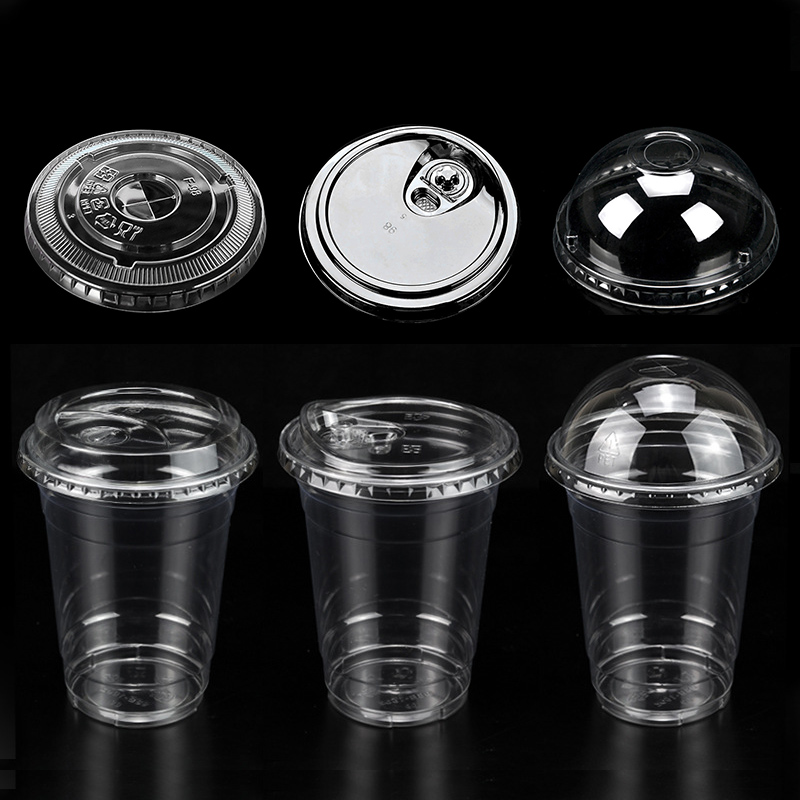
The packaging industry is continuing to invest heavily in technologies and materials that improve recyclability and reduce environmental impact.
Several important trends are shaping packaging innovation today.
Recyclable PET and rPET Expansion
More foodservice companies are adopting recyclable PET and rPET packaging systems to support circular material usage.
Lightweight Engineering
Reducing packaging weight helps decrease raw material consumption and transportation emissions.
Mono-Material Packaging
Simplified packaging structures improve recycling efficiency because they are easier to sort and process.
Improved Packaging Design
Manufacturers are redesigning lids, trays, and containers to reduce unnecessary material usage while maintaining structural performance.
Manufacturers such as DASHAN are developing recyclable food packaging solutions designed to balance:
- operational functionality,
- food protection,
- presentation quality,
- and environmental responsibility for modern foodservice industries.
This balance is increasingly important because packaging must still perform reliably in high-volume takeaway and delivery environments while supporting sustainability goals.
Recyclable Packaging Alone Cannot Solve Marine Pollution
Although recyclable packaging is important, it is not a complete solution by itself.
Recycling systems still face major challenges globally, including:
- inconsistent collection infrastructure,
- contamination during disposal,
- limited recycling participation,
- and differences in local recycling capabilities.
In some regions, consumers remain uncertain about how to properly sort packaging waste. Food contamination can also reduce recycling efficiency if containers are not disposed of correctly.
Because of this, marine sustainability requires cooperation across multiple sectors, including:
- packaging manufacturers,
- governments,
- foodservice operators,
- waste management systems,
- and consumers themselves.
Packaging innovation must therefore work together with:
- better recycling education,
- stronger collection systems,
- and improved waste management infrastructure.
Long-term sustainability depends on reducing environmental leakage throughout the entire packaging lifecycle.
The Future of Marine-Focused Packaging Development
Future packaging development will likely focus increasingly on circular economy principles and marine sustainability goals.
Several trends are expected to become more important over the coming years:
- higher recycled-content usage,
- improved material recovery systems,
- lightweight high-performance packaging,
- smart recycling labels,
- and packaging traceability technologies.
At the same time, businesses will continue balancing environmental goals with operational realities such as:
- food safety,
- transportation durability,
- consumer convenience,
- and cost efficiency.
The most successful packaging systems will likely be those capable of combining:
- recyclability,
- functionality,
- resource efficiency,
- and scalable manufacturing performance.
FAQ
1. Why is recyclable food packaging important for marine sustainability?
Recyclable food packaging helps reduce packaging waste entering oceans and coastal environments by supporting material recovery and circular economy systems.
2. How does food packaging contribute to marine pollution?
Improperly managed packaging waste can enter rivers, drainage systems, and oceans through littering, poor waste collection infrastructure, and inadequate recycling systems.
3. Why can recyclable plastics still be considered sustainable?
Materials such as PET and rPET can support sustainability goals because they are lightweight, recyclable, resource-efficient, and compatible with many existing recycling systems.
4. What is rPET food packaging?
rPET packaging is made using recycled PET material, helping reduce dependence on virgin plastic production while supporting circular packaging development.
5. Why can’t food packaging simply be eliminated?
Food packaging remains essential for hygiene, food protection, shelf-life extension, transportation safety, and reducing food waste in modern foodservice systems.
6. What is mono-material packaging?
Mono-material packaging uses a single material type, which improves recycling efficiency compared with complex multi-layer packaging structures.
7. How are governments influencing sustainable packaging development?
Many governments are introducing regulations involving recyclable packaging targets, plastic reduction initiatives, Extended Producer Responsibility (EPR), and circular economy policies.
Conclusion
Marine sustainability is becoming one of the defining environmental priorities of the modern packaging industry.
As foodservice, takeaway, and delivery markets continue expanding globally, recyclable food packaging is playing an increasingly important role in reducing packaging waste leakage and supporting circular economy development.
Sustainable progress will require more than material reduction alone. Long-term improvement depends on:
- recyclable packaging systems,
- efficient waste management,
- responsible consumer behavior,
- and continued packaging innovation.
At the same time, food packaging must still maintain the hygiene, durability, and operational efficiency required by modern foodservice industries.
As global industries continue prioritizing ocean protection and environmental responsibility, companies such as DASHAN are developing recyclable PET, rPET, and PP food packaging solutions designed to support more responsible and sustainable foodservice systems for international markets.
References
- United Nations Environment Programme – Marine Plastic Pollution
- OECD Global Plastics Outlook
- Ellen MacArthur Foundation – Circular Economy and Plastics
- European Commission – Packaging and Packaging Waste
- PET Resin Association – PET Sustainability and Recycling
- Our World in Data – Plastic Pollution
- Pew Charitable Trusts – Breaking the Plastic Wave
- DASHAN Food Packing
Copyright Statement
© 2026 Dashan Packing. All rights reserved.
This article is an original publication by the Dashan Packing team based on industry research, market analysis, and packaging expertise. Unauthorized reproduction, distribution, or copying of this content is prohibited without prior written permission.
Dashan Packing is committed to delivering reliable, original, and professional information for the global food packaging industry.