

Quick Summary
The EU single-use plastics packaging directive is reshaping the global food packaging industry by enforcing strict bans, recycling targets, and compliance requirements. Businesses exporting to Europe must adapt to evolving regulations, including material restrictions, labeling rules, and EPR obligations.
While certain plastics like PET and PP remain allowed under conditions, alternatives such as bagasse are gaining traction as sustainable solutions. For importers and brands, working with a reliable EU food packaging manufacturer ensures regulatory compliance, cost control, and long-term market access. Companies that align early with EU food packaging regulations 2026 will gain a significant competitive advantage.
Introduction: Why the EU Single-Use Plastics Directive Matters in 2026
In recent years, the global conversation around plastic waste has shifted from awareness to regulation. Nowhere is this transformation more evident than in the European Union, where policymakers have implemented one of the most comprehensive regulatory frameworks targeting disposable plastics.
The EU single-use plastics packaging landscape is no longer defined solely by material choice or cost efficiency. Instead, it is driven by compliance, sustainability metrics, and long-term environmental accountability.
According to European environmental data, the ten most common single-use plastic items account for approximately 70% of all marine litter in Europe . A significant portion of these items is directly linked to food packaging—particularly takeaway containers, beverage cups, and food trays.
For food packaging manufacturers, exporters, and brand owners, understanding the EU food packaging regulations 2026 is no longer optional. It is a prerequisite for market access.
At the same time, the directive is not just a restriction—it is also an opportunity. Companies that adapt early can position themselves as EU compliant packaging suppliers, gaining a competitive advantage in a rapidly evolving market.
What Is the EU Single-Use Plastics Directive (SUPD)?
Definition and Scope
The EU Single-Use Plastics Directive (Directive (EU) 2019/904) is a legislative framework adopted in 2019 to reduce the environmental impact of disposable plastic products.
It applies to a wide range of everyday products, including:
- Food containers
- Beverage cups and lids
- Plastic cutlery and plates
- Straws and stirrers
- Packaging materials used in takeaway and delivery
Importantly, the directive covers plastics regardless of origin. This includes fossil-based, bio-based, and even certain biodegradable plastics.
This is why many buyers searching for what products are banned under EU SUPD often misunderstand the scope—biodegradable does not automatically mean compliant.
Key Objectives of the Directive

The directive is built around three core objectives:
- Reduce plastic waste generation
- Promote circular economy systems
- Increase recycling efficiency and material recovery
For example:
- PET bottles must achieve 77% collection by 2025
- Minimum 25% recycled content in PET bottles by 2025, increasing to 30% by 2030
These targets directly impact packaging design, material sourcing, and supply chain decisions.
Timeline and Implementation Across EU Countries
Key Milestones (2021–2030)
The rollout of the directive follows a phased timeline:
| Year | Regulation Milestone |
|---|---|
| 2021 | Ban on selected SUP items (cutlery, straws, EPS containers) |
| 2024 | Mandatory tethered caps for beverage containers |
| 2025 | 25% recycled content requirement (PET bottles) |
| 2026 | Consumption reduction targets for food containers |
| 2030 | 30% recycled content target |
These milestones define the compliance roadmap for any food packaging factory for Europe market.
Differences in National Implementation
While the directive sets EU-wide goals, each member state implements it differently.
For example:
- France enforces stricter bans on certain packaging formats
- Germany emphasizes EPR cost recovery systems
- Italy allows certain compostable plastics under conditions
This variation creates complexity for exporters and increases demand for reliable EU food packaging manufacturers who understand local nuances.
Which Food Packaging Products Are Affected?
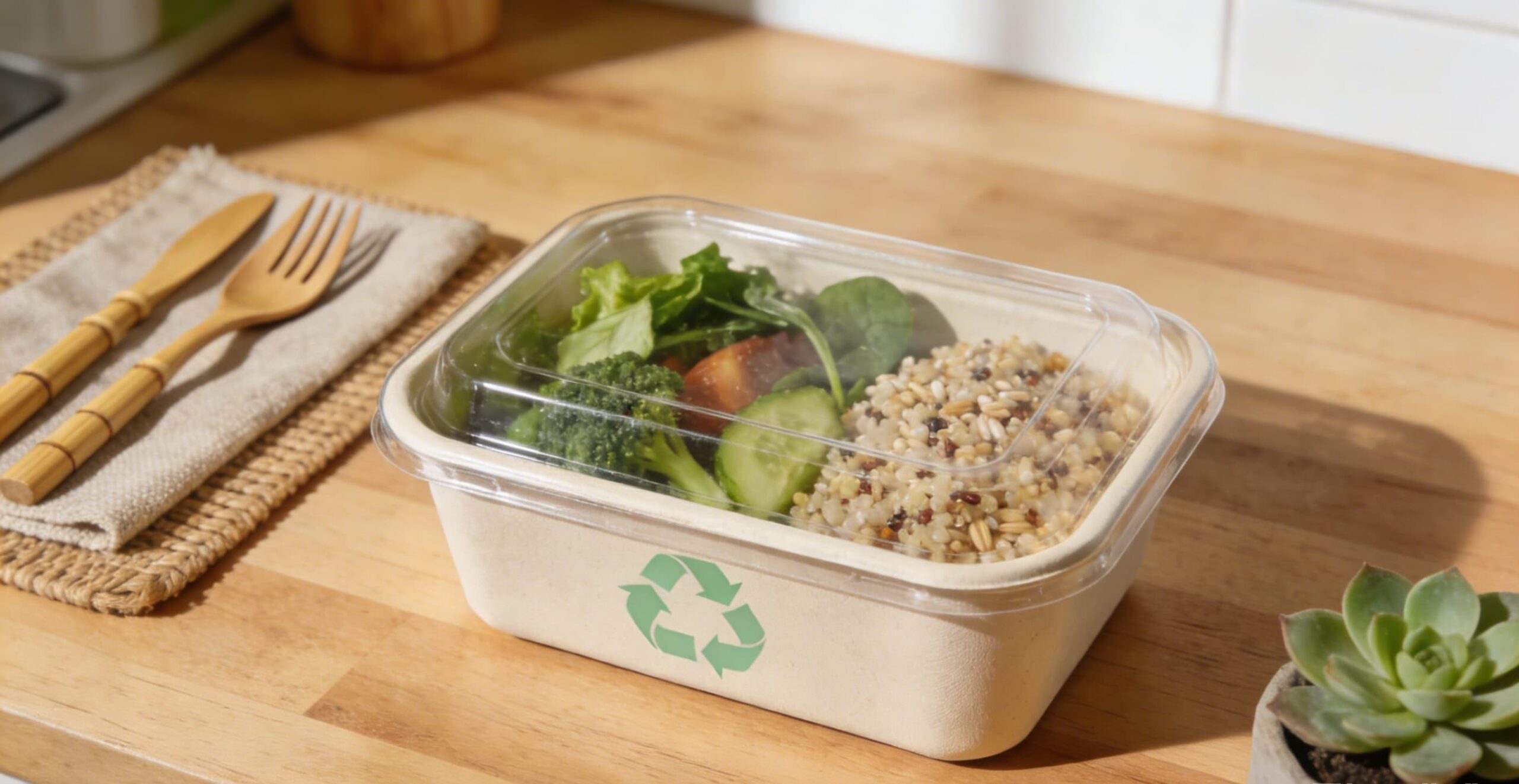
Fully Banned Items
Products banned across the EU include:
- Plastic cutlery
- Straws and stirrers
- Expanded polystyrene (EPS) food containers
- Oxo-degradable plastics
These bans apply where sustainable alternatives are widely available .
Keywords naturally embedded here include:
- banned plastic food packaging EU
- EPS food containers EU ban
Restricted but Not Fully Banned
Certain products are still allowed but regulated:
- PET cups
- PP takeaway containers
- Food trays
These must comply with:
- Labeling requirements
- Recycling compatibility
- EPR obligations
This is where terms like EU compliant PET food containers and PP food packaging EU regulations become critical in sourcing decisions.
Products Allowed with Conditions
Some plastic packaging remains viable if it meets strict criteria:
- Recyclable mono-material structures
- Inclusion of recycled content
- Design for disassembly
This creates opportunities for suppliers offering wholesale EU compliant packaging supplier solutions.
Material Comparison Under SUPD Compliance
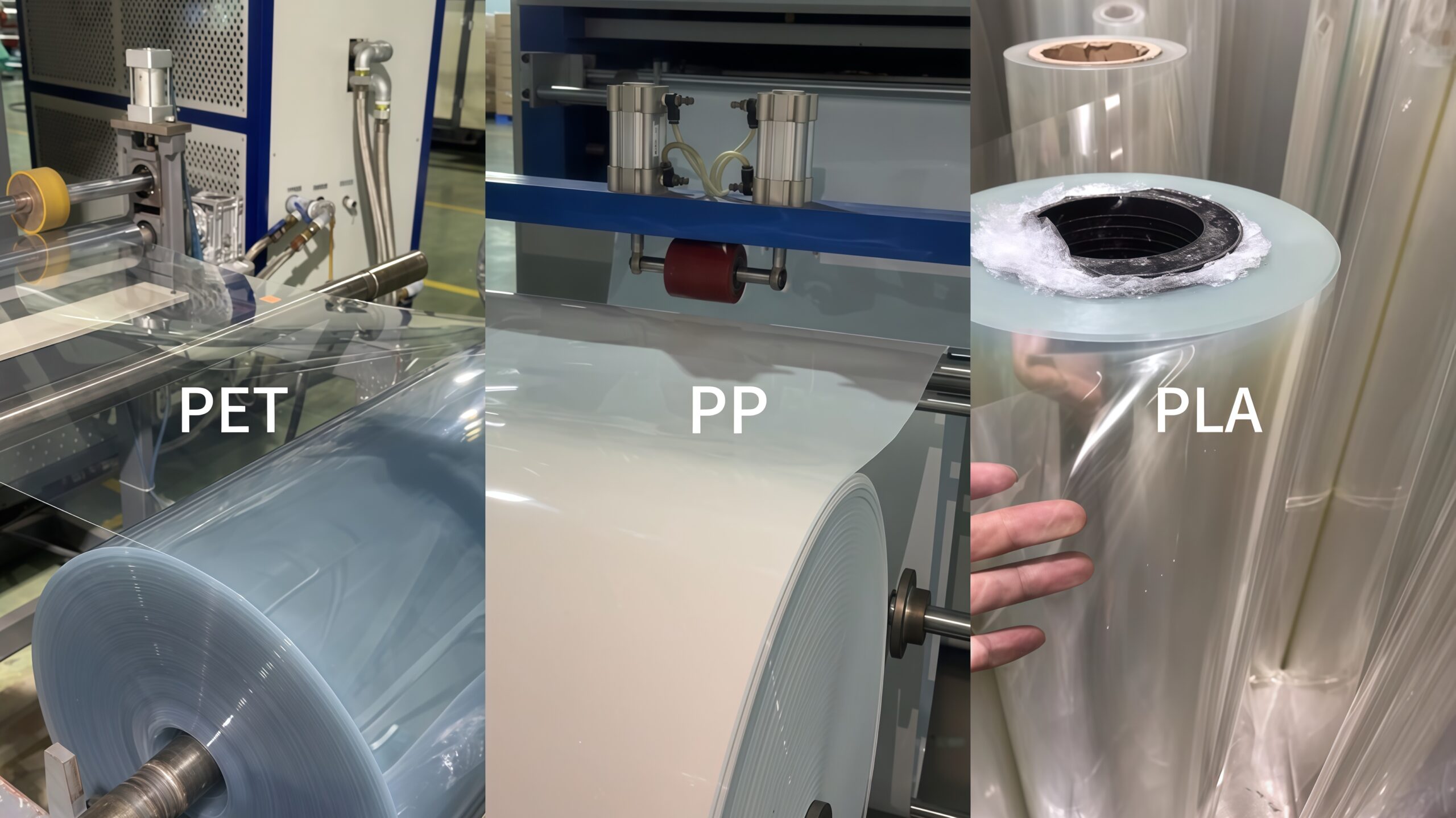
Material selection is now one of the most strategic decisions in packaging design.
Plastic vs Alternative Materials
| Material | Compliance Status | Recyclability | Cost Level | Typical Use |
|---|---|---|---|---|
| PET | Allowed with requirements | High | Medium | Cold cups, lids |
| PP | Allowed | Medium | Low | Takeaway containers |
| PLA | Limited acceptance | Low (industrial only) | High | Cold beverage cups |
| Bagasse | Preferred alternative | Compostable | Medium | Food trays, meal boxes |
Key Insights
- PET remains dominant due to recyclability and infrastructure compatibility
- PP is cost-effective but faces long-term regulatory pressure
- PLA is often misunderstood—industrial composting limits real-world compliance
- Bagasse is emerging as a leading sustainable food packaging alternative Europe
Labeling, Marking, and Design Requirements
Mandatory Marking Rules
Since July 2021, certain products must carry standardized markings.
This applies to:
- Beverage cups
- Wet wipes
- Tobacco filters
The purpose is to inform consumers about environmental impact and disposal methods .
Relevant keyword integration:
- EU plastic labeling requirements food packaging
- SUPD marking requirements cups and containers
Design for Recycling
Design requirements now include:
- Attached caps (tethered lids)
- Reduced material complexity
- Increased recyclability
This shifts packaging design from aesthetics to lifecycle engineering.
Recycled Content and EPR Requirements
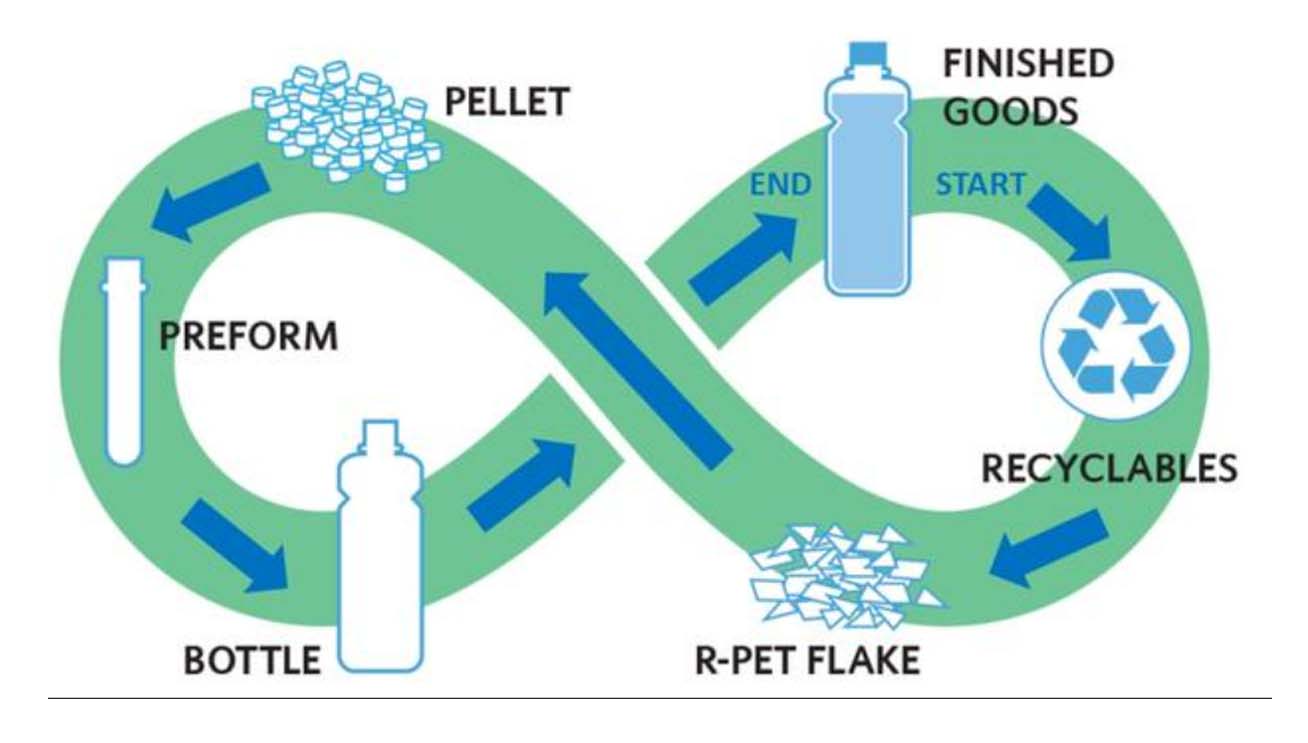
Minimum Recycled Content Targets
The directive mandates increasing recycled content:
- 25% by 2025
- 30% by 2030
This requirement directly affects sourcing strategies for EU compliant packaging manufacturer.
Extended Producer Responsibility (EPR)
EPR shifts the financial burden of waste management to producers.
Companies must:
- Register in EU countries
- Pay recycling fees
- Report packaging volumes
This creates new cost structures under:
- EPR packaging Europe cost
- EU plastic tax food packaging
Real Business Impact: Importers, Brands, and Manufacturers
Case Scenario 1: EU Importer
An importer sourcing non-compliant packaging may face:
- Shipment rejection
- Financial penalties
- Brand damage
Case Scenario 2: Food Chain Brand
A fast-food chain transitioning from EPS to fiber-based packaging may see:
- 15–30% cost increase
- Improved brand perception
- Regulatory compliance stability
Case Scenario 3: Chinese Manufacturer
A China food packaging factory EU compliance strategy typically involves:
- Switching to recyclable materials
- Obtaining SGS / EU testing reports
- Redesigning product structures
Companies like DASHAN, for example, integrate material innovation with regulatory alignment, enabling smoother entry into EU markets.
How to Choose a Reliable EU-Compliant Food Packaging Supplier
Key Evaluation Criteria
When selecting a reliable EU food packaging manufacturer, buyers should evaluate:
- Compliance certifications (EU, FDA)
- Material traceability
- Production consistency
- Testing documentation
Common Mistakes Buyers Make
- Focusing only on price
- Ignoring labeling requirements
- Accepting incomplete compliance documentation
A trusted bulk EU compliant packaging supplier should proactively provide compliance support—not just products.
Industry Trends: The Future of Food Packaging in Europe
Shift Toward Fiber-Based Materials
Bagasse and paper-based packaging are rapidly replacing plastic in many applications.
Reusable Packaging Systems
Deposit-return systems are gaining traction in urban foodservice models.
Smart Packaging and Digital Labels
Emerging innovations include:
- QR-based recycling instructions
- Digital compliance tracking
Keywords embedded:
- future of EU food packaging sustainability
- eco friendly food packaging Europe trends
Challenges and Misconceptions About SUPD
“Biodegradable Means Compliant”
False. Many biodegradable plastics do not meet EU waste infrastructure requirements.
“All Plastics Are Banned”
Incorrect. The directive focuses on high-impact items, not all plastics.
Cost vs Compliance Trade-Off
Short-term cost increases often lead to long-term market access advantages.
Practical Checklist for Compliance
A simplified EU food packaging compliance checklist:
- Material meets EU standards
- Product design supports recycling
- Proper labeling applied
- EPR registration completed
- Testing documentation verified
FAQ
1. What is included in EU single-use plastics packaging?
It includes disposable plastic products such as food containers, beverage cups, lids, and takeaway packaging that are regulated under EU Directive (EU) 2019/904.
2. Are all plastic food packaging products banned in the EU?
No. Only specific high-impact items like EPS containers and plastic cutlery are banned. Materials such as PET and PP are still allowed under compliance conditions.
3. What are the safest materials for EU food packaging compliance?
Currently, recyclable materials like PET and PP, as well as fiber-based materials such as bagasse, are considered reliable choices for meeting EU requirements.
4. What is EPR and why is it important?
Extended Producer Responsibility (EPR) requires companies to take financial responsibility for packaging waste management. It is mandatory for most businesses selling packaging in Europe.
5. How can I find a reliable EU food packaging manufacturer?
Look for suppliers with verified EU compliance certifications, material traceability, and experience exporting to Europe. A qualified food packaging factory for Europe market should also provide testing reports and regulatory support.
6. Is biodegradable packaging automatically compliant in the EU?
No. Many biodegradable materials do not meet EU waste infrastructure requirements and may not be accepted unless certified for industrial composting.
Conclusion
The transition driven by the EU single-use plastics packaging directive is not simply about replacing materials—it represents a structural shift toward circular economy principles and responsible production.
For buyers, importers, and global brands, compliance is now directly linked to supply chain stability and market eligibility. Choosing the right materials, understanding regulatory timelines, and partnering with an experienced EU compliant packaging manufacturer are critical steps in avoiding costly disruptions.
At the same time, this regulatory landscape creates new opportunities. Suppliers that invest in sustainable innovation, such as recyclable plastics and fiber-based alternatives, are better positioned to support long-term growth in Europe.
Manufacturers like DASHAN, with experience in export-oriented production and compliance-focused design, can help bridge the gap between cost efficiency and regulatory alignment—enabling clients to scale confidently in the European market.
References
- European Commission – Single-Use Plastics Directive
https://environment.ec.europa.eu/topics/plastics/single-use-plastics_en - Directive (EU) 2019/904 Official Text
https://eur-lex.europa.eu/eli/dir/2019/904/oj - European Commission – SUPD Marking Requirements
https://environment.ec.europa.eu/topics/plastics/single-use-plastics/sups-marking-specifications_en - European Environment Agency – Plastics and Circular Economy
https://www.eea.europa.eu/themes/waste/plastic-waste - OECD – Global Plastics Outlook
https://www.oecd.org/environment/plastics/ - Ellen MacArthur Foundation – Global Commitment on Plastics
https://ellenmacarthurfoundation.org/topics/plastics/overview
Copyright Statement
© 2026 Dashan Packing. All rights reserved.
This article is an original work created by the Dashan Packing editorial team.
All text, data, and images are the result of our independent research, industry experience,
and product development insights. Reproduction or redistribution of any part of this content
without written permission is strictly prohibited.
Dashan Packing is committed to providing accurate, evidence-based information and
to upholding transparency, originality, and compliance with global intellectual property standards.