

Quick Summary
Food packaging failures are rarely caused by poor quality materials. They occur when materials are oversimplified and applied outside their performance boundaries. Heat, moisture, oil, and time define packaging success—not material labels like “plastic-free” or “compostable.” Choosing materials based on real use conditions is the only reliable way to reduce leakage, deformation, and waste.
1. Introduction: When “Simple Choices” Cause Real Packaging Problems
In food packaging, failures rarely come from poor manufacturing quality. More often, they originate from a much earlier decision: choosing the wrong material for the wrong job.
As sustainability pressure increases, many brands are tempted by simplified answers. “Plastic-free.” “100% compostable.” “One tray for all menus.” These phrases feel decisive, responsible, and easy to communicate. But in real food operations—where heat, moisture, oil, delivery time, and reheating all interact—simplification often becomes the root cause of leakage, deformation, food safety complaints, and brand damage.
The uncomfortable truth is this:
Packaging does not fail because materials are bad. It fails because materials are mismatched.
This article explains why oversimplifying material choices creates real-world packaging failures—and how buyers can avoid them by thinking in terms of performance boundaries instead of material labels.
2. Why Buyers Are Pushed Toward Oversimplified Material Decisions
2.1 Sustainability Messaging vs. Operational Reality
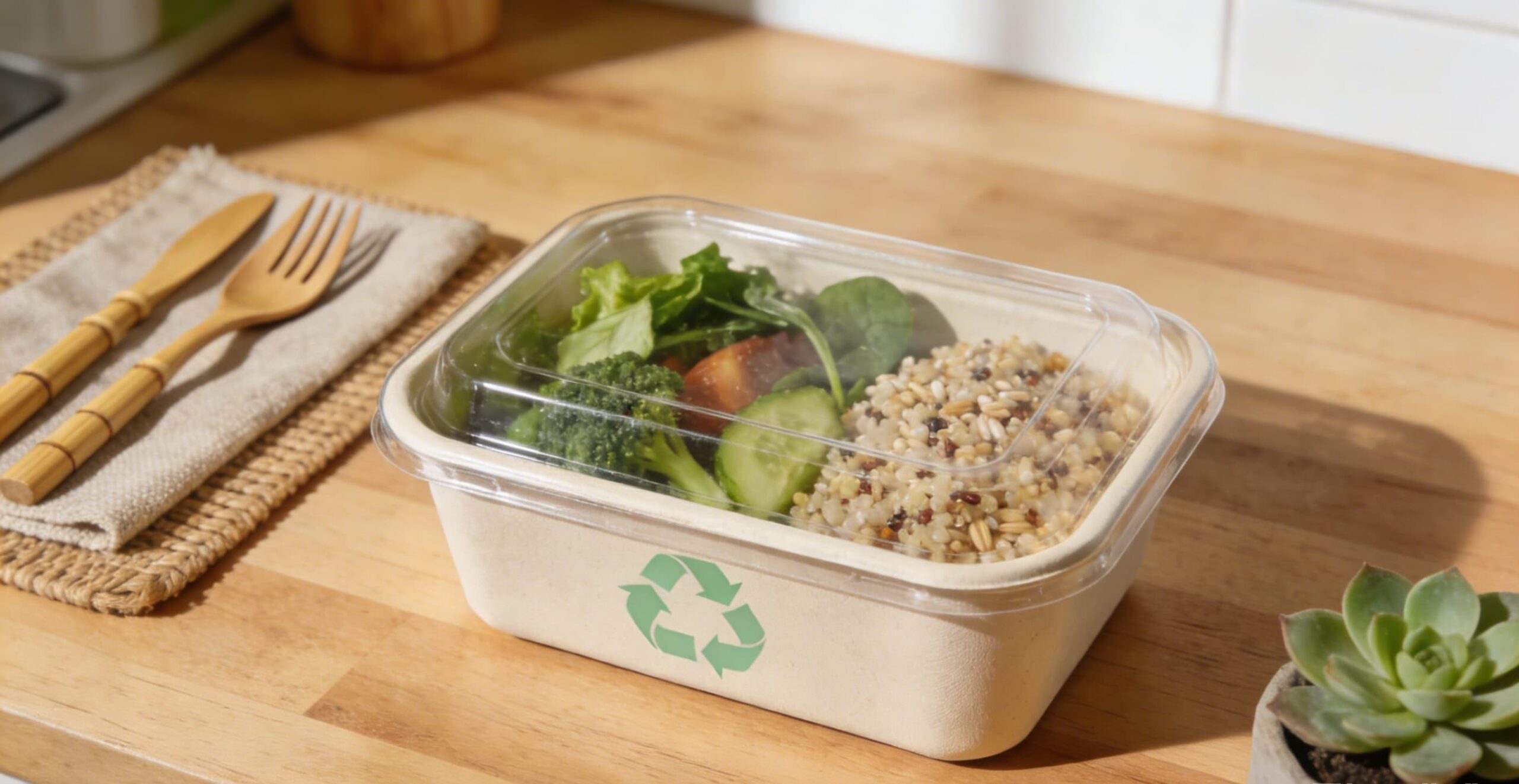
Modern packaging decisions are heavily influenced by sustainability narratives. Labels such as eco-friendly, green, plastic-free, or compostable compress complex material science into emotional shortcuts.
While well-intentioned, these labels often hide critical performance limitations:
-
Compostable materials may not tolerate heat.
-
Fiber-based packaging may absorb moisture.
-
Bio-based plastics may soften under stress.
In marketing, clarity matters. In operations, oversimplification is dangerous.
2.2 Internal Procurement Pressures
Many procurement teams face pressure to:
-
Reduce SKUs
-
Consolidate suppliers
-
Standardize materials across menus
This creates a natural bias toward “one material for everything.” The logic is understandable—but food packaging is not a uniform system. A tray that works for cold salads may fail catastrophically for hot rice dishes or long-distance delivery.
Cost savings at the procurement stage often translate into higher costs later: returns, customer complaints, repackaging, and brand erosion.
2.3 Regulatory Misinterpretation
Another driver of oversimplification is misunderstanding regulations. Many buyers assume policies “ban” certain materials outright, when in reality most regulations govern use conditions, not material categories.
For example:
-
Plastics may be restricted for unnecessary applications, but allowed where performance and safety demand them.
-
Compostable materials may be encouraged, but not exempt from functional expectations.
When policy is interpreted emotionally rather than technically, material choices drift further away from real-world performance needs.
3. Food Packaging Is Defined by Conditions, Not Categories
3.1 The Four Real Stress Factors in Food Packaging
Every food packaging application can be defined by four stress factors:
-
Heat
-
Hot filling
-
Microwave reheating
-
Oven use
-
-
Moisture
-
Steam
-
Condensation
-
Sauces and soups
-
-
Oil & Fat Migration
-
Curries
-
Fried foods
-
Oily proteins
-
-
Time
-
Holding duration
-
Delivery distance
-
Secondary reheating
-
A material that performs well under one condition may fail completely under another.
3.2 Why Material Labels Don’t Predict Performance
Material categories are poor predictors of real performance:
-
Compostable does not mean heat-resistant
-
Plastic does not mean unsafe
-
Paper does not mean dry
Only performance testing under real conditions reveals whether a material is suitable.
Experienced manufacturers and suppliers rarely describe packaging by ideology. They describe it by temperature tolerance, moisture resistance, and structural stability.
4. Where Oversimplification Causes the Most Failures
4.1 Hot Food in “Eco” Materials
One of the most common failure scenarios occurs when hot foods are placed into fiber-based or compostable packaging designed primarily for cold or short-term use.
Typical outcomes include:
-
Warping after 10–20 minutes
-
Bottom softening due to steam
-
Oil seepage through fiber walls
These failures are often blamed on “poor quality,” when the real issue is exceeding the material’s thermal and moisture boundaries.
4.2 Long-Distance Delivery Scenarios
Delivery introduces compounded stress:
-
Stacked loads
-
Vehicle vibration
-
Temperature retention
-
Condensation inside sealed containers
Materials that perform well in dine-in environments may collapse during 45–60 minute delivery cycles. Lid deformation and seal failure are especially common when moisture builds up inside containers not designed for pressure differentials.
4.3 Reheating & Microwave Use
Another frequent failure point is reheating.
Consumers often assume all food packaging is microwave-safe. When packaging softens, releases odors, or deforms, trust is lost—even if the material was never designed for reheating.
The mismatch between consumer behavior and packaging capability creates reputational risk far beyond the cost of the container itself.
5. Case Comparison: Same Food, Different Outcomes
Consider these simplified comparisons:
Curry rice
- In bagasse: softening, oil penetration, bottom deformation
- In PP: stable structure, heat tolerance, no leakage

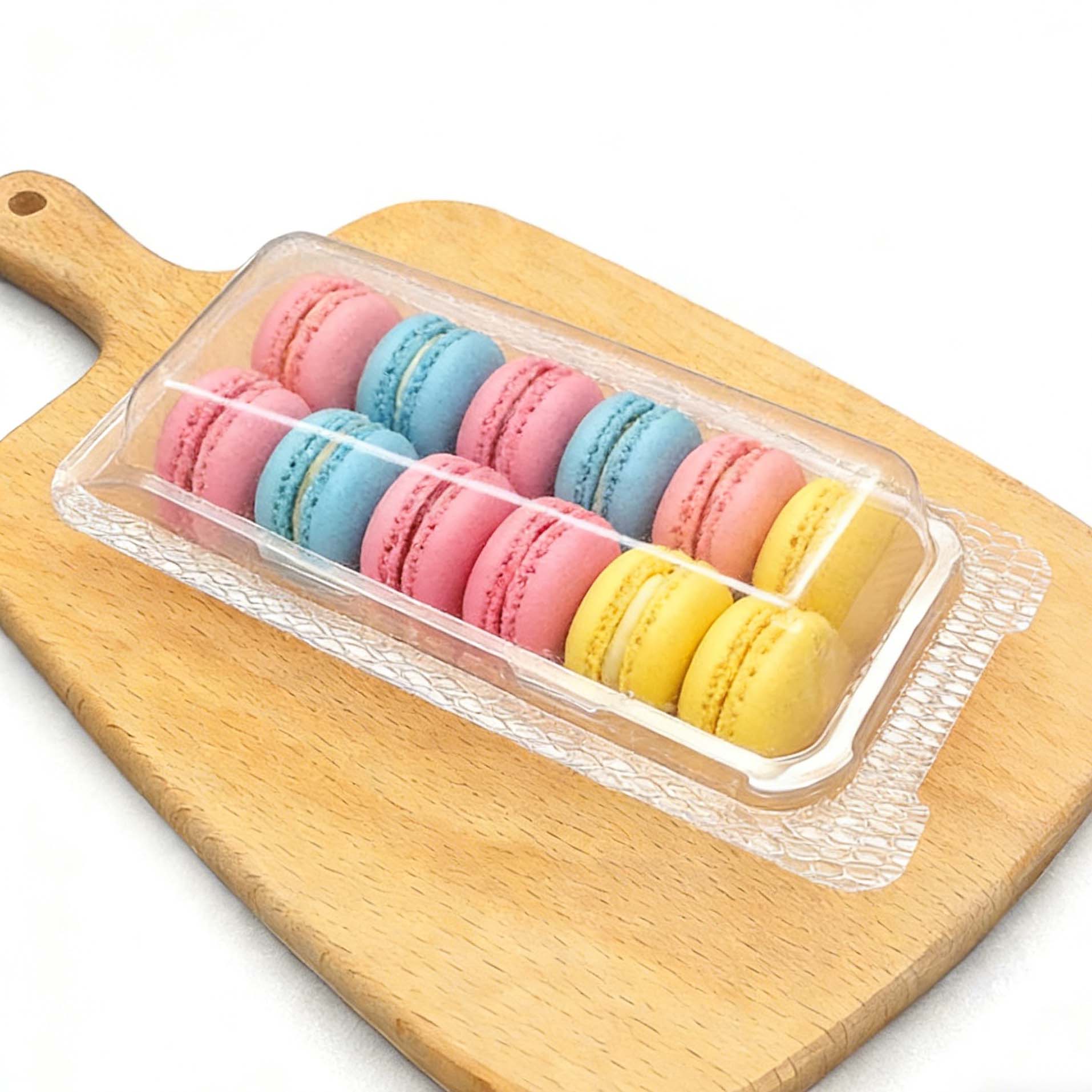
Cold desserts
- In PLA: clarity but deformation risk if temperature rises
- In PET: excellent clarity and structural integrity
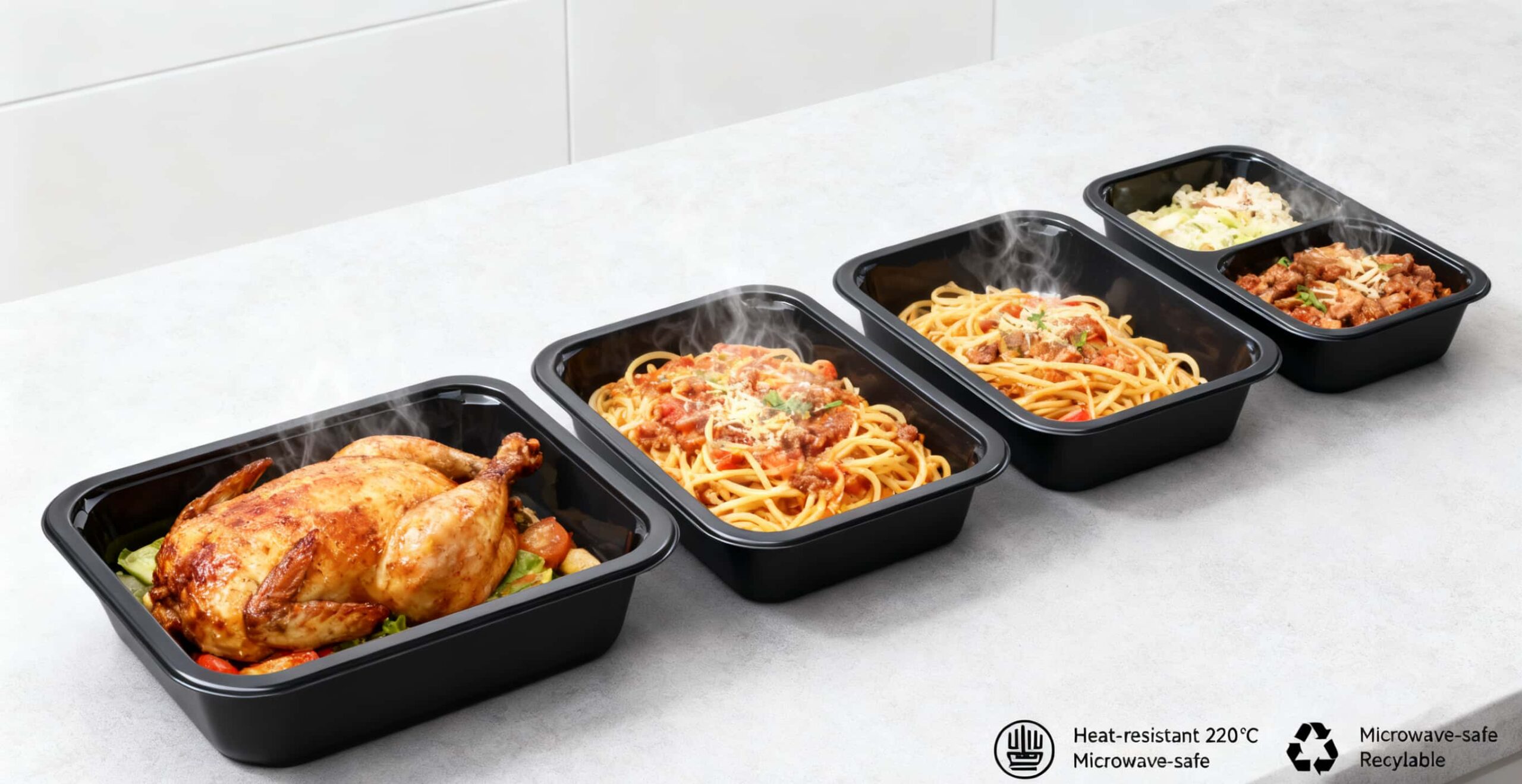
Airline meals
- In PET: deformation under oven heat
- In CPET: stable at 200°C+, industry standard
The food does not change. The outcome does—because the material boundary does.
6. Material Choice Is About Boundaries, Not Preferences
6.1 Defining “Use Boundaries”
Every packaging material has a performance envelope defined by:
-
Maximum safe temperature
-
Moisture tolerance duration
-
Load-bearing capacity
-
Intended lifecycle (serve only vs serve + reheat)
Problems arise when these boundaries are ignored or misunderstood.
6.2 Why Multi-Material Strategies Reduce Risk
Brands that rely on a single material often experience higher failure rates than those using scenario-based material selection.
Using different materials for:
-
Hot vs cold food
-
Dine-in vs delivery
-
Fresh vs reheated meals
reduces complaints, waste, and operational friction.
This approach may appear more complex, but it aligns packaging performance with actual food behavior.
7. Why Professional Suppliers Avoid Single-Material Recommendations
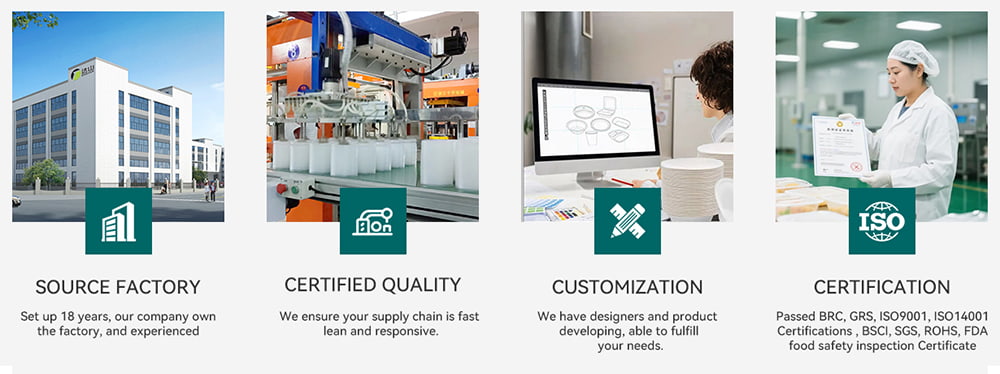
Experienced packaging manufacturers rarely push “one solution fits all.”
At DASHAN, for example, material recommendations are typically framed around:
-
Application temperature
-
Food moisture and oil content
-
Holding and delivery time
Rather than promoting one “best” material, DASHAN works across bagasse,cornstarch, PLA, PET, RPET, PP, and CPET—each selected for specific use boundaries.
This approach reflects industry reality: no material wins everywhere, but the right material wins in the right place.
8. How Buyers Should Rethink Packaging Decisions
8.1 Ask the Right Questions First
Before selecting materials, buyers should ask:
-
Will the food be served hot or cold?
-
How long before consumption?
-
Is reheating expected?
-
Will delivery be involved?
Material selection should follow these answers—not precede them.
8.2 Build a Material Decision Matrix
A simple decision matrix linking:
-
Food type
-
Use scenario
-
Material boundary
-
Risk level
can prevent most packaging failures before they happen.
This shifts decisions from emotional sustainability signaling to functional responsibility.
FAQ
1.Why does oversimplifying material choices lead to packaging failures?
Because food packaging operates under multiple stress factors—heat, moisture, oil, and time. A single material cannot perform equally well in all scenarios. Oversimplification ignores performance limits and causes deformation, leakage, or structural collapse.
2.Is choosing “eco-friendly” or compostable packaging enough?
No. Sustainability claims do not replace functional requirements. Compostable or fiber-based materials may fail under heat, long delivery times, or high moisture. Sustainable packaging must still meet real-world performance needs.
3.Why do the same foods perform differently in different packaging materials?
Because each material has specific use boundaries. For example, hot oily foods may deform bagasse but remain stable in PP. Cold desserts benefit from PET clarity, while CPET is required for oven use. The food stays the same—the material behavior changes.
4.Is using one material for all menu items a good idea?
Rarely. While it simplifies procurement, it increases failure risk. Multi-material strategies aligned with food temperature, delivery time, and reheating expectations consistently perform better in practice.
5.How does DASHAN approach material selection differently?
DASHAN focuses on application-based material matching rather than promoting a single material. By working with bagasse, PLA, PET, RPET, PP, and CPET, DASHAN helps brands select packaging based on actual food conditions and regulatory requirements.
Conclusion: Complexity Is Not the Enemy — Ignorance Is
Oversimplifying packaging materials feels efficient, but it creates hidden risk.
True sustainability is not achieved by forcing one material into every scenario. It is achieved by reducing failure, waste, and misuse through intelligent material matching.
The future of food packaging is not fewer choices—it is better decisions.
When packaging works as intended, nobody notices.
When it fails, everyone does.
References
-
U.S. Food and Drug Administration (FDA) – Food Contact Materials
https://www.fda.gov/food/packaging-food-contact-substances-food -
European Commission – Food Contact Materials (FCM)
https://food.ec.europa.eu/safety/chemical-safety/food-contact-materials_en -
PlasticsEurope – Food Packaging Applications & Performance
https://plasticseurope.org/knowledge-hub/food-packaging/ -
Smithers – Food Packaging Performance & Material Trends
https://www.smithers.com/industries/packaging
Copyright Statement
© 2026 Dashan Packing. All rights reserved.
This article is an original work created by the Dashan Packing editorial team.
All text, data, and images are the result of our independent research, industry experience,
and product development insights. Reproduction or redistribution of any part of this content
without written permission is strictly prohibited.
Dashan Packing is committed to providing accurate, evidence-based information and
to upholding transparency, originality, and compliance with global intellectual property standards.