

Quick Summary
Singapore’s plastic waste policies are pushing brands toward more functional material decisions, not just sustainable labels. The government’s regulations emphasize performance—ensuring packaging materials can handle heat, moisture, and extended delivery times. In this environment, materials like bagasse, PLA, and RPET are chosen based on their suitability for specific applications, not their “eco-friendly” labels. DASHAN supports this shift by offering a variety of materials, each tailored to different food types, temperature ranges, and use cases. Brands that adapt to these regulations with clear performance guidelines will remain compliant and efficient in the long term.
Introduction: Why Singapore’s Packaging Rules Matter Beyond Singapore
Singapore is often viewed as a test market for Asia’s future environmental regulations. With limited land, strict waste management controls, and a government-led sustainability roadmap, packaging policies introduced in Singapore tend to influence procurement decisions far beyond its borders.
For food brands, importers, and packaging buyers, Singapore’s approach is not simply about “banning plastic.” It is about forcing material decisions to align with real usage conditions, waste systems, and regulatory accountability.
This article examines what Singapore’s plastic regulations actually change for food packaging—and how companies like DASHAN, working across PP, PET, RPET, and bagasse solutions, interpret these changes from a material and application standpoint.
1. What Singapore’s “Plastic Ban” Really Is (and Is Not)
Unlike some countries that announce blanket bans, Singapore’s policy framework is more functional than ideological.
Key characteristics include:
-
No immediate total ban on all plastics
-
Strong emphasis on reduction, accountability, and correct material use
-
Mandatory reporting for packaging waste (including plastics)
-
Gradual pressure on unnecessary, low-performance, single-use plastics
In practice, this means:
-
Plastic is not automatically illegal
-
Wrong plastic for the wrong use is increasingly unacceptable
This distinction is critical for food packaging.
2. How the Regulations Directly Affect Food Packaging Decisions
2.1 Single-Use Is No Longer a Free Pass
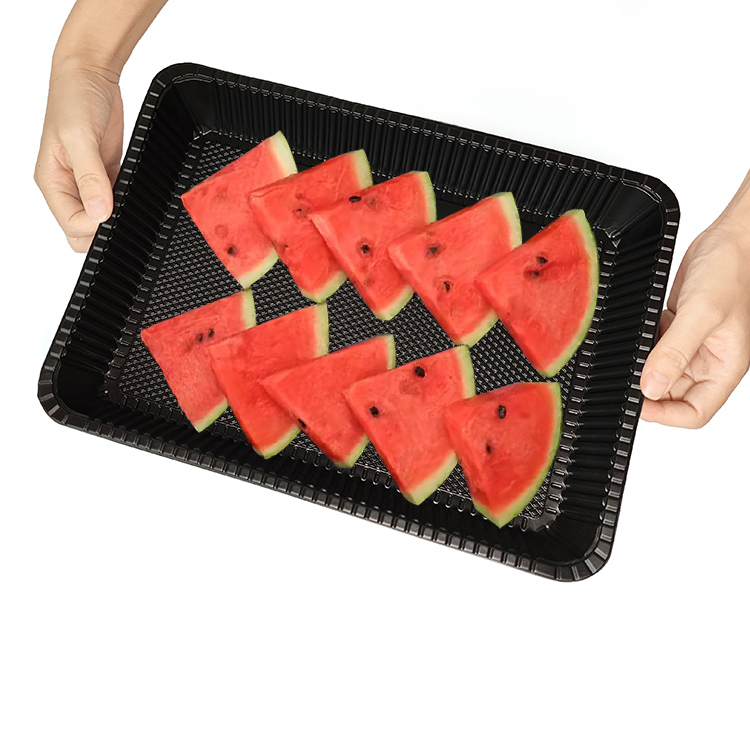
In Singapore, disposable food packaging is scrutinized not only by material type, but by:
-
Usage duration
-
Food temperature
-
Waste outcome (recyclable, compostable, landfill)
A container used for:
-
hot meals,
-
reheating,
-
airline catering,
-
or delivery over time
is evaluated very differently from a cold salad box or bakery lid.
This shifts buyer focus away from labels like “eco” or “plastic-free”, and toward functional compliance.
3. Why Material Choice Becomes More Important Than Material Category
Under Singapore’s framework, materials are judged by performance in real conditions, not marketing narratives.
3.1 Bagasse: Encouraged, but Not Universal

Bagasse is often positioned as a direct plastic replacement. In reality:
Strengths
-
Compostable
-
Plastic-free perception
-
Suitable for short-term hot food
Limitations
-
Moisture absorption over time
-
Structural weakening with oil + heat
-
Limited performance for long delivery or reheating
Singapore’s policies indirectly expose these limits by emphasizing actual usage duration, not just material origin.
3.2 PLA: Accepted, with Clear Boundaries
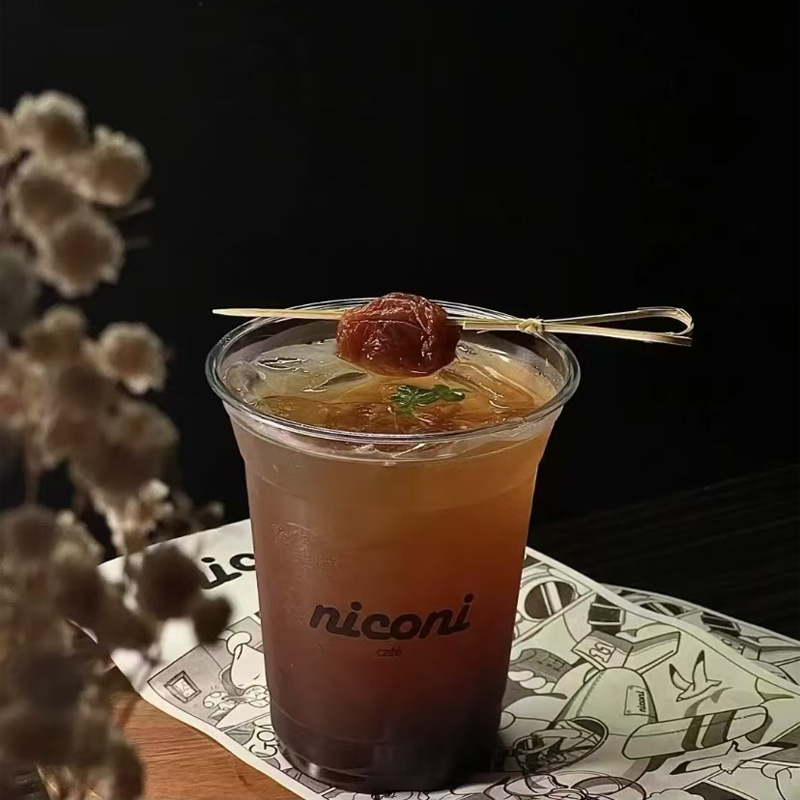
PLA is allowed and often promoted, but only when:
-
Used for cold or ambient food
-
Clearly labeled
-
Not exposed to heat
Heat deformation remains a compliance and user-experience risk.
3.3 PP, PET, RPET: Still Present—But Under Pressure
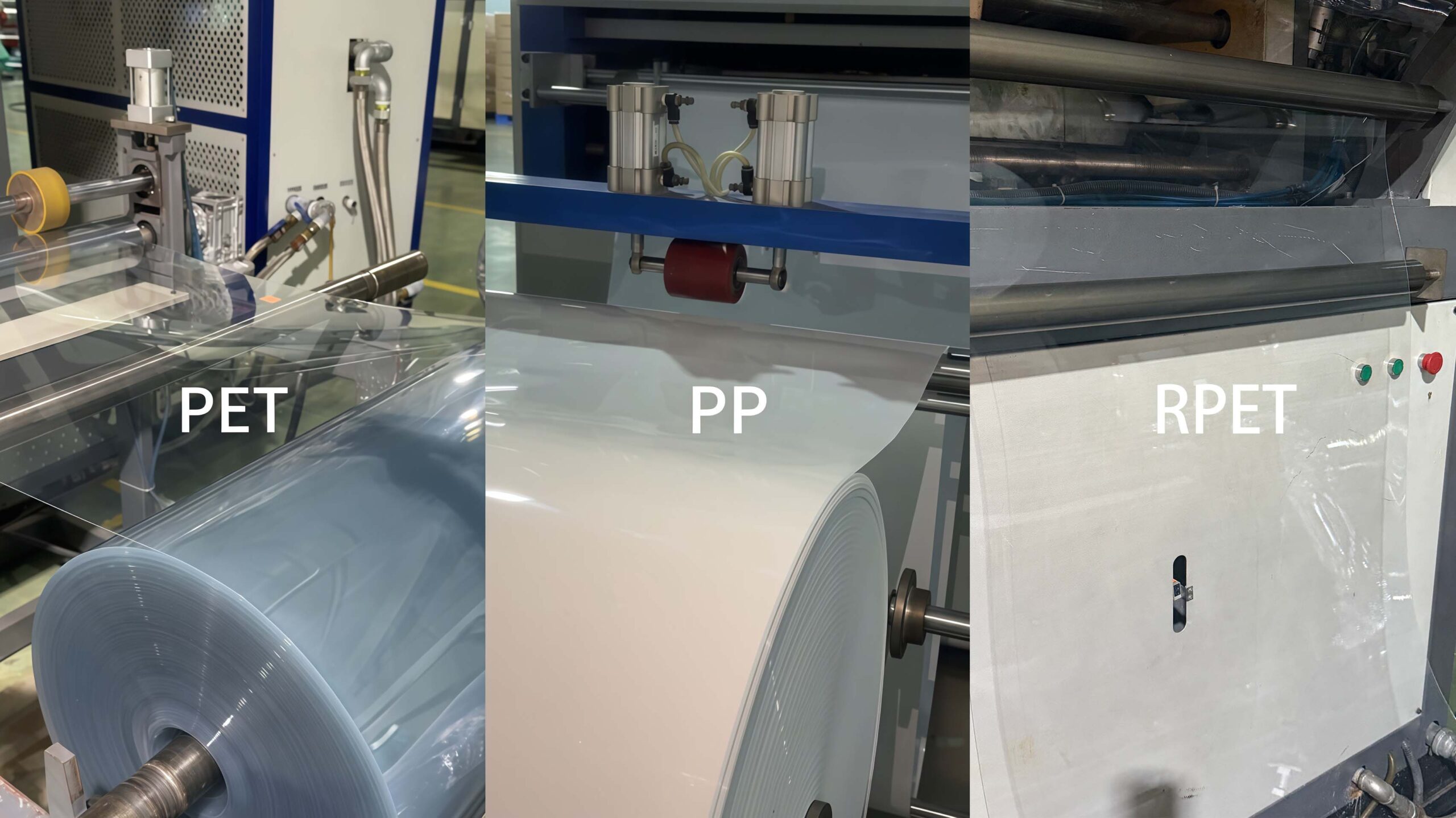
Singapore does not ban PP or PET outright. Instead, it pressures companies to justify their use.
-
PET / RPET: acceptable for cold food, display, retail
-
PP: still widely used for hot food due to heat resistance
-
Low-grade plastics: increasingly phased out
This pushes buyers toward fewer materials, used more correctly, rather than “switch everything to compostable.”
4. What This Means for Importers, Brands, and Food Operators
For companies supplying or operating in Singapore, three changes stand out.
4.1 Material Decisions Are Now Policy Decisions
Choosing packaging is no longer only about:
-
cost
-
appearance
-
availability
It is also about:
-
regulatory defensibility
-
waste reporting
-
future-proofing
Wrong material choices increase:
-
redesign costs
-
re-certification
-
replacement cycles
4.2 Over-Correcting Can Be as Risky as Doing Nothing
Many brands rush to replace plastic with compostable materials—only to face:
-
leakage complaints
-
deformation
-
higher food waste
-
customer dissatisfaction
Singapore’s policy environment punishes misuse, not plastic itself.
4.3 Mixed-Material Strategies Are Becoming Normal
Instead of one “green” solution, successful brands often use:
-
PP or CPET for hot meals
-
RPET for cold retail
-
Bagasse for short-life takeaway
-
Paper for dry food
Compliance now depends on matching material to function, not ideology.
5. DASHAN’s Perspective: Compliance Through Material Boundaries
As a packaging manufacturer supplying PP, PET, RPET, and bagasse, DASHAN does not treat Singapore’s policy as a threat—but as a clarification.
From DASHAN’s experience:
-
Most compliance failures come from overpromising material capability
-
Most regulatory issues stem from misapplication, not banned materials
-
Long-term buyers prefer clear boundaries, not “one-size-fits-all” claims
This is why DASHAN positions its products by:
-
temperature range
-
food type
-
delivery duration
-
regulatory context
—not by sustainability slogans alone.
6. Where Each Material Fits Under Singapore’s Rules
Suggested placement:
Insert this table after this section on a website, before the buyer decision guidance.
Material Use Boundary Comparison (Singapore Context)
| Material | Suitable Uses | Risk Zones | Regulatory Reality |
|---|---|---|---|
| Bagasse | Short-term hot food, dine-in, takeaway | Long delivery, oily meals | Encouraged but performance-limited |
| PLA | Cold food, desserts, drinks | Any heat exposure | Allowed with strict usage |
| RPET | Cold retail, salads, bakery | Hot filling | Recyclable, policy-aligned |
| PP | Hot meals, reheating, airline | Perception issues | Still functional, regulated by use |
| Paper | Dry food | Oil, moisture | Limited structural role |
7. How Brands Can Adapt Without Overhauling Everything
Singapore’s regulations reward precision, not radical change.
Practical steps include:
-
Audit current packaging by actual food temperature
-
Separate hot vs cold SKUs clearly
-
Reduce unnecessary thickness or over-packaging
-
Use compostables where performance allows—not everywhere
-
Work with suppliers who explain what not to use, not just what to buy
8. Why Singapore Is a Signal Market, Not an Outlier
Many buyers assume Singapore is “too strict” to matter elsewhere. In reality:
-
Similar reporting systems are appearing in Japan, South Korea, EU markets
-
Airline and institutional buyers increasingly mirror Singapore standards
-
Material misuse is becoming a reputational risk
What works in Singapore today often becomes baseline compliance tomorrow.
FAQ
-
Why is material performance more important than material type in Singapore?
Singapore’s regulations focus on how materials perform in real-world food packaging conditions, such as heat resistance, moisture handling, and durability. It’s not just about being “eco-friendly” but about ensuring packaging lasts through the food lifecycle. -
What packaging materials are recommended in Singapore?
Materials like bagasse and PLA are acceptable for short-term food use, while RPET and PP are better for cold and hot foods, respectively. Paper-based materials are also allowed for dry foods. -
Is it enough to just switch to compostable materials in Singapore?
Not always. While compostable materials are encouraged, they must perform well in specific situations. For example, bagasse may not perform well for long deliveries or heating, so choosing the right material for the right job is crucial. -
How does DASHAN help brands comply with Singapore’s packaging regulations?
DASHAN offers a range of compliant packaging solutions, including bagasse, PLA, RPET, and PP, that meet the needs of hot, cold, and takeaway food. We guide brands through selecting materials based on specific use cases, ensuring regulatory compliance. -
Can brands continue using plastics under Singapore’s plastic ban?
Yes. Singapore doesn’t impose an outright ban on plastics. However, materials like PP and PET are only acceptable when used correctly for their intended purpose—hot food for PP, and cold food for PET/RPET.
Conclusion: The Real Shift Is Not Away From Plastic—But Away From Guesswork
Singapore’s plastic regulations do not eliminate materials.
They eliminate excuses for using the wrong one.
For packaging buyers, the future is not:
-
plastic vs non-plastic
but: -
appropriate vs inappropriate use
DASHAN’s approach reflects this reality—offering multiple materials, clearly positioned, with honest boundaries. In a policy environment like Singapore’s, that clarity is no longer optional.
References
-
Singapore Environmental Protection Agency
Provides details on waste management and plastic reduction initiatives in Singapore. -
Singapore Government – Circular Economy & Packaging Waste
Government budget and policy updates on the packaging waste and sustainability efforts. -
The Food Safety and Standards Authority of India (FSSAI) on Packaging
Similar regulatory body offering insights on packaging material standards for food safety. -
Sustainable Packaging Coalition
Global organization promoting sustainable packaging solutions.
Copyright Statement
© 2026 Dashan Packing. All rights reserved.
This article is an original work created by the Dashan Packing editorial team.
All text, data, and images are the result of our independent research, industry experience,
and product development insights. Reproduction or redistribution of any part of this content
without written permission is strictly prohibited.
Dashan Packing is committed to providing accurate, evidence-based information and
to upholding transparency, originality, and compliance with global intellectual property standards.