

Quick Summary
Food packaging rarely loses money through obvious failure. Most losses come from small material mismatches—heat, moisture, oil, and delivery time—that lead to waste, complaints, slow operations, and lost repeat orders. Choosing the right material for the right scenario protects margins.
Hidden Cost Traps Across Materials, Operations, and Supply Chains
Introduction: Packaging Rarely Fails All at Once
Most food businesses don’t lose money because they chose bad packaging.
They lose money because they chose almost-right packaging.
The container didn’t melt.
The lid didn’t crack.
The food didn’t spill—at least not immediately.
But over time, across thousands of meals, small mismatches between material behavior and real use conditions quietly turn into:
-
Higher food waste
-
More refunds and complaints
-
Slower operations
-
Logistics damage
-
Lost repeat customers
Packaging losses rarely appear as a single invoice line. They show up fragmented—across waste logs, customer service emails, delivery disputes, and declining margins.
This article breaks down where food packaging actually costs you money, and why material choice—used correctly or incorrectly—is often the root cause.
1. Food Waste Starts with Material–Food Mismatch
Food waste is not just about spoilage. In many cases, the food itself is fine—the container fails first.
Heat, Steam, Oil, and Time
Every cooked meal releases a combination of:
-
Moisture
-
Steam pressure
-
Oils and acids
-
Residual heat over time
If packaging material is not designed for that specific combination, failure becomes a matter of when, not if.
PET / RPET vs PP: A Costly Heat Assumption
PET and RPET are excellent materials for cold and ambient food:
-
Clear visibility
-
Strong rigidity
-
Lightweight
-
Cost-efficient
But when used for warm or hot food, problems emerge gradually:
-
Softening under sustained heat
-
Lid warping during transport
-
Seal failure after 20–40 minutes
PP, by contrast, is engineered for:
-
Hot filling
-
Steam exposure
-
Microwave reheating
The hidden cost isn’t deformation itself—it’s delayed deformation, which happens after the food leaves your store.
One warped container = one refund
One leaked delivery = one lost customer
One bad review = many lost future orders
Choosing PET for hot food doesn’t fail loudly. It fails expensively.
2. Customer Complaints Are a Packaging Cost Center
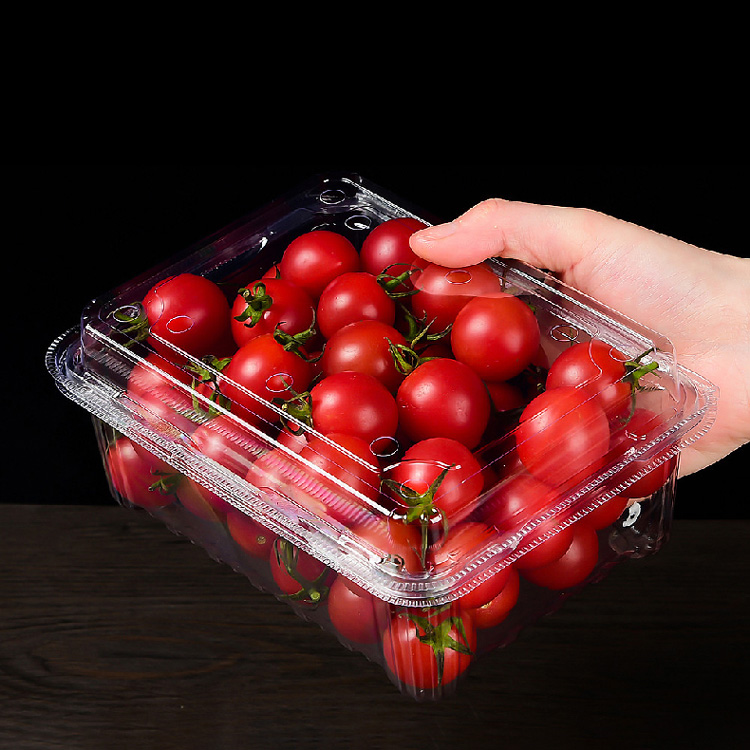
Most customer complaints blamed on “delivery” or “food quality” are actually packaging performance issues.
What Customers Notice First
Customers rarely understand polymers.
They do understand:
-
Leaks
-
Condensation
-
Crushed containers
-
Food mixing together
Packaging that performs technically but fails experientially still costs money.
Visibility vs Stability: PET vs PP Trade-Off
| Customer Factor | PET / RPET | PP |
|---|---|---|
| Visual appeal | Excellent | Limited |
| Condensation control | Moderate | Good |
| Heat tolerance | Low–Medium | High |
| Leak resistance | Medium | High |
Using PP where visibility matters can reduce perceived quality.
Using PET where heat matters can increase complaints.
The cost isn’t the container—it’s the mismatch.
You may read this article:What Food Packaging Material Is Best for Each Food Type?
3. Compostable Packaging Can Increase Operational Losses
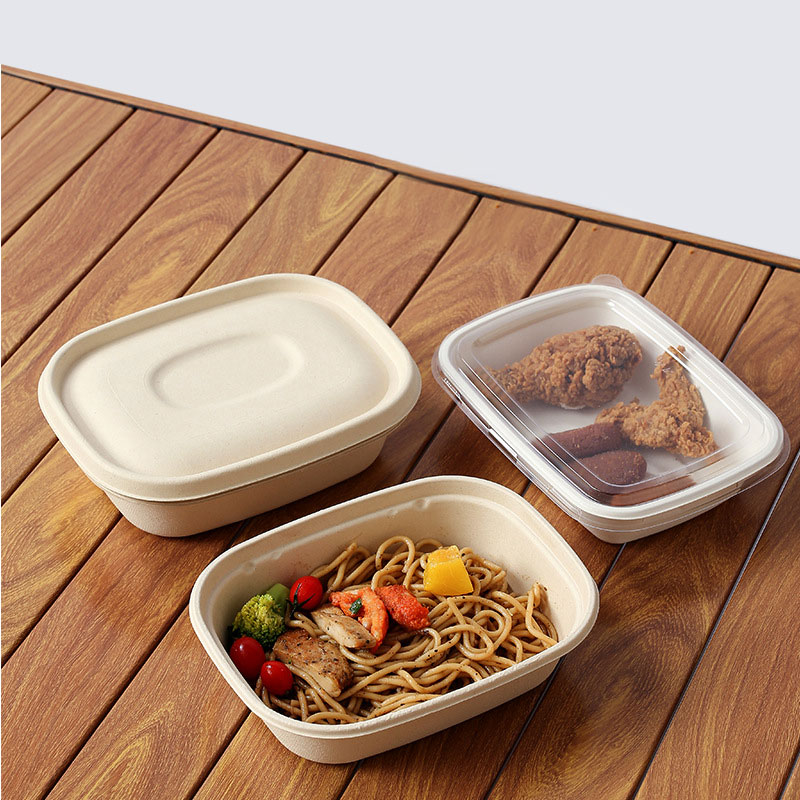
Compostable materials are often selected to reduce environmental impact—but they can increase operational costs if used outside their ideal window.
Bagasse vs PP in Real Kitchens
Bagasse containers perform well for:
-
Short-term hot serving
-
Low-oil foods
-
Dine-in or fast pickup
They struggle with:
-
Long delivery times
-
High moisture or oily foods
-
Stacking under load
| Operational Factor | Bagasse | PP |
|---|---|---|
| Heat tolerance | Short-term | Long-term |
| Oil & moisture | Absorbs | Resistant |
| Stackability | Limited | High |
| Prep speed | Slower | Faster |
In high-volume kitchens, seconds matter.
Slower handling and higher failure rates translate directly into:
-
Missed delivery windows
-
Remakes
-
Staff frustration
Sustainability goals don’t fail operations—misapplied materials do.
4. Logistics Damage Is a Silent Margin Killer
Packaging that survives the kitchen but fails logistics creates losses that are hard to trace.
Paper-Based Packaging vs PET in Transport
Paper and paperboard containers are widely used for dry foods and bakery items. But during transport, they face:
-
Compression
-
Humidity
-
Vibration
| Logistics Factor | Paper | PET |
|---|---|---|
| Compression strength | Low | High |
| Moisture resistance | Poor | Excellent |
| Visibility for QC | None | Full |
| Damage rate | Higher | Lower |
A damaged container that still looks acceptable may never be reported—yet the customer doesn’t reorder.
Logistics losses don’t always come back as complaints.
They come back as silence.
5. Speed Is Money: Packaging and Kitchen Efficiency
In foodservice, packaging affects more than protection—it affects workflow.
Where Packaging Slows You Down
-
Difficult stacking
-
Inconsistent lid fit
-
Manual adjustments
-
Spill checks
Each friction point compounds under peak hours.
PP and PET systems designed for:
-
Snap-fit lids
-
Standardized footprints
-
Consistent rigidity
reduce cognitive load and speed up service.
The cost of slow packaging isn’t packaging—it’s labor inefficiency.
6. Over-Engineering Also Costs Money
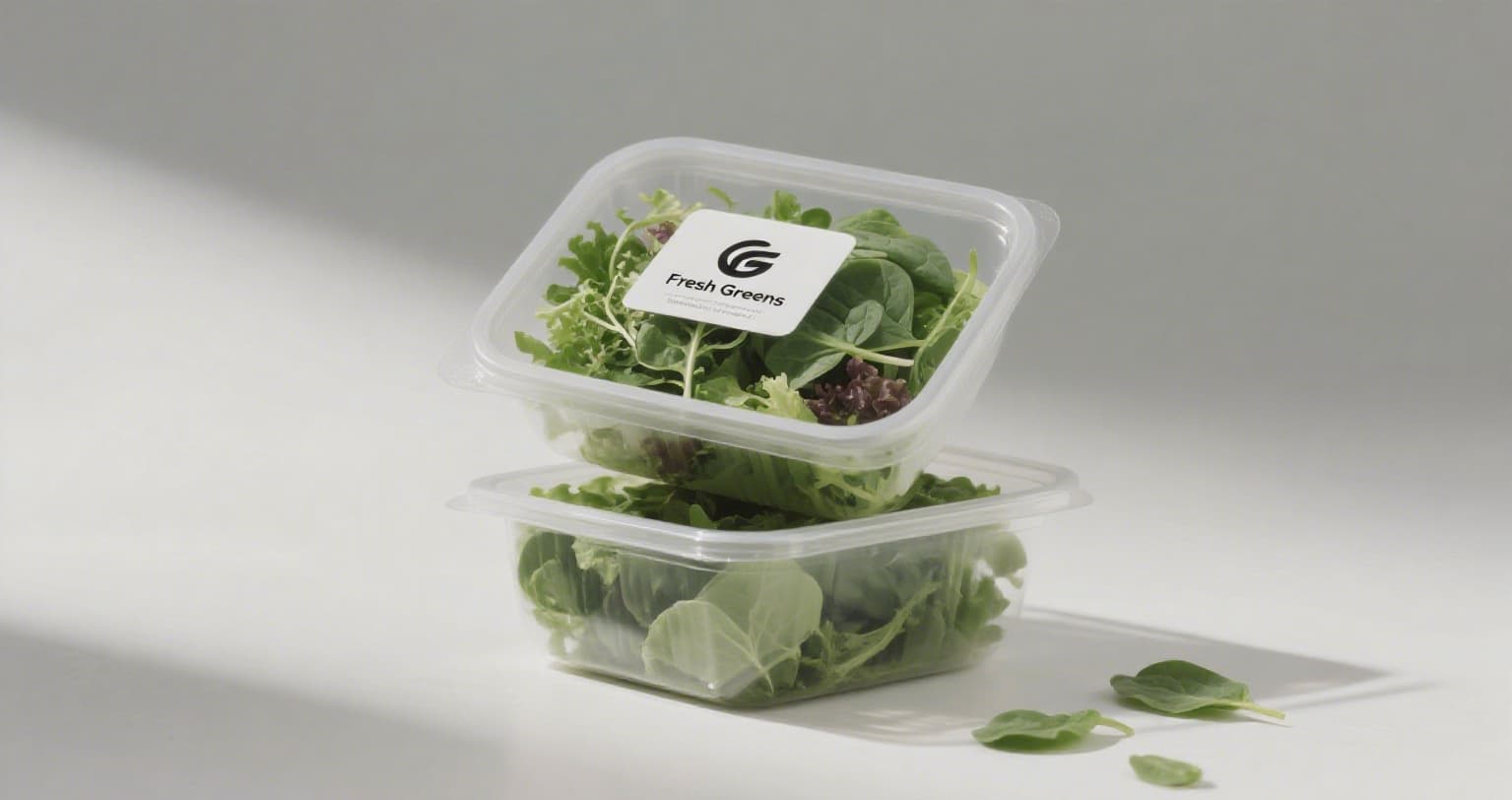
Choosing “stronger” packaging than necessary wastes money in quieter ways.
Examples:
-
Using PP for cold salads where PET suffices
-
Using thick-wall containers where thin-wall works
-
Using heat-resistant trays for non-heated foods
Over-engineering leads to:
-
Higher unit costs
-
Higher shipping weight
-
Lower visual appeal
The cheapest packaging is not the lowest-cost material—it’s the right material for the job.
7. Regulatory Compliance Failures Are Expensive and Slow
Misaligned materials can trigger:
-
Food safety concerns
-
Customer distrust
-
Regulatory scrutiny
Heat misuse, migration risk, and improper labeling often stem from material misuse, not material defects.
Correct material selection reduces compliance risk without increasing cost.
8. Long-Term Brand Damage Is the Biggest Loss
Customers don’t remember polymer names.
They remember bad experiences.
-
Leaky soup
-
Soggy rice
-
Fogged lids
-
Crushed desserts
These moments define whether a brand feels:
-
Reliable
-
Professional
-
Worth reordering from
Packaging failures compound quietly until brand trust erodes.
9. DASHAN’s Perspective: Packaging by Loss Scenario
At DASHAN, packaging is not categorized by “material type” first—but by loss risk.
-
Cold display & visibility → PET / RPET
-
Hot food & reheating → PP
-
Short-term hot serve → Bagasse
The goal is not to push one material—but to prevent the specific ways money leaks out of food operations.
FAQ
1. Where do food packaging losses usually come from?
Most losses don’t come from broken containers, but from delayed issues like warping, leaks, condensation, or stacking failure during delivery and handling. These problems lead to refunds, remakes, and lost repeat customers.
2. Is cheaper packaging always more cost-effective?
No. Lower unit cost packaging often increases hidden costs through food waste, customer complaints, and slower operations. Total cost should include failure rate, labor efficiency, and customer experience.
3. Why does material–food mismatch matter so much?
Each material reacts differently to heat, steam, oil, and time. Using PET for hot food or bagasse for long delivery can cause performance issues even if the material itself meets basic standards.
4. Are compostable materials more expensive in practice?
They can be, if misused. Compostable materials like bagasse work well in short-term scenarios but may increase losses in long delivery or high-moisture use due to absorption and reduced strength.
5. How should brands choose packaging materials correctly?
Start with real use conditions—temperature, holding time, delivery distance, and food type—then select materials accordingly. Packaging should be chosen by risk scenario, not by material label alone.
Conclusion: Packaging Loses Money When It’s Chosen Abstractly
Most packaging losses don’t come from bad suppliers.
They come from oversimplified decisions:
-
“This material is greener.”
-
“This one is cheaper.”
-
“Everyone uses this.”
Food packaging must survive:
-
Heat
-
Time
-
Transport
-
Handling
-
Customer expectations
When material choice is grounded in real use conditions, packaging stops being a cost—and starts protecting margin.
References
-
U.S. Food & Drug Administration (FDA) – Food Contact Substances
https://www.fda.gov/food/packaging-food-contact-substances-fcs -
European Food Safety Authority (EFSA) – Food Contact Materials
https://www.efsa.europa.eu/en/topics/topic/food-contact-materials -
PlasticsEurope – Polypropylene (PP) Properties and Applications
https://plasticseurope.org/knowledge-hub/polypropylene-pp/ -
British Plastics Federation – PET Packaging Applications
https://www.bpf.co.uk/plastipedia/polymers/PET.aspx -
Ellen MacArthur Foundation – Packaging Design and Material Use
https://ellenmacarthurfoundation.org/topics/plastics/overview
Copyright Statement
© 2026 Dashan Packing. All rights reserved.
This article is an original work created by the Dashan Packing editorial team.
All text, data, and images are the result of our independent research, industry experience,
and product development insights. Reproduction or redistribution of any part of this content
without written permission is strictly prohibited.
Dashan Packing is committed to providing accurate, evidence-based information and
to upholding transparency, originality, and compliance with global intellectual property standards.