

1. Introduction
The packaging industry has been facing an urgent shift towards sustainability in recent years. With the ever-growing concerns about plastic pollution and its detrimental impact on the environment, food packaging manufacturers are under increasing pressure to develop eco-friendly alternatives. Plastic packaging, especially single-use plastic, has been identified as one of the major contributors to environmental degradation. According to the United Nations, around 8 million tons of plastic end up in the oceans annually, posing a significant threat to marine life and ecosystems. As this environmental crisis escalates, consumers, regulatory bodies, and businesses are demanding more sustainable solutions.
A growing body of evidence suggests that sustainable packaging is no longer a passing trend but a fundamental shift in consumer preferences and global business practices. A Nielsen report found that 66% of global consumers are willing to pay more for sustainable products, and businesses are realizing the need to address this demand to stay competitive. Food packaging, a vital part of the global economy, is at the forefront of this transformation.
This article delves into the major trends in sustainable packaging, comparing materials such as PET, RPET, and PLA, and examines the role of innovation in shaping the future of food packaging. Additionally, we explore how custom packaging is becoming an increasingly popular solution for brands to meet consumer demands and enhance their sustainability credentials. The article also considers the regional differences in consumer preferences and how companies are adapting to these cultural nuances. Finally, we will look ahead to the next decade of food packaging, focusing on the challenges and opportunities that lie ahead.
2. Sustainable Packaging Trends
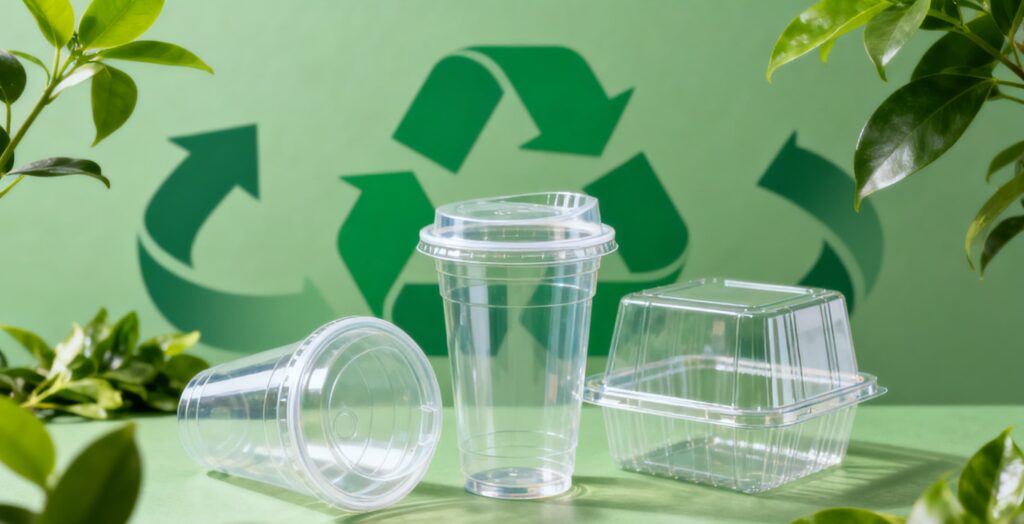
Sustainable packaging has become a key priority for both manufacturers and consumers. The packaging industry is rapidly innovating to reduce its environmental impact, with many companies opting for materials that are either biodegradable, recyclable, or made from renewable resources.
Key Drivers of Sustainable Packaging
-
Plastic Pollution: The plastic waste crisis is one of the most pressing environmental issues today. The staggering amount of plastic waste—especially single-use plastic—has prompted governments, industries, and consumers to seek alternatives that minimize plastic pollution.
-
Consumer Demand for Sustainable Products: Consumers are increasingly concerned about the environmental impact of the products they purchase. Research shows that 66% of global consumers are willing to pay more for products with a sustainability label. This growing demand for eco-friendly products has prompted brands to rethink their packaging strategies.
-
Regulatory Pressure: Governments are imposing stricter regulations on plastic use. For example, the European Union has implemented a ban on single-use plastics to curb plastic waste, while many U.S. states have introduced plastic bag bans. These regulations force businesses to adopt more sustainable packaging practices.
Innovations in Sustainable Packaging Materials
Several innovative packaging solutions are helping the food industry shift towards sustainability:
-
Recycled Materials (RPET): RPET is made from recycled PET plastic, reducing the need for virgin plastic. It is widely used in beverage bottles and food packaging due to its ability to reduce the carbon footprint of packaging production.
-
Biodegradable Packaging (PLA): PLA, derived from renewable resources such as corn and sugarcane, is biodegradable and compostable. It has become popular for single-use packaging such as beverage cups, food containers, and cutlery. However, PLA requires industrial composting to break down fully.
-
Edible Packaging: The idea of edible packaging is gaining traction. This innovation reduces packaging waste by creating packaging materials that consumers can eat after consuming the product, contributing to zero-waste lifestyles.
3. Comparing PET, RPET, and PLA: Materials for Sustainable Packaging
The food packaging industry has a range of material options that vary in their sustainability, recyclability, and production processes. Let’s compare three common materials used in food packaging: PET, RPET, and PLA.
PET (Polyethylene Terephthalate)
PET is one of the most widely used materials for food packaging, especially for beverages. It is lightweight, durable, and transparent, making it ideal for products that need to showcase their contents.
-
Environmental Impact: PET is highly recyclable, but its production requires significant energy and natural resources. When recycled, PET can be repurposed into various products, including clothing and insulation materials. However, its recycling rate can be low in some regions due to contamination or lack of proper recycling infrastructure.
-
Applications: PET is used for beverage bottles, food containers, and trays. It is also commonly used for ready-to-eat meals and salad packaging.
RPET (Recycled PET)
RPET is made by recycling post-consumer PET plastic. This helps reduce the need for virgin plastic and contributes to closing the recycling loop.
-
Environmental Impact: RPET has a lower carbon footprint compared to virgin PET because it reuses existing plastic materials. However, the recycling process still requires energy, and the quality of RPET can deteriorate with each recycling cycle.
-
Applications: RPET is widely used in packaging for beverages, food containers, and even clothing fabrics. Brands are increasingly using RPET in packaging to enhance their sustainability efforts.
PLA (Polylactic Acid)
PLA is a biodegradable plastic made from renewable plant-based resources like corn or sugarcane. It is compostable under industrial conditions and has gained popularity as an alternative to traditional plastic packaging.
-
Environmental Impact: PLA is considered more environmentally friendly than petroleum-based plastics because it is made from renewable resources and is biodegradable. However, PLA requires specific conditions to break down, and its production can compete with food crops, raising concerns over land use and resource allocation.
-
Applications: PLA is used for packaging beverages, takeaway containers, and food trays. It is particularly popular in the foodservice industry for takeout packaging and disposable cups.
Table 1: Key Sustainable Packaging Materials Comparison
| Material | Benefits | Environmental Impact | Key Applications |
|---|---|---|---|
| PET | Lightweight, durable, recyclable | High energy consumption in production, but recyclable | Bottles, trays, food containers |
| RPET | Reduces plastic waste, utilizes recycled material | Lower carbon footprint than virgin PET | Beverage bottles, food packaging |
| PLA | Biodegradable, made from renewable resources | Needs industrial composting, may compete with food crops | Food containers, cups |
| Sugarcane Bagasse | Fully compostable, renewable | Low energy production, requires composting | Trays, bowls, food containers |
4. The Future of Food Packaging: A 10-Year Outlook
The next decade will witness significant changes in food packaging as sustainability becomes even more critical. Consumers, businesses, and governments will continue to push for packaging solutions that minimize environmental impact.
Key Trends in the Next Decade
-
Biodegradable Materials: The demand for biodegradable packaging, particularly PLA and other compostable plastics, will continue to rise. These materials offer an eco-friendly alternative to traditional plastic and align with the growing emphasis on reducing waste.
-
Smart Packaging: Smart packaging that incorporates technology to monitor freshness, temperature, or even sustainability levels will become more widespread. These innovations provide consumers with real-time information, allowing them to make better choices and reduce food waste.
-
Circular Economy: The packaging industry is likely to see more businesses adopt circular economy principles. Packaging designs will focus on reuse, recycling, and reducing waste, with companies increasingly offering take-back programs or packaging that is easy to recycle.
5. The Advantages of Custom Packaging
Custom packaging is becoming a crucial tool for businesses to differentiate themselves in the competitive food industry. It allows companies to not only showcase their brand identity but also align with sustainability goals.
Benefits of Custom Packaging
-
Brand Recognition: Customized packaging enhances brand recognition by incorporating unique designs, colors, and logos that resonate with consumers. It creates a memorable experience that reinforces brand values and makes products stand out on store shelves.
-
Eco-Friendly Custom Solutions: Many companies are using sustainable materials, such as RPET and PLA, for custom packaging. This allows brands to communicate their commitment to sustainability while still offering consumers personalized, eye-catching packaging.
-
Consumer Engagement: Innovative packaging designs that include interactive elements, like QR codes, or eco-friendly messaging, help foster deeper connections with consumers. By engaging with consumers through packaging, brands can build loyalty and strengthen their relationship with their target audience.
6. Global Market and Cultural Differences in Food Packaging
The demand for sustainable packaging is not uniform across the globe. Different regions have unique cultural preferences, regulatory frameworks, and consumer behavior when it comes to packaging materials.
North America and Europe
In North America and Europe, sustainability is a key focus. Governments in these regions have enacted policies such as the European Union’s ban on single-use plastics, which has prompted businesses to adopt more sustainable packaging solutions. Consumers in these regions are more likely to choose eco-friendly products, and businesses are under pressure to meet these expectations.
Asia
While Asia is increasingly adopting sustainable packaging, affordability remains a significant factor. In countries like Japan and South Korea, there is growing awareness of environmental issues, and packaging is evolving to meet sustainability goals. However, many Asian markets still prioritize cost-effective solutions, and the adoption of sustainable packaging is slower in some areas.
Africa and the Middle East
Emerging markets in Africa and the Middle East face unique challenges when it comes to packaging. While there is increasing interest in sustainable packaging, cost-effectiveness is often the primary concern. However, as urbanization accelerates and consumer awareness of environmental issues rises, demand for eco-friendly packaging is expected to grow.
7. Frequently Asked Questions (FAQs)
-
What is the difference between PET and RPET?
-
PET is virgin plastic, while RPET is made from recycled PET. RPET reduces the need for virgin plastic and helps minimize plastic waste.
-
-
Is PLA a better alternative to PET for food packaging?
-
PLA is biodegradable and made from renewable resources, making it an eco-friendly alternative to PET. However, PLA requires industrial composting, and its production can compete with food crops.
-
-
Can RPET be recycled again?
-
Yes, RPET can be recycled again, which further reduces plastic waste. However, the recycling process still requires energy.
-
-
What are some challenges with biodegradable packaging?
-
Biodegradable packaging requires specific conditions to break down properly, and it may not decompose effectively in landfills.
-
-
How can companies improve the sustainability of their packaging?
-
Companies can use recycled materials, adopt biodegradable alternatives, and design packaging for easy recycling to enhance sustainability.
-
-
What is the role of smart packaging in sustainability?
-
Smart packaging can provide real-time information to consumers, helping them make more sustainable choices and reducing food waste.
-
-
How do cultural differences influence packaging preferences?
-
Different regions have unique packaging preferences. In North America and Europe, sustainability is highly valued, while affordability is often prioritized in emerging markets.
-
Conclusion
The demand for sustainable packaging is reshaping the food packaging industry. As plastic pollution becomes an increasingly urgent issue, materials like RPET and PLA offer viable solutions to reduce waste and promote recycling. Custom packaging is also gaining popularity as businesses seek to connect with consumers and reinforce their commitment to sustainability. Looking ahead, the food packaging industry will continue to evolve, with innovations in biodegradable materials, smart packaging, and circular economy principles driving the transition to a more sustainable future.
References
-
United Nations. (2020). The problem of plastic pollution. https://www.un.org/plastics-pollution
-
Nielsen. (2019). Consumer demand for sustainable brands. https://www.nielsen.com/sustainable-consumers
-
European Commission. (2021). EU Plastic Strategy. https://ec.europa.eu/environment/circular-economy
Copyright Statement
© 2026 Dashan Packing. All rights reserved.
This article is an original work created by the Dashan Packing editorial team.
All text, data, and images are the result of our independent research, industry experience,
and product development insights. Reproduction or redistribution of any part of this content
without written permission is strictly prohibited.
Dashan Packing is committed to providing accurate, evidence-based information and
to upholding transparency, originality, and compliance with global intellectual property standards.