

Quick Summary:
This article explores the differences between plant-based and biodegradable cutlery, two sustainable alternatives to conventional plastic utensils. While plant-based cutlery is made from renewable plant materials like bamboo, sugarcane, or cornstarch, biodegradable cutlery is designed to break down over time through natural processes. However, these terms are not synonymous, as biodegradable cutlery may require industrial composting conditions to decompose properly, unlike plant-based options that may not always degrade in landfills.
The article delves into the materials used in both types of cutlery, their environmental benefits, challenges, and the potential impact they could have on reducing plastic waste. It also highlights various applications of plant-based cutlery in the foodservice industry, from fast-food chains to catering events. While offering environmental benefits, challenges like the need for proper composting infrastructure and performance standards remain.
Overall, plant-based and biodegradable cutlery offer a promising sustainable solution, but their effectiveness relies on proper disposal and the continued development of composting systems worldwide.
Introduction
Plant-based and biodegradable cutlery are growing in popularity due to the increasing demand for environmentally friendly alternatives to single-use plastic. However, these terms are often misunderstood or used interchangeably, leading to confusion among consumers and manufacturers alike. This article aims to clarify the differences between plant-based and biodegradable cutlery, explain what plant-based utensils are made of, and explore their environmental impact. Additionally, we’ll dive into the benefits, challenges, and considerations when adopting these alternatives in the food service industry.
What is Plant-Based Cutlery?
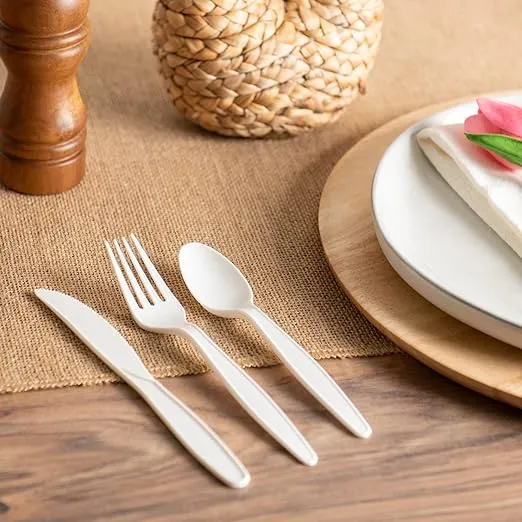
Plant-based cutlery refers to utensils made from renewable resources derived from plants, such as cornstarch, sugarcane, bamboo, or other plant fibers. These alternatives aim to reduce the dependency on fossil fuel-based plastics, contributing to a more sustainable lifecycle for disposable products.
Common Materials Used for Plant-Based Cutlery:
-
PLA (Polylactic Acid): A biodegradable plastic made from fermented plant sugars, such as corn starch or sugarcane.
-
CPLA (Crystallized Polylactic Acid): A more durable version of PLA, suitable for hot foods.
-
Bamboo: Fast-growing grass that requires minimal water and pesticides.
-
Sugarcane Bagasse: The fibrous material leftover after extracting juice from sugarcane, which can be used to make durable, plant-based cutlery.
What is Biodegradable Cutlery?
Biodegradable cutlery refers to utensils that are designed to break down over time through natural processes, such as the action of microorganisms, fungi, or bacteria. Unlike conventional plastics, biodegradable cutlery decomposes more rapidly, reducing its environmental footprint.
Distinction from Compostable Cutlery:
It’s important to note that biodegradable does not necessarily mean the material will degrade in a landfill or other natural environments. Some biodegradable products may require industrial composting facilities to break down properly.
Differences Between Plant-Based and Biodegradable Cutlery
| Aspect | Plant-Based Cutlery | Biodegradable Cutlery |
|---|---|---|
| Material Source | Derived from renewable plant materials (corn, bamboo, sugarcane). | Made from organic materials that can degrade naturally. |
| Environmental Impact | Reduces reliance on petroleum-based plastics. | Breaks down into natural components over time. |
| Degradation | May not degrade without proper composting conditions. | Degrades over time when exposed to environmental factors. |
| Production Process | Often requires less energy to produce than traditional plastics. | Typically requires industrial composting environments. |
| Durability | Can vary depending on material; bamboo is stronger than PLA. | Generally less durable than plastic and may be weaker. |
| Common Use | Food service, events, fast-food outlets. | Similar uses as plant-based, but specific types may degrade faster. |
How Plant-Based and Biodegradable Cutlery is Made
The production process for plant-based and biodegradable cutlery can vary significantly depending on the material used. For example:
-
Bamboo Cutlery: Bamboo is harvested, cleaned, and processed into utensils. Its durability and fast growth make it an attractive alternative.
-
PLA and CPLA Cutlery: PLA is derived from starch, usually corn or sugarcane. The starch is fermented and processed into lactic acid, which is then polymerized to create the plastic.
Environmental Benefits and Challenges
Benefits of Plant-Based and Biodegradable Cutlery:
-
Reduction in Plastic Waste: These alternatives help cut down on the amount of plastic in landfills and oceans.
-
Renewable Resources: Made from natural, renewable resources, which have a lesser environmental impact compared to petrochemical plastics.
-
Composting and Biodegradation: If processed correctly, they can biodegrade, returning to nature without leaving harmful microplastics.
Challenges:
-
Industrial Composting Requirements: Many plant-based products require industrial composting, which is not available in all locations.
-
Misleading Labels: Sometimes, products labeled as “biodegradable” may not break down as advertised without the proper conditions.
-
Durability: Some plant-based cutlery may not perform as well under high temperatures or with wet food, limiting their usefulness in certain applications.
Key Data and Statistics
-
Plastic Waste: An estimated 8 million metric tons of plastic enter the oceans each year. The widespread adoption of plant-based alternatives could significantly reduce this number.
-
Composting Impact: According to a study by the Environmental Protection Agency, about 30% of compostable materials in landfills could be composted, reducing overall landfill waste by that percentage.
Table 1: Environmental Impact of Biodegradable vs. Conventional Plastic Cutlery
| Metric | Conventional Plastic | Biodegradable Plant-Based | PLA Cutlery |
|---|---|---|---|
| Degradation Time | 500-1000 years | 2-6 months (depending on conditions) | 45-90 days |
| Energy Use During Production | High | Low | Low |
| Carbon Footprint | High | Low | Low |
Applications of Plant-Based Cutlery
-
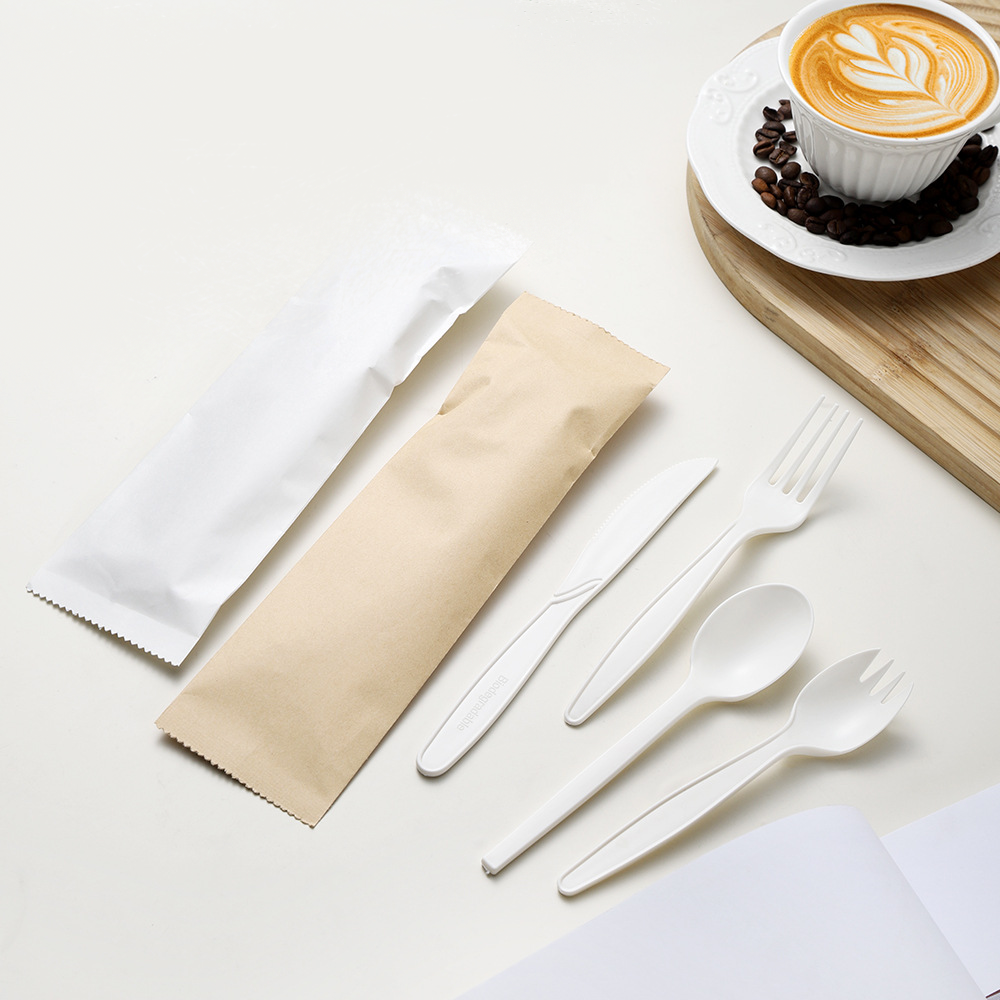
Fast Food Chains: Many quick-service restaurants and fast-food chains are adopting plant-based cutlery as part of their commitment to sustainability.
-
Catering and Events: Events focusing on eco-consciousness prefer plant-based options, ensuring that their gatherings have a minimal environmental footprint.
-
Airline Industry: Some airlines use plant-based cutlery to provide passengers with an environmentally friendly experience.
-
Takeaway and Delivery Services: With the rise of online food delivery, many services now offer plant-based cutlery as part of their commitment to sustainability.
Plant-Based Cutlery: A Viable Solution for the Future?
As the demand for sustainable solutions grows, plant-based cutlery offers a promising alternative to traditional plastic. However, challenges remain in terms of composting infrastructure and performance standards. Moving forward, more investment in composting systems and material innovation will be crucial for scaling up the use of plant-based cutlery globally.
FAQs
-
Is plant-based cutlery completely eco-friendly?
-
Plant-based cutlery reduces dependence on plastic, but it still requires proper composting to break down completely, which may not always be feasible.
-
-
Can plant-based cutlery be used for hot food?
-
Some plant-based materials, like CPLA, are designed for hot foods, while others like PLA may not perform well under high temperatures.
-
-
How long does it take for plant-based cutlery to degrade?
-
Plant-based cutlery can degrade in a composting environment within a few months, but in a landfill, it may take longer due to lack of oxygen.
-
-
What is the environmental impact of plant-based cutlery compared to traditional plastic?
-
Plant-based cutlery has a lower carbon footprint and is biodegradable, which helps reduce long-term pollution compared to traditional plastic.
-
-
Can I compost plant-based cutlery at home?
-
It depends on the material. PLA-based cutlery typically requires industrial composting, but bamboo and sugarcane may break down faster in home composting.
-
-
Is plant-based cutlery as strong as plastic cutlery?
-
Generally, plant-based cutlery is less durable than plastic, especially under extreme temperatures or pressure. However, materials like bamboo are more durable.
-
-
Is all biodegradable cutlery plant-based?
-
No, biodegradable cutlery can be made from a variety of materials, including petroleum-based plastics that are designed to degrade more quickly than traditional plastics.
-
Conclusion
The shift toward plant-based and biodegradable cutlery is a step in the right direction toward reducing single-use plastic waste. However, understanding the nuances between these types of cutlery and their proper disposal is essential to ensuring they live up to their environmental promise. With growing awareness and improved composting systems, these alternatives could soon become a staple in the effort to combat plastic pollution.
References
-
U.S. Environmental Protection Agency – Composting and sustainable materials guidance
https://www.epa.gov/smm/composting-home -
European Commission – Circular economy and sustainable plastics policy
https://environment.ec.europa.eu/topics/plastics_en -
ASTM International – ASTM D6400 Standard Specification for Compostable Plastics
https://www.astm.org/d6400-21.html -
European Bioplastics – Standards for industrial compostability (EN 13432)
https://www.european-bioplastics.org/bioplastics/standards/
Copyright Statement
© 2026 Dashan Packing. All rights reserved.
This article is an original work created by the Dashan Packing editorial team.
All text, data, and images are the result of our independent research, industry experience,
and product development insights. Reproduction or redistribution of any part of this content
without written permission is strictly prohibited.
Dashan Packing is committed to providing accurate, evidence-based information and
to upholding transparency, originality, and compliance with global intellectual property standards.