

Introduction
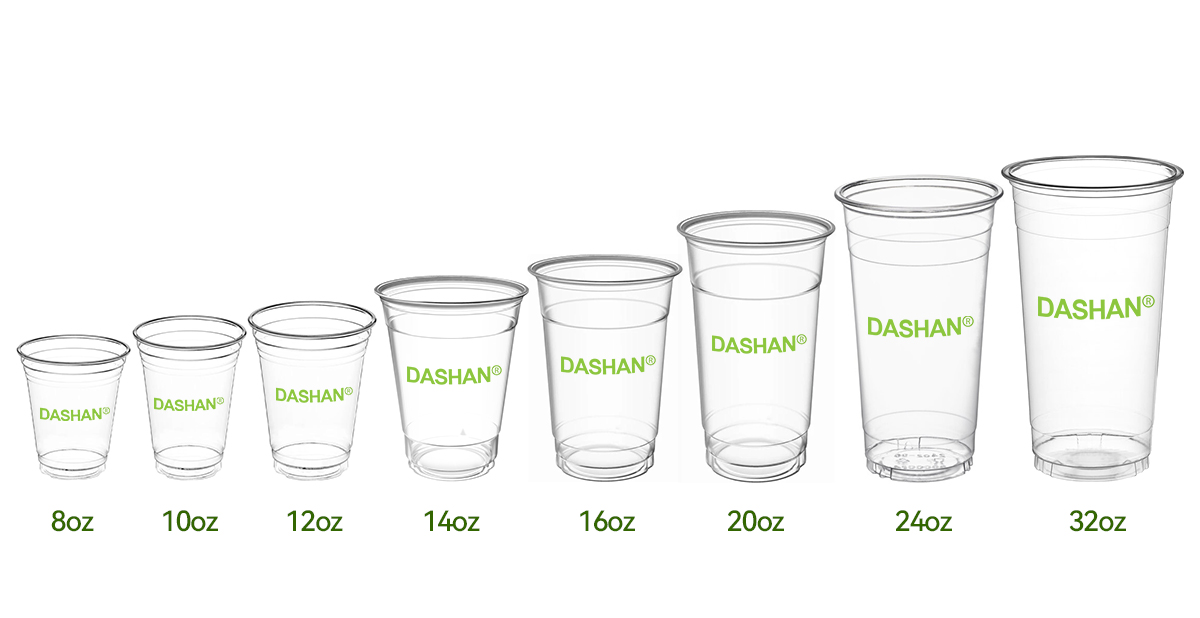
In today’s global packaging industry, sustainability is no longer a secondary consideration—it has become a defining factor in procurement decisions, regulatory compliance, and brand positioning. Among the many material innovations shaping this transformation, recycled plastics—particularly rPET (recycled polyethylene terephthalate)—have emerged as one of the most practical and scalable solutions for food packaging applications.
However, as adoption increases, so does the complexity of decision-making. Buyers are no longer asking whether packaging is recyclable; instead, they are asking a more precise and technically relevant question: What is the PCR content?
This shift reflects a broader evolution in how sustainability is measured. Rather than focusing solely on end-of-life recyclability, regulators and brands now emphasize the actual use of recycled materials within new products. As a result, specifications such as 30%, 50%, or 100% rPET have become standard requirements in supplier negotiations, product development briefs, and compliance documentation.
At first glance, these percentages may seem straightforward. Yet in practice, they influence nearly every aspect of a packaging product—from visual appearance and structural performance to cost, supply stability, and regulatory eligibility. A misunderstanding of PCR content can lead to unexpected trade-offs, such as reduced transparency, increased pricing, or difficulty meeting market-specific requirements.
This article provides a comprehensive and structured analysis of PCR content in rPET packaging. By exploring how different PCR levels affect performance, cost, and sustainability outcomes, it aims to equip buyers with the knowledge needed to make informed and strategically aligned decisions.
What Is PCR in rPET Packaging?
To fully understand PCR content, it is essential to begin with a clear definition of what PCR represents and how it differs from other recycled material categories.
PCR, or Post-Consumer Recycled material, refers to plastic that has completed its lifecycle as a consumer product and has been collected, sorted, and reprocessed into raw material for new manufacturing. In the context of rPET, the most common PCR source is used beverage bottles, which are recovered through deposit systems or municipal recycling programs. These bottles are then transformed into secondary raw material that can be reintroduced into the production cycle.
This distinction is important because PCR differs significantly from Post-Industrial Recycled (PIR) material. PIR originates from manufacturing waste, such as production scraps or rejected components, which are typically clean and easier to recycle. While PIR contributes to material efficiency, it does not address consumer waste in the same way PCR does. As a result, PCR is generally considered more valuable in sustainability metrics and is often prioritized in regulatory frameworks and corporate ESG reporting.
The process of converting PCR into usable rPET is both technically demanding and highly controlled, especially for food-contact applications. After collection, the material undergoes sorting to remove non-PET plastics and contaminants. It is then subjected to intensive washing processes designed to eliminate labels, adhesives, and residual substances.
Following cleaning, the material is processed into flakes and subsequently re-polymerized into pellets through mechanical or chemical recycling technologies. For food-grade rPET, additional decontamination steps are required to ensure that any potential contaminants are removed at a molecular level. These processes are validated to meet strict safety standards, allowing the material to be safely used in direct contact with food.
Because PCR originates from diverse sources and undergoes multiple processing stages, its quality can vary depending on the efficiency of collection systems and the sophistication of recycling technologies. This variability is a key factor in understanding why PCR content influences product performance and consistency.
What Does 30%, 50%, 100% rPET Actually Mean?
Once the concept of PCR is established, the next step is understanding how PCR content is quantified and applied in finished products.
PCR content is typically expressed as a percentage of the total product weight. For example, a container labeled as 50% rPET contains half recycled material and half virgin PET. A product labeled as 100% rPET is made entirely from recycled material, with no virgin polymer added.
While the calculation itself is straightforward, the implications are complex. Adjusting the PCR percentage effectively changes the composition of the material, which in turn affects its optical, mechanical, and processing characteristics. Lower PCR levels allow manufacturers to maintain properties similar to virgin PET, while higher levels increase sustainability value but introduce additional challenges.
The growing importance of PCR content is driven by multiple external factors. Governments are implementing regulations that require minimum levels of recycled content in plastic packaging, particularly in regions such as Europe. At the same time, multinational brands are committing to ambitious sustainability targets that include increasing the proportion of recycled materials across their packaging portfolios.
Retailers also play a significant role by establishing their own environmental standards. In many cases, suppliers must meet specific PCR thresholds to maintain listing status or access premium shelf space. As a result, PCR content has become a critical parameter not only for environmental performance but also for market access.
However, it is important to recognize that increasing PCR content is not always a linear improvement. Each increase introduces trade-offs that must be carefully evaluated in relation to the intended application, target market, and cost constraints.
Key Differences Between 30%, 50%, and 100% rPET
Understanding how different PCR levels perform in real-world applications is essential for making informed decisions. While all rPET materials share common characteristics, variations in PCR content lead to noticeable differences across several dimensions.
Appearance and Visual Quality
One of the most immediate and visible effects of increasing PCR content is the change in transparency and color. Virgin PET is known for its high clarity and consistent appearance, which makes it ideal for applications where product visibility is important.
At 30% PCR, the material retains a level of transparency that is very close to virgin PET, making it suitable for retail packaging where visual presentation is critical. At 50%, slight color variations may begin to appear, often in the form of a light gray or bluish tint. These changes are generally acceptable for many applications but may require adjustments in design or branding.
At 100% PCR, the variability becomes more pronounced. The material may exhibit visible color differences due to the accumulation of minor impurities and degradation from previous use cycles. While this does not affect functionality, it can influence consumer perception, particularly in premium product categories.
Mechanical Performance
From a structural perspective, rPET maintains strong performance across all PCR levels, but there are subtle differences. Repeated recycling can lead to a reduction in molecular weight, which may affect impact resistance and flexibility.
At lower PCR levels, these effects are minimal, and the material behaves similarly to virgin PET. As the PCR percentage increases, slight reductions in mechanical properties may occur, although modern processing technologies have significantly mitigated these issues.
In practical terms, most food packaging applications—such as cold food containers, salad boxes, and beverage cups—can be effectively produced using mid to high levels of PCR without compromising performance.
Cost Structure
A common assumption is that recycled materials are less expensive than virgin plastics. In reality, the opposite is often true for high-quality rPET.
The cost of rPET is influenced by several factors, including collection, sorting, cleaning, and reprocessing. High-quality food-grade rPET requires advanced technology and strict quality control, which adds to production costs. Additionally, the supply of consistent, high-grade PCR material is limited, further increasing price levels.
As PCR content increases, these cost factors become more significant. Products with 100% rPET typically command the highest price, while 30% rPET offers a more balanced cost-performance ratio.
Sustainability Impact
From an environmental perspective, higher PCR content generally corresponds to greater sustainability benefits. Using recycled material reduces reliance on fossil resources and lowers greenhouse gas emissions associated with raw material production.
Lifecycle assessments indicate that rPET can reduce carbon emissions by approximately 30% to 70% compared to virgin PET, depending on the recycling process and energy sources used. This makes high-PCR products particularly attractive for brands seeking to meet ambitious climate targets.
Comparative Overview
| PCR Level | Appearance Quality | Cost Level | Mechanical Strength | Sustainability Impact |
|---|---|---|---|---|
| 30% | High | Medium | High | Moderate |
| 50% | Medium | Medium-High | Medium | High |
| 100% | Lower | High | Medium-Low | Very High |
Regulatory Requirements for PCR Content
The increasing focus on PCR content is closely linked to evolving regulatory frameworks. Governments around the world are introducing policies aimed at reducing plastic waste and promoting circular material use.
In Europe, upcoming regulations are expected to mandate minimum recycled content levels in plastic packaging. These requirements are part of a broader strategy to transition toward a circular economy and reduce environmental impact.
In the United States, food-contact rPET must comply with strict safety evaluations. Approved recycling processes are assessed to ensure that they effectively remove contaminants and produce material suitable for direct contact with food.
Globally, the trend is clear: PCR content is becoming a compliance requirement rather than a voluntary sustainability feature. This shift is expected to accelerate in the coming years, making it increasingly important for businesses to understand and manage PCR specifications.
Benefits of Using Higher PCR Content
The adoption of higher PCR content offers several tangible advantages.
First, it significantly reduces carbon emissions associated with packaging production. By replacing virgin material with recycled content, companies can lower their overall environmental footprint and contribute to climate goals.
Second, it supports resource efficiency by reducing dependence on non-renewable raw materials. This aligns with broader efforts to create circular supply chains and minimize waste.
Third, it enhances brand positioning. As consumers become more environmentally conscious, packaging that incorporates recycled materials can strengthen brand credibility and improve market competitiveness.
Challenges of High PCR Content
Despite its benefits, high PCR content also presents challenges that must be carefully managed.
Color inconsistency remains one of the most visible issues, particularly for applications where transparency is important. Supply chain stability is another concern, as the availability of high-quality PCR material can fluctuate depending on regional recycling infrastructure.
Cost is a significant factor as well. Higher PCR content often leads to increased material costs, which may not be feasible for all market segments. Additionally, processing high-PCR materials requires greater technical expertise to maintain consistent product quality.
These challenges highlight the importance of balancing sustainability goals with practical considerations.
How to Choose the Right PCR Level for Your Business
Selecting the appropriate PCR level requires a strategic approach that considers both market requirements and operational constraints.
For supermarkets and retail chains, a range of 30% to 50% rPET is often ideal. This level provides a balance between sustainability and visual quality, making it suitable for a wide range of food packaging applications.
For brands with strong environmental positioning, higher PCR levels may be preferred. In these cases, slight variations in appearance are often acceptable in exchange for stronger sustainability credentials.
For cost-sensitive markets, lower PCR levels or hybrid solutions may be more practical. The focus in these segments is typically on maintaining affordability while still meeting basic environmental expectations.
rPET vs Virgin PET: When PCR Makes Sense
While rPET offers clear sustainability advantages, it is not always the optimal solution.
rPET is most appropriate when regulatory requirements or brand positioning demand the use of recycled materials. It is also well-suited for applications where sustainability is a key selling point.
However, virgin PET may still be preferable in situations where clarity, cost, or supply consistency are critical. In many cases, a combination of both materials provides the most effective solution.
How to Verify PCR Content from Suppliers
Ensuring the accuracy and reliability of PCR content is essential for maintaining product quality and compliance. Buyers should look for suppliers that provide clear documentation, traceability, and consistent quality control.
Reliable manufacturers typically implement strict sourcing standards and maintain stable supply chains to ensure consistent PCR content. Companies such as DASHAN, for example, focus on controlled raw material selection and standardized production processes, allowing them to deliver rPET packaging with predictable performance across different PCR levels.
This level of consistency is particularly important for large-scale buyers who require uniform quality across multiple production batches.
FAQ
1. What does PCR mean in rPET packaging?
PCR stands for Post-Consumer Recycled material, which refers to plastic that has been used by consumers, collected, and reprocessed into new packaging products.
2. Is 100% rPET safe for food packaging?
Yes, 100% rPET can be safe for food contact when it is produced using approved recycling processes that meet regulatory standards such as FDA or EU requirements.
3. Why is rPET more expensive than virgin PET?
rPET often costs more due to collection, sorting, cleaning, and advanced processing requirements, as well as limited availability of high-quality recycled materials.
4. Does higher PCR content mean better sustainability?
Generally, higher PCR content reduces carbon emissions and reliance on virgin resources, but it must be balanced with performance, cost, and application needs.
5. What PCR level is best for food packaging?
Most applications use 30%–50% rPET as a balance between appearance, cost, and sustainability, while premium eco-focused brands may choose higher levels.
6. How can I verify PCR content from suppliers?
You should check certifications, traceability documentation, and supplier quality control systems to ensure the claimed recycled content is accurate and consistent.
Conclusion
PCR content in rPET packaging is a critical factor that influences not only environmental performance but also product quality, cost, and regulatory compliance.
While higher PCR levels offer greater sustainability benefits, they also introduce trade-offs that must be carefully evaluated. The optimal solution is not necessarily the highest percentage, but the one that best aligns with the specific needs of the application and market.
As the packaging industry continues to evolve toward circular systems, a clear understanding of PCR content will be essential for making informed, strategic decisions.
References
- Sustainability Directory – Carbon Reduction of rPET vs Virgin PET
Carbon emission reduction of recycled PET - ScienceDirect – Environmental Impact of rPET (LCA Study)
Life cycle analysis of recycled PET vs virgin PET - Sustainability Directory – PCR Packaging Carbon Footprint Method
How PCR packaging carbon footprint is calculated - ScienceDirect – Energy, Water & Carbon Reduction Data
Environmental impact data for recycled PET - GlobeNewswire – Global PCR Packaging Market & ESG Data
PCR packaging market and carbon reduction data - OthilaPak – PCR Content Environmental Impact Analysis
PCR plastic carbon reduction comparison
Copyright Statement
© 2026 Dashan Packing. All rights reserved.
This article is an original work created by the Dashan Packing editorial team.
All text, data, and images are the result of our independent research, industry experience,
and product development insights. Reproduction or redistribution of any part of this content
without written permission is strictly prohibited.
Dashan Packing is committed to providing accurate, evidence-based information and
to upholding transparency, originality, and compliance with global intellectual property standards.