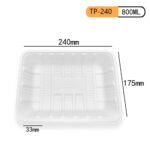
Introduction: The Role of Packaging in the Sushi Industry
Sushi, a beloved traditional Japanese dish, has gained global popularity over the years, making its way into supermarkets, restaurants, and even ready-to-eat meal options. As sushi becomes more accessible to a wider range of consumers, the packaging that holds this delicate, fresh product plays a pivotal role in maintaining its quality and appeal.
Packaging, especially plastic packaging, has been a crucial element in the evolution of the sushi industry. From humble beginnings with simple paper wraps and plastic trays, packaging has now evolved into highly sophisticated, functional, and sustainable solutions. The introduction of square PET trays has been a major milestone in this evolution, providing not only an aesthetic appeal but also practical benefits in terms of food preservation, ease of handling, and customer experience.
This article explores how square PET sushi trays have emerged as a game-changer in sushi packaging, examining their benefits, the technology behind their design, and the broader impact they have on the sushi industry as a whole.
1. The Rise of Plastic Packaging in the Sushi Industry
Before we dive into the specifics of square PET trays, it’s important to understand the historical context of sushi packaging. Initially, sushi was served in traditional containers such as wooden boxes, bamboo mats, or simple plastic film wraps. However, as demand for sushi increased globally, especially in convenience retail, the need for packaging that was both practical and visually appealing became evident.
-
Early Packaging Solutions: Traditional sushi packaging used bamboo and wooden boxes, which were often bulky and not suitable for mass production. While these materials had the advantage of preserving the natural appeal of sushi, they didn’t provide the level of functionality that modern retail and foodservice establishments demanded.
-
Shift to Plastic: The 1980s and 1990s saw a shift toward plastic packaging, driven by its lightweight, durable, and cost-effective nature. PET (Polyethylene Terephthalate) became a popular material due to its clarity, strength, and recyclability, making it an ideal choice for packaging food, particularly sushi, which needs to remain fresh and visually appealing.
-
Introduction of Square PET Trays: The innovation of square PET trays marked a turning point in the packaging of sushi. These trays offered a more compact, efficient way of packaging sushi, with the added benefit of being easily stackable for efficient transport and storage.

2. Key Features and Advantages of Square PET Sushi Trays
As sushi packaging evolved, square PET sushi trays became a popular choice due to the numerous advantages they offer over traditional packaging solutions. These advantages are not only practical but also reflect the changing needs of both manufacturers and consumers.
-
Design Flexibility: One of the most significant advantages of square PET trays is the ability to design packaging that caters specifically to sushi’s unique needs. Unlike round containers or simple film wraps, square PET trays offer more options in terms of compartments, segmentation, and stackability.
-
Enhanced Food Presentation: The high clarity of PET allows for a clear, transparent view of the sushi, making it visually appealing to customers. This is particularly important in the retail sector, where the presentation of products plays a significant role in consumer purchasing decisions.
-
Protection and Freshness: Square PET trays provide an effective barrier against contamination, moisture, and air, helping to preserve the freshness of the sushi. This is critical for sushi, which often contains raw fish and other perishable ingredients that require optimal conditions for storage and transportation.
-
Customizable Branding: PET packaging offers the flexibility to print custom branding and labels directly on the packaging. This allows sushi producers to differentiate their products and create a stronger brand presence on store shelves or at foodservice outlets.
-
Environmental Impact: As sustainability becomes increasingly important, PET’s recyclability and the rise of RPET (recycled PET) offer a more environmentally friendly alternative to traditional plastic packaging. Manufacturers can adopt sustainable PET solutions without compromising on the quality or functionality of the packaging.
3. The Role of Square PET Trays in Sushi Quality Preservation
The role of packaging in ensuring food safety and freshness cannot be overstated, especially for sushi. Sushi tray design has evolved to address these needs more effectively.
-
Moisture and Temperature Control: Square PET trays are often designed with special ventilation holes or seals to regulate airflow and moisture levels, both of which are crucial for maintaining the texture and quality of sushi. In particular, trays for sushi rolls or sashimi often feature separate compartments to prevent cross-contamination and preserve the integrity of each ingredient.
-
Tamper-Evident Features: With the growing concern over food safety and product integrity, tamper-evident lids and seals have become a key feature in square PET sushi trays. These features ensure that consumers can trust that the product has not been tampered with, adding a layer of security to the packaging.
-
Pre-packaged Convenience: The rise of pre-packaged sushi in supermarkets and convenience stores has been a significant trend. Square PET sushi trays, often pre-sealed, provide consumers with a convenient and hygienic option for purchasing sushi without compromising on freshness or taste.
4. Innovation in Sushi Tray Design: How Technology Is Changing the Packaging Landscape
Innovation in sushi tray design continues to evolve, with advancements in sustainability, aesthetic appeal, and user convenience. The future of sushi packaging is likely to see even more sophisticated solutions.
-
Smart Packaging: The incorporation of technology into food packaging is a growing trend. Smart packaging solutions, such as QR codes or temperature-sensitive labels, could provide consumers with real-time information about the freshness of their sushi or details about the packaging’s environmental footprint.
-
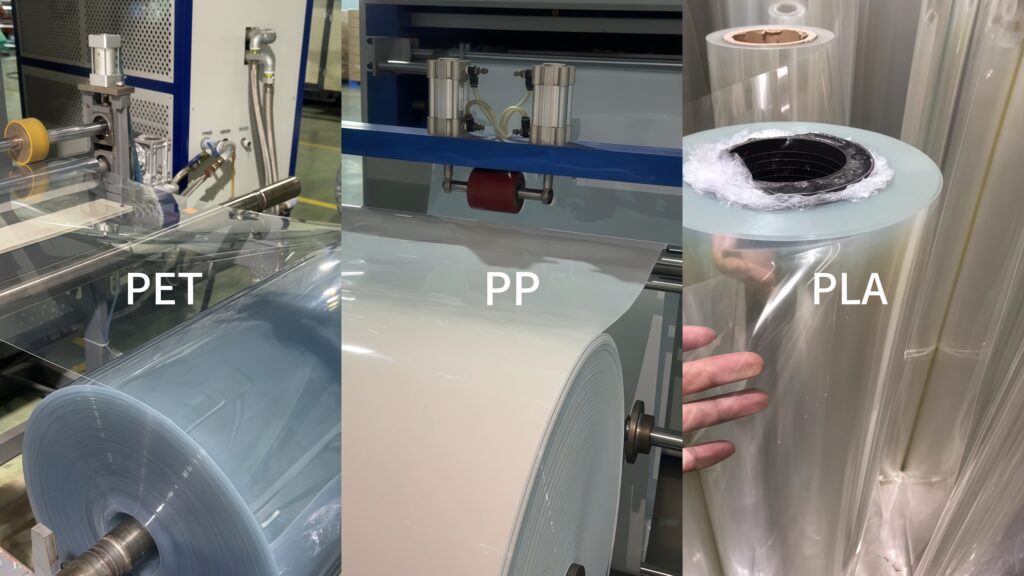
Eco-Friendly Alternatives: While PET remains a popular choice, some manufacturers are also exploring alternative materials such as PLA (Polylactic Acid) or sugarcane bagasse for sushi packaging, which are biodegradable and compostable, providing an eco-friendly solution.
-
Custom Shapes and Sizes: To cater to different sushi varieties and portion sizes, manufacturers are experimenting with custom-shaped PET trays. These bespoke designs ensure that the packaging fits perfectly with the size and presentation of the sushi, making the overall experience more enjoyable for consumers.
5. Global Trends in Sushi Packaging: A Shift Towards Sustainability
As consumer awareness of environmental issues rises, there is a growing demand for sustainable packaging across industries. The sushi packaging sector is no exception. Square PET trays are increasingly being seen as a more sustainable alternative compared to other types of plastic packaging.
-
RPET and Recycled Materials: Using recycled PET (RPET) for sushi packaging helps reduce the carbon footprint and the amount of plastic waste in landfills. This practice is becoming more common as part of the broader push for sustainability in the food packaging sector.
-
Biodegradable and Compostable Options: While PET remains a popular choice, some manufacturers are also exploring alternative materials such as PLA (Polylactic Acid) or sugarcane bagasse for sushi packaging, which are biodegradable and compostable, providing an eco-friendly solution.
-
Global Regulations: Countries around the world are implementing stricter regulations on plastic packaging. For example, the European Union has introduced policies to reduce single-use plastics, and many companies are responding by adopting sustainable packaging solutions, such as RPET trays.
6. The Impact of Square PET Trays on Consumer Experience
The evolution of square PET sushi trays goes beyond just functionality; it is also about enhancing the consumer’s overall experience.
-
Convenience: Square PET sushi trays make it easy for consumers to grab a fresh, high-quality sushi meal on the go. Whether in a convenience store, supermarket, or at a sushi bar, these trays offer portability and ease of handling, making them a preferred choice for busy consumers.
-
Increased Shelf Life: One of the critical factors driving the popularity of square PET sushi trays is their ability to preserve sushi’s freshness for longer periods, thanks to superior sealing and storage conditions. This allows consumers to enjoy high-quality sushi that maintains its taste, texture, and visual appeal.
-
Aesthetic Appeal: Consumers are more likely to purchase products that are visually appealing. Square PET trays allow sushi to be presented in an attractive, modern way that appeals to the eye, making it more likely to attract consumers in a crowded retail space.
7. The Future of Square PET Sushi Trays: What Lies Ahead
Looking ahead, the future of sushi packaging seems bright, with square PET trays continuing to evolve to meet new challenges and opportunities. Innovations in material science, design, and sustainability will drive the next generation of sushi packaging.
-
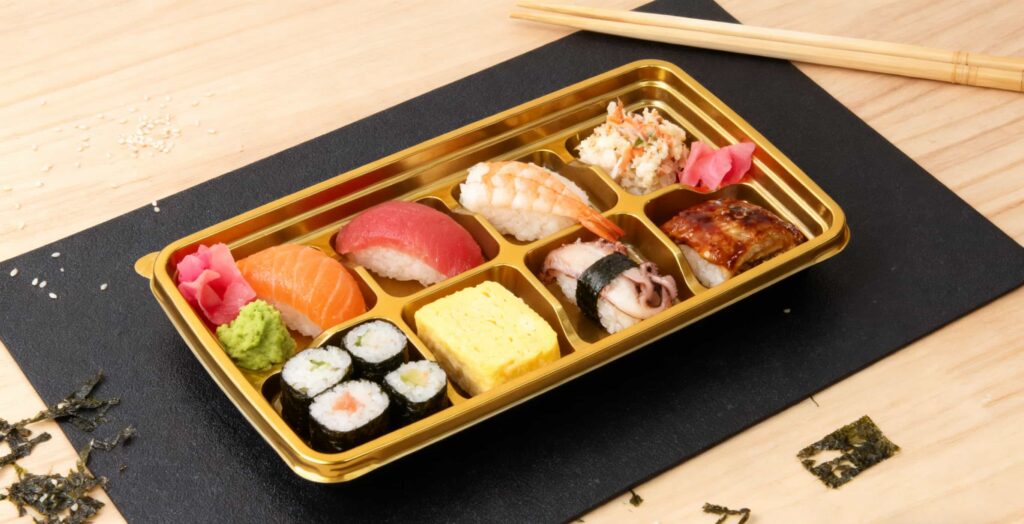
Further Innovations in Design: The future may see even more ergonomically designed trays that enhance the ease of eating and convenience for consumers. Additionally, multi-compartment trays could become more common, allowing for sushi to be paired with dipping sauces, wasabi, or sides.
-
Sustainability as a Core Principle: As sustainability becomes increasingly important to consumers, square PET sushi trays made from 100% recycled PET or biodegradable materials could become standard, making sushi packaging both functional and environmentally friendly.
Conclusion
The evolution of sushi packaging has come a long way from the traditional wooden boxes to the modern, functional square PET trays that we see today. These trays have transformed the sushi industry by offering a more practical, visually appealing, and sustainable solution for packaging sushi. As consumers demand more convenience and eco-friendly options, square PET trays are poised to continue shaping the future of sushi packaging, creating a balance between innovation, sustainability, and aesthetic appeal.
FAQ (Frequently Asked Questions)
-
What are the main benefits of using square PET trays for sushi?
Square PET trays provide excellent durability, clarity, and a secure seal, which helps maintain the freshness of sushi. The square shape offers better space optimization, making it easier to stack and store products, while the clear PET material allows consumers to visually assess the quality of the sushi. Additionally, the trays can be customized with branding and labels, helping to enhance product visibility and differentiate brands. -
How does square PET packaging preserve the freshness of sushi?
The airtight and moisture-regulating design of square PET trays helps preserve the quality of sushi by preventing contamination and oxidation. Many PET trays are equipped with ventilation holes or tamper-evident seals that allow for optimal airflow and prevent excess moisture buildup, which could otherwise lead to a loss of texture and flavor, particularly in sushi containing raw fish or seafood. -
Are square PET sushi trays recyclable?
Yes, PET is one of the most widely recycled plastics globally. RPET (Recycled PET) is a sustainable alternative, which allows companies to reduce the use of virgin plastic. Many manufacturers are now using RPET for sushi trays, contributing to a more sustainable circular economy. However, it’s important to ensure that the trays are recycled properly, as not all PET packaging is recycled universally. -
Can square PET trays be customized for different sushi varieties?
Absolutely! Square PET trays offer high design flexibility, allowing them to be customized to fit various types of sushi, from rolls to sashimi and nigiri. Manufacturers can design trays with different compartment sizes, shapes, and depths to ensure that each sushi variety is appropriately displayed and protected. Custom tray designs also allow for a better fit for sauces, condiments, and even accompaniments like wasabi and ginger. -
Do square PET trays protect sushi during transport?
Yes, square PET trays are designed to be sturdy and protective. The strength and structural integrity of PET make it an ideal material for preventing physical damage to delicate sushi during transport. The snug-fitting lids help prevent contamination and spillage, ensuring that the sushi reaches its destination intact, whether in retail stores, supermarkets, or as takeaway orders. -
What makes square PET trays more suitable than round or rectangular trays for sushi packaging?
Square PET trays have several advantages over other shapes. Their compact design allows for more efficient use of shelf space and easier stacking, especially in tight storage areas. The angular corners of square trays provide better stability and organization during transportation. Moreover, the square shape allows for more precise compartmentalization, making it easier to separate sushi varieties or keep sauces separate, which is crucial for maintaining the freshness and flavor of the sushi. -
Are there any eco-friendly options for square PET trays?
Yes, eco-friendly alternatives like RPET (Recycled PET) are becoming more common in the packaging industry. RPET trays are made from post-consumer recycled PET, reducing the environmental impact by reusing plastic waste. Additionally, some companies are exploring biodegradable or compostable materials, such as PLA (Polylactic Acid) and sugarcane bagasse, for sushi trays as part of the drive to reduce single-use plastics. -
How do square PET trays compare to other sushi packaging materials in terms of cost?
While square PET trays may have a higher initial cost compared to traditional materials like foam or cardboard, they are cost-effective in the long run due to their durability and reusable nature. PET trays are lightweight, which helps reduce shipping costs. Additionally, their superior presentation and protective features can lead to higher customer satisfaction, potentially increasing repeat business and revenue for restaurants and food retailers. -
Can square PET sushi trays be used for both hot and cold sushi?
Square PET trays are primarily designed for cold sushi such as sushi rolls, sashimi, or nigiri, due to their ability to maintain freshness and prevent condensation. However, PET is not suitable for extremely high temperatures, so it is generally not recommended for packaging hot sushi or warm dishes. PLA or CPET (Crystallized PET) could be more appropriate for hot foods, as they are more heat-resistant. -
How do square PET trays contribute to a better customer experience?
Square PET trays enhance the customer experience in several ways:-
Visual Appeal: The clarity of PET ensures that sushi looks fresh and appealing, which increases consumer confidence in the product.
-
Convenience: Easy-to-carry and stackable, square PET trays are user-friendly for consumers on the go. The transparent design also helps customers quickly check the contents before purchase.
-
Freshness Assurance: With proper sealing, square PET trays help keep sushi fresh for longer periods, ensuring customers receive high-quality products every time.
-
References
-
Sharma, S. (2021). Recycled PET (RPET): A Circular Solution for the Packaging Industry. Environmental Packaging Technology Journal, 8(3), 65-79.
This paper highlights the importance of RPET in reducing packaging waste and promoting a circular economy within the packaging sector. -
Williams, P. (2020). The Role of Customization in Modern Packaging Design. Journal of Packaging Innovation, 15(2), 45-59.
Discusses the growing trend of custom packaging in food sectors, particularly in the sushi industry. - Environmental Protection Agency (EPA). (2020). Plastics: Material-Specific Data. Retrieved from https://www.epa.gov
Official EPA report detailing the recycling rates and impact of PET plastics.
Copyright Statement
© 2025 Dashan Packing. All rights reserved.
This article is an original work created by the Dashan Packing editorial team.
All text, data, and images are the result of our independent research, industry experience,
and product development insights. Reproduction or redistribution of any part of this content
without written permission is strictly prohibited.
Dashan Packing is committed to providing accurate, evidence-based information and
to upholding transparency, originality, and compliance with global intellectual property standards.