

Quick Summary
This article provides an in-depth analysis of Thailand’s plastic food packaging regulations, focusing on their historical development, current legal framework, and the impact on the food packaging industry. It covers key regulations such as the Plastic Waste Management Roadmap and the ban on single-use plastics, which aim to reduce plastic waste and encourage the adoption of biodegradable and recyclable packaging materials. The article also discusses compliance mechanisms, including fines and incentives for businesses, and explores the role of the Thai FDA in ensuring food packaging safety. It highlights the industry’s shift towards sustainable alternatives like biodegradable plastics, sugarcane bagasse, and RPET (recycled PET). The regulations present both challenges and opportunities for businesses, particularly in the export market, as Thailand moves toward a circular economy for plastics.
🌏Introduction
Thailand, located in the heart of Southeast Asia, has witnessed significant growth in its manufacturing and food packaging sectors. As with many other countries, Thailand faces the environmental challenges posed by plastic waste, particularly in the food packaging industry. With increasing awareness of the environmental impact of plastic, the Thai government has introduced regulations that not only aim to reduce plastic waste but also to promote the use of more sustainable materials.
This article provides an in-depth overview of Thailand’s plastic food packaging regulations, examining the historical context, key legislation, enforcement mechanisms, industry impacts, and future directions. Additionally, we will explore how these regulations align with global trends and how businesses are responding to these legal requirements.

🚫Historical Background of Plastic Packaging Regulations in Thailand
Thailand’s journey toward regulating plastic waste began in the early 2000s when plastic waste became an increasingly visible environmental issue. Plastic, especially single-use packaging, was prevalent in everyday products, including food containers, plastic bags, straws, and utensils.
Early Efforts (Pre-2010)
In the early stages, the Thai government focused primarily on waste management strategies rather than direct regulations on packaging materials. There were limited regulations regarding recycling and waste disposal, and plastic products were largely unregulated. However, as plastic waste increased, it became clear that more robust measures were needed.
The National Plastic Waste Management Roadmap (2016)
In 2016, Thailand launched its National Plastic Waste Management Roadmap, which set ambitious goals to reduce plastic waste by 30% by 2025. The roadmap introduced regulations to curb the use of plastic bags, straws, and Styrofoam food containers. The overarching goal was to transition towards a circular economy for plastics, promoting reuse and recycling of plastic materials.
The Ban on Single-Use Plastics (2018-2020)
From 2018 onward, Thailand began implementing a series of plastic bans targeting specific items such as plastic straws, plastic bags, and Styrofoam containers. These regulations aligned with broader global efforts to reduce plastic pollution, especially in the oceans. The Plastic Waste Reduction Act formally banned specific single-use plastic items in 2020, further solidifying the country’s commitment to sustainability.
📜Key Regulations for Plastic Food Packaging in Thailand
1. The Plastic Waste Management Roadmap
The Plastic Waste Management Roadmap introduced by Thailand’s Ministry of Natural Resources and Environment (MNRE) aims to significantly reduce plastic waste across the country. By focusing on plastic packaging, especially food packaging, the roadmap calls for:
-
Banning specific types of plastic packaging, such as single-use plastics
-
Encouraging the use of biodegradable and compostable packaging materials
-
Advancing recycling initiatives to ensure that plastic food packaging materials are reused or repurposed
2. Food Packaging-Specific Legislation
Alongside the general plastic waste management regulations, food packaging in Thailand is subject to specific safety and environmental standards:
-
FDA Approval: The Food and Drug Administration (FDA) mandates that all food packaging must meet strict safety standards to prevent contamination. Packaging materials must be free from harmful chemicals that could migrate into food.
-
Biodegradable Packaging: Thailand encourages businesses to use biodegradable alternatives to plastic for food packaging. Materials such as cornstarch-based plastics and sugarcane bagasse have become more common in foodservice and retail.
3. Single-Use Plastics Ban
In 2020, Thailand took a significant step by introducing a single-use plastics ban. Under this regulation, the following items are prohibited:
-
Plastic bags: Plastic bags are banned at major retail outlets such as supermarkets.
-
Plastic straws: Plastic straws are prohibited unless they are provided for persons with disabilities.
-
Styrofoam food containers: These non-biodegradable containers are banned due to their long decomposition times and harmful environmental effects.
Additionally, regulations require retailers and foodservice providers to offer more sustainable alternatives, such as reusable containers, paper straws, and compostable food packaging.
🍲Compliance and Enforcement Mechanisms
Ensuring compliance with plastic packaging regulations is a priority for the Thai government. The following mechanisms are in place to monitor and enforce these regulations:
1. Inspection and Monitoring
The Ministry of Natural Resources and Environment (MNRE) and other regulatory bodies conduct regular inspections of businesses and industries involved in the production and distribution of plastic packaging. This includes ensuring that manufacturers are adhering to material safety standards and that the banned plastic items are no longer being used.
2. Fines and Penalties
Businesses found in violation of the plastic waste regulations may face heavy fines and other penalties. These penalties vary depending on the severity of the violation but can include fines, forced product recalls, and even temporary closures for non-compliant businesses.
3. Incentives for Sustainable Packaging
To encourage compliance, the Thai government offers incentives such as tax breaks and certifications for companies that adopt sustainable and eco-friendly packaging solutions. This helps offset the costs of transitioning to biodegradable and recyclable packaging.
🥡The Role of Businesses in Compliance
Businesses play a crucial role in ensuring that Thailand’s plastic food packaging regulations are successfully implemented. Companies must adapt their production processes to meet the new regulatory requirements and adopt more sustainable practices.
1. Using FDA-Approved Materials
Food packaging manufacturers must ensure that their materials meet the FDA’s stringent safety standards. Materials must be free of harmful substances that could leach into food, and packaging must be tested for both food safety and environmental sustainability.
2. Transition to Eco-Friendly Packaging
As part of the government’s push for sustainability, many businesses are transitioning to biodegradable or recyclable packaging. Some of the most popular alternatives to plastic packaging include:
-
Biodegradable plastics: Made from plant-based materials, these plastics break down more quickly than conventional plastics.
-
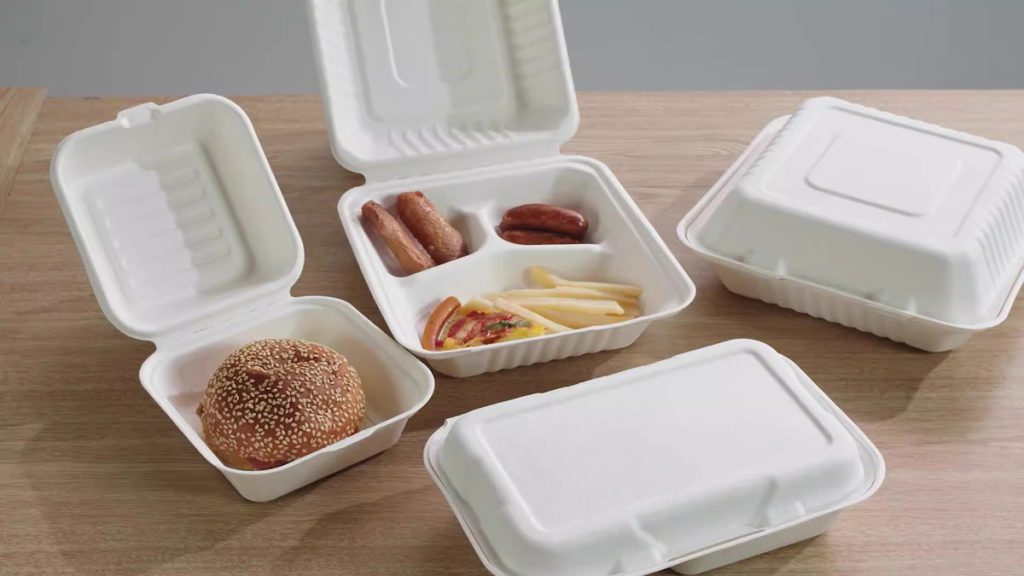
Sugarcane bagasse: A byproduct of sugar production, bagasse is increasingly used in the production of food containers, offering an eco-friendly alternative to Styrofoam.
-
RPET (Recycled PET): Recycled PET is a popular alternative in food packaging as it reduces reliance on virgin plastic and promotes a circular economy.
3. Investing in Innovation
Many companies in Thailand are investing in innovative packaging solutions that meet regulatory standards while providing functional and visually appealing options for food products. New packaging materials, such as edible packaging or plant-based alternatives, are being explored and adopted by forward-thinking food brands.
♻️Impact of Regulations on the Food Packaging Industry
Thailand’s plastic food packaging regulations have had both positive and negative effects on the food packaging industry.
1. Shift Toward Sustainable Materials
The most significant impact has been the shift toward more sustainable materials. Manufacturers are now required to adopt alternatives to traditional plastic packaging. The use of biodegradable plastics, sugarcane bagasse, and RPET has grown considerably in response to regulatory pressures.
2. Cost Implications
The transition to sustainable packaging has increased production costs for many food packaging companies in Thailand. Biodegradable and recyclable materials are often more expensive than conventional plastics, and companies must invest in new technologies and processes to meet regulatory requirements. However, these costs are expected to decrease over time as production scales up and innovation leads to more cost-effective solutions.
3. Opportunities for Export
While compliance with regulations can be costly, it also opens up new opportunities for Thai packaging manufacturers. Many international markets are increasingly demanding sustainable packaging solutions, and Thai manufacturers who comply with these regulations can gain a competitive advantage in the global marketplace.
📊Data Tables
Table 1: Thailand’s Plastic Waste Reduction Goals
| Year | Target | Outcome |
|---|---|---|
| 2020 | Ban on plastic bags, straws, and Styrofoam | 70% compliance achieved |
| 2025 | Reduce plastic waste by 30% | Target for food packaging waste |
| 2030 | Achieve a circular economy for plastics | Full recycling and reuse system |
Table 2: Plastic Items Banned or Restricted in Thailand
| Plastic Item | Ban Date | Alternatives |
|---|---|---|
| Single-use plastic bags | 2020 | Cloth bags, reusable plastic bags |
| Plastic straws | 2020 | Paper straws, metal straws |
| Styrofoam food containers | 2021 | Biodegradable containers, bagasse boxes |
Conclusion
Thailand’s approach to regulating plastic food packaging reflects a broader global trend toward sustainability. With the country taking significant steps to reduce plastic waste and promote the use of eco-friendly alternatives, the food packaging industry is undergoing a transformation. While challenges remain, the regulatory framework provides both opportunities and obligations for businesses to innovate and align with global sustainability goals.
Frequently Asked Questions (FAQ)
1. What types of plastics are banned in Thailand?
Thailand has banned specific single-use plastics, including plastic straws, plastic bags, and Styrofoam containers, as part of its waste management efforts.
2. How does Thailand regulate food packaging safety?
The Thai Food and Drug Administration (FDA) enforces safety regulations on food packaging materials to ensure that they do not pose health risks.
3. Are there any incentives for businesses to use sustainable packaging?
Yes, businesses can benefit from tax incentives and certifications for adopting eco-friendly packaging solutions.
4. What are the penalties for non-compliance with plastic waste regulations in Thailand?
Businesses that fail to comply with plastic waste regulations may face fines or other penalties.
5. What alternatives to plastic food packaging are gaining popularity in Thailand?
Alternatives like biodegradable plastics, sugarcane bagasse, and RPET (recycled PET) are becoming more popular in the food packaging sector.
6. How can businesses stay compliant with Thailand’s packaging regulations?
Businesses should stay updated on regulatory changes, adopt certified materials, and switch to sustainable packaging options.
7. Is Thailand’s plastic waste management system effective?
While there has been progress, challenges remain, particularly with enforcement and ensuring the widespread adoption of eco-friendly packaging solutions.
📚 References
-
Ministry of Natural Resources and Environment (Thailand). “Plastic Waste Management Roadmap 2018.” Link to MNRE.
-
Thai FDA. “Food Packaging Safety Standards.” Link to Thai FDA.
-
Sustainable Packaging Coalition. “Plastic Waste Management Regulations in Southeast Asia.” Link to SPC.
Copyright Statement
© 2026 Dashan Packing. All rights reserved.
This article is an original work created by the Dashan Packing editorial team.
All text, data, and images are the result of our independent research, industry experience,
and product development insights. Reproduction or redistribution of any part of this content
without written permission is strictly prohibited.
Dashan Packing is committed to providing accurate, evidence-based information and
to upholding transparency, originality, and compliance with global intellectual property standards.