

Introduction
Plastic pollution remains a global environmental challenge. Since the 2008 Plastic Ban, China has steadily promoted sustainable biodegradable packaging alternatives. The national standard for biodegradable plastic shopping bags, enforced over five years, has cut traditional plastic bag use by around 20 billion annually. This shift greatly aids carbon reduction and resource conservation.
1. Policy Background and Why It Matters
- Standard Implementation: Launched over five years ago as a key extension of China’s Plastic Ban policy.
- Objective: Replace traditional polyethylene (PE) bags with biomass-based or biodegradable synthetic polymer bags.
- Significance:
- Curb “White Pollution”: Reduces long-lasting plastic waste.
- Green Growth: Encourages bio-based material industry development.
📊 [Insert Infographic #1: Policy Impact at a Glance]
Visual Elements:
- Title: “Impact of Biodegradable Plastic Shopping Bag Standard”
- Four Data Points:
✅ 20 billion fewer plastic bags/year
✅ 1.2 million tonnes of oil saved (5-year cumulative)
✅ 840,000 tonnes CO₂ reduction
✅ 70% lower carbon emissions vs PE bags
Design Idea: Icons for plastic bag reduction, oil barrel, CO₂ symbol, green leaf for sustainability.
2. Key Achievements in Numbers
Every year since implementation:
- 20 billion fewer PE bags
- 1.2 million tonnes of crude oil saved
- 840,000 tonnes of CO₂ emissions avoided
- PLA-based bags cut carbon by 70% compared to PE
3. What the Standard Requires
- Raw materials must come from biomass resources (corn, sugarcane, cassava) or biodegradable polymers.
- Common materials: PLA (Polylactic Acid), PBAT, PHA.
- Must fully degrade under industrial composting conditions without leaving microplastics.
🔍 [Insert Infographic #2: PLA vs PE – Which is Greener?]
Visual Layout:
Comparison Table with Icons
| Feature | PLA (Polylactic Acid) | PE (Polyethylene) |
|---|---|---|
| Source | Renewable (plants) | Fossil fuel-based |
| Carbon Emission | -70% vs PE | High |
| Degradability | Industrial compostable | Non-degradable |
| Eco Impact | Low | High |
4. Timeline: China’s Journey to Plastic Reduction
[Insert Infographic #3: Timeline Visual]
- 2008: Plastic Ban introduced
- 2020: Single-use plastic restrictions strengthened
- 2021: Full implementation of biodegradable bag standard
- 2025: Goal – Major cities to eliminate non-degradable plastic bags
5. Opportunities for Businesses
- Retail & E-commerce: Adopt eco-packaging to align with supply chain compliance.
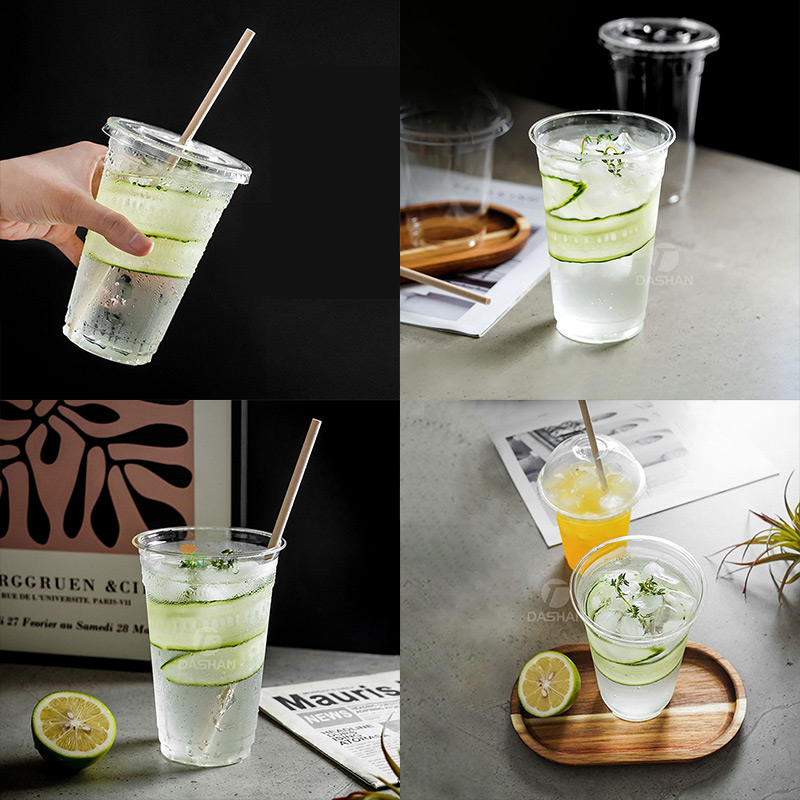
- Food Packaging: Shift to PLA and PBAT for takeaway boxes, drink cups.
- Manufacturers: Scale biodegradable production to meet demand surge.
6. FAQs
Q1: Do biodegradable bags completely decompose?
Yes, under industrial composting conditions, they break down into water and CO₂ without microplastic residue.
Q2: Are they much costlier than plastic bags?
Currently slightly higher, but prices are falling with scale.
Q3: Can I compost them at home?
Most require industrial composting; home composting is slower.
Conclusion: Towards a Plastic-Free Future
The adoption of Biodegradable Plastic Shopping Bag standards has drastically reduced plastic waste and advanced green economy goals. As technology improves and costs fall, biodegradable materials will replace traditional plastics across industries. Together, businesses and consumers can drive sustainable change.
✅ References
- European Bioplastics. (2023). Bioplastics market data 2023.
https://www.european-bioplastics.org/market/ - ISO. (2019). ISO 17088: Specifications for compostable plastics.
https://www.iso.org/standard/76505.html - Ellen MacArthur Foundation. (2021). The New Plastics Economy.
https://ellenmacarthurfoundation.org/the-new-plastics-economy - European Commission. (2020). Directive (EU) 2019/904.
https://eur-lex.europa.eu/legal-content/EN/TXT/?uri=CELEX%3A32019L0904 - OECD. (2022). Global plastics outlook.
https://www.oecd.org/environment/global-plastics-outlook-policy-scenarios-to-2060-bd9d6b90-en.htm - ASTM International. (2020). ASTM D6400.
https://www.astm.org/d6400-21.html - Nature Sustainability. (2022). Environmental impacts of biodegradable plastics.
https://www.nature.com/articles/s41893-022-00895-y - UN Environment Programme. (2022). Turning off the Tap.
https://www.unep.org/resources/turning-tap-how-world-can-end-plastic-pollution-and-create-circular-economy
Disclaimer & Copyright Notice
This article is created by the Dashan Packing editorial and research team.All information presented here is for educational and industry reference purposes only.Some data and standards cited in this article are sourced from publicly available materials,official regulatory documents, or third-party publications, which are properly credited where applicable.
All rights to third-party trademarks, images, and content belong to their respective owners.If any copyrighted material has been used inadvertently, please contact us at [email protected] respect intellectual property rights and will promptly remove or revise any material upon verification.