

Introduction
In an era where environmental consciousness is at the forefront, the packaging industry has made strides in embracing materials that are less harmful to the planet. One such material is Polyactic Acid (PLA), a biodegradable plastic derived from renewable resources like corn starch, sugarcane, and other plant-based sugars. Often marketed as a sustainable alternative to petroleum-based plastics, PLA has garnered attention for its potential to reduce the plastic waste burden on the environment.
This article explores the reasons why PLA is considered eco-friendly, its limitations in real-world applications, and how companies, like Xiamen Dashan, are contributing to its adoption in foodservice and retail packaging solutions. Additionally, we will delve into the advantages and challenges of PLA in comparison with other biodegradable materials and traditional plastics, offering a balanced view of its practical uses.
Why PLA is Considered Eco-Friendly
1. Renewable Resource Base
One of the defining features of PLA is that it is made from renewable resources such as corn starch, sugarcane, or other plant-based sugars. Unlike conventional plastics, which are derived from fossil fuels, PLA comes from crops that can be replenished annually. This makes it a more sustainable option compared to petroleum-based plastics that contribute to resource depletion and environmental degradation.
Furthermore, the production of PLA helps to reduce the dependency on fossil fuels, a crucial step towards mitigating climate change. The use of plant-based feedstocks enables a more sustainable manufacturing process, which is an important consideration for industries seeking to reduce their environmental footprint.
2. Biodegradability
PLA is also renowned for its biodegradable properties. In industrial composting environments, PLA breaks down into natural components like water and carbon dioxide in just a few months. This stands in stark contrast to conventional plastics, which can take hundreds of years to decompose, contributing to the growing problem of plastic pollution.
However, it is important to note that PLA requires specific composting conditions—a regulated temperature and humidity typically found in industrial composting facilities. While PLA is biodegradable under these conditions, it does not break down effectively in a landfill or natural environments, making it necessary to direct PLA waste to composting systems for optimal disposal.
3. Lower Carbon Footprint
The production of PLA generates a lower carbon footprint compared to traditional plastic manufacturing. This is due to the fact that plants absorb CO2 during their growth phase, offsetting a significant portion of the carbon emissions associated with PLA production. As a result, PLA represents a more eco-friendly alternative in industries striving to minimize their carbon impact.
Moreover, the energy consumption required to produce PLA is lower than that of conventional plastics, which are derived from oil. This contributes to the overall reduction in greenhouse gas emissions in the packaging industry, making PLA an attractive option for companies looking to adopt more sustainable practices.
4. Non-Toxic and Safe for Humans and Animals
PLA is a non-toxic material, free from harmful substances such as Bisphenol A (BPA), which is commonly found in certain plastics. This makes PLA a safer alternative for food packaging, as it poses no risk of contaminating food with harmful chemicals. Moreover, during its production, PLA does not release toxic emissions or pollutants, ensuring that it does not harm humans, animals, or plants.
As consumers become more conscious of the materials that come into contact with their food, PLA provides a safer and healthier packaging option. It also reduces concerns about plastic leaching chemicals into the food during storage or transport.
5. Versatility in Applications
PLA has a wide range of applications in the packaging and foodservice industries. Its clarity, strength, and lightweight nature make it an ideal choice for a variety of products, such as:
-
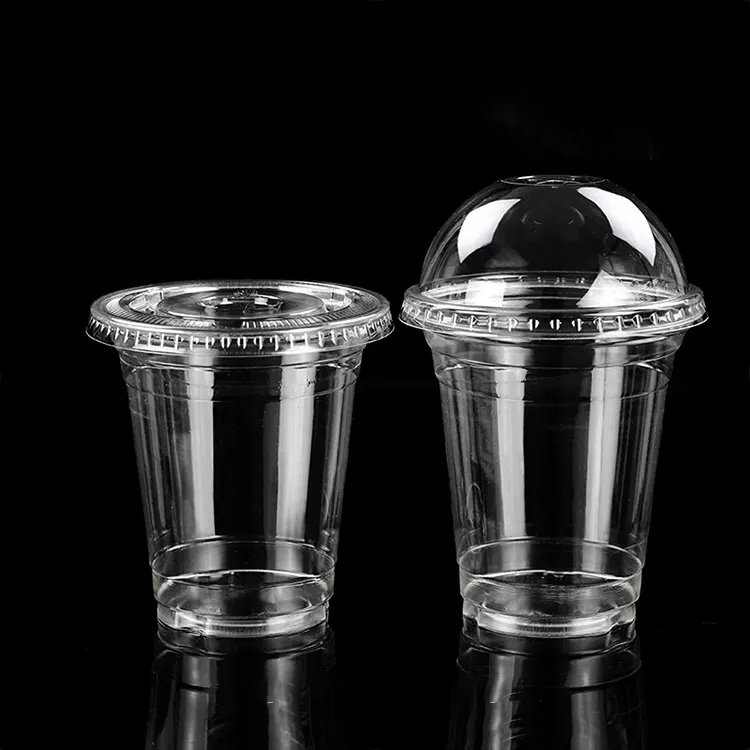
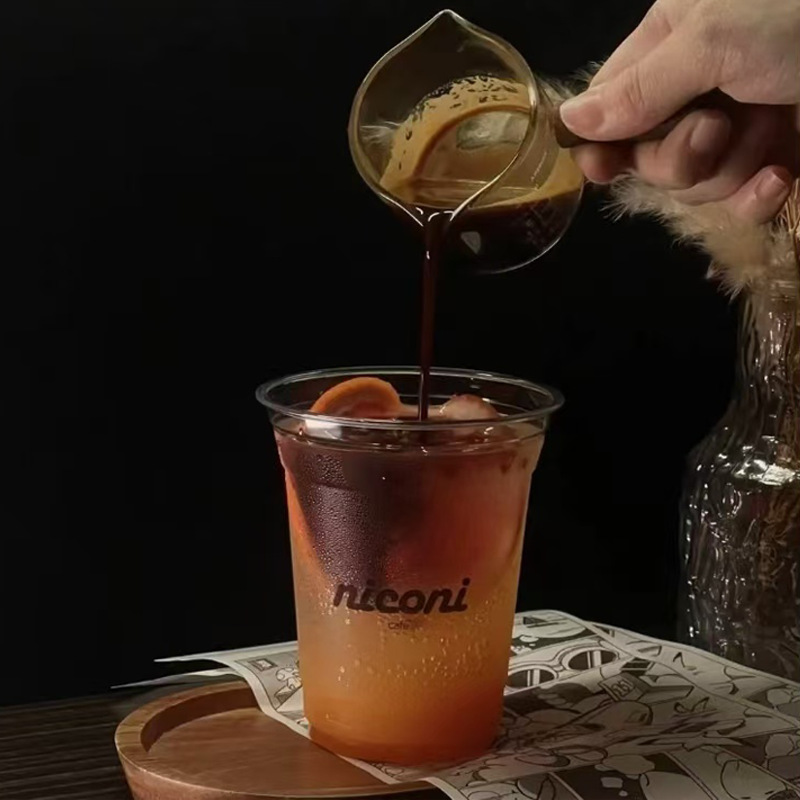
Beverage cups: PLA is often used for cold drinks such as water, juice, and iced beverages.
-
Food containers: Ideal for cold items like salads, sandwiches, and fresh produce.
-
Cutlery and plates: Disposable PLA cutlery and plates are widely used in catering and takeout services.
-
Other packaging solutions: PLA is also used for bags, straws, and more, providing an eco-friendly solution across multiple sectors.
Due to its versatility, PLA has become increasingly popular in industries aiming to reduce their environmental impact while still maintaining product quality and presentation.
Limitations of PLA
While PLA offers many environmental advantages, it is not without its limitations. Understanding these limitations is crucial for businesses and consumers considering PLA as a sustainable packaging material.
1. Not Suitable for Hot Food Applications
A major drawback of PLA is that it is not suitable for use with hot food or hot beverages. PLA begins to soften at temperatures as low as 50°C (122°F), which makes it an unsuitable option for packaging hot items like soups, curries, or hot drinks. This significantly limits its application in the foodservice industry, particularly for fast food or takeaway meals that require heat resistance.
In these instances, materials like CPET or PP (polypropylene) are often preferred, as they can withstand higher temperatures without losing structural integrity.
2. Industrial Composting Requirements
While PLA is biodegradable, it requires specific conditions to break down effectively. Industrial composting facilities maintain the ideal environment for PLA degradation, typically involving temperatures above 50°C, adequate humidity, and a controlled composting period of around 6-12 months.
However, such facilities are not available in all regions, and PLA that ends up in landfills or incinerators will not degrade efficiently, potentially creating long-term environmental waste. This highlights the importance of ensuring proper waste management systems are in place for PLA products.
3. Limited Durability
PLA products are generally less durable than those made from traditional plastics. PLA tends to be more brittle and can break or crack more easily under pressure, which makes it unsuitable for applications that require high durability or resistance to physical stress.
For example, PLA food containers may not be able to handle rough handling during transportation or extended exposure to moisture, which can reduce their effectiveness in packaging certain products.
4. Environmental Impact During Production
While PLA production is considered less harmful than petroleum-based plastics, it still has an environmental impact. The process of growing and harvesting crops for PLA feedstock requires significant water and land resources, which can have environmental consequences if not managed sustainably.
Moreover, large-scale PLA production often involves the use of chemical processes, including the use of acids and solvents, which can result in pollution if proper waste management protocols are not followed.
5. Higher Cost
Currently, PLA production is more expensive than the manufacturing of traditional plastics. The higher costs are mainly due to the agricultural processes required to produce the raw materials, as well as the specialized technology needed for PLA processing. As a result, products made from PLA tend to be priced higher than those made from conventional plastics, making them less cost-effective for some industries.
6. Limited Recycling Infrastructure
While PLA is biodegradable, it is not easily recyclable in conventional recycling systems. PLA can contaminate recycling streams if it is mixed with other plastics such as PET or HDPE, leading to inefficiencies and waste in recycling efforts. In many areas, PLA products are not accepted in curbside recycling programs, further complicating their disposal and recycling.
Applications of PLA in Packaging and Foodservice
PLA has been widely adopted in food packaging, especially for products that are intended for cold food or beverages. Common applications include:
-
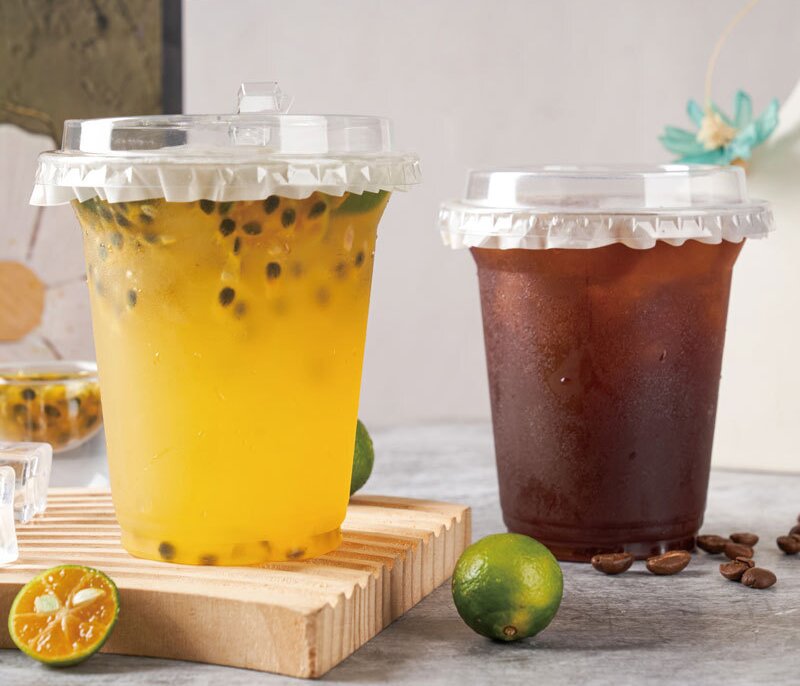
Beverage Cups: PLA is used in the production of transparent cups for cold beverages, such as smoothies, juices, and iced coffee.
-
Food Containers: PLA containers are popular for packaging fresh produce, salads, sandwiches, and other cold food items.
-
Cutlery and Plates: PLA cutlery and plates are increasingly being used in takeout services, catering, and outdoor events.
Due to its eco-friendly nature, PLA packaging is also a preferred choice for companies looking to reduce their environmental impact and cater to eco-conscious consumers.
PLA in Your Company: Dashan’s Contribution to Sustainability
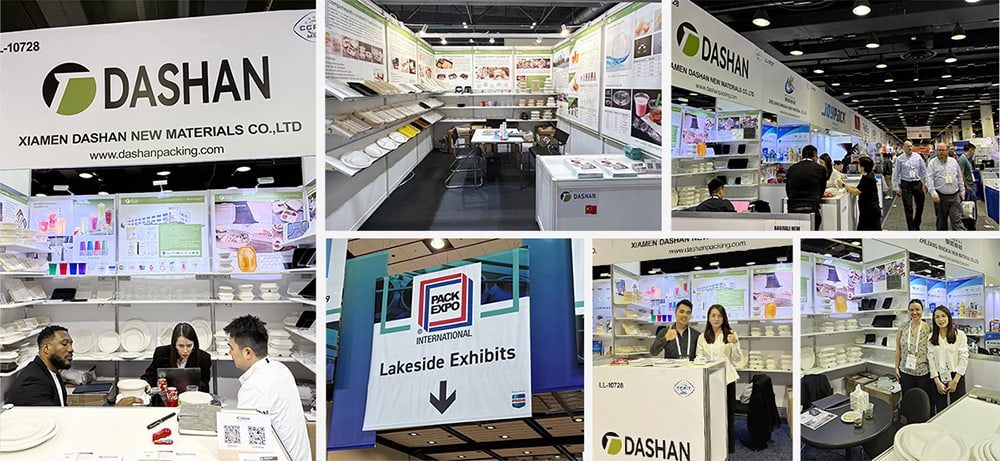
Xiamen Dashan is a trusted manufacturer of high-quality food packaging solutions, offering a wide range of PLA-based products that meet global sustainability standards. With years of expertise in the packaging industry, Dashan is dedicated to providing customizable PLA packaging solutions to meet the evolving needs of businesses in foodservice, retail, and distribution.
We provide a variety of PLA cups, PLA containers, and other eco-friendly packaging solutions, with a focus on durability, safety, and visual appeal. At Dashan, we are committed to helping our customers reduce their environmental impact by offering innovative, sustainable, and customizable packaging options that do not compromise on quality.
Comparing PLA with Other Materials
| Property | PLA | PET | RPET |
|---|---|---|---|
| Source | Renewable resources (corn, sugarcane) | Petroleum-based | Recycled PET |
| Biodegradability | Biodegradable in industrial composting | Not biodegradable | Recycled, not biodegradable |
| Temperature Resistance | Low (50°C) | High (up to 70°C) | High (up to 70°C) |
| Cost | Higher than conventional plastics | Lower | Similar to PET |
| Sustainability | Renewable, but requires specific composting | Limited (Fossil-based) | Reduces plastic waste by recycling |
| Transparency | High | High | High |
Customization Options for PLA Packaging
At Dashan, we offer customizable PLA packaging to meet the specific needs of businesses. These include:
-
Custom Prints and Branding: Personalize your PLA products with your company’s logo, artwork, or message.
-
Size and Shape: We provide a variety of sizes and shapes for different packaging needs.
-
Lid Options: Choose from flat, dome, or custom-designed lids for your PLA cups and containers.
Dashan’s flexible and innovative approach ensures that businesses can find the right PLA packaging solution for their unique needs.
FAQs
1. What is PLA made from?
PLA is made from renewable resources like corn starch or sugarcane, making it a biodegradable plastic alternative.
2. Can PLA be used for hot food packaging?
No, PLA is not suitable for hot food or beverages as it begins to soften at temperatures above 50°C.
3. Is PLA biodegradable?
Yes, PLA is biodegradable under industrial composting conditions but requires specific temperature and humidity levels.
4. Can PLA be recycled?
PLA is not easily recyclable in conventional plastic recycling streams, which can lead to contamination.
5. How is PLA more eco-friendly than conventional plastics?
PLA is made from renewable resources, has a lower carbon footprint, and is biodegradable in the right conditions.
6. Does PLA break down in landfills?
PLA requires industrial composting conditions to break down efficiently. In landfills, it may take longer to degrade.
7. How does PLA compare with PET and RPET?
While PLA is biodegradable, PET and RPET are more durable and heat-resistant but not biodegradable.
Conclusion
PLA offers significant environmental benefits, particularly as a biodegradable and renewable plastic alternative. However, it has limitations related to heat resistance, composting requirements, and durability. Businesses must weigh these factors when selecting packaging materials to ensure they meet both sustainability goals and practical needs. At Xiamen Dashan, we are committed to providing high-quality PLA packaging solutions that combine eco-friendliness with innovation, helping our customers contribute to a more sustainable future.