
Quick Summary
Choosing food packaging like an expert requires looking beyond material labels and unit price. Professional buyers evaluate packaging based on real-use performance, food chemistry, temperature exposure, compliance risk, and supply-chain stability. Understanding the true strengths and limitations of PET, PP, PLA, CPET, RPET, cornstarch-based materials, and bagasse helps prevent costly failures, complaints, and recalls while supporting long-term brand growth.
Choosing food packaging at a professional level is not about selecting a material name from a supplier’s catalog. It is about managing risk, performance, compliance, cost predictability, and brand responsibility simultaneously.
Experienced buyers—importers, private-label brand owners, airline caterers, QSR chains, and food manufacturers—approach packaging decisions very differently from first-time purchasers. They understand that packaging is not a commodity; it is a functional system that interacts with food chemistry, temperature, logistics, regulations, and consumer perception.
This article breaks down how expert buyers evaluate food packaging, why material labels alone are misleading, and how to select PET, PP, PLA, CPET, RPET, cornstarch-based materials, and bagasse correctly—based on real-world performance rather than marketing claims.
1. Why Professional Buyers Think Differently About Packaging

Less experienced buyers often start with simplified questions:
-
“Is this packaging eco-friendly?”
-
“Is it biodegradable or recyclable?”
-
“Is the price competitive?”
-
“What material is it made of?”
Experienced buyers start with failure scenarios.
They ask:
-
What could go wrong during filling?
-
What happens during transport and stacking?
-
What happens if the food is hotter, oilier, or stored longer than expected?
-
What if local inspectors request documentation?
-
What if customer complaints escalate into recalls?
This mindset shift—from material selection to risk control—is the defining difference between novice and expert buyers.
2. Packaging Is a Performance System, Not a Container
Expert buyers never evaluate packaging in isolation. They view it as part of a system that includes:
-
Food formulation
-
Filling temperature
-
Sealing method
-
Storage conditions
-
Transportation distance
-
End-user behavior
A tray that performs well in a factory test may fail in delivery, and a lid that seals perfectly at room temperature may leak under vibration.
This is why professionals rarely rely on generic claims like:
-
“Microwave safe”
-
“Heat resistant”
-
“Eco-friendly”
-
“Food grade”
Instead, they ask under what conditions those claims remain true.
3. The Core Decision Framework Experts Use
Before comparing materials, experienced buyers clarify five fundamental variables.
3.1 Food Characteristics
Food is chemically active. Oil content, acidity, moisture, alcohol, and protein composition all interact differently with packaging materials.
-
Oily foods challenge surface stability and deformation resistance
-
Acidic foods increase migration risk
-
High-moisture foods test barrier performance
-
Dairy and sauces amplify odor retention issues
Material suitability depends as much on food chemistry as on temperature.
3.2 Temperature Exposure Across the Entire Lifecycle
Professionals evaluate the entire thermal journey, not just one temperature point:
-
Filling temperature
-
Holding temperature
-
Reheating method
-
Maximum accidental exposure
For example, a container filled at 85°C behaves very differently from one reheated to 85°C later.
3.3 Mechanical Stress and Logistics
Packaging fails more often during logistics than during filling.
Experts analyze:
-
Stack height
-
Compression force
-
Transport vibration
-
Drop risk
-
Lid retention under movement
Delivery-oriented food packaging requires a very different design philosophy than dine-in packaging.
3.4 Regulatory Environment
Compliance is market-specific, not universal.
Professionals match packaging to:
-
FDA food contact regulations (US)
-
EU Framework Regulation and specific migration limits
-
Germany LFGB requirements
-
Japan Food Sanitation Law
They also ensure suppliers can provide consistent, traceable documentation, not just test reports.
3.5 Total Cost of Ownership (TCO)
Unit price is only one component.
Experts calculate:
-
Damage rate
-
Customer complaint handling
-
Replacement cost
-
Brand reputation risk
-
Regulatory penalties
A marginally cheaper tray that increases failure rates quickly becomes a liability.
4. Why Material Labels Alone Are Misleading
Material names simplify communication—but they hide complexity.
Two PP trays can behave entirely differently.
Two PLA cups can have opposite heat resistance.
Two bagasse containers can vary dramatically in strength and oil resistance.
This is because formulation, thickness, processing method, and mold design matter as much as the base material.
5. PET: Performance Driven by Clarity, Not Heat
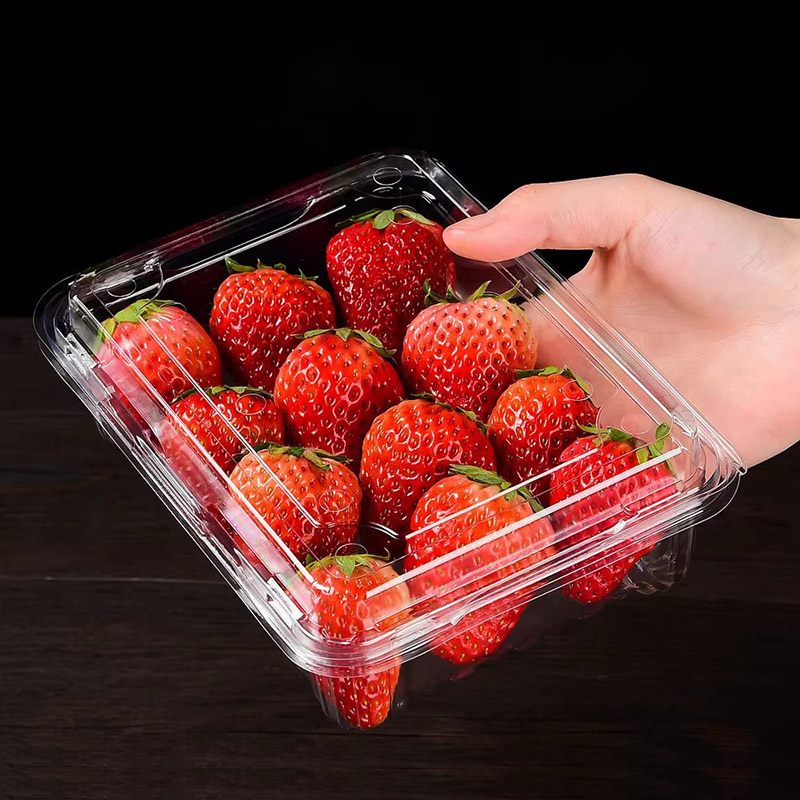
PET is widely used because it offers exceptional clarity and rigidity at relatively low cost.
Where PET Excels
-
Cold food applications
-
Salad bowls
-
Dessert containers
-
Bakery and display packaging
Hidden Limitations
-
Low heat resistance
-
Deformation above ~60°C
-
Unsuitable for microwave reheating
Expert buyers choose PET when visual presentation drives sales, not when thermal performance is required.
6. RPET: Sustainability With Higher Control Requirements
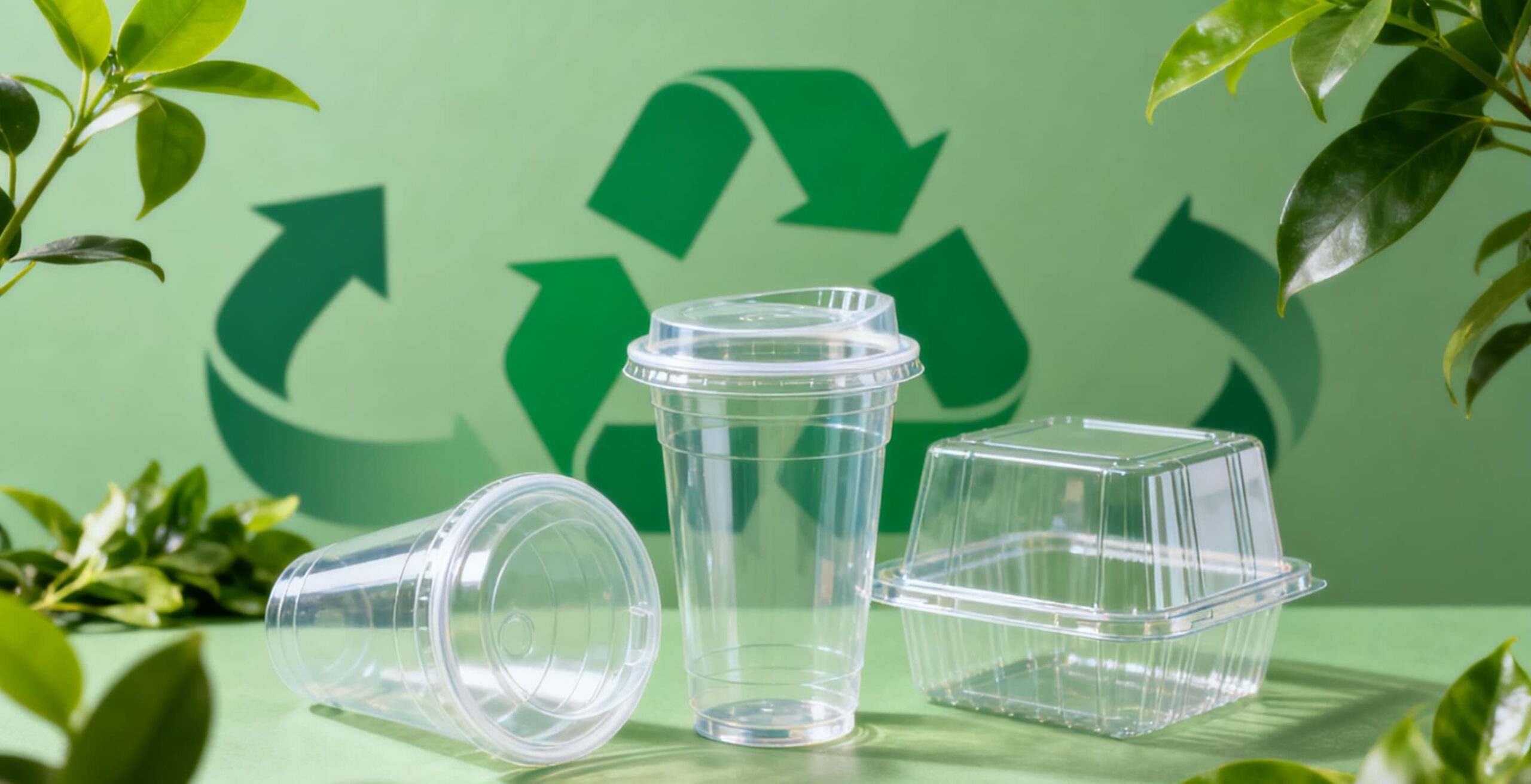
RPET is increasingly popular due to sustainability mandates and recycled content targets.
Advantages
-
Reduced carbon footprint
-
Familiar performance profile
-
Supports ESG reporting
Professional Concerns
-
Source consistency
-
Decontamination process
-
Regulatory scrutiny
-
Batch traceability
Experts treat RPET as a supplier qualification challenge, not just a material upgrade.
7. PP: The Professional Default for Hot Food

Polypropylene remains the backbone of hot food packaging.
Why Experts Trust PP
-
High heat resistance
-
Microwave safety
-
Chemical stability
-
Cost efficiency
Design Considerations
-
Wall thickness optimization
-
Freezer brittleness mitigation
-
Lid compatibility
Professionals choose PP when functional reliability outweighs appearance.
8. CPET: Thermal Reliability Above All Else

CPET is selected for applications where failure is unacceptable.
Typical Applications
-
Airline meals
-
Oven-ready meals
-
Dual freezer-to-oven usage
Strengths
-
Heat resistance up to ~220°C
-
Structural stability
-
Freeze-thaw resilience
Trade-Offs
-
Opaque appearance
-
Higher tooling cost
Experts accept CPET’s aesthetic limitations for absolute thermal confidence.
9. PLA: A Communication-Driven Material

PLA is often misunderstood.
Where PLA Works
-
Cold drinks
-
Cold food containers
-
Short-use applications
Where PLA Fails
-
Hot filling
-
Microwave reheating
-
Long storage under heat
Experienced buyers use PLA to support brand messaging, not performance-critical packaging.
10. Cornstarch-Based Materials: Formulation Matters More Than the Name
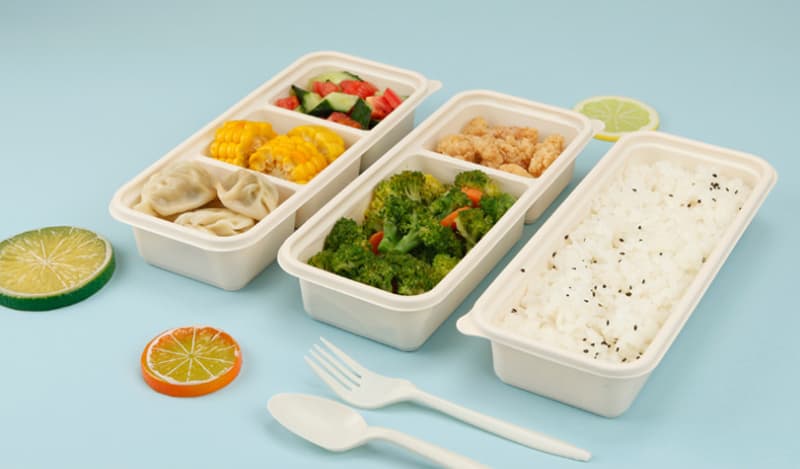
Cornstarch packaging is not a single material.
Variables That Matter
-
Polymer blends
-
Additives
-
Processing method
Common Issues
-
Brittleness
-
Inconsistent strength
-
Misleading compostability claims
Experts demand performance testing, not marketing descriptions.
11. Bagasse: Structural Strength From Fiber

Bagasse offers a compelling balance between sustainability and strength.
Advantages
-
Renewable byproduct
-
Good heat tolerance
-
Compostability in many regions
Limitations
-
Limited liquid barrier
-
Oil penetration without coatings
Professionals select bagasse for solid and semi-solid foods, not long-term liquids.
12. Comparative Material Performance in Practice
Professionals do not ask “Which material is best?”
They ask:
-
Best for which food
-
Under which conditions
-
For which market
Material choice is contextual, not absolute.
13. How Experts Validate Packaging Before Scaling
Before committing to mass production, experienced buyers:
-
Conduct migration testing
-
Simulate transport conditions
-
Perform stacking and compression tests
-
Review mold consistency
-
Audit supplier quality systems
Packaging approval is treated like product engineering, not procurement.
Where an Experienced Manufacturer Adds Value
At this stage, the reader understands complexity and risk.
This is where a solution-oriented supplier becomes relevant.
For buyers operating at this level, working with an experienced packaging manufacturer is not about access to materials—it is about access to decision support. DASHAN approaches food packaging development from an application-first perspective, aligning material selection, mold design, compliance documentation, and production consistency. This approach helps importers and brand owners reduce hidden risks that often surface only after scaling—particularly in PP food trays, CPET airline meal trays, RPET lids, and fiber-based solutions such as bagasse containers.
This positioning reinforces expert alignment, not sales language.
Expert Buyers Think in Scenarios, Not Products
Ultimately, professionals do not buy “PP trays” or “PLA cups.”
They buy:
-
Heat reliability
-
Leak prevention
-
Regulatory confidence
-
Brand protection
-
Supply chain stability
Packaging becomes invisible when it works—and painfully visible when it fails.
Final Perspective
Choosing food packaging like an expert requires resisting simplification.
Material labels are only the starting point.
Performance under real conditions is what matters.
Suppliers are partners in risk control, not just vendors.
When packaging decisions are made at this level, costs stabilize, compliance issues decrease, and brands scale with confidence.
FAQ
Q1: Is PP always the best choice for hot food packaging?
PP is the most reliable option for most hot food and microwave applications, but CPET is preferred when oven use or extreme temperature stability is required.
Q2: Why do two packages made from the same material perform differently?
Performance depends on formulation, thickness, mold design, and processing method—not just the material name.
Q3: Is PLA suitable for hot food or hot drinks?
No. PLA has low heat resistance and is best limited to cold food and beverages.
Q4: Are bagasse containers fully leak-proof?
Bagasse offers good structural strength but limited liquid and oil barriers unless coated or treated.
Q5: Is RPET safe for food contact?
Yes, when produced under controlled recycling systems and supported by proper food-contact compliance documentation.
Q6: What is the biggest mistake buyers make when choosing food packaging?
Relying on material labels or sustainability claims without validating performance under real usage conditions.
Conclusion
Choosing food packaging like an expert means looking beyond material names and focusing on real-world performance. When packaging decisions are based on application conditions, compliance requirements, and risk control—not assumptions—brands reduce failures, protect their reputation, and achieve more stable long-term results.
References
-
FDA – Food Contact Substances
https://www.fda.gov/food/food-ingredients-packaging/food-contact-substances-fcs -
European Commission – Food Contact Materials
https://food.ec.europa.eu/safety/chemical-safety/food-contact-materials_en -
PlasticsEurope – Polymer Properties & Applications
https://plasticseurope.org/knowledge-hub -
European Bioplastics – PLA and Bioplastics Overview
https://www.european-bioplastics.org/bioplastics/materials/ -
FAO – Bagasse and Fiber-Based Packaging Materials
https://www.fao.org/home/en -
German LFGB Food Contact Regulations Overview
https://www.bfr.bund.de/en/food_contact_materials-1936.html
Copyright Statement
© 2026 Dashan Packing. All rights reserved.
This article is an original work created by the Dashan Packing editorial team.
All text, data, and images are the result of our independent research, industry experience,
and product development insights. Reproduction or redistribution of any part of this content
without written permission is strictly prohibited.
Dashan Packing is committed to providing accurate, evidence-based information and
to upholding transparency, originality, and compliance with global intellectual property standards.