

Introduction
In today’s food packaging industry, sustainability and performance are key factors driving the demand for advanced materials. Two materials that have garnered attention in recent years are Polypropylene (PP) and Polylactic Acid (PLA). While both of these materials are widely used in food packaging, they offer distinct characteristics that make them suitable for different applications. This article will provide an in-depth comparison of PP and PLA, focusing on their properties, applications, environmental impact, cost, and performance. By the end of this guide, readers will have a comprehensive understanding of the differences between these two materials, enabling informed decisions regarding their use in food packaging.
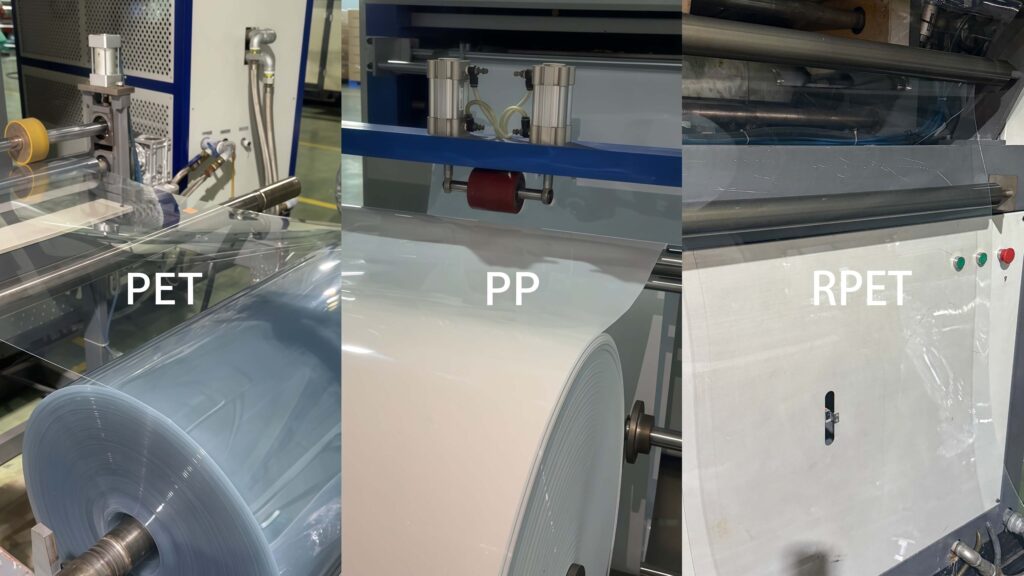
What is Polypropylene (PP)?
Definition and Properties of PP
Polypropylene (PP) is a thermoplastic polymer made from the polymerization of propylene monomers. It is one of the most commonly used plastics in the world due to its low cost, versatility, and robust mechanical properties.
Some key properties of PP include:
-
Chemical Resistance: PP is resistant to many chemicals, oils, and acids, making it an ideal choice for packaging food items with high-fat content or those containing acidic substances.
-
High Melting Point: With a melting point of approximately 160°C, PP can withstand higher temperatures, which makes it suitable for hot food packaging and microwave-safe containers.
-
Moisture Barrier: PP provides excellent moisture resistance, helping maintain the freshness of foods and preventing contamination.
-
Durability: The material is highly durable and impact-resistant, which is why it is widely used in food packaging that requires long shelf lives and resistance to breakage.
What is Polylactic Acid (PLA)?
Definition and Properties of PLA
Polylactic Acid (PLA) is a biodegradable thermoplastic made from renewable resources, such as corn starch or sugarcane. PLA has gained popularity in the packaging industry due to its eco-friendly properties and its appeal as a bioplastic alternative to conventional petroleum-based plastics.
Key properties of PLA include:
-
Biodegradability: PLA is biodegradable under industrial composting conditions, which makes it an attractive option for companies seeking sustainable packaging solutions.
-
Transparency: PLA is highly transparent, making it a popular choice for applications that require clear packaging, such as beverages and fresh foods.
-
Lower Heat Resistance: PLA has a relatively low melting point, around 50°C, which makes it unsuitable for packaging hot foods or beverages.
-
Renewable Resource: Unlike traditional plastics, PLA is derived from renewable plant-based sources, making it a more sustainable option in comparison to conventional packaging materials.
Environmental Impact Comparison
Environmental Impact of Polypropylene (PP)
While PP is durable and has a wide range of applications, its environmental impact is a major concern. Being derived from petroleum, PP is a non-biodegradable material that can persist in the environment for hundreds of years. However, it can be recycled into other products, such as automotive parts, insulation materials, and even clothing. Despite its recyclability, PP has a relatively low recycling rate globally, primarily due to limited infrastructure and consumer awareness.
Challenges of PP in Sustainability:
-
Non-Biodegradable: PP does not break down naturally in the environment and contributes to long-term plastic pollution.
-
Recycling Rates: Although technically recyclable, the recycling rate for PP remains low due to a lack of proper recycling infrastructure and consumer participation.
Environmental Benefits and Limitations of PLA
On the other hand, PLA offers several environmental advantages, particularly when compared to traditional petroleum-based plastics. PLA is made from renewable resources, such as corn or sugarcane, which reduces its carbon footprint during production. It is also biodegradable in industrial composting facilities, where it breaks down into natural elements like water and carbon dioxide.
However, there are also challenges associated with PLA:
-
Industrial Composting Required: PLA can only biodegrade under specific conditions found in industrial composting facilities, which are not widely available. This means PLA may still end up in landfills if proper composting systems are not in place.
-
Limited Recycling Options: Unlike PP, PLA is not widely recyclable and must be processed in separate recycling streams to avoid contamination of other plastic materials.
Applications of Polypropylene (PP) in Food Packaging
Common Applications of PP
PP is widely used in food packaging due to its strength, versatility, and cost-effectiveness. Some common applications include:
-
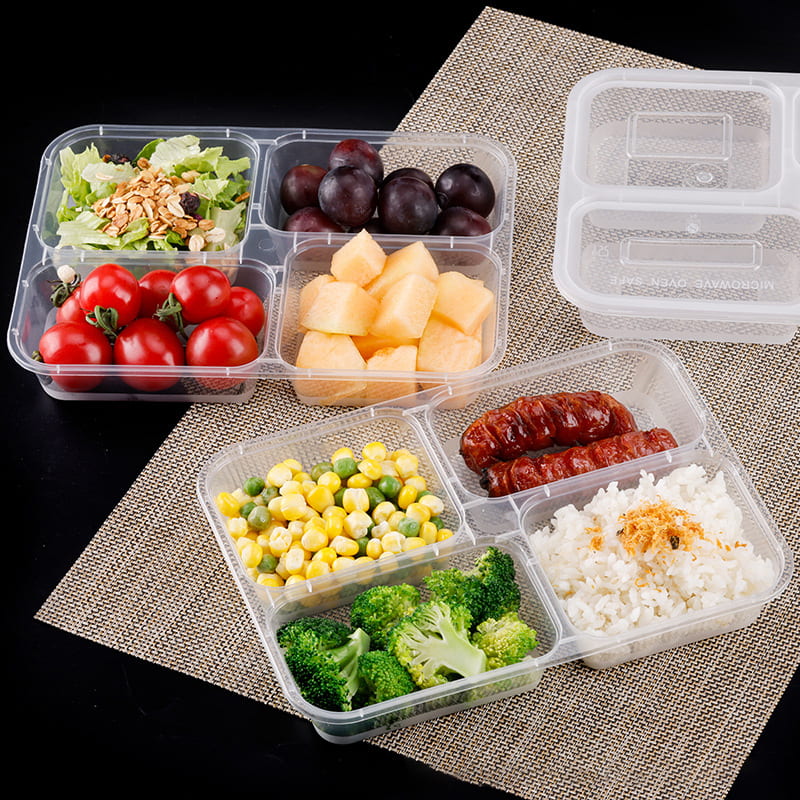
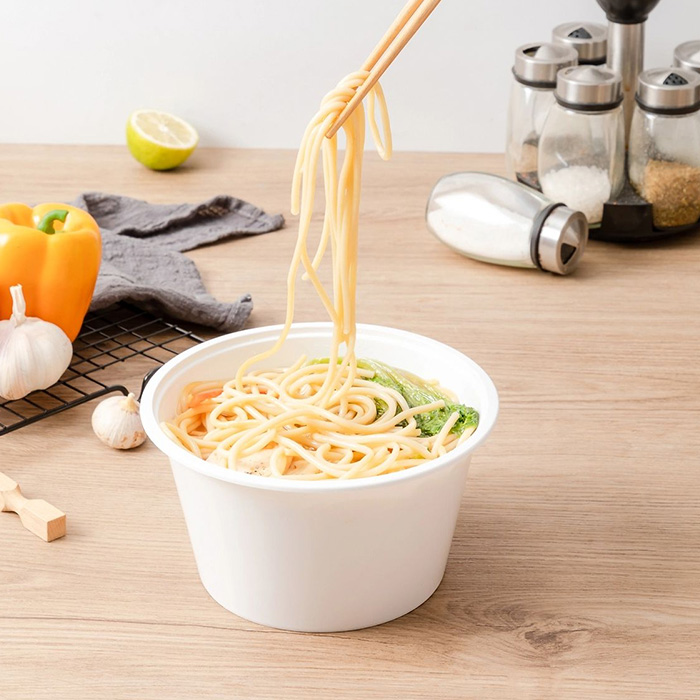
Food Containers: PP is used in containers for ready-to-eat meals, salads, and take-out food. Its durability ensures that food remains safe and fresh during transport and storage.
-
Lids and Film: PP is commonly used for food container lids, as well as in packaging films for products like yogurt, snacks, and deli meats.
-
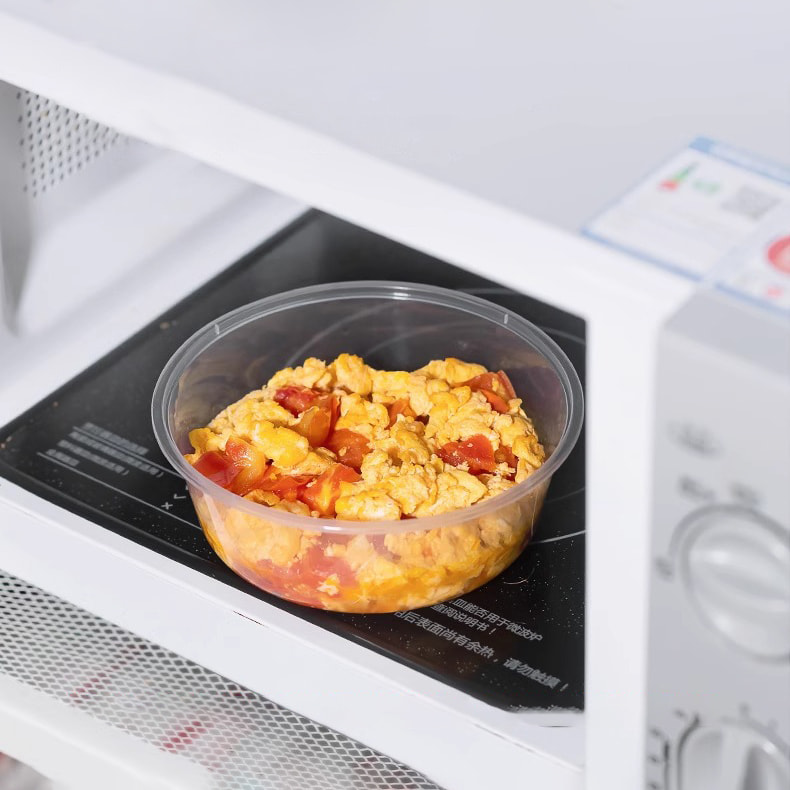
Microwaveable Packaging: Given its high melting point, PP is used for microwaveable food trays and containers that can withstand high heat during cooking.
Advantages of PP in Food Packaging
-
Cost-Effective: PP is relatively inexpensive to produce, making it an attractive option for manufacturers looking for low-cost packaging solutions.
-
Durability: PP provides excellent resistance to wear and tear, ensuring that food packaging remains intact during transport and storage.
-
Recyclable: PP can be recycled, although efforts to improve recycling rates are ongoing.
Applications of Polylactic Acid (PLA) in Food Packaging
Common Applications of PLA
PLA is gaining traction in the food packaging industry, especially for products aimed at environmentally conscious consumers. Some common applications of PLA include:
-
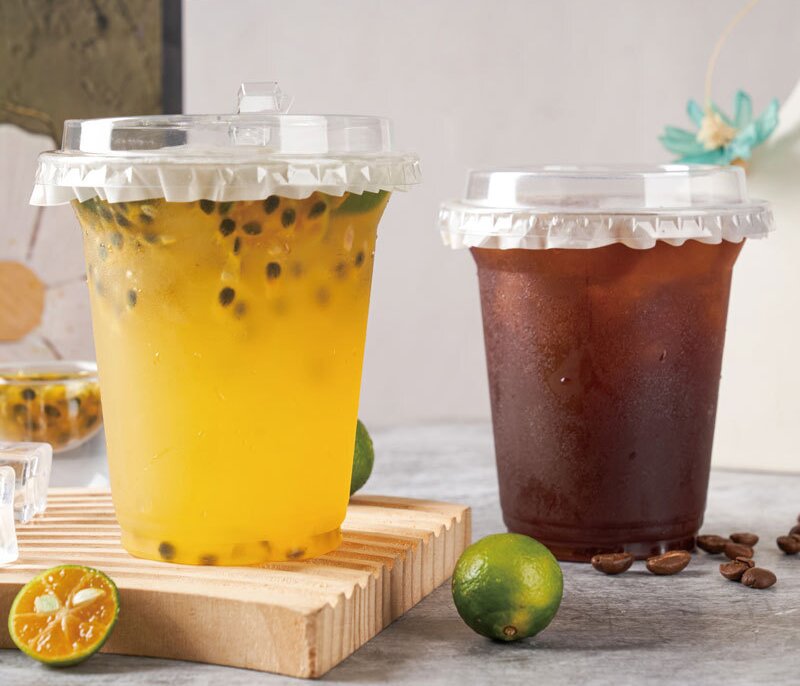
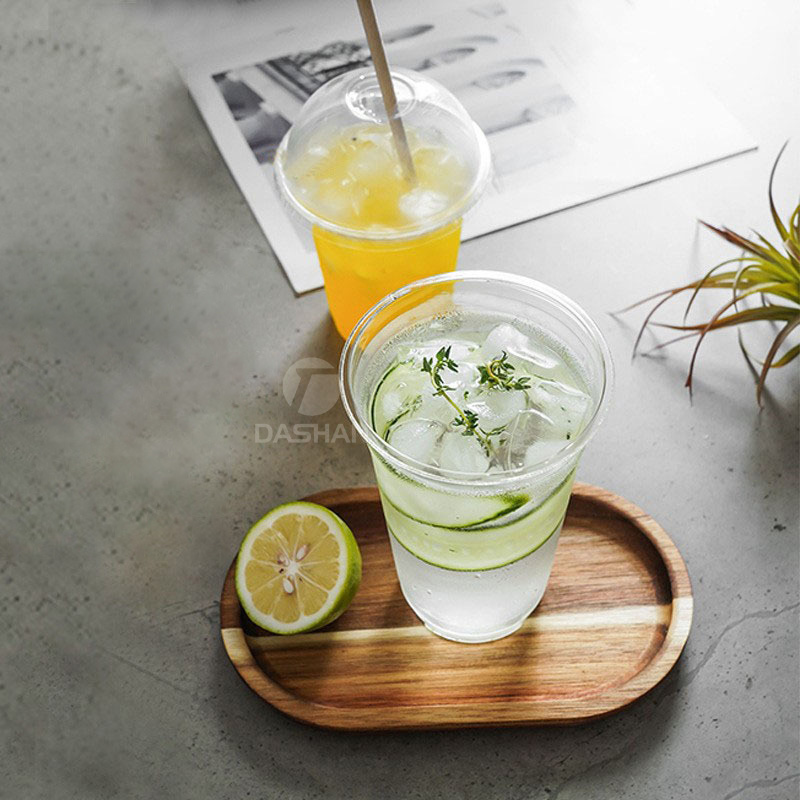
Beverage Cups: PLA is commonly used for cold beverage cups, smoothies, and iced drinks due to its transparency and eco-friendly properties.
-
Food Containers: PLA containers are widely used for salads, fresh produce, and other cold foods. They are often marketed as a more sustainable alternative to PP.
-
Packaging Films: PLA is used in packaging films for fresh foods, particularly in markets where consumers are seeking biodegradable options.
Advantages of PLA in Food Packaging
-
Eco-Friendly: PLA is biodegradable and compostable under industrial composting conditions, making it a popular choice for companies that are committed to sustainability.
-
Aesthetic Appeal: PLA offers excellent clarity, allowing consumers to see the contents clearly, which is particularly important for fresh food and beverages.
Durability and Performance Under Various Conditions
Temperature Resistance
-
PP: With a high melting point (160°C), PP is suitable for hot food packaging, including microwavable trays and containers for hot meals. It can withstand high temperatures without losing its structural integrity.
-
PLA: PLA has a relatively low melting point of around 50°C, making it unsuitable for hot food applications. It is best suited for cold food and beverage packaging.
Moisture and Oxygen Barriers
-
PP: PP offers excellent moisture and oxygen barrier properties, which help maintain the freshness of packaged food and prevent contamination.
-
PLA: PLA offers limited barrier properties compared to PP, which may affect its performance in packaging products that require long shelf life or protection from moisture and oxygen.
Cost Comparison: PP vs. PLA
-
PP: PP is generally more affordable than PLA due to its widespread availability and established manufacturing processes. It is also cheaper to produce, making it an attractive option for mass-produced food packaging.
-
PLA: PLA is typically more expensive than PP due to its reliance on renewable plant-based resources and more complex manufacturing processes. However, the cost of PLA has been decreasing as production scales up and technology improves.
Recyclability and Disposal: PP vs. PLA
PP Recycling
-
PP is recyclable, but the rates of recycling are lower compared to other materials. It requires dedicated recycling streams and proper sorting to ensure that it does not contaminate other plastic recyclables.
PLA Disposal
-
PLA is biodegradable in industrial composting environments, but it cannot break down in regular landfill conditions. This makes PLA an environmentally friendly option in regions with proper composting facilities.
FAQ
1. What are the main differences between PP and PLA in terms of food packaging?
-
Polypropylene (PP) is a synthetic plastic made from fossil fuels, known for its durability, heat resistance, and moisture barrier properties. It is commonly used in packaging that requires impact resistance and high-temperature tolerance, such as ready-to-eat meals and microwaveable trays.
-
Polylactic Acid (PLA), on the other hand, is a biodegradable plastic made from renewable resources such as corn starch or sugarcane. PLA is mainly used for cold food packaging due to its lower heat resistance but is more eco-friendly than PP because it is compostable in industrial composting environments.
2. Which material is more cost-effective, PP or PLA?
-
PP is generally more affordable than PLA because it is produced using petroleum-based raw materials, which are cheaper and more widely available. The manufacturing process for PP is also well-established, contributing to its lower cost. In contrast, PLA is more expensive due to its reliance on plant-based raw materials and the more complex production process involved in turning organic materials into plastic.
3. Is PLA truly biodegradable?
-
Yes, PLA is biodegradable, but only in industrial composting conditions where temperatures and humidity levels are controlled. It breaks down into natural elements such as carbon dioxide and water in those environments. However, in a typical landfill or under normal environmental conditions, PLA does not decompose effectively, which is why composting infrastructure is vital to its full environmental benefit.
4. Can PP be recycled?
-
Yes, PP can be recycled, but the recycling rate is relatively low. Many PP products are not properly recycled due to a lack of consumer awareness, inadequate infrastructure, and contamination with other materials. When PP is recycled, it can be turned into products like automotive parts, fibers for carpets, and even some non-food packaging. However, the global recycling system for PP is still underdeveloped.
5. What are the heat resistance properties of PP and PLA?
-
PP has a higher heat resistance than PLA. It can withstand temperatures of up to 160°C, making it ideal for hot food applications such as microwaveable trays, hot meal containers, and packaging for hot liquids.
-
PLA, in contrast, has a much lower melting point (around 50°C) and is not suitable for packaging hot food or beverages. PLA is best used for cold food packaging, such as salads, drinks, and fresh produce.
6. Can PLA and PP be used interchangeably in food packaging?
-
No, PP and PLA cannot be used interchangeably for all applications. PP is more suited for hot food packaging, durable containers, and applications requiring high temperature resistance. PLA, on the other hand, is more appropriate for cold food applications and where eco-friendliness is a priority. Their differences in heat tolerance and biodegradability make them suitable for different food packaging purposes.
7. Are PP and PLA safe for food contact?
-
Both PP and PLA are generally considered safe for food contact, as long as they meet regulatory standards. PP is widely used for food containers, trays, and packaging materials, and is recognized as a safe material for food applications. PLA also meets food safety standards and is commonly used for food packaging, especially in cold food packaging and disposable cups. However, it is important to check for certifications like FDA approval for food-grade materials to ensure they are safe for use.
8. What is the environmental impact of PP compared to PLA?
-
PP is a non-biodegradable material that contributes to long-term plastic pollution. While it can be recycled, it is not widely recycled, leading to significant waste in landfills and oceans.
-
PLA is an eco-friendly alternative because it is biodegradable and compostable under industrial conditions. However, the lack of widespread composting facilities means that PLA may still end up in landfills if not processed correctly. Overall, PLA has a lower environmental footprint compared to PP, but it depends heavily on local waste management infrastructure.
9. Is PLA compostable at home?
-
PLA is not typically compostable in a home composting system due to the specific temperature and moisture conditions required for its degradation. Industrial composting facilities are designed to provide these conditions, but in a home compost, PLA may take years to break down, if it decomposes at all. It is important to dispose of PLA packaging in the appropriate composting facility to ensure it breaks down properly.
10. What types of food are best suited for packaging in PP?
-
PP is ideal for packaging foods that require heat resistance, durability, and moisture protection. Examples include:
-
Hot meals: Ready-to-eat meals that need to be microwaved.
-
Frozen foods: Frozen meals and vegetables that require packaging that can withstand freezing temperatures.
-
Salads: PP trays for pre-packaged salads, as it can maintain freshness and protect the contents.
-
Snacks: Packaging for items like chips, nuts, and other dry snacks.
-
11. What types of food are best suited for packaging in PLA?
-
PLA is better suited for packaging cold foods and beverages. Examples include:
-
Cold drinks: PLA is commonly used for bottled beverages, iced drinks, and smoothies.
-
Fresh salads: PLA containers are perfect for fresh, refrigerated foods such as salads and deli items.
-
Desserts: PLA is used for packaging desserts like ice cream and fruit cups.
-
Prepared meals: PLA is a good option for cold, ready-to-eat meals or meal kits.
-
12. Can PLA be used in conjunction with PP for packaging?
-
PLA and PP are not typically used together in a single package because of their different recycling and composting requirements. However, PP and PLA can complement each other in packaging systems where PP is used for durable containers or lids, and PLA is used for the body or inner tray of cold food packaging. Businesses may opt to combine the materials to optimize both performance and sustainability.
13. How does the cost of PLA compare to PP in bulk food packaging?
-
PLA tends to be more expensive than PP due to its raw material sourcing from renewable resources and the more complex production process. This price difference is especially noticeable in large-scale food packaging applications. PP is widely produced and therefore more cost-effective for bulk food packaging, making it the preferred choice for many large food manufacturers.
14. What is the future outlook for PLA in the food packaging industry?
-
As sustainability becomes an increasingly important factor for consumers, the demand for PLA and other biodegradable plastics is expected to grow. The food packaging industry is likely to see more widespread adoption of PLA as more composting infrastructure is developed and as consumers demand eco-friendly options. However, PP will likely remain the dominant material for hot food packaging and applications requiring durability due to its lower cost and superior heat resistance.
Conclusion
Both PP (Polypropylene) and PLA (Polylactic Acid) offer distinct advantages and limitations when it comes to food packaging. PP is favored for its durability, heat resistance, and cost-effectiveness, making it ideal for hot food packaging and applications requiring strength. PLA, on the other hand, provides a more sustainable option, being biodegradable and derived from renewable resources, making it ideal for cold food packaging and companies aiming for a greener footprint. Understanding the differences between these materials and their respective applications is crucial for making the right choice for food packaging, balancing performance, cost, and environmental impact.
References
-
PlasticsEurope. (2021). Polypropylene. Retrieved from www.plasticseurope.org
-
U.S. Environmental Protection Agency (EPA). (2020). Environmental Benefits of Bioplastics. Retrieved from www.epa.gov
-
Ellen MacArthur Foundation. (2020). The Circular Economy and Plastics. Retrieved from www.ellenmacarthurfoundation.org
Copyright Statement
© 2025 Dashan Packing. All rights reserved.
This article is an original work created by the Dashan Packing editorial team.
All text, data, and images are the result of our independent research, industry experience,
and product development insights. Reproduction or redistribution of any part of this content
without written permission is strictly prohibited.
Dashan Packing is committed to providing accurate, evidence-based information and
to upholding transparency, originality, and compliance with global intellectual property standards.