

Quick Summary
PET remains a practical and cost-effective material for food packaging in 2026, especially for cold beverages and fresh food. While sustainability concerns continue to grow, solutions like RPET and improved recycling systems allow PET to remain relevant when used strategically.
Introduction: The Debate Around PET in 2026
In recent years, the global conversation around packaging has shifted dramatically. Governments are tightening regulations, brands are making bold sustainability commitments, and consumers are increasingly critical of plastic use. Terms like “plastic-free” and “compostable” have become powerful marketing tools.
In this context, PET (polyethylene terephthalate)—once the dominant material in food and beverage packaging—is facing growing scrutiny. Many are asking whether PET still has a place in a sustainability-driven market.
So, is PET becoming obsolete, or does it still serve a practical role in modern food packaging?
The answer is more nuanced than a simple yes or no. While PET faces real environmental challenges, it continues to offer performance and economic advantages that are difficult to replace.
What Makes PET So Widely Used in Food Packaging
Reliable Material Properties
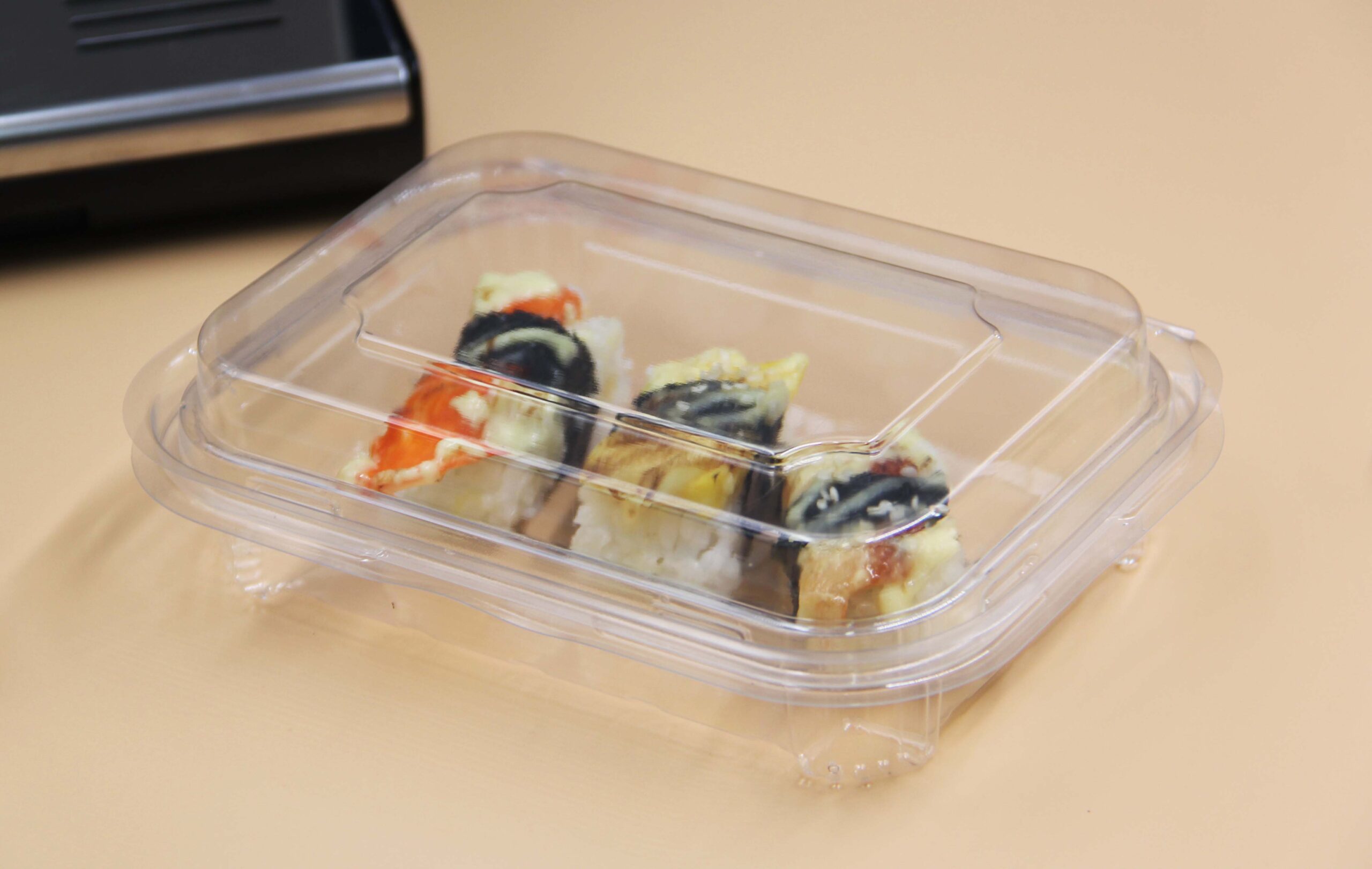
PET has remained a leading packaging material for decades because of its balanced performance characteristics:
-
High transparency, ideal for product visibility and retail appeal
-
Lightweight yet strong, reducing transportation costs while maintaining durability
-
Good barrier properties, helping protect food from moisture and contamination
-
Stable structure, ensuring consistent performance across large volumes
These features make PET especially suitable for applications where presentation and protection are equally important.
Common Applications
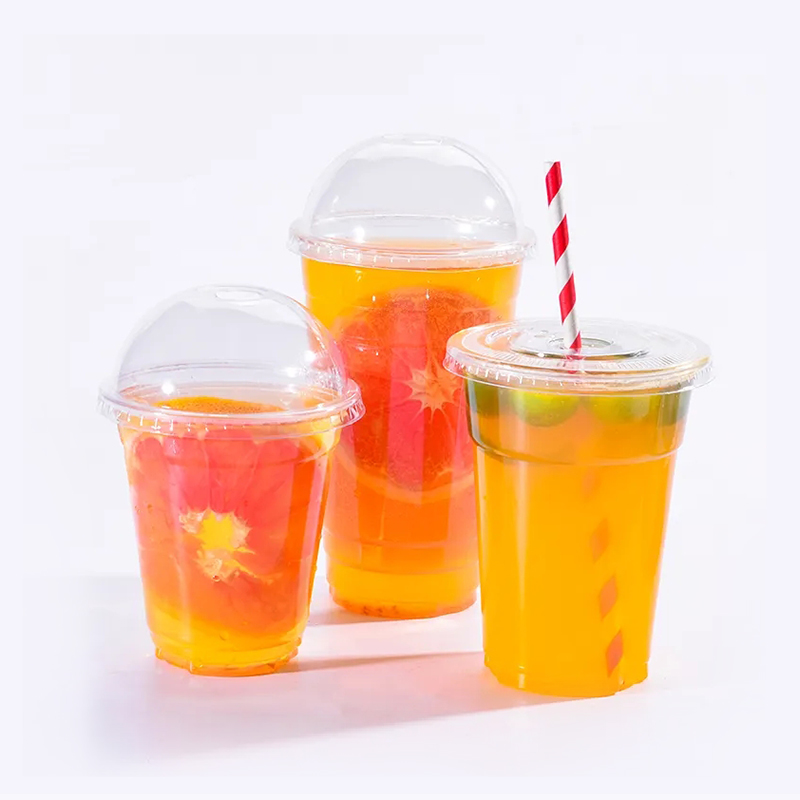
PET is widely used across foodservice and retail sectors, including:
-
Cold beverage cups (iced coffee, juices, smoothies)
-
Fresh produce packaging
Its versatility and consistency have made it a standard choice in global supply chains.
The Sustainability Challenge: Why PET Is Under Pressure
Plastic Waste Concerns
The most significant challenge facing PET is its association with global plastic pollution. While PET itself is recyclable, improper waste management has led to widespread environmental issues, shaping public perception.
For many consumers, “plastic” has become synonymous with “unsustainable,” regardless of technical recyclability.
Regulatory Changes
Governments worldwide are introducing policies aimed at reducing single-use plastics, including:
-
Plastic taxes
-
Usage restrictions
-
Mandatory recycled content targets
These regulations are pushing companies to reconsider their packaging strategies.
Brand Sustainability Commitments
Many global brands have pledged to:
-
Reduce virgin plastic usage
-
Increase recyclability
-
Transition to compostable or reusable packaging
As a result, PET is often evaluated against newer “eco-friendly” materials, even when those materials may not match its performance.
The Reality: PET Is Still Widely Used — Why?
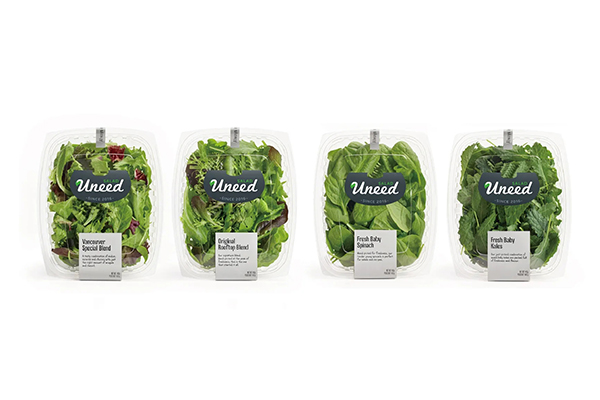
Despite growing pressure, PET remains one of the most widely used packaging materials in 2026.
Performance Reliability
PET continues to perform exceptionally well in real-world conditions:
-
Strong resistance to cracking and deformation
-
Effective leak prevention for cold foods
-
Consistent sealing compatibility with lids
For foodservice businesses, reliability is critical—packaging failure directly impacts customer experience.
Supply Chain Stability
PET benefits from a highly mature global production system:
-
Scalable manufacturing capacity
-
Consistent material quality
-
Reliable supply availability
This makes it a dependable choice for large-scale operations.
Cost Efficiency
Compared to many alternatives, PET remains cost-effective, particularly for high-volume usage. Compostable materials often come with higher costs and variable performance, making them less practical for some businesses.
RPET: The Key to PET’s Future
What Is RPET?
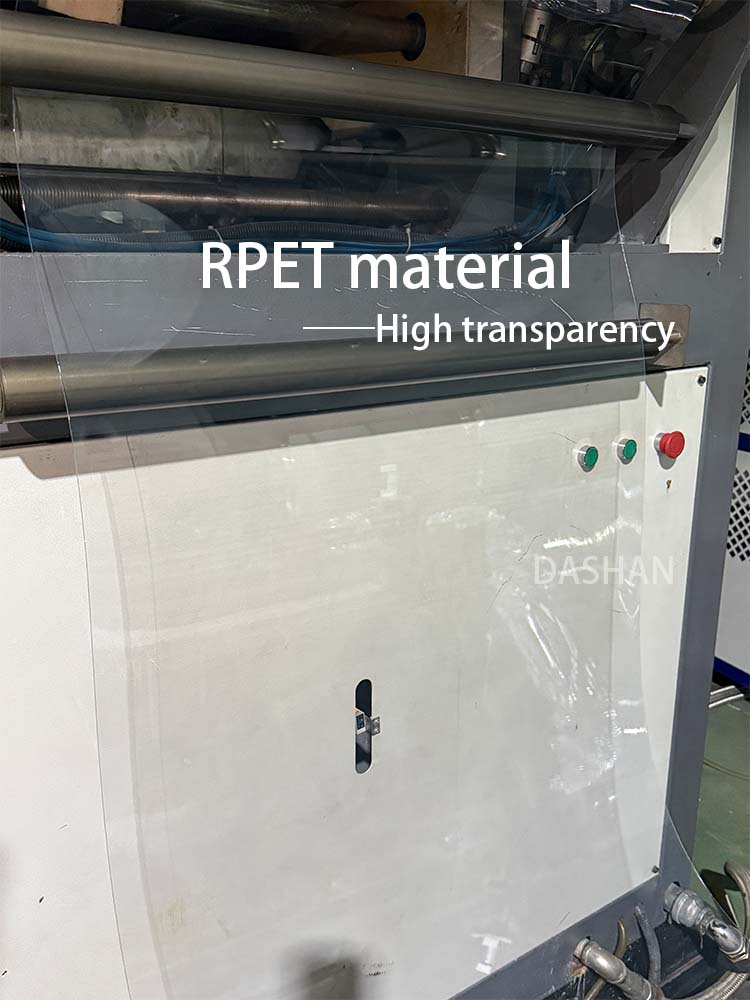
Recycled PET (RPET) is produced by processing post-consumer PET waste into new packaging material. It plays a central role in improving the sustainability profile of PET packaging.
Sustainability Advantages
RPET offers several environmental benefits:
-
Reduces reliance on virgin plastic
-
Supports circular economy models
-
Lowers overall carbon footprint
For many brands, switching from PET to RPET is a more practical step than completely eliminating plastic.
Ongoing Challenges
However, RPET is not without limitations:
-
Supply inconsistency in some regions
-
Variability in clarity and strength
-
Regulatory constraints for food-grade applications
Even so, RPET is widely seen as a key transitional solution.
PET vs Alternative Materials in 2026
As the market evolves, PET is increasingly compared with alternative materials.
PET vs PLA
PLA is compostable and plant-based, but:
-
Lower heat resistance
-
More brittle under stress
-
Requires industrial composting facilities
PET still offers better durability and stability in many applications.
PET vs Bagasse
Bagasse (sugarcane fiber) is ideal for hot food, offering:
-
Strong heat resistance
-
Good performance with oily and moist foods
However, it lacks transparency and is less suitable for cold beverage display.
PET vs Paper
Paper packaging is often perceived as eco-friendly, but:
-
Many paper products require plastic coatings
-
Moisture resistance is limited without treatment
In some cases, paper packaging is not significantly more sustainable than PET.
When PET Is Still the Best Choice
In 2026, PET remains highly suitable for specific applications:
-
Cold beverages such as iced drinks and juices
-
Fresh food packaging requiring high visibility
-
Retail environments where presentation matters
-
Cost-sensitive operations needing consistent supply
For these scenarios, PET continues to deliver strong value.
Manufacturers like DASHAN provide both PET and RPET solutions tailored for beverage and foodservice applications, helping businesses balance performance and sustainability.
When PET May Not Be Ideal
PET is not the best option in every situation.
It may be less suitable for:
-
Hot food packaging
-
Microwave applications
-
Brands with strict “plastic-free” positioning
In these cases, materials like bagasse or cornstarch-based packaging may be more appropriate.
What Smart Buyers Are Doing in 2026
Rather than fully replacing PET, many businesses are adopting a more strategic approach.
Material Diversification
Companies are using different materials for different use cases:
-
PET for cold applications
-
Fiber-based materials for hot food
Switching to RPET
Replacing virgin PET with recycled content is becoming standard practice.
Performance-Driven Decisions
Smart buyers prioritize:
-
Real-world functionality
-
Cost efficiency
-
Supply reliability
Instead of following trends blindly, they focus on what works best in practice.
FAQ
1. Is PET packaging still widely used in 2026?
Yes. PET is still widely used due to its durability, clarity, and cost efficiency.
2. Is PET environmentally friendly?
PET is recyclable, but its sustainability depends on recycling systems and the use of RPET.
3. What is RPET and why is it important?
RPET is recycled PET that reduces the need for virgin plastic and lowers environmental impact.
4. When is PET the best choice?
PET is ideal for cold beverages, fresh food packaging, and high-clarity display applications.
5. When should PET be avoided?
It is less suitable for hot food, microwave use, or brands aiming for plastic-free packaging.
6. What are alternatives to PET?
Common alternatives include bagasse, PLA, and paper-based packaging, each suited for different use cases.
Conclusion: Is PET Still a Good Choice?
So, is PET still a good choice for food packaging in 2026?
Yes—but with context.
PET remains a practical, reliable, and cost-effective material, particularly for cold food and beverage applications. Its performance and scalability make it difficult to fully replace.
At the same time, sustainability expectations are reshaping how PET is used. The future of PET lies in:
-
Increased use of recycled materials (RPET)
-
Better waste management systems
-
Smarter material selection based on application
Ultimately, the goal is not to eliminate PET entirely, but to use it more responsibly and strategically.
For businesses, the best approach is not choosing a single “perfect” material, but building a flexible packaging strategy that balances performance, cost, and environmental impact.
References
-
United Nations Environment Programme – Plastic Pollution
https://www.unep.org/plastic-pollution -
OECD – Global Plastics Outlook
https://www.oecd.org/environment/plastics/ -
Ellen MacArthur Foundation – Plastics & Circular Economy
https://www.ellenmacarthurfoundation.org/topics/plastics/overview -
U.S. Environmental Protection Agency – Plastics Recycling
https://www.epa.gov/plastics -
Our World in Data – Plastic Pollution Statistics
https://ourworldindata.org/plastic-pollution -
Packaging Strategies – Sustainable Packaging Trends
https://www.packagingstrategies.com/articles/90869-sustainable-packaging-trends-in-foodservice -
European PET Bottle Platform – PET Recycling Insights
https://www.epbp.org/ -
PlasticsEurope – PET Material Information
https://plasticseurope.org/
Copyright Statement
© 2026 Dashan Packing. All rights reserved.
This article is an original work created by the Dashan Packing editorial team.
All text, data, and images are the result of our independent research, industry experience,
and product development insights. Reproduction or redistribution of any part of this content
without written permission is strictly prohibited.
Dashan Packing is committed to providing accurate, evidence-based information and
to upholding transparency, originality, and compliance with global intellectual property standards.