

Quick Summary
The global food packaging industry faces mounting pressure to transition from conventional plastics to sustainable alternatives. Bagasse, a byproduct of sugarcane processing, has emerged as an environmentally friendly option, offering compostability, biodegradability, and minimal ecological impact. In contrast, traditional plastics, including PET, PP, and PS, contribute to persistent pollution and long-term ecological challenges. This article explores the comparative advantages of bagasse and plastic, with detailed industry insights, data analysis, applications, and frequently asked questions. It also highlights Xiamen Dashan’s sustainable packaging solutions, demonstrating practical adoption in commercial and retail settings worldwide.
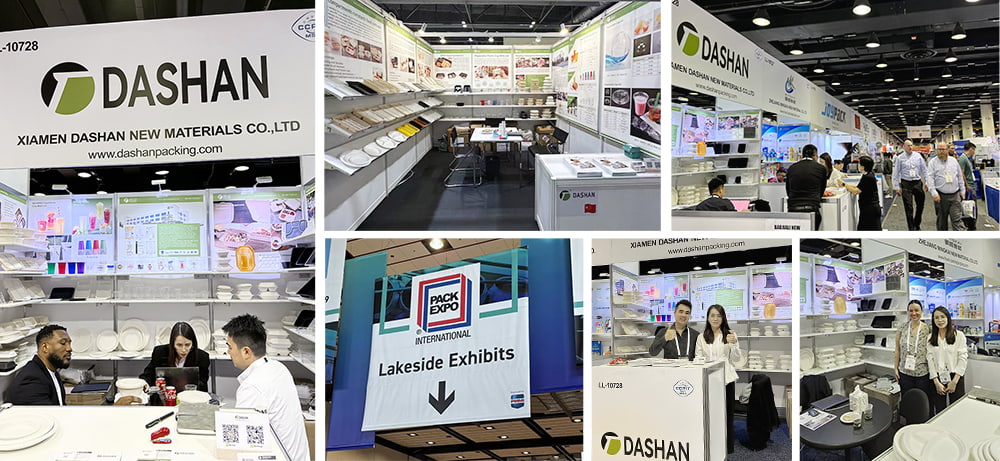
Introduction to Xiamen Dashan
Xiamen Dashan is a leading manufacturer of high-quality food plastic packaging, committed to sustainability, innovation, and customer-centric solutions. With expertise spanning PET, RPET, CPET, PLA, PP, and PS materials, Dashan provides versatile packaging solutions for restaurants, retail chains, airlines, and food distributors globally. Their offerings include cups, lids, trays, and lunch boxes engineered for safety, visual appeal, and eco-conscious performance. While Dashan specializes in high-performance plastics, the company also actively explores bio-based alternatives like PLA and bagasse to support sustainable packaging initiatives.
1. Environmental Impact: Bagasse vs. Plastic
Plastic food packaging remains the most widely used material globally due to its low cost, durability, and versatility. However, its environmental footprint is severe:
Table 1: Comparison of Materials
| Material | Decomposition Time | Environmental Impact | Recyclability | Notes |
|---|---|---|---|---|
| PET (Plastic) | 400+ years | High; contributes to microplastics | Recyclable but low global recycling rate (~9%) | Commonly used for beverage bottles, food trays |
| PP (Plastic) | 20–30 years | Moderate; not biodegradable | Technically recyclable; low collection rates | Hot food trays, lids |
| PS (Plastic) | 500+ years | High; non-biodegradable, toxic when burned | Limited recyclability | Foam trays, cups |
| Bagasse | 30–90 days | Minimal; compostable, biodegradable | Not recyclable in traditional sense | Sugarcane byproduct; used in disposable trays, bowls, plates |
Analysis: Bagasse stands out due to its rapid biodegradability and low carbon footprint. Unlike plastics, it does not accumulate in landfills or oceans, reducing long-term pollution.
2. Functional Properties and Performance
Table 2: Material Properties
| Property | Bagasse | Plastic (PET/PP/PS) |
|---|---|---|
| Heat Resistance | Up to 120°C; suitable for hot meals | PET: 60°C, PP: 110°C, PS: low |
| Water Resistance | Moderate; improved with coating | Excellent |
| Structural Strength | Good; supports meals and sauces | Excellent |
| Aesthetic Options | Matte finish; customizable with coatings | Glossy, transparent, printable |
Analysis: Plastics outperform bagasse in strength, water resistance, and transparency. However, for single-use applications like takeaway containers, disposable trays, and eco-conscious foodservice, bagasse provides adequate performance while offering sustainability benefits.
3. Cost Considerations
| Material | Approx. Cost per 1000 Units (USD) | Disposal Cost Considerations | Notes |
|---|---|---|---|
| PET | 80–120 | Low collection; environmental fines possible | Cheap, but environmental penalties rising |
| PP | 90–130 | Similar to PET; recycling limited | Common in hot food applications |
| Bagasse | 150–200 | Low; compostable, often subsidized | Higher upfront, but long-term savings environmentally |
Insight: The rising awareness of environmental regulations in Europe, the US, and Asia makes bagasse increasingly cost-competitive.
4. Market Trends and Adoption
Recent research indicates growing adoption of bagasse-based packaging across global markets:
-
United States: Over 1 billion bagasse food containers are used annually in fast food chains and catering.
-
Europe: EU regulations restrict single-use plastics, promoting compostable alternatives.
-
Asia-Pacific: Countries like India, China, and Japan are encouraging bio-based packaging for sustainable urban development.
Table 3: Regional Adoption
| Region | Plastic Packaging Share | Bagasse Adoption Trend | Notes |
|---|---|---|---|
| North America | 85% | Rapid increase in QSRs | Starbucks, Chipotle use bagasse trays |
| Europe | 70% | High adoption | EU single-use plastic ban effective 2021 |
| Asia-Pacific | 90% | Moderate adoption | Regulatory push in China, India |
5. Health and Food Safety
Bagasse is naturally free from harmful chemicals like BPA, phthalates, and styrene. Plastics may leach chemicals into food under high temperatures or prolonged contact with fatty acids.
-
Bagasse: Certified compostable (EN 13432), microwave-safe, and food-grade.
-
Plastics: Require careful selection (PP, CPET) for hot foods; risk of microplastic formation over time.
6. Case Studies
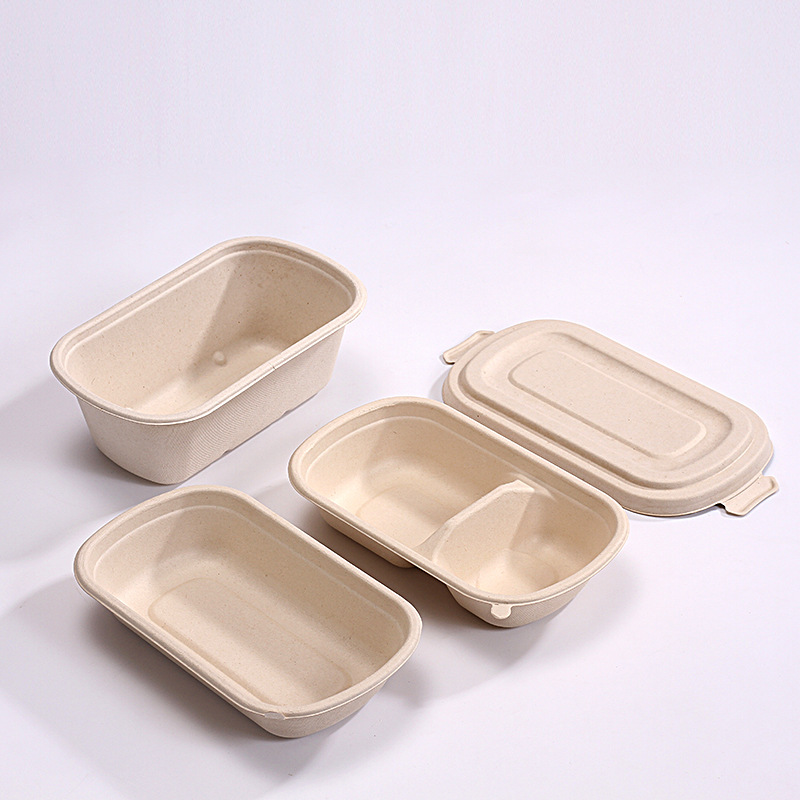
Case Study 1: Dashan Bagasse Trays for Airline Catering
-
Dashan provides biodegradable sugarcane trays for in-flight meals.
-
Reduced plastic waste by 65% per flight compared to traditional PET trays.
-
Improved passenger perception of sustainability and environmental responsibility.
Case Study 2: Fast Food Chain in Europe
-
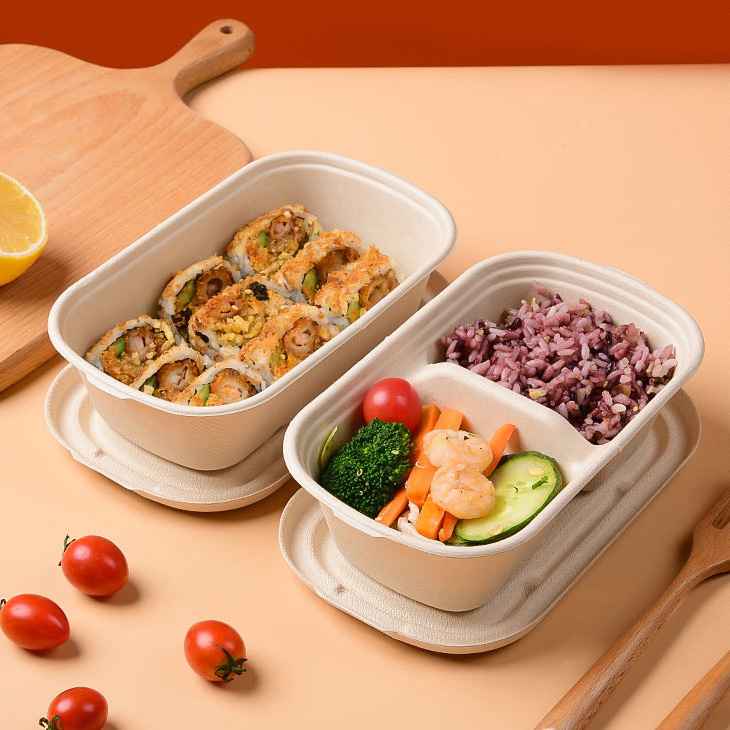
Implemented bagasse bowls for salads and hot meals.
-
Maintained product quality and heat retention while reducing environmental impact.
-
Customer feedback highlighted eco-friendliness as a key selling point.
7. Challenges and Limitations of Bagasse
-
Moisture Sensitivity: Bagasse may require a water-resistant coating for very wet foods.
-
Cost: Higher initial investment compared to plastics.
-
Supply Chain: Seasonal sugarcane production may affect availability in some regions.
8. Future Innovations
-
Hybrid Packaging: Combining bagasse with PLA or recycled plastics for water resistance and structural strength.
-
Industrial Composting Expansion: Municipal programs in Europe and North America increasingly accept bagasse waste.
-
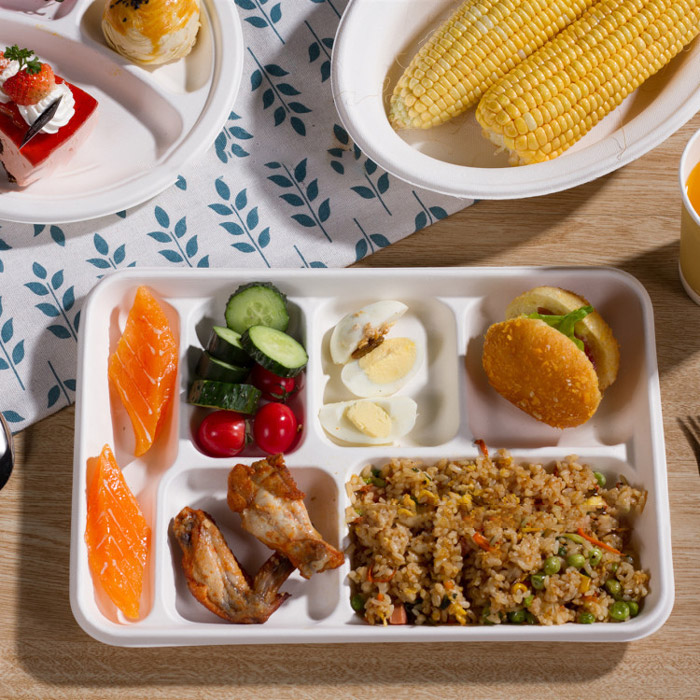
Customization: Dashan offers embossed, printed, and multi-compartment bagasse trays to match brand identity.
9. Frequently Asked Questions (FAQs)
Q1: Can bagasse be used for both hot and cold foods?
A1: Yes, bagasse can handle temperatures up to 120°C, making it suitable for soups, pasta, salads, and other hot meals.
Q2: How long does bagasse take to decompose?
A2: Bagasse typically biodegrades within 30–90 days under composting conditions, compared to centuries for plastics.
Q3: Is bagasse safe for microwave use?
A3: Yes, most bagasse containers are microwave-safe and FDA-compliant for food contact.
Q4: Can bagasse replace all plastic food packaging?
A4: Bagasse is ideal for single-use, disposable food packaging. However, plastics remain superior for long-term storage, freezing, and transparency.
Q5: Are bagasse containers recyclable?
A5: Bagasse is not traditionally recyclable but is fully compostable. Industrial composting is recommended for large-scale disposal.
Q6: What certifications do bagasse containers have?
A6: Common certifications include EN 13432, FDA food-contact approval, and BPI-certified compostability.
Q7: How does bagasse compare to PLA?
A7: PLA offers higher clarity and moisture resistance but requires industrial composting. Bagasse is opaque but naturally sturdy and fully compostable.
10. Summary
The comparison between bagasse and plastic for food packaging reflects a critical shift in the industry toward sustainability. While plastics offer durability, water resistance, and cost advantages, their environmental impact and slow degradation remain major drawbacks. Bagasse provides a biodegradable, compostable, and eco-friendly alternative suitable for a wide range of single-use food applications.
Companies like Xiamen Dashan are leading the transition by offering high-quality, customizable packaging solutions in both traditional plastics and bio-based materials. Adoption of bagasse packaging not only meets regulatory requirements and consumer expectations but also enhances
11. References
-
European Bioplastics: Market Data and Trends – https://www.european-bioplastics.org/market
-
Environmental Protection Agency (EPA) – Plastics and Environmental Pollution – https://www.epa.gov/plastic-waste
-
FAO: Sugarcane Byproducts in Packaging – https://www.fao.org/sugarcane/bagasse
-
Biodegradable Products Institute (BPI) – https://bpiworld.org
-
Xiamen Dashan Company Website – https://www.dashanpacking.com
Copyright Statement
© 2026 Dashan Packing. All rights reserved.
This article is an original work created by the Dashan Packing editorial team.
All text, data, and images are the result of our independent research, industry experience,
and product development insights. Reproduction or redistribution of any part of this content
without written permission is strictly prohibited.
Dashan Packing is committed to providing accurate, evidence-based information and
to upholding transparency, originality, and compliance with global intellectual property standards.