

Quick Summary
The global plastic waste crisis is pushing the packaging industry to rethink traditional materials and production systems. Companies are adopting recyclable plastics, bio-based materials, circular economy strategies, and lightweight designs to reduce environmental impact while maintaining packaging performance and food safety.
Introduction
Plastic waste has become one of the most pressing environmental issues of the modern era. Over the past few decades, plastic materials have transformed industries because they are lightweight, durable, and inexpensive. However, the widespread use of plastic—particularly in single-use packaging—has created a global waste management challenge.
Packaging plays a major role in this discussion. A significant share of all plastic produced worldwide is used for packaging, especially in the food and beverage industry. While packaging helps protect food, reduce spoilage, and improve logistics efficiency, it also contributes to the growing volume of waste that ends up in landfills, incinerators, and natural ecosystems.
Governments, environmental organizations, consumers, and brands are increasingly demanding solutions. As a result, the packaging industry has begun undergoing a transformation. Manufacturers, material innovators, and food brands are working to redesign packaging systems to reduce environmental impact while maintaining performance and safety.
This article explores how the packaging industry is responding to the plastic waste crisis through new materials, improved recycling systems, smarter packaging design, and evolving industry practices.
Understanding the Scale of the Plastic Waste Problem
Rapid Growth in Plastic Production
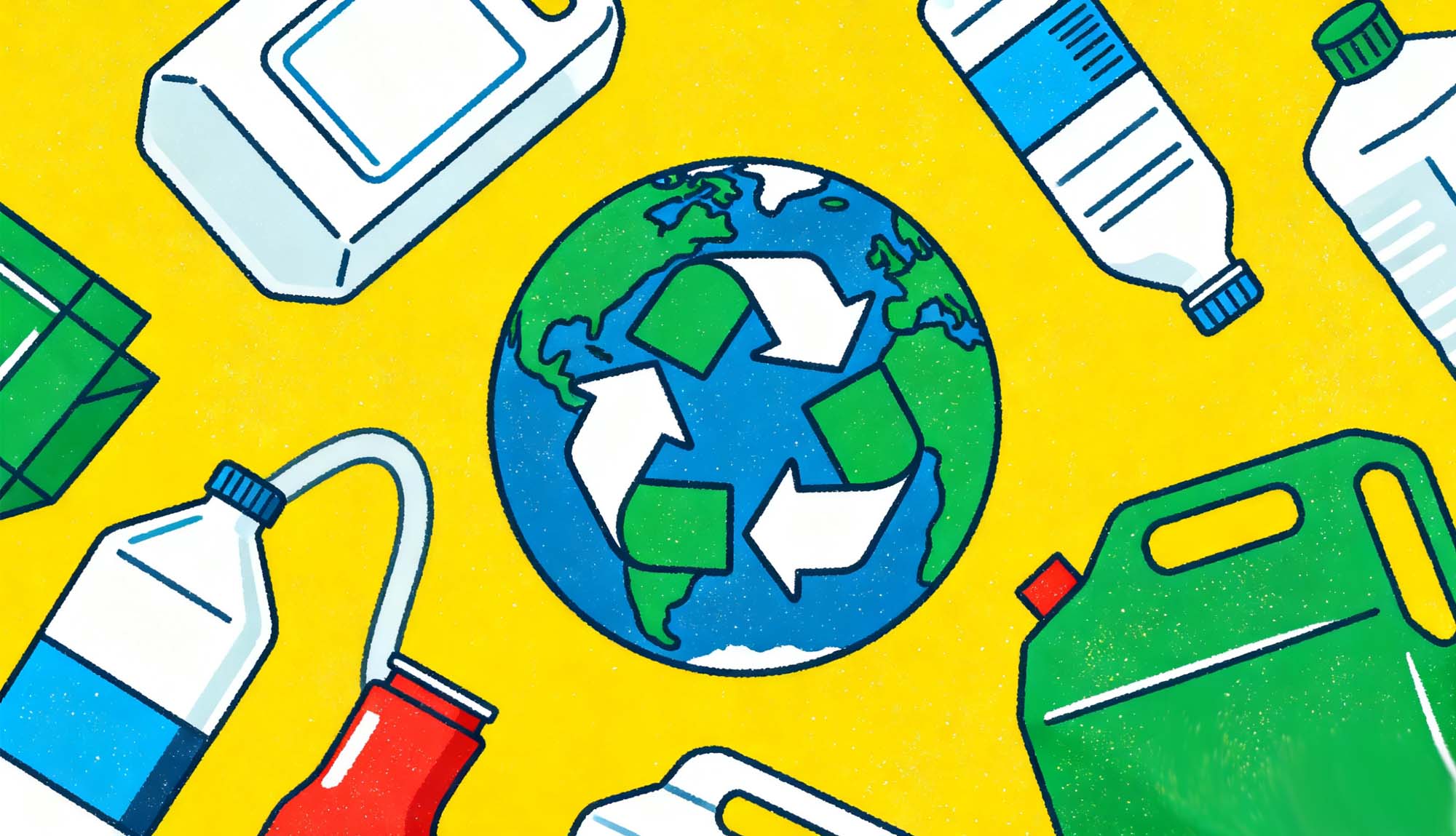
Since the mid-20th century, global plastic production has increased dramatically. Plastics are used across numerous industries—from construction and automotive manufacturing to electronics and consumer goods. Among these applications, packaging remains one of the largest consumers of plastic materials.
The popularity of plastic packaging stems from several advantages. Plastics are lightweight, flexible, and capable of protecting products from moisture, oxygen, and contamination. These characteristics make them particularly suitable for food packaging.
However, the same durability that makes plastic useful also makes it persistent in the environment.
Packaging as a Major Contributor to Waste
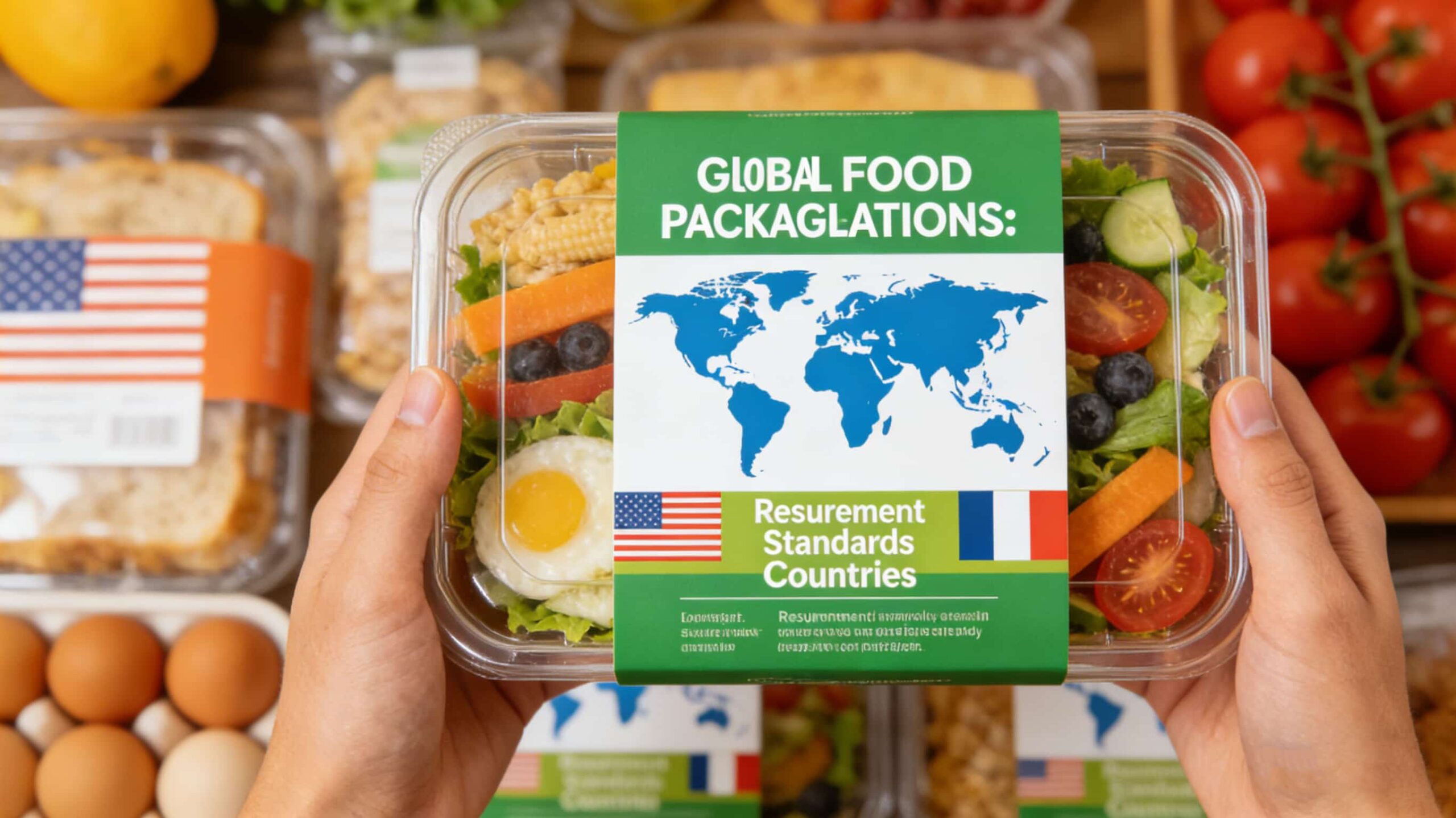
Single-use packaging accounts for a large proportion of plastic waste generated globally. Items such as cups, trays, containers, and wrapping materials are often designed for short-term use but remain in the environment for decades if not properly recycled.
The rapid growth of takeaway food, e-commerce, and food delivery services has further increased demand for disposable packaging.
Environmental Impacts
Plastic waste can cause several environmental challenges:
-
Landfill accumulation
-
Marine pollution
-
Microplastics entering ecosystems
-
Pressure on waste management systems
Images of plastic waste in oceans and natural habitats have raised public awareness and accelerated calls for change. As a result, the packaging industry is under increasing pressure to find more sustainable solutions.
The Shift Toward Recyclable Packaging
One of the earliest and most practical responses to the plastic waste crisis has been improving the recyclability of packaging materials.
Increasing Use of Recyclable Plastics

Many packaging manufacturers are focusing on materials that can be effectively recycled. Examples include:
These materials are widely used in beverage cups, food containers, and trays. PET packaging in particular has a relatively established recycling infrastructure in many regions.
Using recycled materials helps reduce the demand for virgin plastic and lowers the overall environmental footprint of packaging production.
Designing Packaging for Recycling
Recycling efficiency depends not only on materials but also on packaging design. Many companies are redesigning packaging to make it easier to recycle.
Common strategies include:
-
reducing multi-material combinations
-
simplifying packaging structures
-
using clear materials instead of heavily colored plastics
-
improving labeling and sorting compatibility
These design improvements help recycling facilities process packaging more efficiently.
Increasing Recycled Content
Another industry trend is increasing the amount of recycled material used in new packaging. Many brands are setting targets to include higher percentages of recycled content in their packaging.
This approach supports the development of a circular materials economy where plastics remain in use rather than becoming waste.
The Rise of Compostable and Bio-Based Packaging
In addition to improving recycling systems, the packaging industry is exploring alternatives to petroleum-based plastics.
Plant-Based Packaging Materials

Bio-based materials derived from renewable resources are gaining attention as potential alternatives. Some of the most widely used options include:
Bagasse packaging, for example, is made from the fibrous residue left after sugarcane processing. Instead of being discarded, this agricultural by-product can be molded into food containers, trays, and takeaway boxes.
Benefits of Compostable Packaging
Compostable packaging offers several potential advantages:
-
use of renewable resources
-
reduced reliance on fossil fuels
-
potential biodegradation under controlled composting conditions
For certain applications, especially in food service and takeaway environments, compostable packaging can provide an alternative where recycling is difficult.
Challenges and Limitations
Despite its potential, compostable packaging also presents challenges:
-
industrial composting infrastructure is limited in many regions
-
compostable materials may require specific disposal conditions
-
costs can be higher compared with conventional plastics
As a result, compostable packaging is often considered one part of a broader sustainability strategy rather than a single universal solution.
Circular Economy Initiatives in Packaging
Another major concept influencing the packaging industry is the circular economy.
Traditional packaging systems follow a linear model: produce, use, and discard. In contrast, the circular economy aims to keep materials in use for as long as possible through recycling, reuse, and recovery.
Extending Material Lifecycles
Circular packaging strategies may include:
-
recycling programs
-
reusable packaging systems
-
improved material recovery processes
These initiatives help reduce the amount of waste entering landfills or natural environments.
Collaboration Across the Supply Chain
Building a circular packaging system requires cooperation between multiple stakeholders:
-
packaging manufacturers
-
food brands and retailers
-
waste management companies
-
governments and regulators
Industry alliances and sustainability initiatives are increasingly working together to develop shared solutions.
Packaging Reduction and Lightweighting
Another important response to the plastic waste crisis is reducing the total amount of packaging material used.
Lightweight Packaging Design
Manufacturers are developing packaging designs that use less material while maintaining structural strength and functionality. Improvements in molding technology and material engineering allow thinner packaging walls without compromising durability.
Eliminating Unnecessary Packaging
Companies are also evaluating whether certain packaging layers or components can be removed altogether.
Reducing packaging volume can lead to several benefits:
-
lower material consumption
-
reduced transportation emissions
-
lower production costs
Even small reductions in packaging weight can have a significant environmental impact when applied at large scale.
Policy and Regulatory Changes Driving Transformation
Government policies are playing an increasingly important role in accelerating packaging sustainability.
Plastic Restrictions and Bans
Many countries and regions have introduced restrictions on specific single-use plastic items. These policies encourage businesses to explore alternative materials or redesign packaging systems.
Recycled Content Requirements
Some governments are establishing minimum recycled content targets for plastic packaging. These regulations encourage the development of recycling markets and infrastructure.
Extended Producer Responsibility
Extended Producer Responsibility (EPR) policies require manufacturers and brands to take responsibility for the lifecycle of their packaging. This may include funding recycling systems or improving packaging design.
Such policies are pushing companies to consider environmental impacts earlier in the packaging design process.
Changing Consumer Expectations
Consumers are becoming more aware of the environmental impact of packaging. As a result, sustainability has become an important factor in purchasing decisions.
Demand for Environmentally Responsible Packaging
Many consumers now expect brands to reduce plastic waste and adopt more sustainable packaging solutions.
This trend is particularly visible in:
-
food delivery services
-
beverage packaging
-
takeaway food containers
Brand Reputation and Sustainability
Packaging choices increasingly influence brand perception. Companies that demonstrate environmental responsibility may gain a competitive advantage, while those perceived as wasteful may face criticism.
The Role of Packaging Manufacturers
Packaging manufacturers play a crucial role in turning sustainability goals into practical solutions.
Key areas of focus include:
-
developing recyclable packaging materials
-
creating compostable packaging alternatives
-
improving manufacturing efficiency
-
optimizing packaging design for real-world use
Manufacturers such as DASHAN are working with food brands, distributors, and retailers to develop packaging options that balance environmental considerations with functionality, food safety, and cost efficiency.
This collaboration helps ensure that sustainable packaging solutions remain practical for large-scale commercial use.
Ongoing Challenges
Despite significant progress, several challenges remain in addressing the plastic waste crisis.
Recycling Infrastructure Gaps
Recycling systems vary widely between regions. In some areas, limited infrastructure makes recycling difficult even when packaging is technically recyclable.
Cost Pressures
Sustainable materials can sometimes be more expensive than conventional plastics, creating cost challenges for businesses operating in competitive markets.
Performance Requirements
Food packaging must meet strict performance requirements, including:
-
heat resistance
-
leak protection
-
structural strength
-
food safety compliance
Balancing sustainability with these functional requirements remains an ongoing challenge.
The Future of Sustainable Packaging
Looking ahead, the packaging industry is likely to continue evolving as new technologies and materials emerge.
Future trends may include:
-
increased use of recycled materials
-
improved global recycling systems
-
wider adoption of bio-based materials
-
smarter packaging designs that minimize waste
-
greater transparency in packaging sustainability claims
Innovation, collaboration, and policy development will all play important roles in shaping the future of packaging.
FAQ
1. Why is plastic waste such a major environmental concern?
Plastic is durable and slow to degrade, which allows waste to accumulate in landfills, oceans, and natural ecosystems.
2. What role does packaging play in plastic waste?
Packaging represents a significant share of global plastic use because many products rely on single-use containers, trays, and wrappers.
3. How is the packaging industry trying to reduce plastic waste?
Companies are developing recyclable materials, using recycled plastics, introducing compostable alternatives, and reducing material usage through smarter packaging design.
4. What are examples of sustainable packaging materials?
Common alternatives include recycled PET (RPET), recyclable PP, PLA bioplastics, and plant-fiber materials such as bagasse.
5. Can compostable packaging completely replace plastic packaging?
Not entirely. Compostable materials can help reduce waste in some applications, but they require appropriate disposal systems and may not suit every packaging need.
6. How can businesses choose more sustainable packaging solutions?
Companies should evaluate recyclability, material sourcing, product performance, and supplier expertise when selecting packaging options.
Conclusion
The plastic waste crisis has placed the packaging industry under intense scrutiny, but it has also accelerated innovation and transformation. Companies across the industry are exploring new materials, improving recycling systems, redesigning packaging structures, and adopting circular economy principles.
While no single solution can completely solve the plastic waste challenge, a combination of strategies—including recyclable materials, compostable alternatives, material reduction, and improved waste management—can significantly reduce environmental impact.
As technology advances and global collaboration increases, the packaging industry has the potential to play a key role in building a more sustainable future.
References
-
https://ellenmacarthurfoundation.org/topics/plastics/overview
-
https://www.nationalgeographic.com/environment/article/plastic-pollution
Copyright Statement
© 2026 Dashan Packing. All rights reserved.
This article is an original work created by the Dashan Packing editorial team.
All text, data, and images are the result of our independent research, industry experience,
and product development insights. Reproduction or redistribution of any part of this content
without written permission is strictly prohibited.
Dashan Packing is committed to providing accurate, evidence-based information and
to upholding transparency, originality, and compliance with global intellectual property standards.