

Quick Summary
Choosing the right PET cups for airline catering is essential for balancing cost, performance, and compliance in aviation operations. This guide explains how airlines can optimize cup weight, improve stacking efficiency, and ensure safety under real flight conditions. It also compares PET with alternative materials such as PP and PLA, highlighting why PET remains the preferred choice for cold beverages. From material specifications and certification requirements to cost structure and real case studies, this article provides a practical framework for working with a reliable PET cups manufacturer China and selecting the most efficient custom PET cups airline catering solutions.
Introduction: Why PET Cups Matter in Airline Catering Operations

Airline catering is one of the most demanding segments in the food packaging industry. Every component—no matter how small—must meet strict requirements for safety, efficiency, and cost control. Among these components, disposable beverage cups play a surprisingly critical role.
On a single long-haul flight, an airline may serve beverages to 200–350 passengers, often multiple times. Across an entire fleet, this translates into millions of cups used annually. Even a small inefficiency—such as excess weight, poor stacking, or leakage—can result in significant operational costs.
This is why selecting the right PET cups for airline catering is not just a procurement task; it is a strategic decision that affects:
- Fuel efficiency (through weight reduction)
- Cabin service efficiency (through stackability and handling)
- Passenger experience (through clarity and presentation)
- Regulatory compliance (through food safety standards)
For airlines and catering companies, working with a qualified food grade PET cups manufacturer ensures that these factors are optimized simultaneously.
Understanding Airline Catering Requirements for Disposable Cups
Weight Sensitivity and Cost Impact
Weight is one of the most critical variables in aviation. Every additional gram onboard increases fuel consumption.
For example:
- If one PET cup weighs 10 grams instead of 8.5 grams, the difference is 1.5 grams per cup
- On a flight serving 300 passengers, that equals 450 grams per flight
- Across 1,000 flights annually, that becomes 450 kg of additional weight
Given that airlines estimate fuel cost increases of approximately $0.03–$0.05 per extra kilogram per flight hour, even small weight inefficiencies can scale into significant annual expenses.
This is why airlines increasingly demand lightweight PET cups airline use, balancing minimal material usage with sufficient structural strength.
Space Efficiency and Stackability
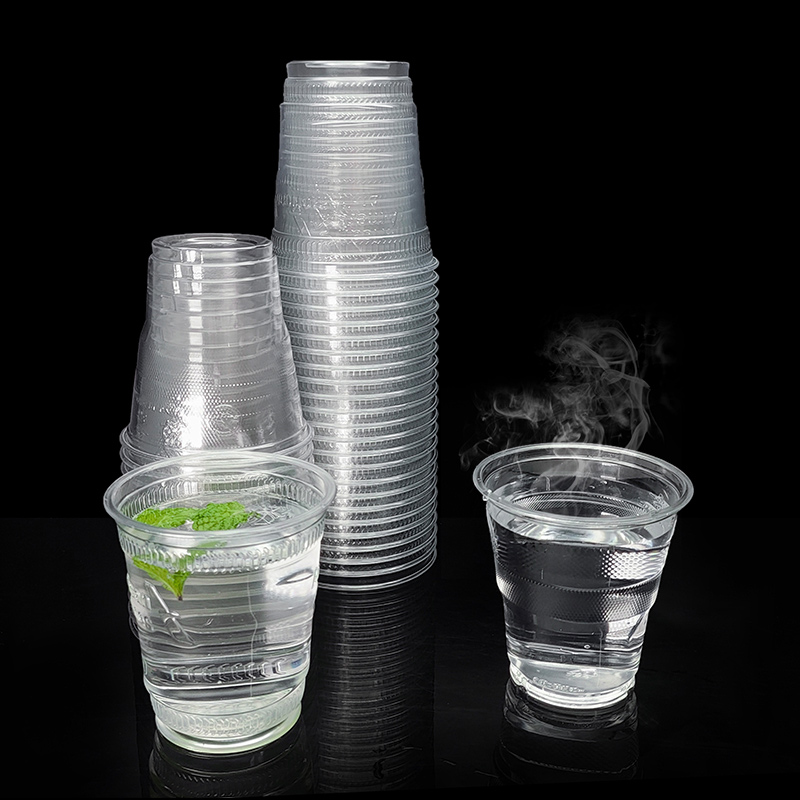
Airline cabins operate within strict spatial constraints. Beverage cups must fit into standardized catering trolleys, which typically have compartments designed for efficient stacking.
Key considerations include:
- Stack height per 50 cups
- Rim diameter consistency
- Deformation resistance under pressure
A well-designed stackable PET cups supplier solution can improve loading efficiency by up to 15–20%, reducing both storage volume and handling time.
Hygiene and Single-Use Safety Standards
Airline catering prioritizes hygiene due to the closed environment of aircraft cabins. Disposable PET cups offer:
- Single-use safety
- Reduced risk of cross-contamination
- Compliance with global hygiene protocols
These advantages make PET a preferred material for cold beverages such as water, juice, and soft drinks.
What Is PET and Why Is It Used for Airline Cups?
PET Material Properties
Polyethylene terephthalate (PET) is a widely used thermoplastic polymer known for its excellent clarity and strength. It is commonly used in beverage bottles and food containers.
Key properties include:
- High transparency (over 90% light transmission)
- Strong impact resistance
- Lightweight structure
- Food-safe composition
These characteristics make PET ideal for airline applications where both performance and presentation matter.
Scientific Performance Data of PET Cups
The following table summarizes the core physical and mechanical properties of PET:
| Property | Value |
|---|---|
| Density | ~1.38 g/cm³ |
| Transparency | 90–92% |
| Temperature Range | 0°C – 60°C |
| Tensile Strength | 55–75 MPa |
| Impact Resistance | High |
These parameters demonstrate why PET plastic cups wholesale solutions are widely adopted in aviation catering.
PET vs Other Materials (PP, PLA, PS)
Choosing the right material requires comparing PET with alternatives:
- PET vs PP cups airline: PET offers better clarity, while PP is better for hot beverages
- PET vs PLA cups comparison: PLA is more eco-friendly but less durable under temperature fluctuations
For airline catering, PET remains the most balanced option for cold beverage service.
Key Factors to Consider When Choosing PET Cups for Airline Catering
Cup Size and Capacity Selection
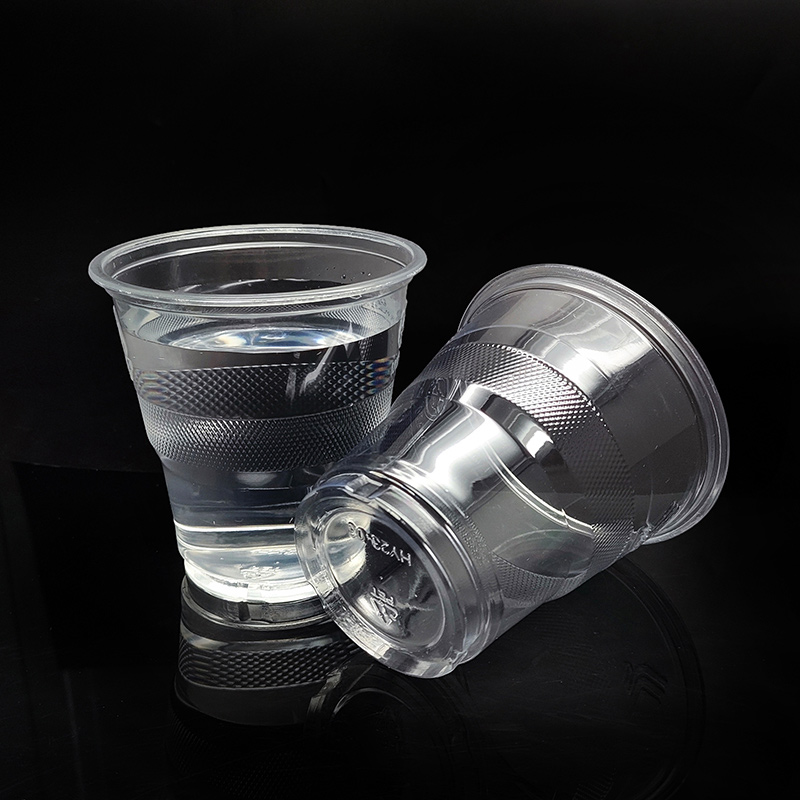
Airlines typically use standardized cup sizes:
- 200 ml (water service)
- 250 ml (juice or soft drinks)
- 300–350 ml (premium service)
Selecting the correct size ensures compatibility with service trays and passenger expectations.
A reliable custom PET cups airline catering supplier should offer multiple size options with consistent dimensions.
Cup Weight Optimization
Weight reduction must be carefully engineered. Reducing material thickness too aggressively can lead to:
- Deformation during stacking
- Cracking under pressure
- Poor user experience
Advanced manufacturers optimize wall thickness distribution to achieve weight savings of 5–10% without compromising strength.
Lid Compatibility and Sealing Performance
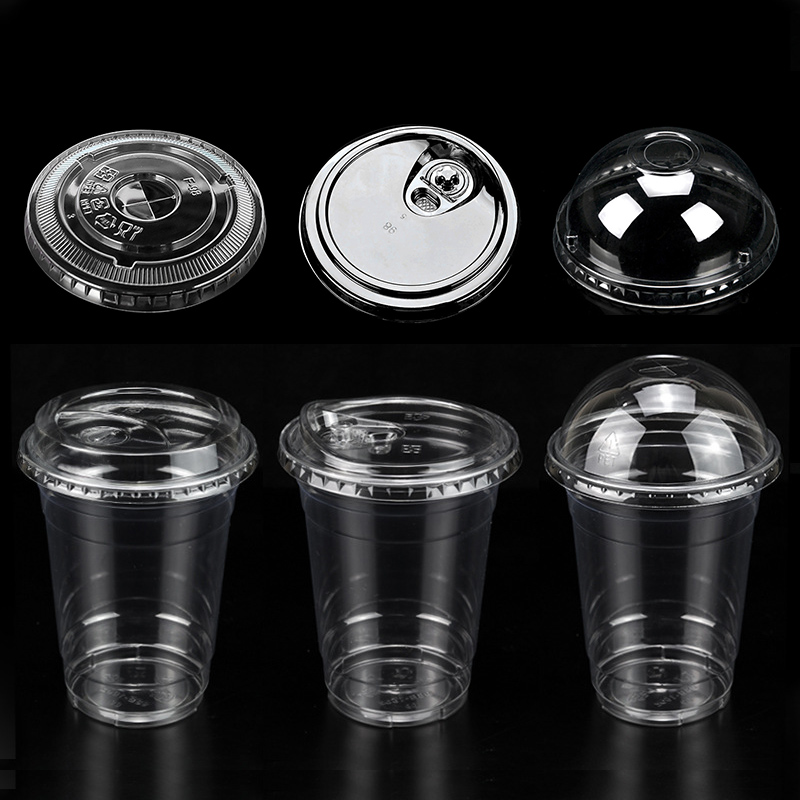
Lids are essential for spill prevention, especially during turbulence.
Common options include:
- Flat lids for standard service
- Dome lids for specialty beverages
A high-quality PET cups with lids manufacturer ensures:
- Tight sealing tolerance
- Leak resistance under vibration
- Compatibility across cup sizes
Clarity and Branding Presentation
PET’s transparency enhances beverage visibility, improving passenger perception of quality.
For premium airlines, this translates into:
- Better brand presentation
- Enhanced customer experience
- Increased perceived value
Durability Under Real Flight Conditions
Airline cups must withstand:
- Cabin pressure variations
- Vibrations during turbulence
- Stacking loads during transport
Testing typically includes:
- Drop tests (from 1–1.5 meters)
- Compression tests (stack pressure simulation)
- Leak tests under motion
Compliance and Regulations for Airline Food Packaging
International Food Safety Standards
Airline suppliers must comply with global regulations:
- FDA food contact compliance (USA)
- EU Regulation No. 10/2011
- LFGB standards (Germany)
A certified FDA approved PET cups supplier ensures that materials meet migration limits and safety thresholds.
Airline-Specific Supplier Requirements
In addition to regulatory compliance, airlines often require:
- HACCP-based production systems
- Traceability for raw materials
- Consistent batch quality
A professional airline catering packaging supplier must pass strict audits before approval.
Cost Structure: What Impacts PET Cup Pricing?
Raw Material Cost (PET Resin Price Trends)
PET resin prices fluctuate based on:
- Crude oil market trends
- Supply chain disruptions
- Recycled material availability (RPET)
Material cost typically accounts for 60–70% of total cup cost.
Manufacturing Process
PET cups are produced through thermoforming processes:
- Sheet extrusion
- Heating and forming
- Trimming and stacking
Automation level significantly impacts pricing and consistency.
A PET cup manufacturer factory direct with automated lines can reduce defect rates and improve efficiency.
Logistics and Packaging Efficiency
Transportation cost depends on:
- Carton density
- Stack efficiency
- Container loading optimization
Improved stacking design can increase container utilization by 10–15%, reducing shipping cost per unit.
Common Mistakes Buyers Make When Sourcing PET Cups
Choosing Based on Price Alone
Low-cost suppliers may compromise on:
- Material purity
- Thickness consistency
- Quality control
Ignoring Weight Tolerance
Variations of ±0.5 grams per cup can significantly impact total shipment weight and cost.
Overlooking Lid Compatibility
Mismatch between cups and lids can lead to leakage and operational issues.
Not Testing Real Flight Conditions
Laboratory testing alone is insufficient. Real-world simulation is essential.
Real Case Study: Airline Cost Reduction Through Cup Optimization
A regional airline operating 50 aircraft optimized its beverage cups:
- Original cup weight: 10.2 grams
- Optimized cup weight: 8.8 grams
- Reduction: 1.4 grams per cup
Annual impact:
- 5 million cups used
- Total weight reduction: 7,000 kg
- Estimated fuel savings: over $120,000 annually
This demonstrates the importance of working with an experienced PET cups manufacturer China.
Industry Trends: The Future of Airline Beverage Packaging
Lightweight Packaging Innovation
Manufacturers are developing:
- Ultra-thin wall technology
- Reinforced structural designs
You can read this article for more details:Why PET Airline Cups Are Revolutionizing In-Flight Beverage Service
Sustainability Shift (RPET & Recyclable Solutions)
Airlines are under increasing pressure to reduce environmental impact.
Trends include:
- Adoption of RPET materials
- Improved recyclability programs
- Reduced plastic usage
An eco friendly PET cups airline solution can balance sustainability and performance.
Custom Branding and Passenger Experience
Customization is becoming more important:
- Logo printing
- Unique cup shapes
- Premium presentation
How DASHAN Supports Airline Catering Clients
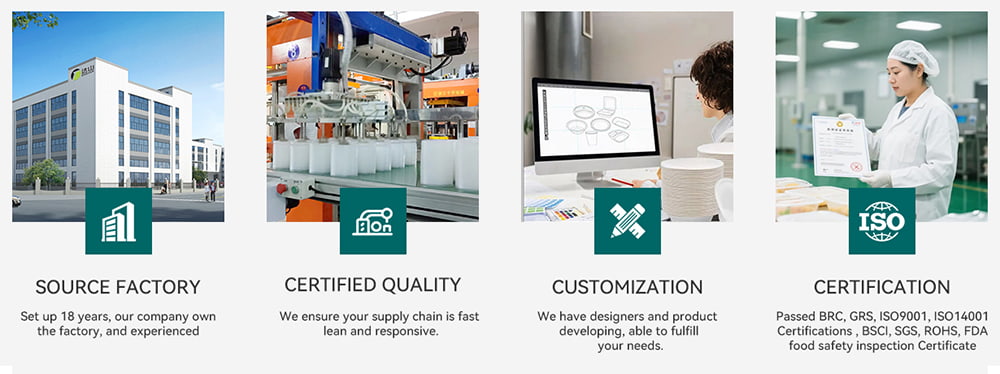
As a professional PET cups manufacturer China, DASHAN provides:
- High-clarity PET cup production
- Lightweight and durable designs
- OEM and custom branding solutions
- Stable large-scale supply
With strong experience in airline catering requirements, DASHAN helps clients achieve optimal balance between cost, quality, and compliance.
For buyers seeking an airline catering cups supplier factory, partnering with an experienced manufacturer ensures long-term reliability and scalability.
FAQ
What size PET cups are best for airlines?
Most airlines use 200–300 ml cups depending on beverage type and service level.
Are PET cups safe for air travel?
Yes, food-grade PET cups are safe when compliant with FDA and EU standards.
Can PET cups be recycled?
Yes, PET is widely recyclable and commonly used in circular packaging systems.
What is the MOQ for airline PET cups?
Typically ranges from 10,000 to 100,000 units depending on customization.
How can airlines reduce packaging costs?
By optimizing weight, improving stacking efficiency, and working with reliable suppliers.
Conclusion: Balancing Cost, Performance, and Compliance
Choosing the right PET cups for airline catering requires balancing multiple factors:
- Weight optimization for cost efficiency
- Material performance for durability
- Compliance for safety and regulation
- Design for passenger experience
By working with a reliable supplier and focusing on long-term value rather than short-term cost, airlines and catering companies can significantly improve operational efficiency and service quality.
In a highly competitive industry, the right packaging solution is not just a necessity—it is a strategic advantage.
References
- Food Contact Substances Guidance for Industry – U.S. Food and Drug Administration (FDA)
https://www.fda.gov/food/food-ingredients-packaging/food-contact-substances - Commission Regulation (EU) No 10/2011 on Plastic Materials and Articles Intended to Come into Contact with Food – European Commission
https://eur-lex.europa.eu/eli/reg/2011/10/oj - Airline Catering and Onboard Services Market Report – Market Research Future
https://www.marketresearchfuture.com/reports/airline-catering-services-market-10479 - Packaging and Sustainability: The Consumer View – McKinsey & Company
https://www.mckinsey.com/industries/paper-forest-products-and-packaging/our-insights - PET (Polyethylene Terephthalate) Technical Properties – PlasticsEurope
https://plasticseurope.org/knowledge-hub/plastics-materials/pet/ - Fuel Efficiency and Weight Reduction in Aviation – International Air Transport Association (IATA)
https://www.iata.org/en/programs/environment/fuel-efficiency/ - ISO 22000 Food Safety Management Systems – International Organization for Standardization (ISO)
https://www.iso.org/iso-22000-food-safety-management.html - Sustainable Packaging Market Size Report – Grand View Research
https://www.grandviewresearch.com/industry-analysis/sustainable-packaging-market
Copyright Statement
© 2026 Dashan Packing. All rights reserved.
This product article is an original publication by Dashan Packing. All descriptions, specifications, performance data, and application insights are developed based on our manufacturing experience and technical research.
Any reproduction, distribution, or commercial use of this content without prior written permission is strictly prohibited.
Dashan Packing is committed to delivering accurate, reliable, and professionally verified information for global packaging solutions.