

Quick Summary:
PET airline cups have emerged as the preferred choice for modern aviation beverage service. Compact, transparent, lightweight, and fully customizable, these cups offer operational efficiency, enhanced passenger experience, and branding opportunities, all while supporting sustainability initiatives. Airlines worldwide increasingly rely on PET cups for economy, business, and premium cabins. This blog explores the design, applications, market adoption, passenger preferences, and environmental benefits of PET airline cups, providing a comprehensive look at why they have become an industry standard.
Introduction
In today’s highly competitive aviation industry, the passenger experience extends far beyond the quality of the aircraft or the efficiency of the flight schedule. Every touchpoint—from boarding to onboard service—impacts customer satisfaction. One often-overlooked element is the type of drinkware used for serving beverages.
Traditional options like polystyrene (PS) cups, glass, and paper have distinct limitations. Glass is fragile and heavy, increasing risk and weight on aircraft trolleys. PS is lightweight but environmentally unfriendly, while paper lacks transparency and can compromise hygiene perception. Polyethylene Terephthalate (PET) cups offer a solution that combines durability, safety, clarity, and full customization, making them increasingly essential for modern airlines.
The evolution of PET airline cups reflects a broader trend toward enhanced operational efficiency, passenger-centric design, and environmental responsibility. Airlines are no longer simply delivering beverages—they are delivering an experience.
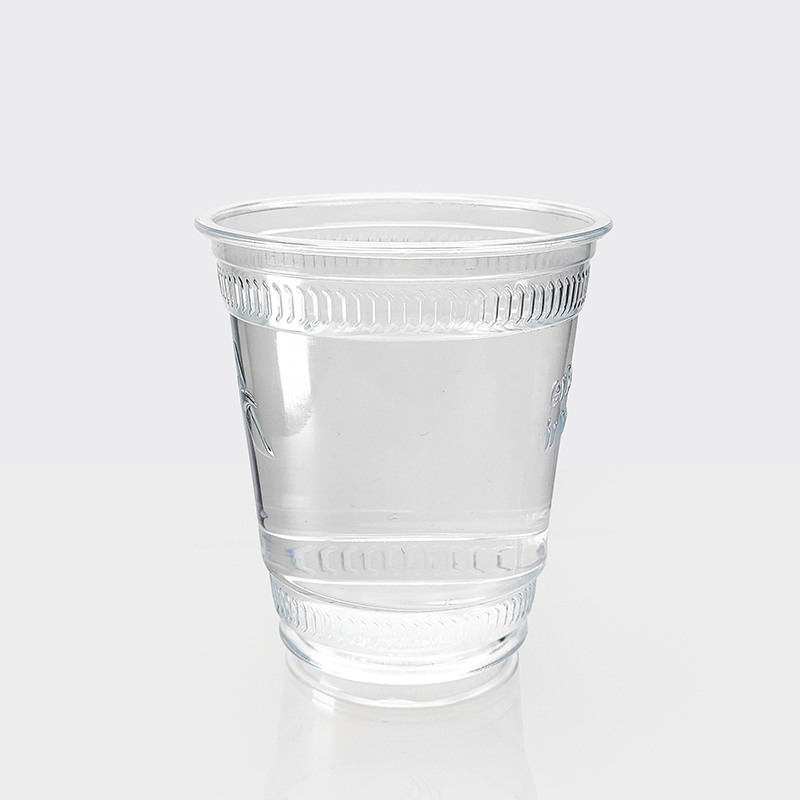
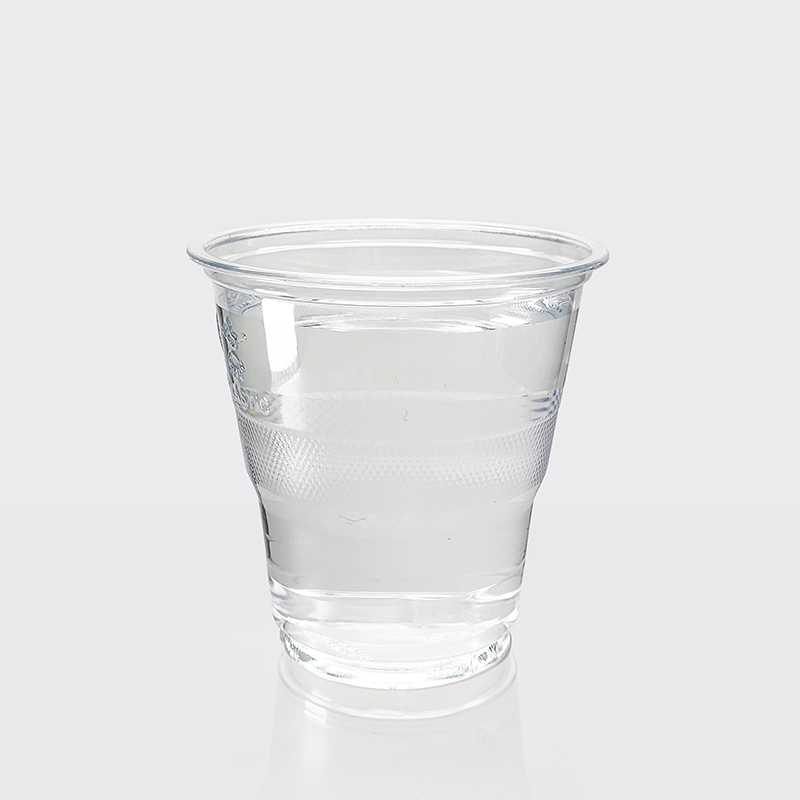
The Advantages of PET Airline Cups
Operational Efficiency
Airlines demand drinkware that is lightweight, stackable, and resistant to breakage. PET cups fulfill these requirements:
- Lightweight: PET cups can weigh up to 60% less than glass, reducing trolley weight and improving fuel efficiency across flights.
- Shatter-resistant: Durable PET minimizes breakage, preventing safety hazards and reducing replacement costs.
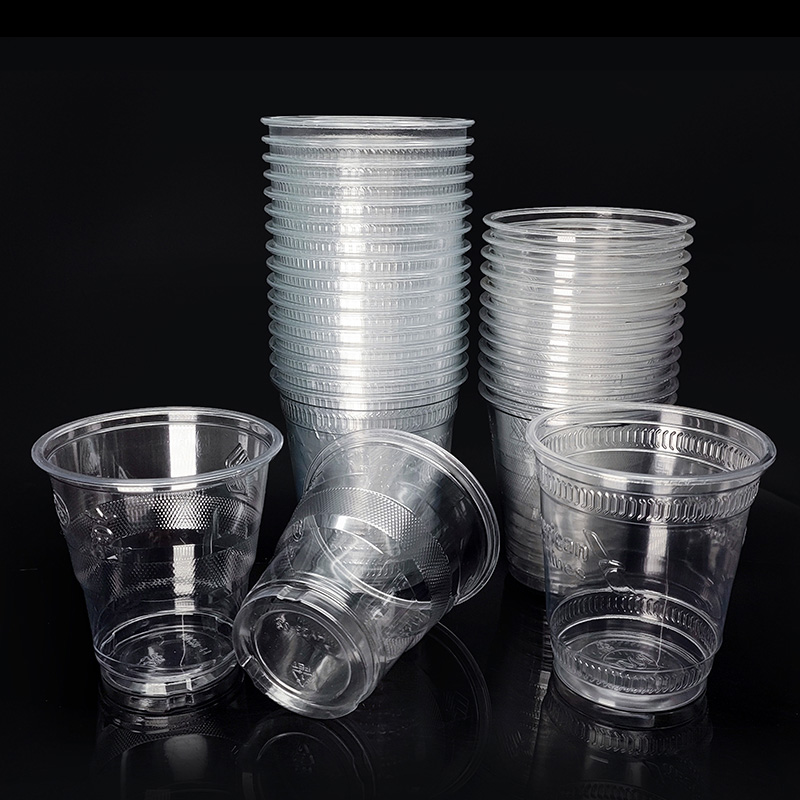
- Stackable Design: Allows maximum utilization of limited galley space, streamlining service during peak beverage periods.
This efficiency directly benefits cabin crew productivity, enabling faster service and fewer interruptions.
Enhanced Passenger Experience
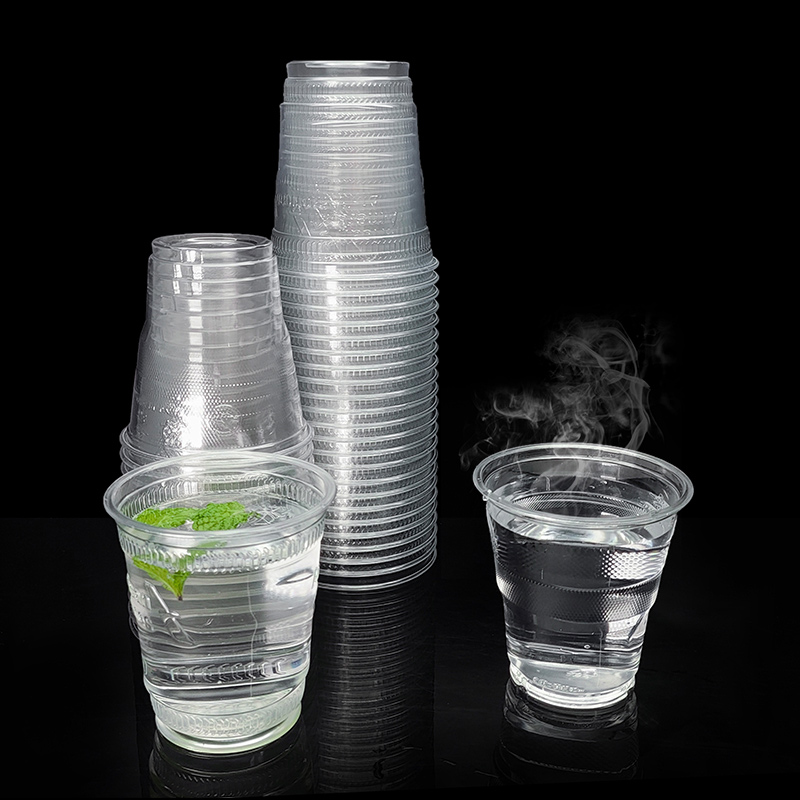
The visual appeal of a transparent PET cup enhances the perception of freshness and hygiene. Embossed patterns and printed airline logos create a premium feel even in economy class. Passengers often notice subtle branding elements, associating them with quality service.
Safety and Compliance
PET cups meet strict food-contact standards:
- Non-toxic and odorless, ensuring beverages remain safe and unaltered in flavor.
- Chemically resistant, suitable for soft drinks, juices, and water.
- Regulatory compliance, meeting FDA and EU food contact material standards.
This ensures safe, hygienic service for passengers across flight durations and beverage types.
Sustainability
Sustainability has become a key driver in airline procurement. PET cups are fully recyclable, lightweight, and durable. Many airlines complement PET cups with recyclable lids and straws, reducing single-use plastic waste. Compared with PS cups, PET offers significant reductions in environmental impact while maintaining service quality.
Design and Customization
PET cups are more than functional—they are strategic branding tools.
- Embossed Patterns: Improve grip and create tactile appeal.
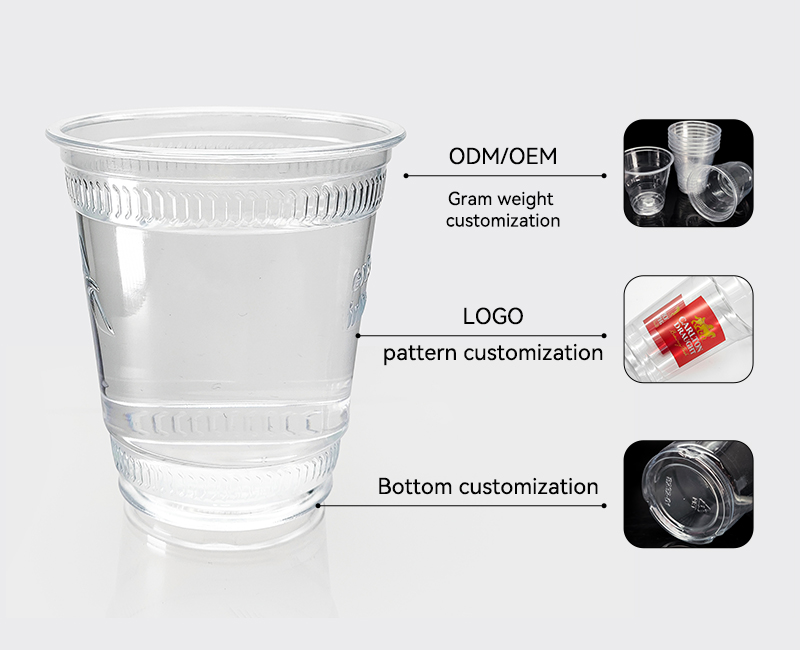
- Logo Printing: Reinforces airline identity and enhances brand visibility.
- Special Editions: Seasonal or campaign-specific designs add a premium touch.
Customizable cups contribute to passenger loyalty and brand recognition, particularly in business and first-class cabins.
Applications Beyond In-Flight Service
PET airline cups are highly versatile and used across multiple scenarios:
| Application | Purpose |
|---|---|
| In-Flight Service | Serving cold beverages, juices, soft drinks, cocktails |
| Airport Lounges | Premium beverage service for VIP passengers |
| Corporate Events | Branded cups for meetings, conferences, or promotional events |
| Hotel Room Service | Mini-bar or in-room beverage service |
These applications demonstrate the practicality and brand impact of PET cups beyond the aircraft cabin.
Global Market Adoption
PET cups are increasingly adopted worldwide due to their combination of operational, branding, and sustainability benefits.
| Region | PET Cup Adoption Rate | Primary Drivers |
|---|---|---|
| Europe | 78% | Sustainability focus, premium service expectations |
| North America | 72% | Durability, operational efficiency |
| Asia-Pacific | 65% | Passenger engagement, brand customization |
| Middle East | 60% | Luxury service standards |
Adoption rates correlate strongly with passenger expectations and regional environmental initiatives.
Operational Features of PET Cups
PET airline cups offer features designed to enhance both crew efficiency and passenger satisfaction:
- Compact & Lightweight: Optimal for single-serve beverages (70–250 ml).
- Transparent Material: Visual appeal and hygiene perception.
- Stackable Design: Simplifies storage and transport.
- Customizable: Embossing, printing, and limited edition designs are possible.
Manufacturing Process
- Material Preparation: High-grade PET pellets are cleaned and pre-dried.
- Thermoforming: Pellets molded into precise cup shapes.
- Customization: Logos and embossed designs applied.
- Quality Inspection: Ensures consistency in clarity, volume, and strength.
- Packaging: Stacked, wrapped, or boxed for airline delivery.
Comparison with Other Materials
| Feature | PET | PS | Glass |
|---|---|---|---|
| Transparency | Excellent | Moderate | Excellent |
| Durability | High | Low | Very Low |
| Weight | Lightweight | Lightweight | Heavy |
| Customization | Embossing/printing | Limited | Not feasible |
| Safety | Non-toxic | Non-toxic | Fragile |
| Recyclability | High | Moderate | High |
| Airline Suitability | Excellent | Limited | Poor |
PET combines all the advantages needed for modern aviation service, outperforming traditional options in safety, branding potential, and operational use.
Case Studies: Airlines Using PET Cups
- European Carrier: Switched from PS to PET cups in economy, reducing breakage by 80% and improving satisfaction scores.
- North American Airline: Introduced embossed PET cups in business class, enhancing brand visibility and passenger perception.
- Asia-Pacific Airline: Implemented PET cups in lounges and onboard, integrated with recycling programs for eco-conscious passengers.
These examples illustrate operational, environmental, and branding benefits.
Passenger Survey Insights
Survey of 3,500 airline passengers revealed:
- 82% notice the quality of in-flight drinkware.
- 74% associate transparent cups with cleanliness and freshness.
- 68% prefer branded or embossed cups in premium cabins.
- 60% consider eco-friendly cups an important factor in airline selection.
Such insights demonstrate the marketing and service impact of PET cups beyond mere functionality.
Sustainability and Environmental Impact
PET cups reduce environmental impact in measurable ways:
- Reduced Waste: Up to 40% less landfill waste per flight versus PS cups.
- Recyclable Material: Can be converted into fibers, bottles, and industrial materials.
- Integrated Recycling Programs: Airlines report ~20% reduction in single-use plastic waste annually when PET is combined with eco-conscious initiatives.
Market Forecast and Trends
Global PET airline cup adoption is projected to increase:
| Region | Current Adoption | Forecast 2030 | CAGR |
|---|---|---|---|
| Europe | 78% | 85% | 2.5% |
| North America | 72% | 78% | 2.0% |
| Asia-Pacific | 65% | 70% | 1.5% |
| Middle East | 60% | 66% | 1.8% |
Trends indicate growing preference for recyclable, branded, and functional drinkware across commercial airlines.
FAQs
Q1: Can PET cups hold hot beverages?
A1: No, they are designed for cold or room-temperature drinks.
Q2: Are PET airline cups recyclable?
A2: Yes, when disposed of through proper recycling channels.
Q3: Can cups be customized with airline logos?
A3: Yes, embossing and printed logos are standard options.
Q4: Why choose PET over PS or glass?
A4: PET is lightweight, durable, stackable, and eco-friendly.
Q5: Are PET cups safe for passengers?
A5: Yes, compliant with FDA and EU regulations.
Q6: Can PET cups be reused outside aviation?
A6: Yes, suitable for lounges, hotels, corporate events, and promotional purposes.
Q7: What sizes are available?
A7: Standard volumes range from 70 ml to 250 ml; custom sizes can be produced on request.
Conclusion
PET airline cups have transformed in-flight beverage service. They combine operational efficiency, passenger satisfaction, brand reinforcement, and sustainability, making them indispensable for modern airlines. Lightweight, durable, transparent, and customizable, PET cups enhance perceived service quality while aligning with environmental initiatives. Airlines worldwide recognize that even a small item like a cup can significantly impact passenger experience, loyalty, and brand image.
References
- Plastics Insight: https://www.plasticsinsight.com
- IATA Airline Service Standards: https://www.iata.org/en/publications
- Recycling International: https://www.recyclinginternational.com
- FDA Food Contact Guidelines: https://www.fda.gov/food/food-contact-substances-fcs
- Dashan Official Website: https://www.dashanpacking.com
Copyright Statement
© 2026 Dashan Packing. All rights reserved.
This article on PET airline cups is an original work created by the Dashan Packing editorial team. All content, including text, data tables, case studies, and references, is based on our independent research, industry expertise, and product knowledge. Reproduction, redistribution, or commercial use of any part of this content without prior written permission is strictly prohibited.
Dashan Packing is committed to delivering accurate, evidence-based, and transparent information while upholding originality and compliance with global intellectual property standards.