

1. Introduction: Understanding the Importance of Sustainable Packaging
In recent years, sustainable packaging has become a crucial focus for companies, driven by growing environmental concerns and increasing consumer demand for eco-friendly solutions. Packaging plays a significant role in waste generation, and as companies aim to reduce their environmental footprint, adopting sustainable packaging has become a key strategy. Sustainable packaging refers to packaging that is produced using materials that minimize harm to the environment, are recyclable, biodegradable, or reusable, and have a reduced carbon footprint compared to conventional packaging materials.
This article explores how companies can ensure their packaging is sustainable, from the selection of materials to innovative packaging designs, regulatory compliance, and consumer engagement.

2. What Is Sustainable Packaging?
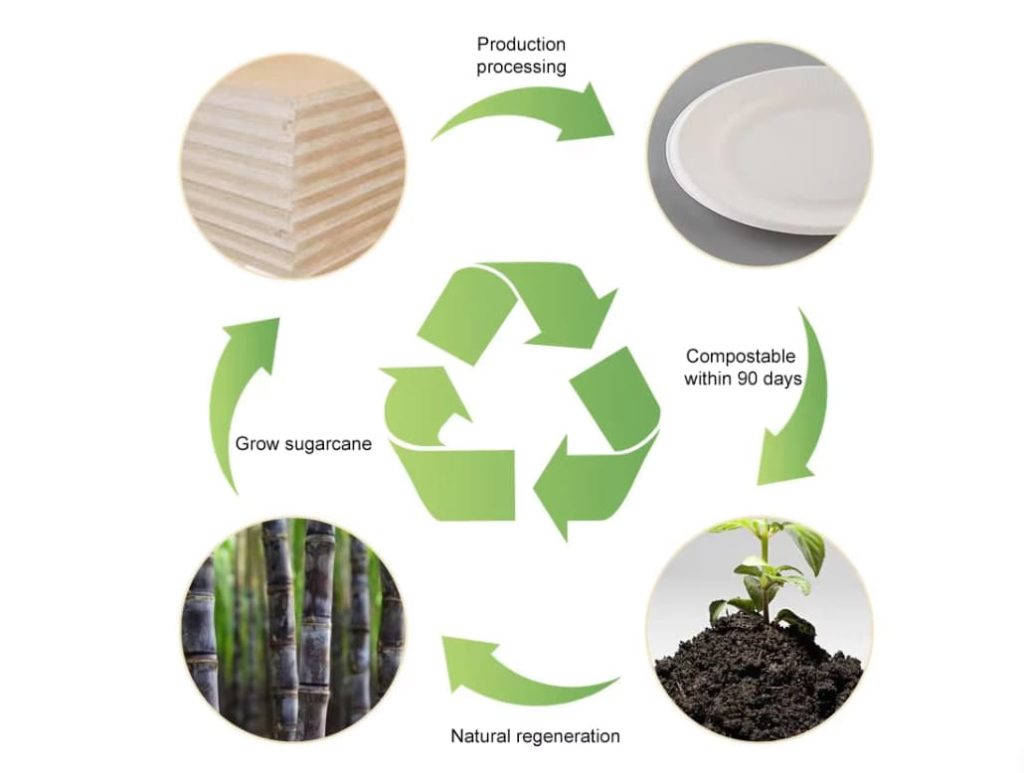
Sustainable packaging is defined as packaging that has a minimal negative impact on the environment throughout its entire life cycle. This includes the selection of materials that are renewable, recyclable, or compostable, and the consideration of the carbon footprint and waste management associated with packaging.
Unlike conventional packaging, which often relies on single-use plastics and other non-renewable materials, sustainable packaging focuses on reducing waste, conserving resources, and minimizing pollution. Sustainable packaging is designed to minimize its impact not only during production but also during transportation, use, and disposal.
3. Key Elements of Sustainable Packaging
To achieve sustainability, packaging must meet certain criteria. Some of the key elements of sustainable packaging include:
-
Renewability: Using materials that are sourced from renewable resources, such as plant-based plastics or paper made from sustainably harvested wood.
-
Recyclability: Designing packaging that can easily be recycled, reducing the need for virgin materials.
-
Compostability: Packaging that can break down naturally and return to the environment without causing harm.
-
Minimal material use: Using only the amount of material necessary to protect the product, reducing waste.
-
Carbon footprint reduction: Minimizing the emissions produced during the manufacturing, transportation, and disposal of packaging.
These elements work together to reduce the overall environmental impact of packaging and ensure a sustainable packaging solution.
4. The Environmental Impact of Packaging
Traditional packaging, especially made from plastic, has significant environmental consequences. Packaging materials contribute to plastic pollution, waste accumulation, and the depletion of natural resources. For example, single-use plastics often end up in landfills or oceans, where they take centuries to decompose, harming wildlife and polluting ecosystems.
On the other hand, sustainable packaging seeks to minimize these impacts by:
-
Reducing waste through better design and material selection.
-
Encouraging recycling and reuse, making packaging more efficient.
-
Decreasing the carbon footprint associated with packaging production and transportation.
The environmental impact of packaging is one of the primary reasons companies are increasingly investing in more sustainable alternatives.

5. Types of Sustainable Packaging Materials
There is a growing variety of sustainable packaging materials available today, including:
-
Biodegradable materials: Packaging made from biodegradable resources like sugarcane bagasse, cornstarch, and PLA (polylactic acid). These materials break down naturally and do not harm the environment.
-
Recycled materials: Using recycled paper, recycled plastic (rPET), and recycled cardboard helps reduce the demand for virgin materials and closes the loop in the recycling process.
-
Plant-based plastics: Materials like PLA and PHA (polyhydroxyalkanoates) are derived from plant sources and are biodegradable, offering an alternative to petroleum-based plastics.
-
Glass and metal: These materials are highly recyclable and are often used for packaging food and beverages due to their durability and recyclability.
-
Paper: Paper packaging made from responsibly sourced wood pulp can be recycled and composted, making it a more sustainable option than plastic.
Each material comes with its own set of advantages and challenges, and the choice depends on the product, cost considerations, and the desired sustainability goals.

6. Sustainable Packaging Design
Packaging design plays a significant role in sustainability. Minimalist design focuses on reducing the volume of material used, ensuring that only the necessary amount of packaging is used for protection. This reduces waste and costs. Additionally, modular packaging design allows for better use of space and easy disassembly for recycling.
Other important aspects of sustainable design include:
-
Lightweight packaging: Reducing the weight of packaging minimizes transportation costs and lowers emissions.
-
Clear labeling: Packaging should be clearly labeled with information on how to recycle or dispose of it properly, encouraging consumers to follow correct disposal practices.
Effective sustainable packaging design not only considers the environmental impact but also enhances the functionality and consumer appeal of the packaging.
7. Innovations in Sustainable Packaging
Innovation is transforming the world of sustainable packaging. Some groundbreaking innovations include:
-
Edible packaging: Made from natural materials like seaweed, rice, or algae, these packaging solutions can be consumed with the product, eliminating waste entirely.
-
Water-soluble packaging: Certain materials, such as polyvinyl alcohol (PVA), dissolve in water and leave no waste behind.
-
Mushroom packaging: Made from fungus roots, this innovative packaging can be composted and is biodegradable.
-
3D printed packaging: This technology allows for highly customized packaging with minimal waste and the use of sustainable materials.
-
Smart packaging: Technology integrated into packaging to monitor freshness, track waste, and even reduce packaging volume when not in use.
These innovations show that sustainable packaging is evolving rapidly, with new materials and designs continually emerging.
8. Global Regulations and Standards for Sustainable Packaging
As the world faces increased environmental challenges, various regions have introduced regulations and standards aimed at promoting sustainable packaging. Some key global regulations include:
-
The European Union’s Packaging and Packaging Waste Directive: This directive requires that packaging must be reusable or recyclable, with the goal of increasing recycling rates and reducing packaging waste.
-
The U.S. Environmental Protection Agency (EPA): In the U.S., the EPA sets guidelines for packaging that prioritize waste reduction and sustainable material use.
-
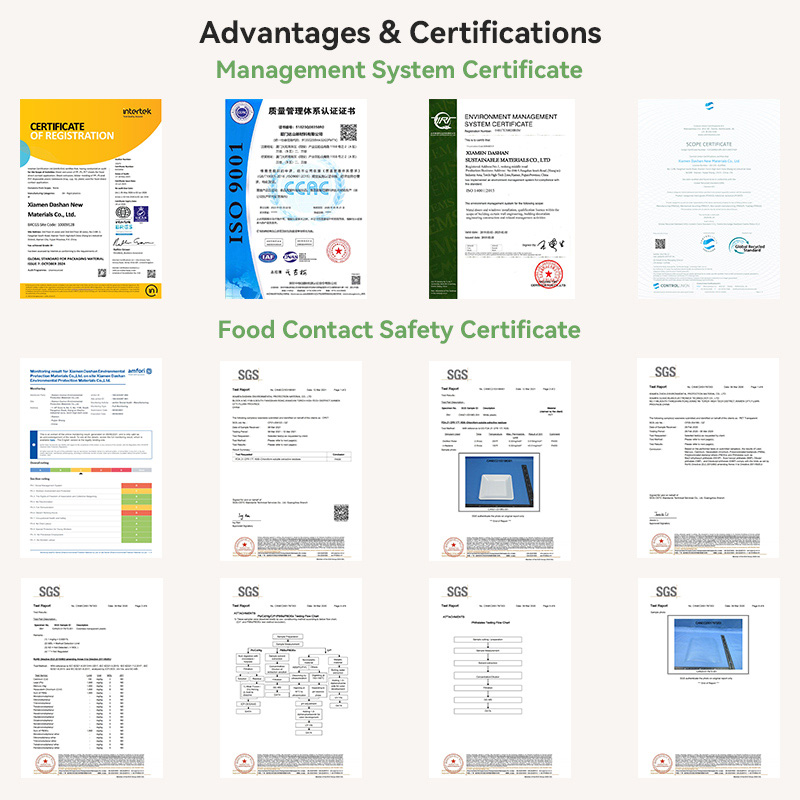
China’s Green Packaging Certification: A set of standards that promote the use of eco-friendly packaging materials in the Chinese market.
These regulations not only help mitigate the environmental impact of packaging but also offer companies an opportunity to lead the market by aligning their products with global standards for sustainability.
9. How Companies Can Transition to Sustainable Packaging
Transitioning to sustainable packaging requires careful planning, research, and collaboration. Here are some steps companies can take:
-
Conduct a packaging audit: Evaluate current packaging materials and processes to identify areas for improvement.
-
Research sustainable alternatives: Work with suppliers to explore available sustainable materials such as PLA, rPET, or sugarcane bagasse.
-
Collaborate with industry leaders: Join initiatives like the New Plastics Economy to share knowledge and develop sustainable packaging solutions.
-
Engage consumers: Educate customers about the sustainability of your packaging and encourage them to recycle or reuse it.
-
Monitor supply chain: Ensure that suppliers align with your sustainability goals and provide eco-friendly materials.
These steps are critical for businesses to not only reduce their environmental impact but also improve their competitive position in the marketplace.

10. Challenges in Adopting Sustainable Packaging
Although sustainable packaging is an attractive solution, there are challenges that companies face, including:
-
Higher initial costs: Many sustainable materials are more expensive than conventional packaging, though the long-term savings in waste management and consumer loyalty can offset these costs.
-
Supply chain complexities: Sourcing sustainable materials and ensuring they meet production standards can be challenging, especially for small businesses.
-
Consumer education: Many consumers are not fully aware of how to dispose of packaging correctly, meaning that some sustainable packaging may still end up in landfills.
However, overcoming these challenges is possible with innovation, education, and partnerships with the right suppliers.
11. The Role of Consumer Awareness in Sustainable Packaging
Consumers increasingly care about the sustainability of the products they buy. Companies that focus on sustainable packaging can enhance their brand image and build customer loyalty. Clear communication about the eco-friendly nature of the packaging, such as through labeling or advertising campaigns, can engage consumers and increase demand for sustainable products.
12. The Business Case for Sustainable Packaging
The adoption of sustainable packaging not only benefits the environment but can also make good business sense. Here are some advantages:
-
Cost savings from reducing material usage and waste management.
-
Increased consumer demand for sustainable products, leading to higher sales.
-
Brand differentiation in a crowded market, as sustainability becomes a key selling point.
-
Regulatory compliance that positions companies ahead of future packaging laws.
Incorporating sustainable packaging strategies can enhance a company’s market share and long-term success.
13. Case Studies of Companies Leading in Sustainable Packaging
Several companies have made significant strides in sustainable packaging, including:
-
Unilever: Committed to making all of its packaging recyclable, reusable, or compostable by 2025.
-
Nestlé: Working to reduce plastic waste by shifting to sustainable packaging and launching recyclable packaging initiatives.
-
Patagonia: Known for its use of recycled materials in its product packaging and promoting sustainable packaging alternatives.
These case studies provide valuable insights into how companies can successfully transition to sustainable packaging.
14. Conclusion: The Future of Sustainable Packaging
The future of sustainable packaging is promising, with increasing innovation, regulatory changes, and consumer demand for eco-friendly packaging. As companies and consumers work together to reduce environmental impact, sustainable packaging will continue to evolve, offering new solutions and opportunities to create a circular economy.

15. FAQ: Frequently Asked Questions about Sustainable Packaging
1. What is sustainable packaging?
Sustainable packaging refers to packaging that is produced with materials that minimize harm to the environment. These materials are often recyclable, biodegradable, or compostable, and their production involves a reduced carbon footprint.
2. Why is sustainable packaging important?
It helps reduce environmental pollution, decrease waste in landfills, and conserve natural resources. Sustainable packaging also helps reduce carbon emissions associated with production and disposal.
3. How can companies reduce packaging waste?
Companies can reduce packaging waste by using minimalist designs, switching to recyclable materials, and encouraging consumers to reuse or recycle packaging. Additionally, companies should minimize the volume and weight of their packaging.
4. What materials are considered sustainable for packaging?
Some sustainable materials include biodegradable plastics (like PLA), recycled paper and cardboard, sugarcane bagasse, and plant-based plastics. Glass and metal are also sustainable due to their recyclability.
5. Can sustainable packaging be cost-effective for businesses?
While sustainable packaging materials often have a higher upfront cost, they can lead to long-term savings due to reduced waste management costs and consumer demand for eco-friendly products.
6. How do regulations influence sustainable packaging?
Regulations are becoming stricter globally, mandating that packaging be recyclable or compostable. Companies that adopt sustainable packaging early can stay ahead of these regulations and avoid future compliance costs.
7. What are the challenges companies face when adopting sustainable packaging?
Challenges include higher initial costs, limited availability of certain sustainable materials, and the complexity of supply chains. Additionally, consumer education on how to properly dispose of sustainable packaging is necessary.
8. What are the benefits of using sustainable packaging for businesses?
Using sustainable packaging can enhance brand image, increase customer loyalty, and improve compliance with environmental regulations. It can also reduce long-term costs and attract environmentally conscious consumers.
16. References
-
“The Circular Economy: A Waste-Free Future,” European Commission.https://medium.com/@yangpingzhang167/harnessing-the-power-of-pet-rpet-pla-and-cpet-for-sustainable-retail-adapting-to-the-u-s-ec04364801ca
-
“Environmental Impact of Packaging,” Environmental Protection Agency (EPA).
-
“Sustainable Packaging Materials,” Sustainable Packaging Coalition.https://medium.com/@yangpingzhang167/comparing-corn-starch-with-other-biobased-packaging-materials-pla-and-bagasse-7369c05c54d9
Copyright Statement
© 2025 Dashan Packing. All rights reserved.
This article is an original work created by the Dashan Packing editorial team.
All text, data, and images are the result of our independent research, industry experience,
and product development insights. Reproduction or redistribution of any part of this content
without written permission is strictly prohibited.
Dashan Packing is committed to providing accurate, evidence-based information and
to upholding transparency, originality, and compliance with global intellectual property standards.