

Quick Summary:
The 700ml bubble tea size has become the standard “large” serving in many milk tea shops worldwide. This size strikes the perfect balance between portion size and customer satisfaction, offering a satisfying drink without being overwhelming. It’s favored for its affordability, versatility in customization, and ideal fit for popular toppings like tapioca pearls, fruit jellies, and pudding.
The article explores the history of bubble tea, regional preferences, and why the 700ml size has emerged as the go-to option for both consumers and businesses. It also covers the economic benefits, customer behavior, sustainability practices, and future trends within the bubble tea industry. Additionally, the article delves into the environmental impact of packaging materials, with a focus on eco-friendly solutions being adopted by many shops.
The 700ml size remains a key factor in making bubble tea a beloved and profitable beverage around the world.
Introduction
Bubble tea, also known as boba tea, is no longer just a trendy drink but has become a staple beverage across the globe. From its origins in Taiwan in the 1980s, it has evolved into an international phenomenon, with millions of cups served each year in nearly every country. One of the key elements that make bubble tea so popular is its variety of drink sizes, with the 700ml cup emerging as the most commonly ordered “large” size in milk tea shops.
In this article, we will explore why the 700ml size has become the standard for bubble tea, examining its origins, customer preferences, and the economic factors behind its popularity. We will also delve into the environmental impact, marketing strategies, and future trends, providing a comprehensive understanding of this beloved drink size.

Section 1: The Rise of Bubble Tea
1.1 The Birth of Bubble Tea
Bubble tea was invented in Taiwan in the 1980s, with multiple stories claiming different creators. However, the key to its success lies in its innovation—a mix of sweet tea and chewy tapioca pearls that created a fun texture and exciting taste experience. Over time, different variations emerged, including fruit teas, milk teas, and an increasing number of toppings such as red beans, coconut jelly, and grass jelly.
Taiwan’s bubble tea shops quickly became hubs of innovation, and by the early 2000s, the beverage had spread to neighboring Asian countries and eventually made its way to Western nations. The global spread of bubble tea was fueled by a growing interest in unique, customizable drinks and a cultural shift toward younger, trendier food and beverage options.
1.2 The Global Spread of Bubble Tea
The adoption of bubble tea worldwide was swift and, in many regions, accelerated by social media, where vibrant images of bubble tea—often with colorful toppings and thick straws—became highly shareable. In the U.S., for instance, bubble tea shops began appearing in major cities like Los Angeles, New York, and San Francisco in the 2000s, quickly becoming a favorite among young consumers. Today, bubble tea is an integral part of the food and beverage culture in cities globally, with shops popping up on nearly every corner in major urban centers.
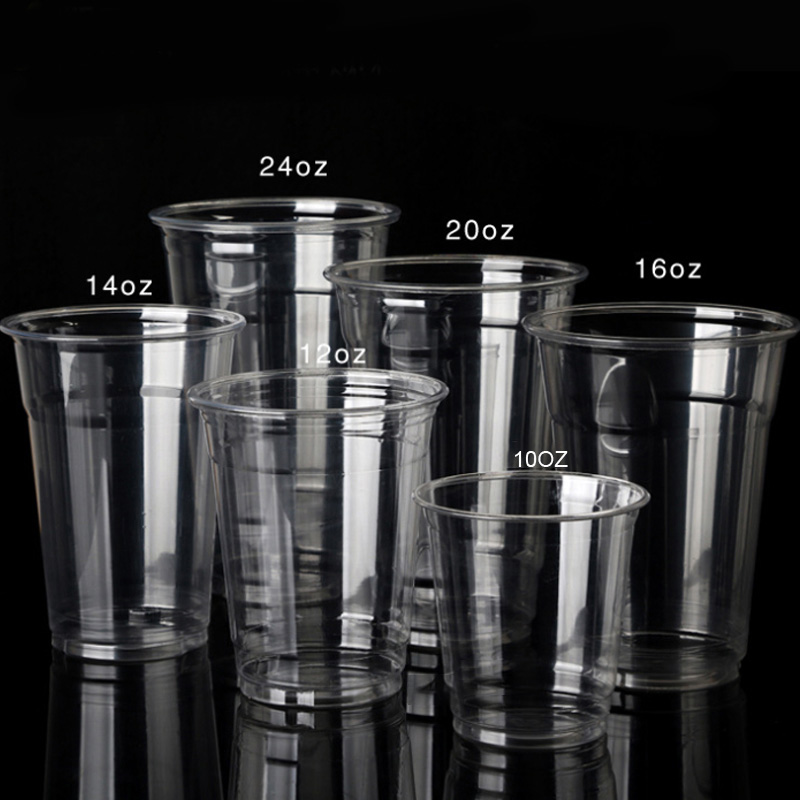
With this rise in popularity, various sizes of bubble tea cups began to emerge. The 700ml cup, commonly considered a “large” size, became the ideal portion for the average consumer—offering just enough to satisfy without overwhelming.
Section 2: Popularity of 700ml Bubble Tea
2.1 Survey Data
Surveys conducted by industry groups and bubble tea companies show that 700ml is the preferred size for the majority of customers. A 2019 consumer survey indicated that 62% of customers selected the 700ml size when given the choice of multiple sizes, with the remaining 38% split between smaller (500ml) and larger (1L) cups. Customers reported that 700ml is an ideal amount for both individual consumption and sharing.
2.2 Regional Preferences
While the 700ml size has become popular worldwide, regional preferences can vary. For example, in North America, bubble tea shops often market the 700ml cup as the “regular” or “medium” size, making it the standard for most shops. In Asia, however, the 700ml cup is typically labeled as “large,” with smaller portions like 500ml being more common for customers seeking lighter options.
In some countries, such as Japan and South Korea, smaller cup sizes like 500ml dominate the market, reflecting a preference for more modest drink portions. Yet, the 700ml size continues to be seen as the most satisfying portion in bubble tea culture globally.
2.3 Customer Feedback
According to feedback from bubble tea shop owners, customers tend to choose the 700ml cup because it offers the perfect balance between quantity and value. The larger portion feels indulgent without being overly excessive. Additionally, the 700ml size accommodates various toppings (like tapioca pearls, popping pearls, puddings, and fruit jellies) that customers enjoy customizing in their drinks.
The ability to enjoy multiple toppings without spilling over into larger cups like 1L makes the 700ml size the optimal choice for many customers, who find that 700ml offers just the right amount of tea for a fulfilling, refreshing experience.
Section 3: The Economics of Offering 700ml
3.1 Pricing Strategy
The price of a 700ml bubble tea typically ranges between $4 and $7, depending on location and shop preferences. The cost of ingredients, labor, and overhead expenses all contribute to the final price. The key to maintaining profitability with the 700ml size lies in balancing ingredient costs and setting competitive prices that customers are willing to pay.
3.2 Cost of Goods Sold (COGS)
The cost of goods sold (COGS) for a 700ml bubble tea typically includes the following ingredients: tea, tapioca pearls, milk or milk alternatives, sweeteners, and flavoring additives (such as fruit purees). On average, a 700ml drink contains:
-
Tapioca pearls: 30g
-
Milk or dairy substitute: 200ml
-
Tea: 500ml
-
Sugar and sweeteners: 25g
-
Toppings: Varies by customer choice (e.g., 20g of fruit jellies)
The total ingredient cost is approximately $1.50 per serving.
| Ingredient | Amount per 700ml | Cost per Unit | Total Cost |
|---|---|---|---|
| Tapioca Pearls | 30g | $0.10 per 30g | $0.10 |
| Milk (or substitute) | 200ml | $0.30 per 200ml | $0.60 |
| Tea | 500ml | $0.05 per 100ml | $0.25 |
| Sugar & Sweeteners | 25g | $0.05 per 25g | $0.05 |
| Toppings (optional) | Varies | $0.20 | $0.20 |
Total COGS for 700ml: $1.20 per drink
3.3 Profit Margins
Given that a 700ml bubble tea typically sells for $4 to $7, the profit margin can be high, ranging from 250% to 500% depending on the region. The 700ml size allows bubble tea shops to achieve high profitability, especially when served with popular toppings that generate additional revenue.
Section 4: Customer Preferences and Behavior
4.1 The Psychology of Size
Why do customers favor the 700ml size? A key factor is the psychological appeal of the portion size. In many regions, especially in North America, larger portion sizes are often perceived as providing better value for money. The 700ml cup is substantial enough to feel indulgent but not too large to be overwhelming. This makes it the perfect size for customers who want a fulfilling drink without feeling guilty about excess.
4.2 Health Considerations
As health consciousness rises globally, many customers are becoming more mindful of the beverages they consume, particularly in terms of sugar content and calorie intake. The 700ml size allows customers to control their portion while also enjoying a satisfying drink. Customizable sugar levels and fruit-based teas are common options for health-conscious consumers looking to balance taste with health.
4.3 Customization Options
Customization is a major selling point for bubble tea, and the 700ml cup is the perfect size to accommodate multiple flavor combinations. Customers can choose from various teas (black, green, oolong), adjust the sweetness level, and add toppings like tapioca pearls, pudding, jelly, or chia seeds. This flexibility makes 700ml an attractive choice for many customers who enjoy experimenting with different combinations.
Section 5: Environmental Impact of the 700ml Size
5.1 Sustainable Practices in Bubble Tea Shops
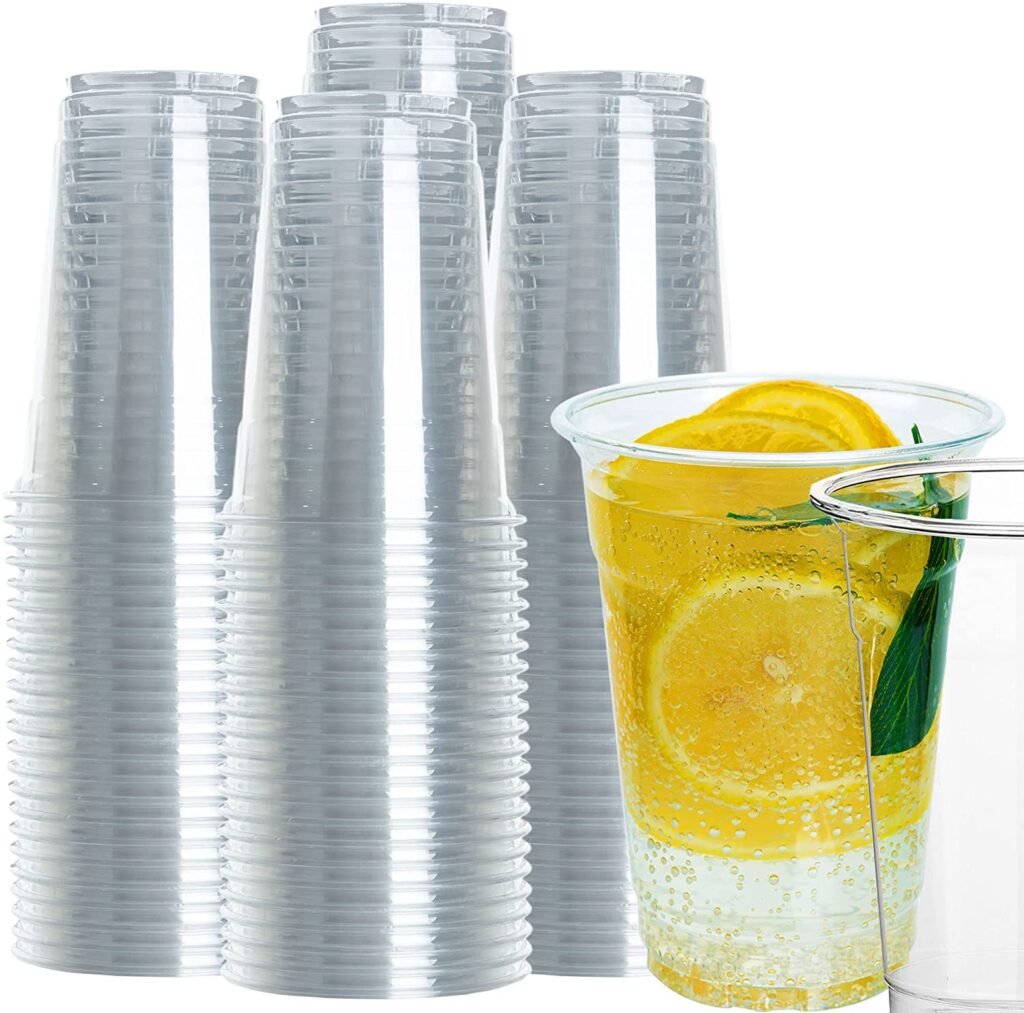
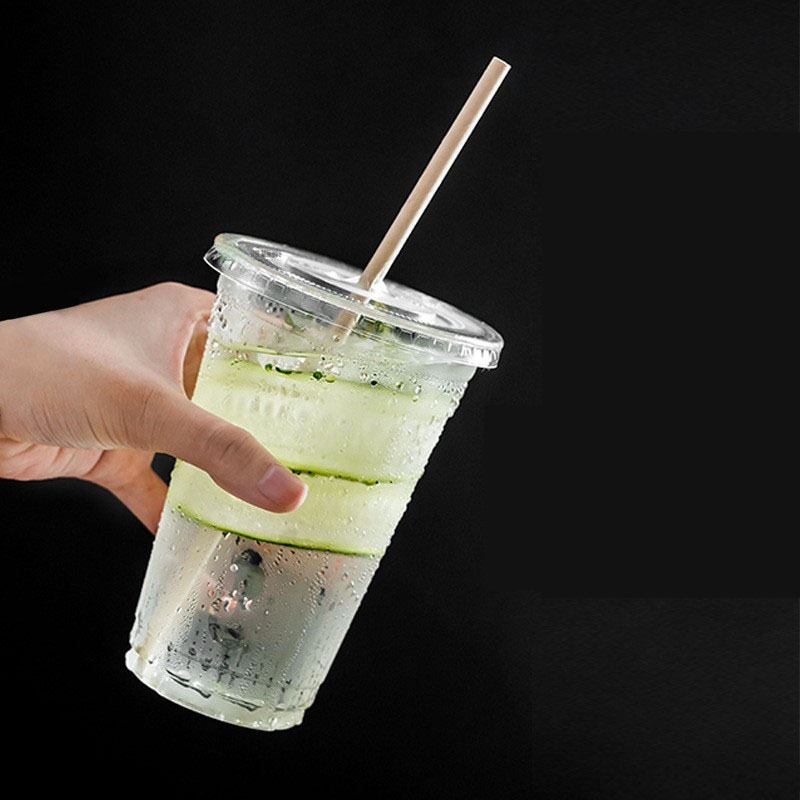
Bubble tea is often served in single-use plastic cups, which contribute to environmental waste. However, as sustainability becomes a priority for consumers and businesses alike, many bubble tea shops are adopting eco-friendly practices. Some shops use biodegradable cups, compostable straws, and recyclable materials to mitigate environmental harm.
5.2 The Role of 700ml Size in Sustainability
The 700ml size provides a more efficient packaging solution compared to excessively large cups like 1L servings. By focusing on the 700ml portion, bubble tea shops can reduce unnecessary waste and packaging materials, contributing to a more sustainable business model. In some countries, legislation has pushed for reduced plastic use, further encouraging shops to adopt more eco-conscious alternatives.
Section 6: Marketing and Branding with 700ml Sizes
6.1 Popularity in Social Media
The rise of social media has played a major role in promoting the bubble tea industry. The 700ml cup is often the star of Instagram posts, with its vibrant colors, toppings, and eye-catching appearance. Many bubble tea shops now market their drinks specifically for social media appeal, knowing that larger cups like 700ml are more visually impactful and more likely to be shared online.
6.2 Influencers and Celebrity Endorsements
Many popular influencers and celebrities contribute to the trend of 700ml bubble tea through product placements and sponsorships. This trend continues to boost the 700ml size’s popularity, as fans of influencers often follow their beverage preferences, particularly when those preferences include large, visually appealing drinks.
Section 7: Comparing 700ml with Other Sizes
7.1 Nutritional Information
The 700ml size often contains a balanced amount of calories, sugar, and caffeine compared to other sizes. Here’s an average breakdown for a classic milk tea with tapioca pearls:
-
700ml Size: ~400–600 calories, depending on the sweetness level and toppings.
-
500ml Size: ~300–400 calories.
-
1L Size: ~700–1000 calories.
7.2 Popular Add-ins in 700ml
-
Tapioca pearls
-
Fruit pearls
-
Jelly cubes
-
Pudding
-
Aloe vera
Section 8: Future Trends in Bubble Tea Sizing
8.1 Changing Consumer Preferences
As consumer preferences evolve, bubble tea shops are continually adjusting their sizes and offerings. The 700ml cup will likely remain a staple, but future trends may include healthier options, such as lower-sugar teas or plant-based milk alternatives. There is also a growing demand for low-calorie and vegan-friendly options.
8.2 Technology and Innovation
The future of bubble tea sizing will likely see new innovations in packaging materials, with more shops adopting sustainable packaging solutions that reduce waste. Additionally, advances in drink customization will allow for more interactive experiences where customers can adjust their drinks in real-time through apps or kiosks.
Frequently Asked Questions (FAQ)
Q1: Is 700ml a standard size for bubble tea?
A1: Yes, it’s the popular “large” size in many milk tea shops worldwide. It provides a satisfying portion without being excessively large, making it the perfect choice for most customers.
Q2: How much does a 700ml bubble tea cost?
A2: The price varies based on location and customization options but generally ranges from $4 to $7.
Q3: Why is the 700ml size considered the best for bubble tea?
A3: The 700ml size is the optimal balance between volume and value. It’s large enough to be satisfying but not overwhelming, and it accommodates a variety of toppings.
Q4: How many calories are in a 700ml bubble tea?
A4: A 700ml bubble tea typically contains around 400-600 calories, depending on the ingredients and sweetness level.
Q5: Can I customize a 700ml bubble tea?
A5: Yes, you can customize the drink with different tea bases, sweetness levels, and a variety of toppings like tapioca pearls, fruit pearls, and jelly cubes.
Q6: What are the most popular toppings in a 700ml bubble tea?
A6: Popular toppings include tapioca pearls, fruit pearls, pudding, jelly cubes, and coconut jelly.
Q7: Is 700ml bubble tea environmentally friendly?
A7: Many bubble tea shops are adopting more sustainable practices, such as using biodegradable cups and compostable straws. Additionally, the 700ml size helps reduce packaging waste compared to excessively large servings.
Conclusion
The 700ml bubble tea has become a standard size due to its ideal balance between quantity and value. It satisfies customer cravings without being excessively large, making it the perfect choice for most bubble tea enthusiasts. As the bubble tea industry continues to grow, we can expect the 700ml size to remain a key offering in shops worldwide.
References
Copyright Statement
© 2026 Dashan Packing. All rights reserved.
This article is an original work created by the Dashan Packing editorial team.
All text, data, and images are the result of our independent research, industry experience,
and product development insights. Reproduction or redistribution of any part of this content
without written permission is strictly prohibited.
Dashan Packing is committed to providing accurate, evidence-based information and
to upholding transparency, originality, and compliance with global intellectual property standards.