
Quick Summary
Corn starch tableware is a bio-based alternative to traditional plastic cutlery and food packaging. Made from renewable plant resources, it helps brands reduce plastic dependence, improve environmental credentials, and comply with tightening global single-use plastic regulations — especially in foodservice and retail sectors.
As global regulations on single-use plastics continue to tighten, restaurants, cafés, retailers, caterers, and foodservice brands are re-evaluating the materials they rely on. Among the leading alternatives, corn starch cutlery has emerged as a practical and increasingly popular option.
This article explains:
-
what corn starch cutlery really is
-
whether it is genuinely sustainable
-
which markets and regulations it aligns with
-
recent industry data and growth outlook
-
how it compares with other eco-friendly materials
-
what buyers should evaluate before sourcing
It is written from a procurement and compliance perspective to support smarter, lower-risk purchasing decisions.
1. What Is Corn Starch Cutlery?

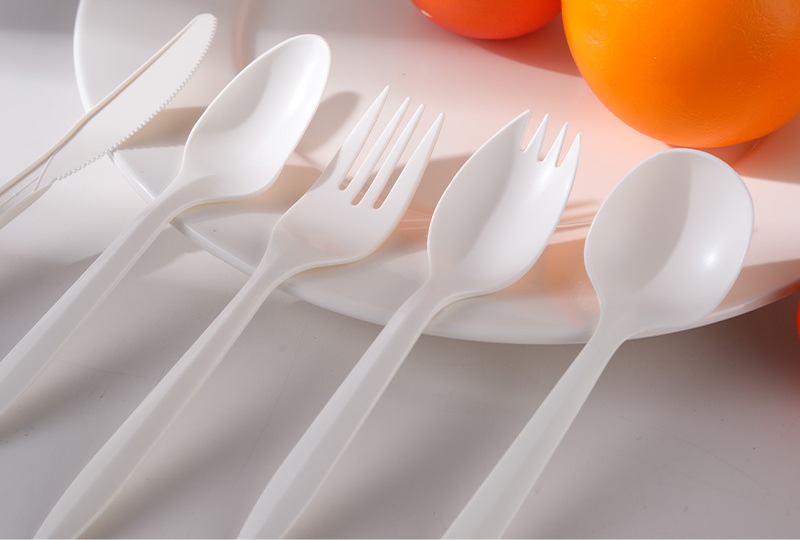
Corn starch cutlery is manufactured from starch extracted from corn and combined with biodegradable or compostable biopolymer resins. The blended material is processed through extrusion, molding, trimming, and finishing to form utensils such as forks, knives, spoons, stirrers, and related tableware.
Typical characteristics include:
-
plant-based, renewable raw materials
-
lower dependence on fossil resources
-
stable structure and acceptable strength
-
good compatibility with cold and warm foods
-
suitability for restaurants, takeaway, catering, hotel service, and events
However, not all “starch-based” products behave the same.
Formulations vary. Some are industrial-compostable. Some are only partially biodegradable. A product labeled “eco,” “green,” or “biodegradable” is not automatically compliant.
This is why validation and standards matter.
2. Is Corn Starch Cutlery Truly Eco-Friendly?
Sustainability should be evaluated using a life-cycle perspective, not marketing language.
Environmental advantages
Compared with conventional petroleum-based plastics:
-
Raw materials — derived from renewable crops
-
Carbon footprint — typically lower across production and end-of-life scenarios
-
End-of-life options — can be composted under controlled conditions
In the presence of proper heat, moisture, oxygen, and microorganisms — such as industrial composting environments — certain corn-starch materials can break down into water, CO₂, and biomass.
But three conditions matter
Environmental value depends on whether:
-
The product meets recognized compostability standards.
-
Suitable industrial composting or managed waste systems exist locally.
-
The supplier clearly communicates real disposal instructions.
Therefore, corn starch cutlery is best positioned as part of a responsible waste strategy, not as a “throw it anywhere and it disappears” solution.
3. Policy and Market Forces Behind the Shift
Global demand is accelerating
Independent market research indicates that the biodegradable cutlery market — including corn-starch-based products — has entered a sustained growth phase.
Recent estimates show:
-
Market value in 2024 is in the range of USD 39–47 million
-
Projected growth to over USD 70 million by 2032–2033
-
Compound annual growth generally estimated between 4% and 8%
Some broader studies that classify “biodegradable tableware” and adjacent categories even project double-digit growth under certain policy scenarios.
The drivers are clear:
-
stronger plastic-reduction legislation
-
consumer preference for sustainable brands
-
ESG and corporate responsibility commitments
-
rapid expansion of takeaway and delivery ecosystems
Starch-based packaging is also expanding
Zooming out to the broader corn-starch packaging market:
-
around USD 260–270 million in the mid-2020s
-
expected to reach USD 350+ million by 2030
-
growth typically modeled at 5–6% CAGR
Corn starch cutlery benefits from the same momentum — expanded capacity, improved material science, and increasing acceptance by regulators and retailers.
Regulation as a catalyst
Over the last several years, more regions have restricted or banned:
-
single-use plastic knives, forks, and spoons
-
plates and containers made from non-recyclable plastics
-
low-value or hard-to-recover plastic packaging
In response, manufacturers have increased investment in bio-based research, material innovation, and performance enhancements across compostable categories.
4. Standards and Compliance: What Buyers Must Verify
Compliance determines whether a product is both legal and reliable in its target market.
Common standards include:
-
EN 13432 — industrial compostability (EU)
-
ASTM D6400 / D6868 — industrial compostability (USA)
-
AS 4736 / AS 5810 — industrial / home composting (Australia)
-
Regional food-contact safety standards and migration tests
Before purchasing, confirm:
-
Third-party testing certificates are current and traceable.
-
Claims such as “compostable” specify industrial or home composting.
-
Food-contact compliance is documented.
-
The product labeling aligns with the laws governing your destination market.
The more rigorous the documentation, the lower the compliance and customs risks.
5. Performance Comparison: Corn Starch vs Other Materials
| Attribute | Corn Starch | PLA | Bagasse | PP |
|---|---|---|---|---|
| Source | Plant-based | Plant-based | Plant fiber | Petrochemical |
| Heat resistance | Medium | Medium–Low | Good | Very good |
| Oil resistance | Good | Good | Excellent | Excellent |
| Compostability | Depends on formulation & standards | Industrial compostable | Compostable | Not compostable |
| Cost | Medium | Medium–High | Medium | Low |
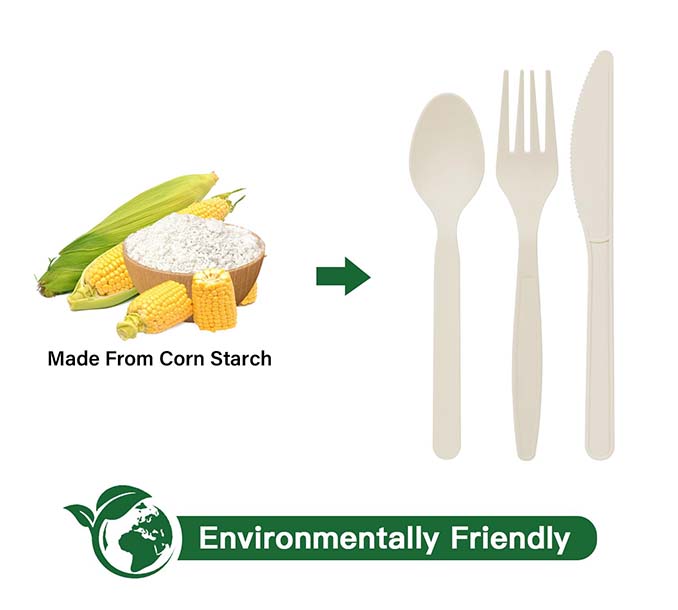
Corn starch cutlery is especially suitable for:
-
salads, fruits, desserts, and light meals
-
fast casual dining and takeaway
-
office and corporate catering
-
events, festivals, and hotels
For high-heat applications (microwave, oven, etc.), other materials — such as bagasse containers or specific heat-resistant PP — tend to perform better.
6. Why Consumers Respond Positively
Survey results across multiple markets show consumers value:
-
Renewable sourcing — clear plant-based origin.
-
Reduced plastic footprint — perceived environmental benefit.
-
Comfortable usability — familiar feel, not “paper-like.”
For brands, corn starch cutlery helps communicate:
-
alignment with sustainability initiatives
-
reduced environmental impact messaging
-
support for circular and responsible packaging transitions
This strengthens consumer trust, especially in foodservice categories.
7. Procurement Checklist: How to Select the Right Product
When evaluating suppliers, verify the following:
-
transparent formulation disclosure
-
compostability and food-contact testing reports
-
batch stability and quality consistency
-
break-resistance and structural rigidity
-
packaging and logistics protection
-
customization capability (sizes, kits, branding, retail packs)
A credible supplier will provide:
-
specification sheets
-
performance data
-
regulatory documentation
-
relevant application guidance
—not simply marketing slogans.
8. Where DASHAN Adds Value
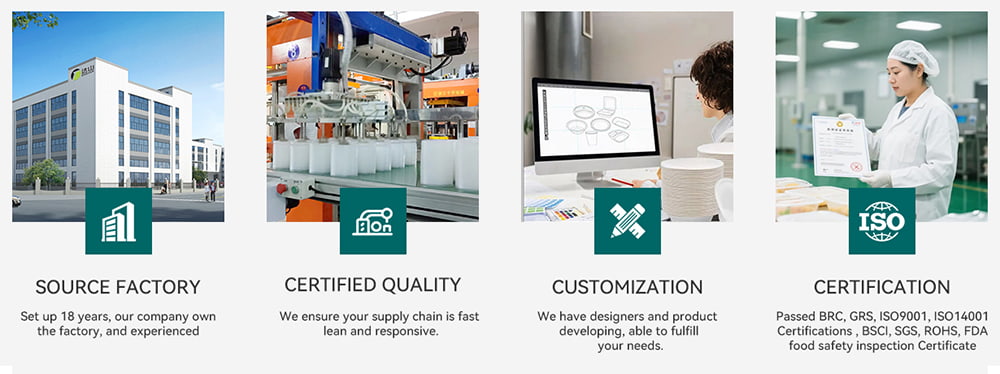
DASHAN supports foodservice and packaging partners with a portfolio approach rather than a single-material push.
We offer:
-
corn starch cutlery sets and kits
-
matching tableware combinations
-
alternative material solutions: PLA, bagasse, PP, PET/RPET, and more
Our goal is straightforward:
Match each application with the material that best balances regulation, performance, and total cost — not just sustainability claims.
For customers requiring long-term supply, customization, or certification support, DASHAN can assist with technical files, documentation, and market compliance preparation.
FAQ
1. Is corn starch tableware really biodegradable?
Corn starch tableware is bio-based and can degrade under controlled industrial composting conditions. It is not designed to break down instantly in nature, but it significantly reduces reliance on fossil plastics.
2. Is it safe for food contact?
Yes. High-quality corn starch tableware complies with international food-contact standards when manufactured correctly and tested by certified laboratories.
3. Can corn starch products withstand hot food?
Most corn starch tableware handles normal hot meals and beverages. However, very high temperatures or microwaving may not be suitable. Always review product specifications for heat tolerance.
4. How does corn starch compare with PLA or bagasse?
-
Corn starch: consumer-friendly, lightweight, price-competitive
-
PLA: excellent transparency, disposable cups and lids
-
Bagasse: strong, heat-resistant, ideal for trays and boxes
Many buyers choose mixed portfolios based on application needs.
5. Are corn starch products accepted globally?
Yes. Many regions encourage bio-based alternatives in response to plastic bans, especially in foodservice, takeaway, hospitality, schools, and events.
6. Are corn starch products more expensive than plastic?
Unit prices can be higher than traditional plastics, but savings come from:
-
higher brand perception
-
improved compliance
-
reduced environmental risk
-
alignment with retailer sustainability goals
7. Does DASHAN supply customized corn starch products?
Yes. DASHAN offers sizes, shapes, and private-label customization to match different markets and regulations.
Conclusion
Corn starch cutlery is not a universal answer to every packaging challenge. However, as policy pressure rises and consumers favor responsible brands, it has become one of the most practical, scalable, and market-ready options in modern foodservice.
When evaluated through standards, certification, application needs, and supplier capability, corn starch cutlery delivers real environmental benefits — while supporting brand credibility and regulatory readiness.
References
-
EU Single-Use Plastics Directive (SUP Directive) — The Directive restricting single-use plastics including cutlery and foodware across the European Union. Directive (EU) 2019/904 (Single‑Use Plastics Directive) Summary
-
Regulatory Trends for Compostable Packaging in the EU — EU movement toward industrial compostability requirements for packaging. EU Policy Framework on Biodegradable/Compostable Plastics (Commission Communication)
-
EPA-Ireland Report on Packaging Waste and Regulation — Regulatory insight into packaging bans and trends, including single-use plastics.
-
UNIDO Implementation Guidelines on Plastic Waste Management — Definitions and distinctions between biobased, biodegradable, and compostable plastics.
Copyright Statement
© 2026 Dashan Packing. All rights reserved.
This article is an original work created by the Dashan Packing editorial team.
All text, data, and images are the result of our independent research, industry experience,
and product development insights. Reproduction or redistribution of any part of this content
without written permission is strictly prohibited.
Dashan Packing is committed to providing accurate, evidence-based information and
to upholding transparency, originality, and compliance with global intellectual property standards.