

Quick Summary
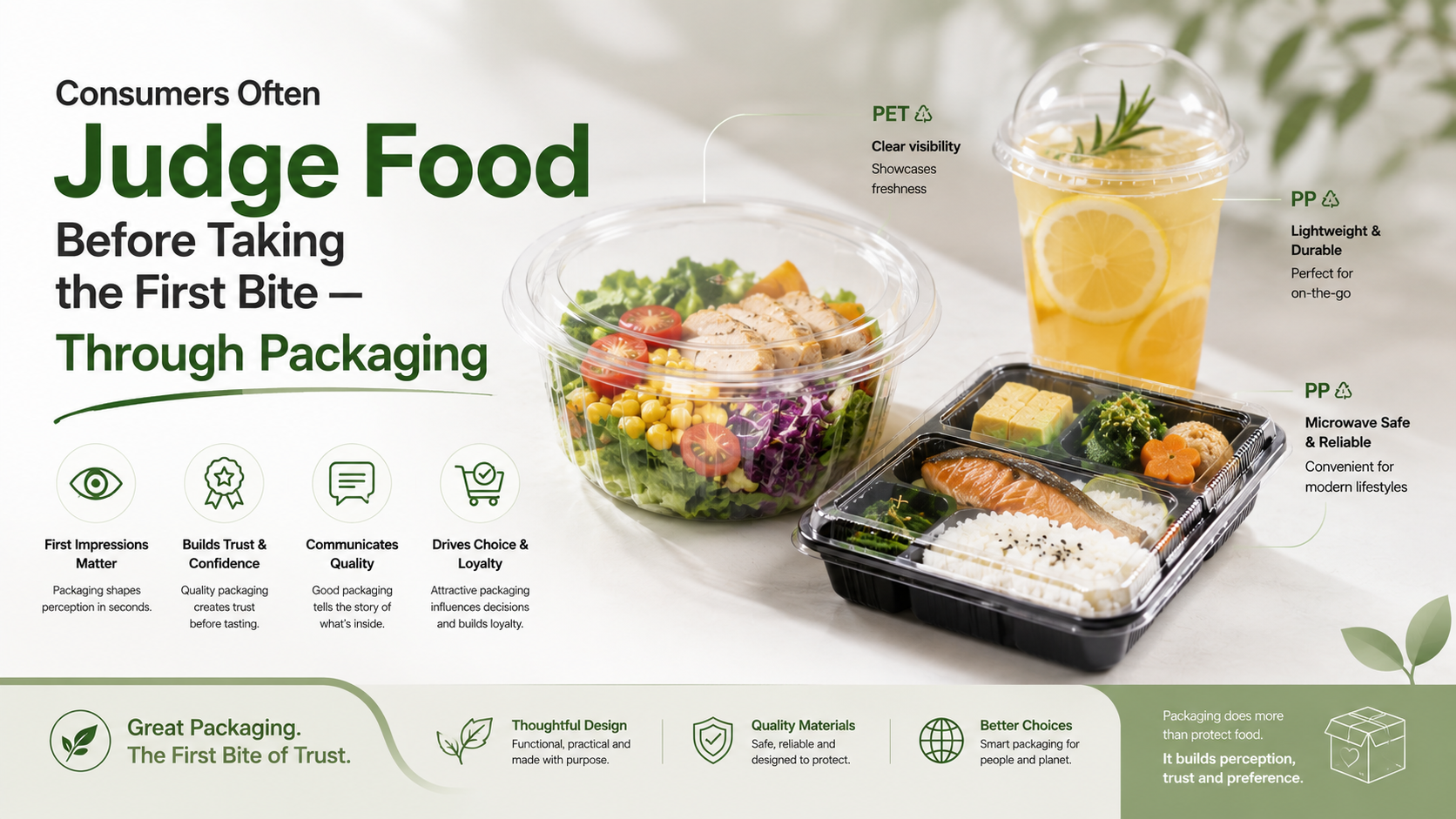
Consumers often judge food quality before tasting it, and packaging plays a major role in shaping those first impressions. From transparent PET cups and premium dessert boxes to leak-resistant takeaway containers, modern food packaging influences perceptions of freshness, hygiene, branding, and overall customer experience. As social media, food delivery, and sustainability trends continue growing, packaging has become an essential part of how food brands attract and retain consumers.
Consumers rarely experience food for the first time through taste alone. In modern foodservice environments, the first interaction usually happens visually — through packaging. Before customers smell coffee, taste dessert, or open a takeaway meal, they have already formed impressions based on cup design, container quality, sealing performance, color presentation, and overall packaging appearance.
This shift has become especially important in an era dominated by takeaway culture, food delivery platforms, and social media-driven dining experiences. Packaging is no longer viewed simply as a protective layer for transportation. It has become part of the product itself.
Restaurants, cafes, supermarkets, and food brands increasingly understand that consumers often associate packaging quality directly with food quality. A carefully designed container can make food appear fresher, cleaner, safer, and more premium. Meanwhile, poor packaging can reduce trust before the first bite is even taken.
As competition within foodservice markets continues growing, packaging has evolved into one of the most influential factors shaping customer perception and purchasing behavior.
First Impressions Strongly Influence Food Perception
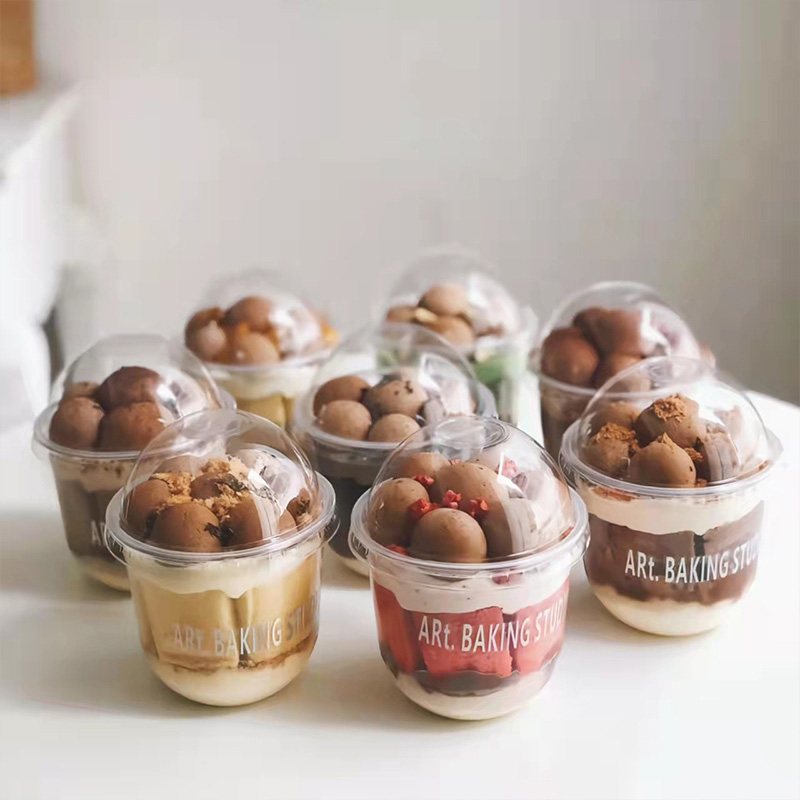
Psychologists and consumer behavior researchers have long observed that visual cues strongly affect how consumers evaluate products. In foodservice industries, packaging often acts as the first signal of freshness, hygiene, and overall quality.
This effect is visible across nearly every category of food retail.
For example, many premium dessert shops intentionally use transparent PET packaging because customers want to see texture, color layering, and decorative details before purchasing. In Japan and South Korea, fruit sandwiches and layered cakes are frequently displayed in highly transparent containers that emphasize visual precision and freshness.
Similarly, specialty coffee chains often invest heavily in cup presentation because consumers associate cup aesthetics with beverage quality and brand identity.
A clear example can be seen with Starbucks, where seasonal beverage cups and limited-edition packaging frequently become part of the customer experience itself. During holiday seasons, Starbucks’ cup designs often generate social media discussions and user-generated content before consumers even comment on the beverage flavor.
This demonstrates an important reality: packaging creates expectations.
| Packaging Element | Consumer Perception |
|---|---|
| Transparent lids | Freshness and cleanliness |
| Minimalist design | Premium quality |
| Strong sealing | Food safety and trust |
| Organized compartments | Better presentation |
In supermarkets, consumers often compare ready meals visually within seconds. Packaging shape, clarity, food arrangement, and lid quality can significantly affect purchasing decisions even when products contain similar ingredients.
This is one reason premium food brands increasingly treat packaging development as part of overall product strategy rather than a secondary operational task.
Social Media Has Turned Packaging Into Free Advertising
The rise of Instagram, TikTok, Xiaohongshu, and other visual platforms has dramatically increased the importance of packaging presentation.
Food packaging now regularly appears in:
- customer photos,
- influencer content,
- unboxing videos,
- and restaurant marketing campaigns.
In many cases, packaging itself becomes part of the shareable experience.
Bubble tea brands provide a strong example of this trend. Companies such as Gong Cha and HEYTEA use highly recognizable cup designs, lid structures, and logo placement to improve visual identity across social media platforms.
Consumers frequently post drinks online while holding branded cups, unintentionally turning packaging into mobile advertising.
Japanese bento packaging has also gained global attention because of its organized presentation and visual balance. Department-store food halls in Tokyo often package sushi and prepared meals with carefully arranged compartments, transparent lids, and minimalistic labeling that emphasize freshness and craftsmanship.
Luxury dessert packaging offers another example. High-end pastry brands in cities such as Paris, Seoul, and Tokyo increasingly use rigid takeaway boxes, magnetic closures, and premium inserts to create a gift-like presentation experience. Consumers often associate this packaging quality with superior product quality before tasting the food.
This trend is especially important for younger consumers, who frequently evaluate food based on how visually “shareable” it appears online.
As a result, restaurants and beverage brands are investing more heavily in:
- premium transparent containers,
- custom-printed cups,
- aesthetically balanced layouts,
- and sustainable premium packaging designs.
Food Delivery Changed Consumer Packaging Expectations
The rapid expansion of food delivery platforms fundamentally changed how consumers interact with food packaging.
In traditional dine-in environments, customers focused primarily on food presentation inside the restaurant. In delivery systems, however, packaging becomes the main customer touchpoint before consumption.
Consumers now evaluate:
- whether packaging leaked,
- whether drinks remained stable,
- whether food stayed organized,
- and whether the packaging still looks clean upon arrival.
This significantly increased pressure on restaurants to improve packaging quality.
For example, delivery platforms in many Asian markets reported rising customer complaints related not to food flavor, but to damaged packaging and poor transportation performance. Soup leakage, collapsed containers, and condensation buildup became common sources of negative reviews.
In response, many restaurant chains upgraded packaging systems.
Fast-food brands such as McDonald’s introduced improved cup holders, stronger paper bags, and better-sealed takeaway containers in several markets to support delivery operations more effectively.
Similarly, premium sushi and ramen chains increasingly adopted tamper-evident seals to reassure customers regarding food safety during transportation.
The COVID-19 pandemic further accelerated this shift. During that period, consumers became far more sensitive to hygiene and packaging integrity. Packaging cleanliness itself became part of brand trust.
This explains why modern food packaging must now balance:
- durability,
- sealing performance,
- presentation quality,
- and customer reassurance simultaneously.
Manufacturers such as DASHAN are increasingly developing food packaging solutions focused on leak resistance, structural durability, premium appearance, and operational efficiency for takeaway and delivery-focused foodservice industries.
Different Foods Create Different Packaging Expectations
Consumer expectations vary significantly depending on the food category.
For beverages, packaging is closely connected to branding and portability. Transparent PET cups are especially popular for iced coffee, fruit tea, and smoothies because they allow customers to see color gradients, toppings, and freshness.
This is one reason clear cups dominate modern beverage marketing.
For sushi and ready meals, organization and cleanliness become more important. Japanese-style compartment trays help maintain ingredient separation and improve visual structure.
For desserts and bakery products, packaging often emphasizes elegance and gifting potential. Macaron boxes, premium cake packaging, and chocolate gift containers are designed not only for protection, but also for emotional presentation.
| Food Category | Important Packaging Features |
|---|---|
| Cold drinks | Clarity and branding |
| Sushi & bento | Organized compartments |
| Desserts | Premium presentation |
| Takeaway meals | Heat resistance and sealing |
Luxury confectionery brands in Japan and Europe often spend substantial resources on rigid packaging because customers frequently purchase these products as gifts. In these cases, packaging quality directly influences perceived product value.
Meanwhile, takeaway meal packaging prioritizes operational performance. Containers must withstand transportation while maintaining temperature stability and minimizing leakage.
This demonstrates that packaging psychology changes depending on:
- usage environment,
- food category,
- cultural expectations,
- and purchasing motivation.
Sustainable Packaging Is Also Influencing Consumer Perception
Sustainability has become another major factor influencing how consumers evaluate packaging quality.
Why Recyclability Matters More Than “Eco-Friendly” Claims in 2026
Many consumers now associate environmentally responsible packaging with:
- modern branding,
- corporate responsibility,
- and higher product standards.
For example, cafes using recyclable PET cups or paper-based alternatives often communicate sustainability messaging directly on packaging through recycling labels or environmental statements.
In Australia, some coffee chains actively promote recyclable takeaway cup programs as part of their brand identity. Similarly, supermarkets across Europe increasingly highlight recyclable and reduced-plastic packaging to attract environmentally conscious shoppers.
However, consumers still expect sustainable packaging to maintain strong visual and functional performance.
Poorly designed eco-packaging that leaks, softens, or loses structural integrity can damage customer perception despite environmental benefits.
This creates a major challenge for packaging manufacturers: balancing sustainability with user experience.
As a result, the industry is increasingly investing in:
- recyclable PET and rPET,
- lightweight PP containers,
- mono-material structures,
- and premium sustainable packaging systems.
Companies such as DASHAN are expanding recyclable and sustainable food packaging product lines designed to maintain presentation quality and operational durability while supporting evolving environmental expectations in global foodservice markets.
Packaging Consistency Builds Long-Term Brand Trust
Consistency is one of the most overlooked aspects of food packaging psychology.
Consumers expect brands to deliver the same packaging experience every time. Inconsistent cup quality, poor lid fit, or changing packaging structures can reduce customer confidence.
Large food chains understand this well.

For example, airline catering systems maintain strict packaging consistency because meal presentation affects passenger perception of service quality. A damaged tray or poorly sealed container can negatively influence the overall travel experience.
Similarly, global coffee chains rely heavily on standardized packaging because customers immediately recognize cup shapes, colors, and branding elements.
Packaging consistency also supports operational efficiency by ensuring:
- stable stacking performance,
- predictable transportation behavior,
- and reliable sealing systems.
For this reason, many foodservice brands increasingly prioritize long-term packaging suppliers capable of maintaining consistent quality across large-scale production.
The Future of Food Packaging Will Be More Emotional and Interactive
The future of food packaging will likely combine:
- visual presentation,
- sustainability,
- functionality,
- and emotional branding more closely than ever before.
Several trends are already emerging globally.
Premium Minimalism
Consumers increasingly prefer clean, transparent, minimalist packaging that communicates freshness and sophistication.
Smart Packaging
QR codes, traceability systems, and freshness indicators are becoming more common, especially in premium food markets.
Sustainable Luxury Packaging
Brands are attempting to combine eco-friendly materials with premium presentation rather than treating sustainability and aesthetics as separate goals.
Texture and Tactile Experience
Packaging texture, lid feel, and opening experience are becoming part of overall sensory branding strategies.
As competition continues intensifying, packaging will increasingly influence not only how food is protected, but also how it is emotionally experienced by consumers.
FAQ
1. Why does packaging influence how consumers perceive food?
Packaging creates the first visual impression of a product. Consumers often associate packaging quality, cleanliness, and presentation with food freshness, safety, and overall product value.
2. How does transparent packaging affect food sales?
Transparent packaging allows customers to directly see food color, texture, and freshness, which can increase trust and improve purchasing decisions, especially for desserts, beverages, sushi, and ready meals.
3. Why has social media increased the importance of food packaging?
Platforms such as Instagram and TikTok encourage consumers to share visually attractive food and beverages online. Packaging therefore becomes part of brand marketing and customer experience.
4. How did food delivery change packaging expectations?
Food delivery increased consumer focus on leak prevention, tamper resistance, temperature retention, and packaging durability because customers now interact with packaging before eating the food.
5. Why is sustainable packaging becoming more important to consumers?
Many consumers associate recyclable and eco-friendly packaging with responsible branding and higher product standards. Sustainable packaging can positively influence brand image and purchasing decisions.
6. What types of food packaging are most popular today?
Popular packaging solutions include transparent PET cups, microwave-safe PP containers, compartment meal trays, anti-fog lids, recyclable packaging, and premium takeaway packaging systems.
7. Why do global food brands focus heavily on packaging consistency?
Consistent packaging strengthens brand recognition, improves operational reliability, and helps create a stable customer experience across different locations and markets.
Conclusion
Consumers often begin judging food long before taking the first bite. Packaging shapes expectations regarding freshness, hygiene, quality, convenience, and brand value through visual and functional cues.
In modern foodservice environments, packaging is no longer secondary to the product itself. It has become part of the customer experience, social media identity, and purchasing psychology surrounding food.
From transparent beverage cups and premium dessert boxes to leak-resistant takeaway containers and sustainable packaging systems, food brands are increasingly recognizing that packaging directly affects customer perception and long-term loyalty.
As takeaway culture, delivery platforms, and visual branding continue evolving, the future of food packaging will depend on balancing:
- presentation,
- operational performance,
- sustainability,
- and emotional consumer connection simultaneously.
Companies such as DASHAN are continuing to develop innovative PET, PP, and sustainable food packaging solutions designed to support these evolving global foodservice expectations.
References
- Investigating Food Packaging Elements from a Consumer’s Perspective (MDPI Foods)
A peer-reviewed study analyzing how packaging elements such as protection, functionality, environmental friendliness, geometry, and visual design influence consumer purchasing behavior in the food industry. - “Show Me the Goods”: Assessing Transparent Packaging vs. Product Imagery (Food Quality and Preference)
Research demonstrating that transparent food packaging increases perceived freshness, quality, attractiveness, and purchase intention compared with opaque packaging. - Thinking Inside the Box: How Packaging Influences Consumer Perception (Food Quality and Preference)
An academic review explaining how food visibility, packaging imagery, and transparent design elements affect consumer attention, hunger response, and purchasing behavior. - Matte Matters: When Matte Packaging Increases Perceptions of Food Naturalness (Marketing Letters)
A consumer psychology study showing that packaging surface design can influence how natural and premium food products appear to consumers. - The Shape of Freshness: Packaging Visuals and Freshness Perception (Food Quality and Preference)
Research examining how packaging logo shapes and visual design cues influence perceived food freshness and consumer purchase intention. - Transparent Windows on Food Packaging and Purchase Intention (Frontiers in Psychology)
A psychology-based study exploring how transparent packaging windows affect consumer attention and purchasing behavior. - Consumer Perception of Freshness in Active Food Packaging (MDPI Foods)
Research analyzing how packaging systems influence freshness perception and consumer trust in packaged seafood products. - DASHAN Food Packaging
Copyright Statement
© 2026 Dashan Packing. All rights reserved.
This article is an original publication by the Dashan Packing team based on industry research, market analysis, and packaging expertise. Unauthorized reproduction, distribution, or copying of this content is prohibited without prior written permission.
Dashan Packing is committed to delivering reliable, original, and professional information for the global food packaging industry.