

Quick Summary:
Choosing the right disposable cup for your beverage is essential for maintaining customer satisfaction, supporting sustainability efforts, and optimizing operational efficiency. This guide covers everything you need to know, from materials (like PET, PLA, PP, paper, and sugarcane bagasse) to cup sizes, lids, and eco-friendly options.
The article explains the pros and cons of different cup materials, such as PET for cold drinks, PLA for eco-conscious businesses, and PP for hot beverages. It also explores the importance of choosing the right size for your drinks, from small 8 oz cups to large 32 oz cups, and discusses the different lid types (flat, dome, sip, straw slot).
Additionally, we highlight the growing trend of eco-friendly packaging, with materials like PLA and sugarcane bagasse gaining popularity. Real-life case studies illustrate the impact of smart packaging choices, and the FAQ section answers common questions to ensure you make the best choice for your business.
By understanding these key elements, businesses can improve brand image, reduce waste, and enhance the overall customer experience.
Introduction
When it comes to beverages, the choice of disposable cup might seem like a minor detail, but it plays a significant role in enhancing customer experience, supporting sustainability goals, and even influencing operational costs. Whether you’re running a cafe, food truck, or large-scale event, selecting the right disposable cup involves more than just picking the most affordable option. From cold drinks like iced coffee and smoothies to hot beverages such as tea and lattes, different drinks require specific cups to maintain their temperature, appearance, and freshness.
In this guide, we’ll walk you through the key factors to consider when choosing the perfect disposable cup, focusing on materials, sizes, lids, and environmental considerations. By the end, you’ll have a clear understanding of how to make informed choices that not only meet your functional needs but also align with your brand’s sustainability goals.
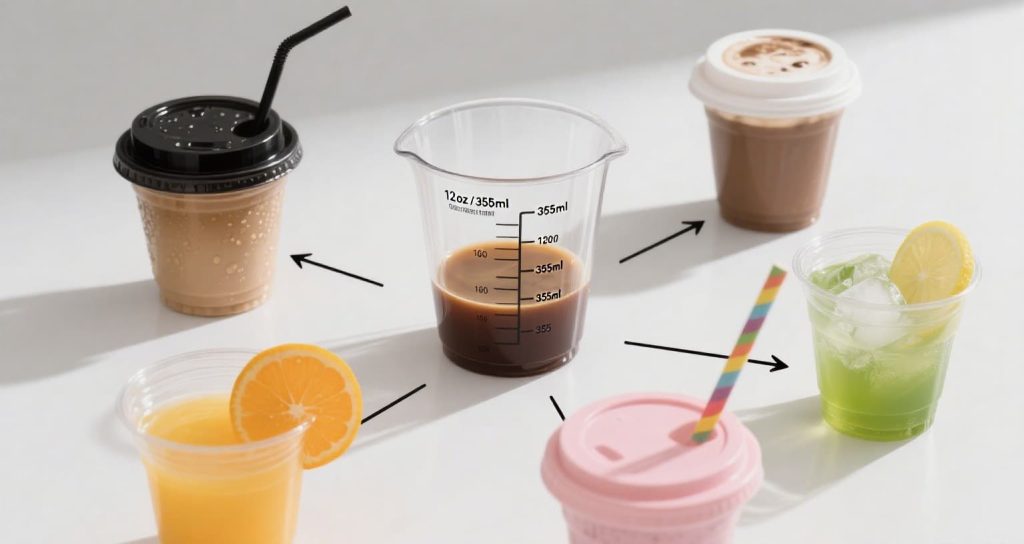
Section 1: Understanding Different Disposable Cup Materials
1.1 PET (Polyethylene Terephthalate)
Pros:
-
Clear, lightweight, and durable.
-
Offers excellent clarity and is highly resistant to breaking.
-
Ideal for cold beverages such as sodas, iced tea, and smoothies.
Cons:
-
Non-biodegradable.
-
Limited to cold drinks as it can’t withstand high temperatures.
Common Uses: Cold drinks, iced coffee, smoothies, and other beverages that benefit from transparency.
1.2 PLA (Polylactic Acid)
Pros:
-
Biodegradable and made from renewable resources like corn starch.
-
A popular choice for eco-conscious businesses.
Cons:
-
Not suitable for hot beverages due to heat sensitivity.
-
Requires industrial composting to break down properly.
Common Uses: Cold beverages such as juices, iced tea, and smoothies, often used in eco-friendly cafes.
1.3 PP (Polypropylene)
Pros:
-
Heat-resistant and durable.
-
Suitable for hot beverages, with a temperature tolerance higher than most other plastics.
Cons:
-
Not biodegradable, though it’s recyclable in some areas.
-
Less clear than PET cups.
Common Uses: Hot drinks such as coffee, tea, milk-based beverages, and soups.
1.4 Paper (PE-coated)
Pros:
-
Lightweight and often available in eco-friendly versions.
-
Can be compostable when using a biodegradable coating.
Cons:
-
Not always suitable for high temperatures unless coated properly.
-
May not provide the same clarity or durability as plastic cups.
Common Uses: Hot beverages like coffee, tea, and soups.
1.5 Sugarcane Bagasse
Pros:
-
Fully biodegradable and compostable.
-
Made from the by-products of sugarcane, making it a sustainable choice.
Cons:
-
Not as durable for liquids that might cause leakage.
-
More expensive than some other materials.
Common Uses: Soups, salads, and environmentally conscious cafes and events.
Table 1: Material Comparison
| Material | Biodegradable | Heat Resistance | Transparency | Typical Use | Cost |
|---|---|---|---|---|---|
| PET | No | Low | High | Cold drinks | Low |
| PLA | Yes | Low | High | Cold drinks | Medium |
| PP | No | High | Medium | Hot drinks | Low |
| Paper | Yes | Medium | Low | Hot drinks | Medium |
| Sugarcane | Yes | Medium | Low | Soups, salads | Medium |
Section 2: Size Matters – Choosing the Right Cup Size
When selecting the correct cup size, it’s essential to understand your beverage type and the portion sizes that will best serve your customers. Offering the right size not only boosts customer satisfaction but also optimizes portion control, helping you minimize waste.
2.1 Common Cup Sizes and Their Uses
-
8 oz (236.6 ml): Small espresso drinks, sample cups, or small iced drinks.
-
12 oz (355 ml): Medium-sized beverages like lattes, small smoothies, or iced coffees.
-
16 oz (473 ml): Larger servings of iced coffee, milkshakes, or smoothies.
-
20 oz (591.5 ml): Large milkshakes, juices, and iced drinks.
-
32 oz (946.4 ml): Extra-large cups for events, festivals, or large drinks.
Table 2: Standard Cup Sizes and Their Uses
| Size | Volume (ml) | Typical Beverage | Ideal Use |
|---|---|---|---|
| 8 oz | 236.6 ml | Espresso, Small Iced Drinks | Small coffee shops, sample cups |
| 12 oz | 355 ml | Lattes, Iced Coffee, Small Smoothies | Medium-sized drinks, standard takeaway |
| 16 oz | 473 ml | Larger Iced Coffee, Smoothies | Popular in fast food chains and cafes |
| 20 oz | 591.5 ml | Milkshakes, Iced Drinks | Big servings for cafes and events |
| 32 oz | 946.4 ml | Large Beverages, Soups | Outdoor festivals, event cups |
2.2 Considerations for Beverage Dilution
When choosing the size, keep in mind that cold beverages with ice will naturally displace liquid volume. For example, a 16 oz iced coffee may appear less full due to the ice, whereas a 16 oz hot drink will fill the entire cup.
Section 3: The Role of Cup Lids
3.1 Types of Cup Lids
Choosing the right lid is just as important as selecting the right cup. Different lids provide varying levels of convenience, spill prevention, and temperature maintenance.
-
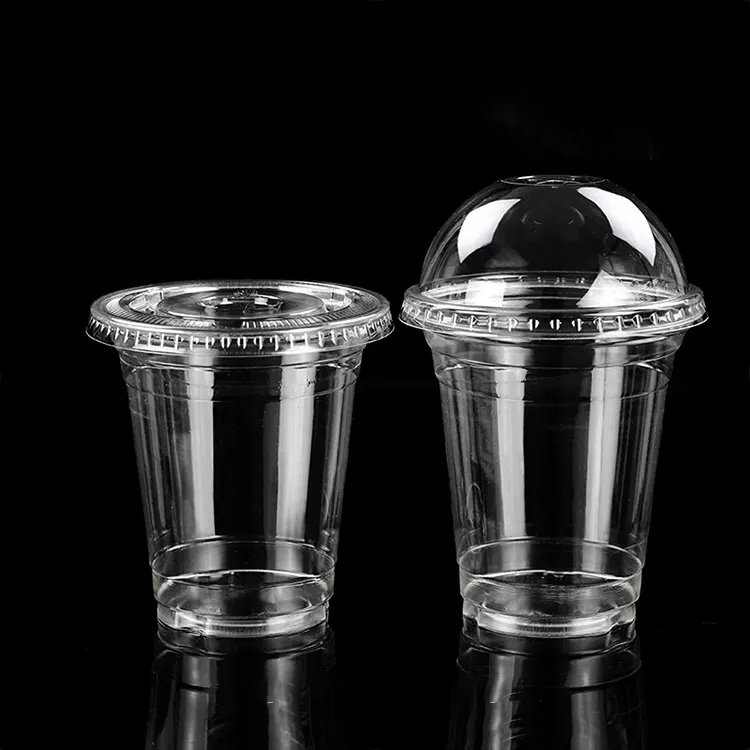
Flat Lids: Best for cold drinks. Flat lids are stackable and allow for easy sipping.
-
Dome Lids: Ideal for beverages with whipped cream, toppings, or larger volumes.
-
Sip Lids: Used for hot beverages to minimize spills.
-
Straw Slot Lids: Typically used for iced beverages to allow for convenient sipping with a straw.
Table 3: Types of Cup Lids
| Lid Type | Best For | Material Options | Features |
|---|---|---|---|
| Flat Lid | Iced drinks | PET, PP | Easy sipping, stackable |
| Dome Lid | Milkshakes, Smoothies | PET, PLA | Extra space for whipped cream |
| Sip Lid | Hot drinks (coffee) | PP, Paper | Spill-resistant, straw-friendly |
| Straw Slot Lid | Iced coffee, juices | PET, PLA | Convenient for on-the-go sipping |
Section 4: Eco-Friendly Packaging Trends
Sustainability is increasingly important, not only for consumers but also for businesses looking to enhance their brand image. Eco-friendly disposable cups are becoming a must-have for businesses that want to align with customer values and environmental goals.
4.1 Popular Eco-Friendly Materials
-
PLA: Biodegradable, compostable, and made from renewable resources.
-
Sugarcane Bagasse: Fully compostable, biodegradable, and durable enough for food packaging.
-
RPET: Made from recycled plastic, often used for cold beverage cups.
4.2 Environmental Benefits
-
Reduced Carbon Footprint: Eco-friendly cups typically require fewer fossil fuels in their production.
-
Lower Waste: Many eco-friendly cups are compostable, helping to reduce landfill waste.
-
Consumer Preference: 53% of consumers say they prefer buying from brands that use sustainable packaging (Source: Nielsen).
Table 4: Eco-Friendly Disposable Cup Options
| Material | Biodegradable | Compostable | Recycled | Common Uses |
|---|---|---|---|---|
| PLA | Yes | Yes | No | Cold drinks, juices, smoothies |
| Sugarcane | Yes | Yes | No | Soups, salads, takeaway food |
| RPET | No | No | Yes | Cold drinks, iced coffee |
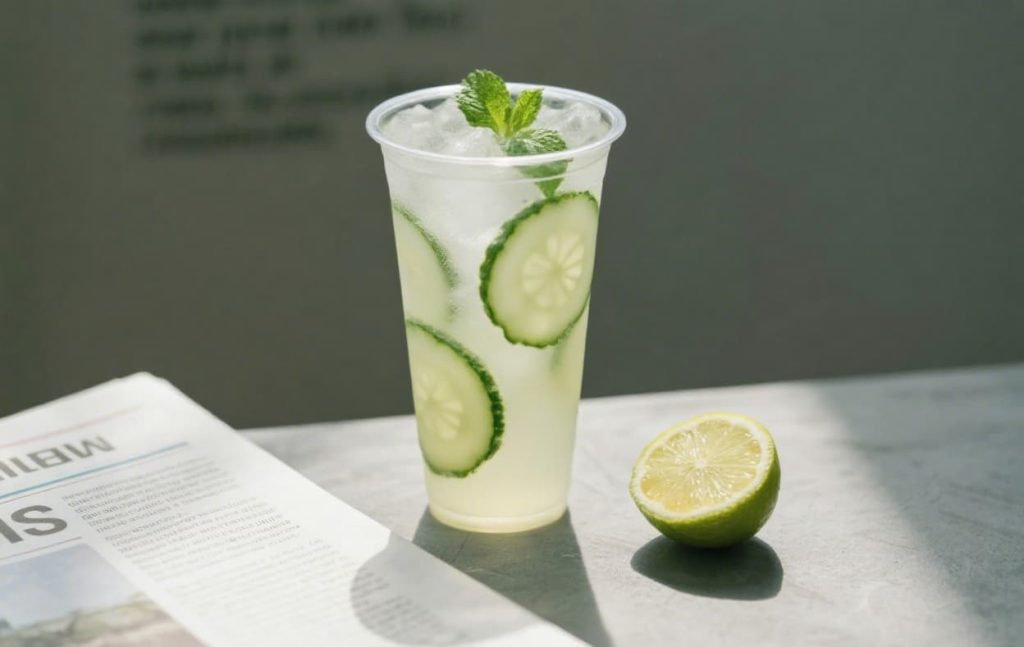
Section 5: Branding and Customization Options
Custom-printed cups are an effective way to enhance your brand’s presence, whether you’re a small local coffee shop or a large multinational chain.
5.1 Types of Customization
-
Logo Printing: Most common form of customization. Helps promote your brand.
-
Embossing: Adds a premium feel to your cups, often used for high-end establishments.
-
Sustainability Branding: Highlight the eco-friendly nature of your cups by using the words “biodegradable” or “compostable.”
5.2 Customization Tips
-
Keep It Simple: Focus on a few key brand elements for recognition.
-
Use High-Quality Materials: Ensure that your custom cups remain durable and eco-friendly.
-
Ensure Readability: Make sure your branding is clear and visible.
Section 6: Key Considerations for Choosing Disposable Cups
When selecting disposable cups for your business, several factors should influence your decision. Here’s a quick checklist to ensure you’re making the right choice:
-
Material: Choose a material that suits your beverage type (hot vs. cold).
-
Size: Select the right size based on the drink and serving needs.
-
Durability: Ensure that the cup won’t leak or break.
-
Environmental Impact: Consider compostability or recyclability to align with sustainability goals.
-
Customization: Think about how your cups can help promote your brand.
-
Cost: Make sure the cups are affordable without compromising quality.
Section 7: Real-Life Case Studies
7.1 Case Study 1: Bubble Tea Chain
Challenge: A bubble tea chain wanted to improve the environmental impact of its packaging.
Solution: Transitioned to using PLA cups for all cold beverages.
Results:
-
Reduced plastic waste by 35% annually.
-
Enhanced the eco-friendly brand image, attracting environmentally-conscious customers.
7.2 Case Study 2: Coffee Shop Chain
Challenge: A coffee shop wanted to increase customer engagement.
Solution: Introduced custom-printed cups with a logo and seasonal designs.
Results:
-
Increased customer loyalty by 20%.
-
Enhanced brand visibility in the community.
Section 8: FAQ – General Use & Practicality
-
Q: What size cup is best for a large iced coffee?
-
A: A 16 oz or 20 oz cup is ideal for large iced coffees.
-
-
Q: Are PLA cups suitable for hot drinks?
-
A: No, PLA cups are best for cold beverages.
-
-
Q: Can I use PLA cups for hot beverages?
-
A: PLA cups can withstand light warmth but are not suitable for hot drinks.
-
-
Q: Which cup material is best for hot drinks?
-
A: PP cups are heat-resistant and ideal for hot beverages.
-
-
Q: What’s the environmental benefit of using sugarcane bagasse cups?
-
A: They are biodegradable and compostable, reducing waste.
-
-
Q: Can I get custom-printed cups in eco-friendly materials?
-
A: Yes, many suppliers offer PLA and RPET cups with custom printing options.
-
-
Q: Are disposable cups recyclable?
-
A: PET cups are recyclable, while PLA cups require industrial composting.
-
Section 9: Conclusion
Choosing the right disposable cup for your beverage involves understanding the material, size, durability, and environmental impact. By making informed decisions, you can improve customer satisfaction, reduce waste, and promote your brand effectively. Whether you’re running a cafe or organizing a large event, the right cup is more than just a container—it’s an essential part of the customer experience.
References
-
Nielsen, “The Sustainability Imperative”: https://www.nielsen.com/us/en/insights/article/2015/the-sustainability-imperative/
-
McKinsey, “Sustainable Packaging Trends”: https://www.mckinsey.com/industries/consumer-packaged-goods/our-insights/sustainability-in-packaging
-
Specialty Coffee Association (SCA), “2023 Beverage Packaging Report”: https://sca.coffee
Copyright Statement
© 2026 Dashan Packing. All rights reserved.
This article is an original work created by the Dashan Packing editorial team.
All text, data, and images are the result of our independent research, industry experience,
and product development insights. Reproduction or redistribution of any part of this content
without written permission is strictly prohibited.
Dashan Packing is committed to providing accurate, evidence-based information and
to upholding transparency, originality, and compliance with global intellectual property standards.