

Quick Summary
Not all “eco-friendly” food packaging performs the same in real-world use. This article explains how different packaging materials affect food shelf life, safety, and waste reduction, and why smarter material selection—rather than sustainability labels alone—is critical for food usability and environmental impact.
In food packaging discussions, few topics generate as much debate as compostable versus recyclable materials. Compostable packaging is often promoted as the obvious sustainable choice, while recyclable packaging—especially plastic—has become increasingly controversial.
However, in real-world food applications, sustainability is rarely that simple. Whether compostable or recyclable packaging performs better depends on food type, usage conditions, infrastructure, and failure risk. Treating these materials as opposing solutions often leads to poor decisions, increased food waste, and unintended environmental impact.
This article examines the practical realities behind compostable and recyclable food packaging, and explains why “which is better” is the wrong question to begin with.
1. Why This Debate Still Has No Clear Answer
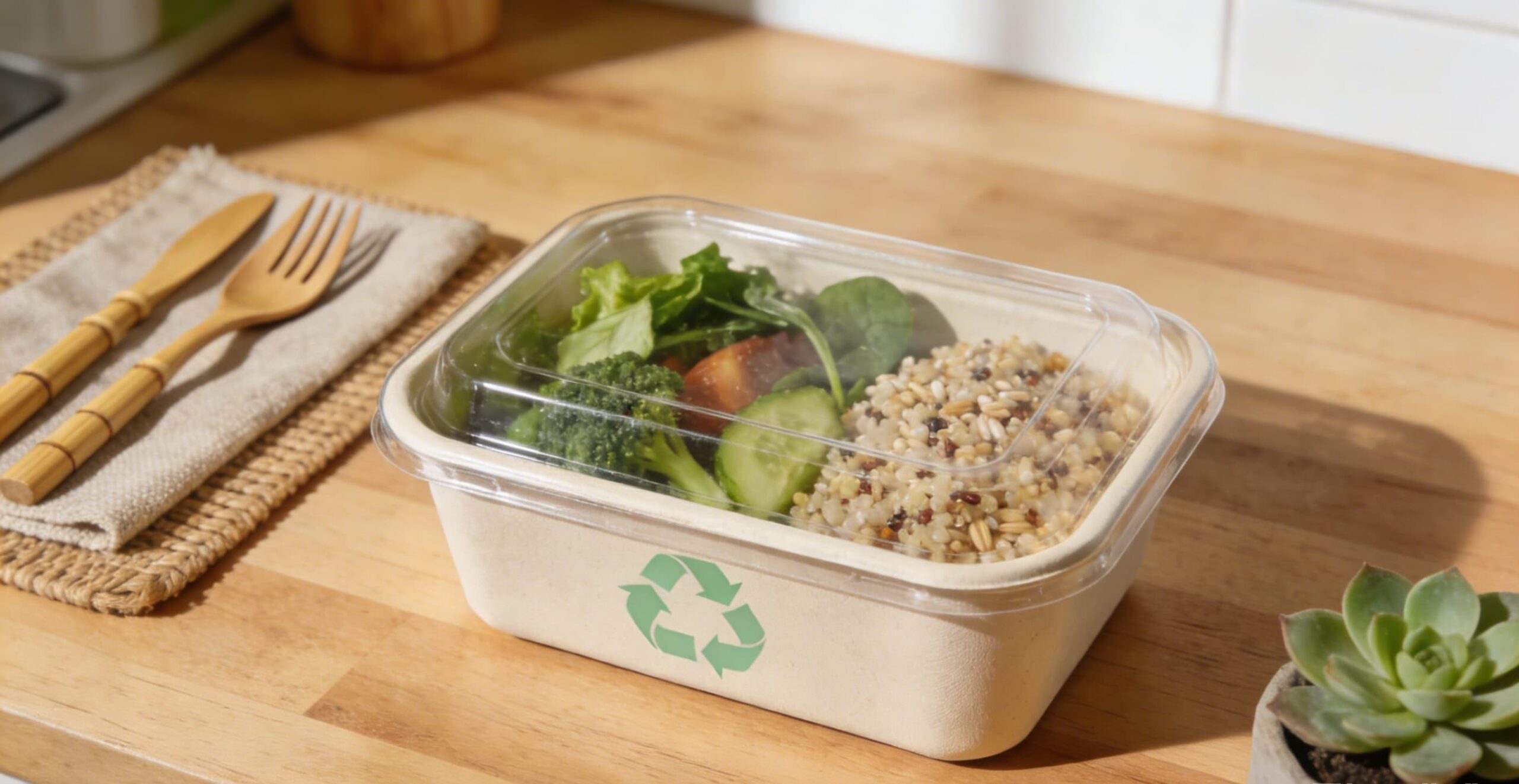
The compostable vs recyclable debate persists largely because it is framed as a moral choice rather than a system-level decision.
-
Compostable packaging is associated with nature and biodegradation
-
Recyclable packaging is associated with plastics and pollution
This simplified framing ignores how food packaging actually functions. Packaging does not exist in isolation—it interacts with food behavior, supply chains, and waste management systems. A material that performs well in one context may fail entirely in another.
The real question is not which material is better in theory, but which material performs better for a specific food and disposal environment.
2. Why Compostable Packaging Is Often Seen as the “Greener” Choice
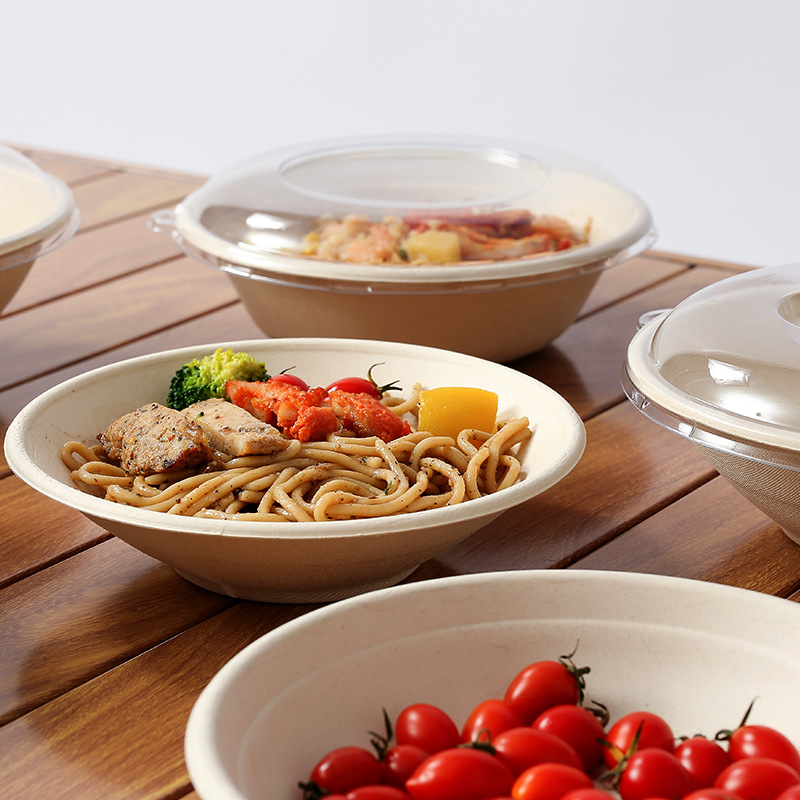
Compostable packaging benefits from strong intuitive appeal:
-
It is perceived as natural and non-polluting
-
It aligns with visible environmental values
-
It offers brands an easy sustainability narrative
For short-life, low-risk food applications, compostable materials such as molded fiber or bagasse can indeed be effective. They work particularly well for dry or low-oil foods consumed quickly after serving.
However, perception often replaces performance evaluation. Compostability is frequently treated as a guarantee of sustainability rather than one condition within a larger system.
3. What Compostable Packaging Actually Requires to Be Sustainable
3.1 Composting Infrastructure Is Essential
Compostable packaging only delivers environmental benefits if it enters a proper composting system. In many regions, industrial composting facilities are limited or nonexistent. When compostable packaging ends up in landfills, it often behaves no better—and sometimes worse—than conventional waste.
This disconnect between material design and disposal reality is one of the most overlooked issues in sustainable packaging.
As discussed in our article Compostable Does Not Automatically Mean Sustainable, compostability alone does not ensure environmental benefit without the right infrastructure in place.
3.2 Food Type Limitations Are Often Ignored
Compostable materials have clear functional limits:
-
Reduced resistance to oil and grease
-
Lower tolerance for long holding times
-
Structural weakening under moisture and heat
These limitations are not defects—they are material characteristics. Problems arise when compostable packaging is applied to foods it is not designed to handle, such as oily meals or long-distance delivery orders.
3.3 Packaging Failure Often Leads to Higher Environmental Impact
When compostable packaging fails, the consequences extend beyond packaging waste. Leaks, sogginess, and deformation frequently result in food being discarded.
From an environmental perspective, food waste often carries a higher carbon footprint than packaging waste. In these cases, compostable packaging can unintentionally increase total environmental impact.
4. Why Recyclable Packaging Is Often Criticized
Recyclable packaging—particularly plastic—faces strong public skepticism. This criticism is driven by:
-
Low recycling rates in some regions
-
Confusion between recyclability and actual recycling
-
Visual pollution concerns
While these issues are valid, they often overshadow functional advantages recyclable materials provide in food applications.
5. When Recyclable Packaging Outperforms Compostable Solutions
5.1 High-Moisture and Oily Foods
Foods with high moisture or oil content place significant demands on packaging. Recyclable materials such as PP and PET offer superior barrier properties, maintaining integrity during transport and storage.
In these scenarios, recyclable packaging often prevents leakage and spoilage more effectively than compostable alternatives.
5.2 Extended Shelf Life and Food Protection
Recyclable packaging typically provides stronger protection against oxygen, moisture, and physical stress. This helps extend shelf life and preserve food usability—critical factors for retail and delivery channels.
Protecting food effectively is often the largest contributor to environmental efficiency in food packaging.
5.3 Recycled Content and Circular Systems
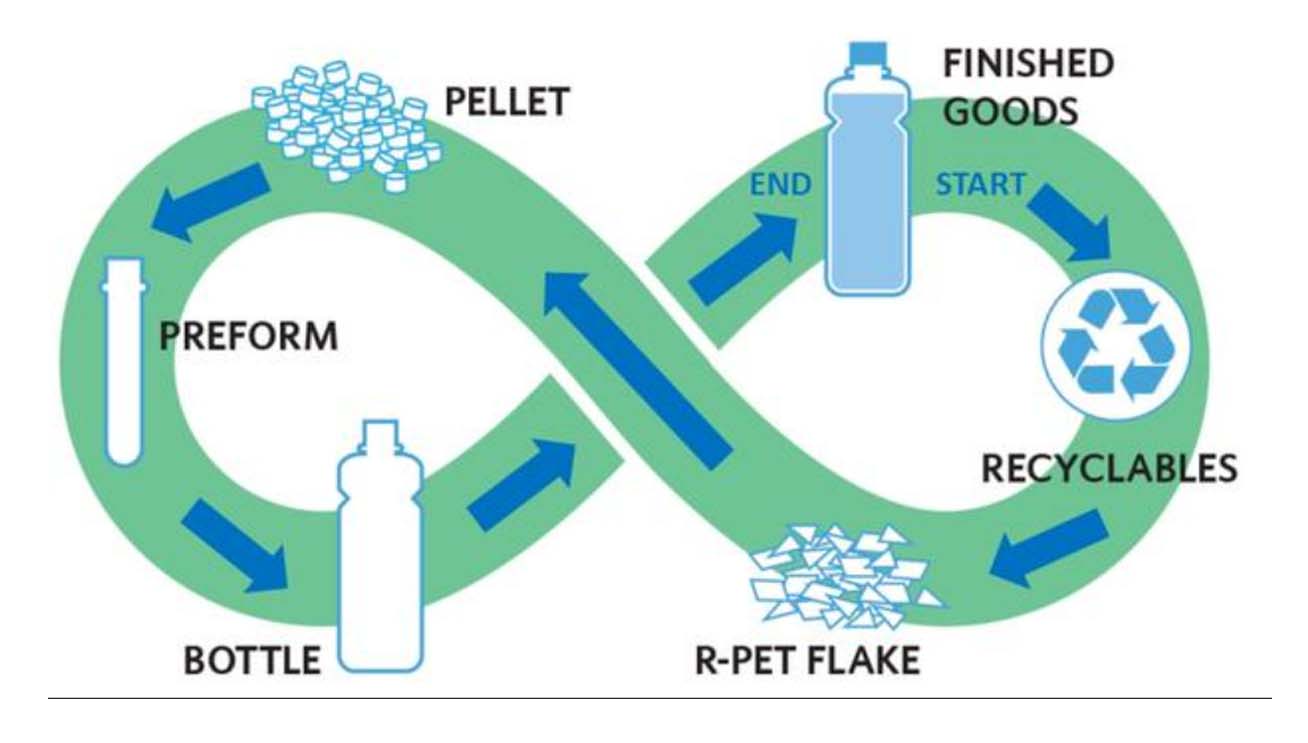
Materials like RPET and recycled PP support circular economy models when recycling infrastructure exists. In controlled systems, recycled-content packaging can reduce reliance on virgin materials while maintaining performance.
Manufacturers such as DASHAN increasingly focus on optimizing recyclable materials with recycled content rather than replacing them indiscriminately.
6. Side-by-Side Comparison: Compostable vs Recyclable Packaging
| Criteria | Compostable Packaging | Recyclable Packaging |
|---|---|---|
| Infrastructure dependency | High | Medium |
| Food compatibility | Limited | Broad |
| Oil & moisture resistance | Low–Medium | High |
| Risk of food waste | Medium–High | Low |
| Consumer perception | Very positive | Mixed |
| Real-world sustainability | Context-dependent | Context-dependent |
This comparison highlights that neither option is universally superior.
7. Why “Either–Or” Thinking Is the Real Problem
Framing compostable and recyclable packaging as competing solutions oversimplifies sustainability challenges. In practice:
-
Different foods require different materials
-
The same brand may need multiple packaging solutions
-
Sustainability outcomes depend on usage and disposal systems
Experienced manufacturers avoid single-material strategies because they recognize that sustainability is situational, not absolute.
8. How Packaging Manufacturers Evaluate Sustainability in Practice
In real-world decision-making, sustainability evaluation typically starts with:
-
Food behavior analysis
-
Usage time and transport conditions
-
Likely disposal pathways
Rather than choosing between compostable or recyclable materials upfront, manufacturers like DASHAN assess which option minimizes total environmental impact for each application.
This often leads to offering both material types for different use cases.
9. How Brands Should Decide Between Compostable and Recyclable Packaging
A practical decision framework includes asking:
-
What is the food’s moisture and oil content?
-
How long before consumption?
-
Will the packaging face delivery stress?
-
Is composting or recycling actually available?
-
What happens if the packaging fails?
The most sustainable choice is the one that performs reliably within real constraints.
FAQ
1. How does packaging directly affect food usability?
Packaging controls oxygen, moisture, light, and contamination exposure. Poor material choices can shorten shelf life, cause leaks, or lead to premature spoilage—even if the packaging is labeled sustainable.
2. Is compostable packaging always better for food preservation?
No. Compostable materials often have weaker barrier properties. As discussed in our related article “Compostable Does Not Automatically Mean Sustainable”, usability and food waste must be considered alongside end-of-life claims.
3. Which packaging materials best extend shelf life?
High-barrier plastics (PET, CPET, PP), coated paperboard, and multilayer structures typically outperform single-material compostables in moisture and oxygen control.
4. Can better packaging actually reduce environmental impact?
Yes. Preventing food waste often has a larger carbon benefit than switching materials alone. Packaging that extends shelf life can offset higher material footprints.
5. What should buyers focus on when choosing food packaging?
Buyers should evaluate food type, storage conditions, logistics distance, and regulatory compliance—then balance usability, recyclability, and real disposal outcomes.
Conclusion: Sustainability Is a Performance Outcome, Not a Label
Compostable and recyclable packaging are not opposing ideals—they are tools with different strengths and limitations. Sustainability is achieved not by choosing the “right” label, but by aligning material performance with food behavior and waste systems.
By moving beyond simplified narratives, food brands can make packaging decisions that genuinely reduce waste, protect food, and support realistic environmental goals.
References
-
Food and Agriculture Organization of the United Nations (FAO) – Food Loss and Waste
https://www.fao.org/food-loss-and-food-waste -
European Commission – Food Packaging and Food Waste
https://environment.ec.europa.eu/topics/waste-and-recycling/packaging-waste_en -
U.S. FDA – Food Contact Materials
https://www.fda.gov/food/packaging-food-contact-substances-fcs -
WRAP UK – Packaging Design for Food Waste Reduction
https://wrap.org.uk/resources/guide/packaging-design-food-waste-reduction -
PlasticsEurope – Packaging and Food Preservation
https://plasticseurope.org/knowledge-hub/packaging-and-food-preservation/
Copyright Statement
© 2026 Dashan Packing. All rights reserved.
This article is an original work created by the Dashan Packing editorial team.
All text, data, and images are the result of our independent research, industry experience,
and product development insights. Reproduction or redistribution of any part of this content
without written permission is strictly prohibited.
Dashan Packing is committed to providing accurate, evidence-based information and
to upholding transparency, originality, and compliance with global intellectual property standards.