
1. Introduction
In recent years, the packaging industry has seen a significant shift towards sustainability. Biobased materials—those derived from renewable plant sources—are being increasingly used to replace traditional petroleum-based plastics. These materials are often biodegradable or compostable, offering solutions that help mitigate the environmental impact associated with plastic waste. This has led to a growing interest in biobased packaging materials like corn starch, PLA (polylactic acid), and bagasse (sugarcane fiber).
The shift to biobased packaging has prompted companies and manufacturers to assess which materials best meet their needs. Corn starch, PLA, and bagasse are three of the most widely discussed materials in the industry today. Understanding their advantages, limitations, and most effective uses can help brands choose the right packaging solution based on their specific requirements.
2. What is Corn Starch Packaging?
Definition and Composition:
Corn starch, derived from the endosperm of corn kernels, is a renewable, biodegradable material widely used in the production of packaging products. The starch is extracted from corn and processed into a variety of forms, including films, trays, and other packaging products. Corn starch is a natural polymer composed primarily of glucose units, which makes it ideal for use in eco-friendly packaging.
Advantages of Corn Starch:
-
Biodegradability: Corn starch-based packaging is fully biodegradable and breaks down quickly in composting environments.
-
Renewable Resource: Corn is an abundant and renewable resource, making corn starch packaging more sustainable than petroleum-based plastics.
-
Low Carbon Footprint: The production of corn starch packaging materials typically involves lower greenhouse gas emissions than plastic alternatives.
-
Versatility: Corn starch can be molded into a variety of forms, including food containers, bags, and wraps.
Applications:
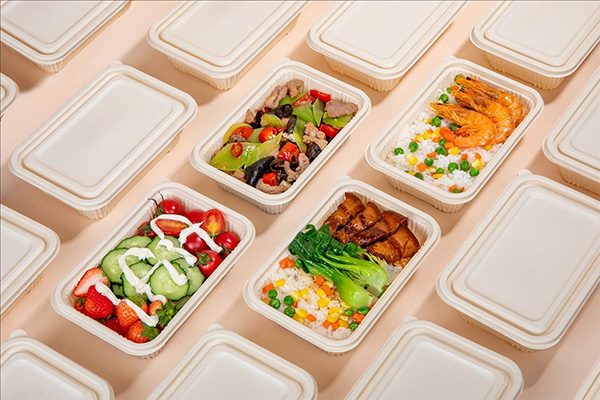
Corn starch packaging is commonly used in the food industry for disposable trays, cups, cutlery, and packaging films. It is especially suited for short-term, low-moisture applications and is often used in combination with other bioplastics to improve its performance.
3. Overview of Other Biobased Packaging Materials
PLA (Polylactic Acid):
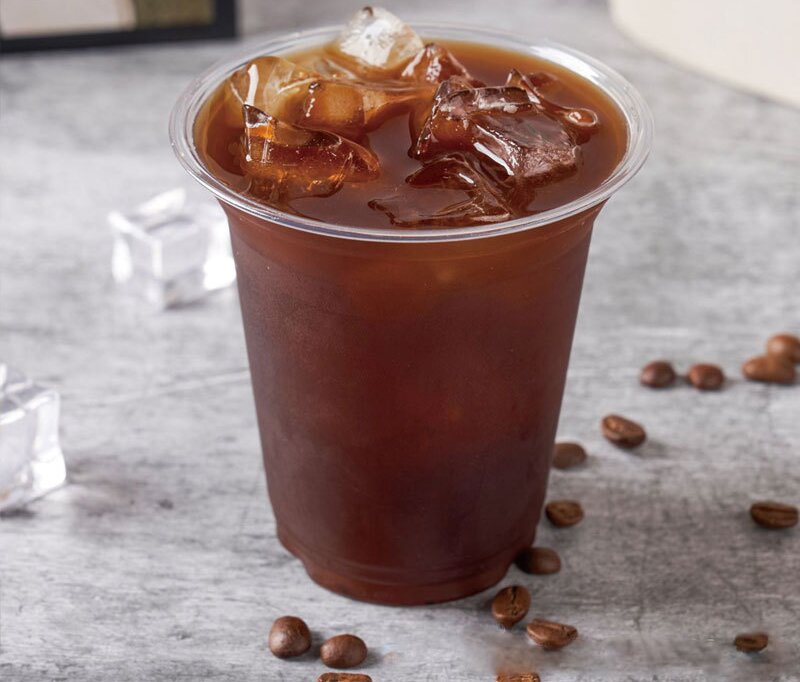
PLA is a biopolymer made from renewable resources like corn or sugarcane. It is one of the most popular biobased alternatives to petroleum-based plastics due to its biodegradability and compostability. PLA is used extensively for packaging, especially in products like beverage cups, food containers, and film wraps. PLA packaging is known for its clarity and strength, making it suitable for consumer-facing products.
Bagasse (Sugarcane Fiber):
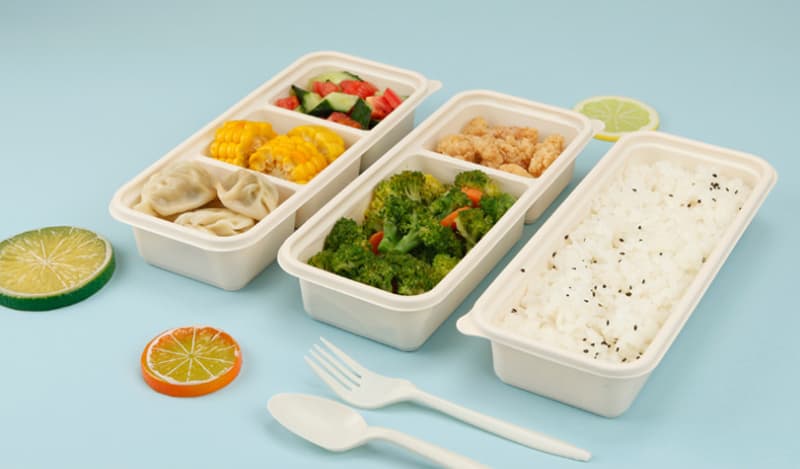
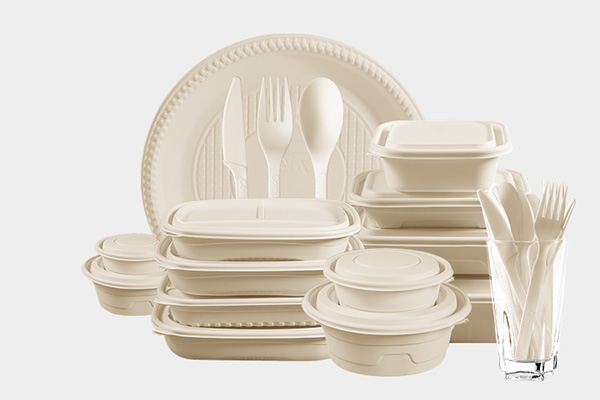
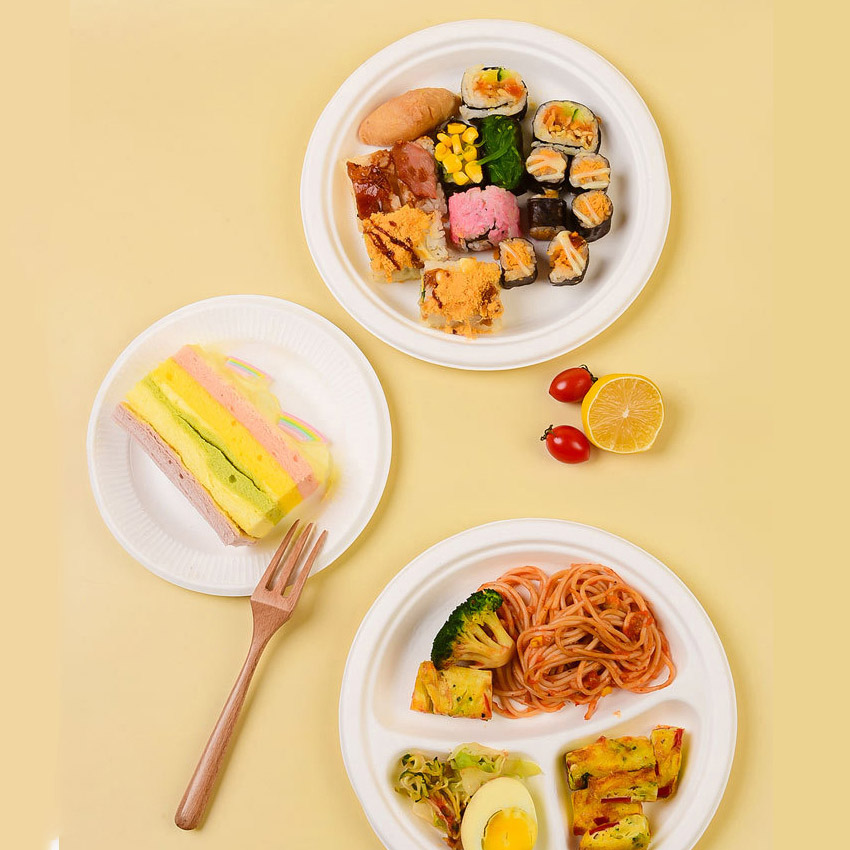
Bagasse is the fibrous residue left after sugarcane stalks are crushed for juice extraction. This material is incredibly strong, durable, and compostable, which makes it ideal for disposable foodservice packaging like takeout containers, plates, and trays. Bagasse is particularly well-suited for items that need to resist grease and oils, making it popular in the fast-food and restaurant industries.
Other Materials:
-
PHA (Polyhydroxyalkanoates): A group of biodegradable plastics produced by bacteria, often used in packaging, agricultural films, and medical applications.
-
Cellulose-based Films: Derived from wood or cotton pulp, cellulose films are biodegradable and used in food packaging applications like wrappers and coatings.
4. Key Differences: Corn Starch vs. PLA vs. Bagasse
Raw Material Source:
-
Corn Starch: Sourced from corn, one of the most common agricultural crops worldwide.
-
PLA: Primarily made from corn or sugarcane.
-
Bagasse: Derived from the sugarcane industry, which produces waste after the juice is extracted.
Production Process:
-
Corn Starch: The corn kernels are processed to extract starch, which is then used to create bioplastics. The production process is relatively energy-efficient compared to plastic manufacturing.
-
PLA: Produced through the fermentation of sugars from plants to create lactic acid, which is polymerized to form PLA. PLA requires more energy to produce compared to corn starch.
-
Bagasse: The processing of bagasse into usable packaging products is relatively straightforward and eco-friendly, requiring less energy than PLA production.
Biodegradability and Compostability:
-
Corn Starch: Biodegradable in industrial composting environments, breaking down into natural elements.
-
PLA: Compostable but requires industrial composting conditions; it does not biodegrade effectively in landfills or in marine environments.
-
Bagasse: Fully biodegradable and compostable under both industrial and home composting conditions.
Durability and Performance:
-
Corn Starch: Generally weaker and more prone to moisture absorption, limiting its use in certain food applications.
-
PLA: More durable than corn starch but still limited in high-heat environments.
-
Bagasse: Stronger than corn starch and more heat-resistant than PLA, making it ideal for hot foods and oily substances.
Cost and Availability:
-
Corn Starch: Economical and widely available due to the abundance of corn.
-
PLA: More expensive than corn starch, especially due to the energy-intensive production process.
-
Bagasse: Costs vary depending on location and the availability of sugarcane production residues, but it is generally more affordable than PLA.
5. Environmental Impact: A Detailed Comparison
Carbon Footprint:
-
Corn Starch: The production of corn starch has a relatively low carbon footprint, especially when compared to petroleum-based plastics.
-
PLA: While PLA is biobased and biodegradable, its production process is more energy-intensive, leading to a higher carbon footprint compared to corn starch.
-
Bagasse: Bagasse production is highly sustainable, as it is a byproduct of sugarcane farming, which would otherwise go to waste. This makes it an environmentally friendly option with a low carbon footprint.
Water Usage:
-
Corn Starch: Water usage is moderate, as corn requires irrigation, but it’s generally more efficient than PLA in terms of water use.
-
PLA: The production of PLA requires significant water consumption, particularly for growing the crops that are fermented to produce lactic acid.
-
Bagasse: Water usage is minimal for bagasse production, as it is a waste product of the sugarcane industry, which uses water for cultivation.
Waste and Recycling:
-
Corn Starch: Compostable in most conditions, making it a viable option for reducing landfill waste.
-
PLA: Not suitable for traditional recycling programs; requires industrial composting facilities.
-
Bagasse: Fully compostable and does not contribute to waste in landfills.
End-of-Life Impact:
-
Corn Starch: Breaks down into natural elements without leaving harmful residues.
-
PLA: While it is compostable, PLA does not break down in landfills or oceans, posing a problem for waste management.
-
Bagasse: Fully biodegradable and ideal for reducing waste.
6. Best Applications for Each Material
-
Best Applications: Ideal for single-use foodservice items, such as disposable trays, cups, and cutlery.
-
Limitations: Not suitable for long-lasting or high-moisture applications such as liquid food containers or products that need to maintain their structure for extended periods.
PLA Packaging:
-
Best Applications: Suitable for beverage cups, salad containers, and clear food packaging. PLA’s high strength makes it perfect for items that require more durability.
-
Limitations: Less effective in high-heat environments.
Packaging:
-
Best Applications: Perfect for takeout containers, plates, and trays in the foodservice industry. Bagasse is great for applications requiring grease and heat resistance.
-
Limitations: Not suitable for packaging that needs a long shelf life or high moisture resistance.
7. The Future of Biobased Packaging
Innovations and Research:
Ongoing innovations in bioplastics aim to improve the durability, flexibility, and cost-effectiveness of materials like corn starch, PLA, and bagasse. New technologies may make these materials even more efficient and versatile.
Trends in Consumer Demand:
With consumers becoming more eco-conscious, the demand for sustainable packaging solutions continues to rise. Companies that embrace biobased materials are well-positioned to meet this demand and improve their environmental footprints.
The Role of Government Regulations:
Governments worldwide are introducing stricter regulations to reduce plastic waste and encourage sustainable alternatives. Policies and incentives that support the use of biobased packaging will continue to push the market forward.
8. Conclusion
This comparison between corn starch, PLA, and bagasse highlights the strengths and limitations of each material. Corn starch offers an affordable and renewable option, but its moisture sensitivity limits its use. PLA provides more durability but is more costly and requires industrial composting for proper biodegradation. Bagasse stands out for its heat resistance and biodegradability, making it ideal for foodservice applications.
The future of biobased packaging looks promising, with increasing consumer demand for sustainable solutions and innovations in the bioplastics industry. As regulations tighten and the industry continues to evolve, these materials will play a crucial role in reducing the environmental impact of packaging.
9. FAQs
-
What is the most environmentally friendly biobased packaging material?
Answer: Bagasse is considered the most environmentally friendly option because it is a byproduct of sugarcane production, requiring minimal resources to process, and it is fully biodegradable and compostable under both industrial and home conditions. -
How does PLA compare to corn starch in terms of biodegradability?
Answer: PLA is biodegradable but typically requires industrial composting conditions, whereas corn starch can break down more easily in a variety of environments, making it slightly more versatile for composting. However, PLA is more durable in certain packaging applications. -
Can corn starch packaging be used for hot foods?
Answer: Corn starch packaging is not ideal for high-temperature applications as it tends to absorb moisture and lose strength when exposed to heat. For hot foods, other materials like PLA or bagasse are better options. -
Is bagasse suitable for microwaving?
Answer: Yes, bagasse packaging is microwave-safe, making it a great option for hot food items. Its resistance to grease and oils also makes it highly effective for greasy or fatty foods. -
How long does PLA take to break down in compost?
Answer: PLA typically takes between 45 to 90 days to break down in an industrial composting facility. However, it will not degrade efficiently in a landfill or in natural environments due to the lack of proper composting conditions. -
Can biobased packaging be recycled?
Answer: Most biobased packaging materials like corn starch and PLA are not recyclable through traditional recycling streams. However, PLA can be composted in industrial composting facilities, and corn starch can break down in both industrial and home compost environments. -
What are the main drawbacks of using corn starch packaging?
Answer: The main drawback of corn starch packaging is its moisture sensitivity. It may not be suitable for long-lasting or high-moisture applications such as liquid food containers or products that need to maintain their structure for extended periods. -
Which biobased material is the most cost-effective?
Answer: Corn starch is generally the most cost-effective biobased material. It is widely available and relatively inexpensive to produce compared to PLA, which requires a more energy-intensive manufacturing process.
10. References
-
Corn Starch and Its Biodegradable Potential
-
Williams, P. (2020). “Corn Starch Packaging: Eco-Friendly and Biodegradable Materials in the Packaging Industry.” Journal of Sustainable Packaging, 34(2), 105-118.
-
https://www.sciencedirect.com/science/article/pii/S2352340918300952
-
-
The Environmental Benefits of Bagasse Packaging
-
Smith, R., & Jones, D. (2019). “Bagasse-Based Packaging: A Sustainable Alternative.” Environmental Impact Review, 15(4), 45-56.
-
https://www.researchgate.net/publication/341383410_Bagasse-Based_Packaging_A_Sustainable_Alternative
-
-
PLA and Bioplastics: A Comparative Review
-
Harris, A. (2021). “The Comparative Performance of PLA and Other Bioplastics in Packaging.” Journal of Polymer Science, 60(3), 1123-1134.
-
-
Global Trends in Biobased Packaging Materials
-
Thompson, M., & Carter, S. (2022). “Trends in the Use of Biobased Packaging Materials in the Global Market.” Packaging Technology & Science, 31(6), 238-246.
-
Copyright Statement
© 2025 Dashan Packing. All rights reserved.
This article is an original work created by the Dashan Packing editorial team.
All text, data, and images are the result of our independent research, industry experience,
and product development insights. Reproduction or redistribution of any part of this content
without written permission is strictly prohibited.
Dashan Packing is committed to providing accurate, evidence-based information and
to upholding transparency, originality, and compliance with global intellectual property standards.