

Introduction
Brazil’s food packaging industry is one of the largest in Latin America, with strict regulatory frameworks designed to ensure food safety, sustainability, and environmental protection. For international companies aiming to export food packaging to Brazil, understanding the country’s food packaging import laws is critical. The Brazilian government has introduced multiple regulations in recent years, particularly focusing on sustainable and eco-friendly packaging materials, such as PLA, RPET, and biodegradable plastics. This article provides a comprehensive guide to help businesses navigate Brazil’s food packaging import regulations, laws on plastic packaging, and trends toward sustainable practices in the industry.
1. Brazil’s Food Packaging Import Regulations
Brazil’s food packaging import laws are primarily governed by the National Health Surveillance Agency (ANVISA) and the Ministry of Agriculture, Livestock, and Food Supply (MAPA). The regulations ensure that food packaging materials meet safety standards, are compliant with environmental laws, and protect consumers from hazardous substances.
Key Regulations:
-
Registration Requirements: Companies exporting food packaging to Brazil must ensure their packaging products are registered with ANVISA if they are intended to be in contact with food. The registration includes providing detailed information about the materials, manufacturing processes, and safety measures.
-
Health & Safety Standards: Packaging materials must comply with Brazil’s safety standards, ensuring that no harmful chemicals leach into the food. These standards are outlined by ANVISA and include requirements for materials such as plastics, metals, and papers.
-
Import Documentation: Exporters must submit all necessary documents for customs clearance, including certificates of origin, product specifications, and proof of conformity with ANVISA and MAPA standards.
Common Challenges and Solutions:
-
Compliance Complexity: The complexity of Brazil’s regulations can be daunting, particularly when it comes to environmental compliance and product registrations. International exporters must ensure they understand local labeling requirements and certifications before entering the Brazilian market.
-
Solution: Partnering with a local distributor or compliance consultant familiar with Brazilian packaging laws can streamline the import process.
2. Brazil’s Plastic Packaging Laws and Bans
Brazil has made significant strides in regulating plastic packaging, particularly single-use plastics, in an effort to curb plastic pollution. The Brazilian government has imposed several bans on certain types of plastic, and packaging companies are required to adopt sustainable alternatives.
Plastic Packaging Regulations:
-
Single-Use Plastic Ban: Brazil has progressively banned the use of non-biodegradable single-use plastics, including straws, cutlery, and certain plastic bags. These regulations also affect food packaging, particularly in retail settings.
-
Recycling and Waste Management: In line with global sustainability goals, Brazil has set targets for increasing recycling rates and reducing plastic waste. Packaging companies must comply with the country’s waste management laws, which include extended producer responsibility (EPR) regulations.
-
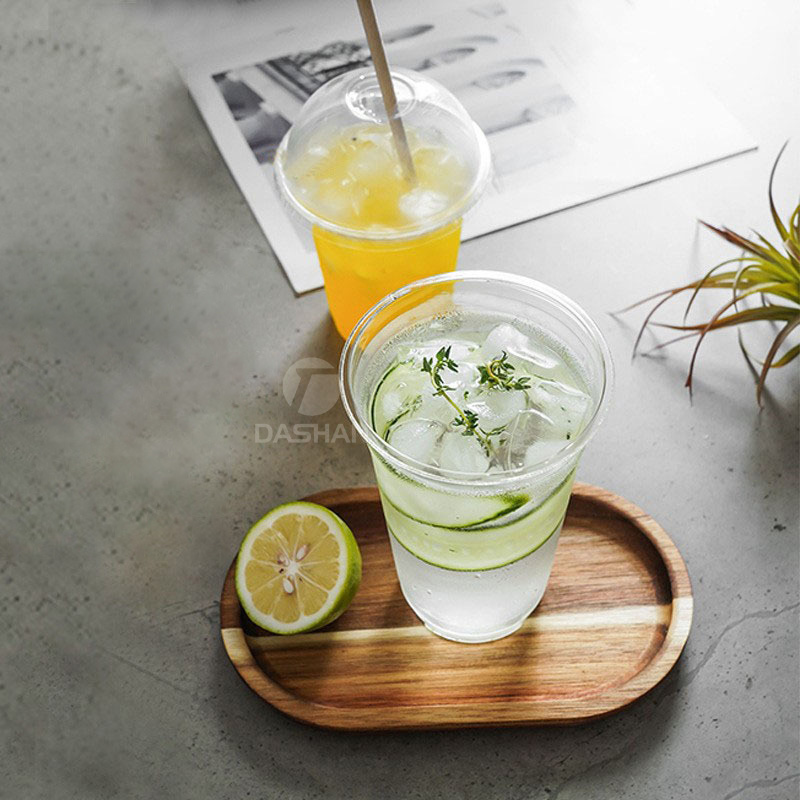
Impact on Food Packaging: Packaging materials such as PLA, RPET, and other biodegradable plastics have gained popularity due to these regulations. For example, foodservice businesses and retailers are increasingly adopting eco-friendly materials for takeaway containers, drink cups, and packaging.
3. Sustainability and Eco-Friendly Packaging in Brazil
Sustainability is a driving force in Brazil’s food packaging market, particularly as consumers and businesses increasingly demand eco-friendly packaging solutions. Brazil’s emphasis on reducing plastic waste has accelerated the adoption of sustainable packaging materials.
Government Initiatives:
-
Brazil’s Green Protocol: This initiative encourages companies to adopt sustainable practices, including using renewable resources, reducing carbon footprints, and employing recyclable or compostable packaging.
-
Packaging Waste Regulations: The Brazilian government has established regulations to reduce the environmental impact of packaging. These laws encourage companies to use sustainable materials, minimize packaging waste, and invest in recycling systems.
Popular Sustainable Packaging Materials in Brazil:
-
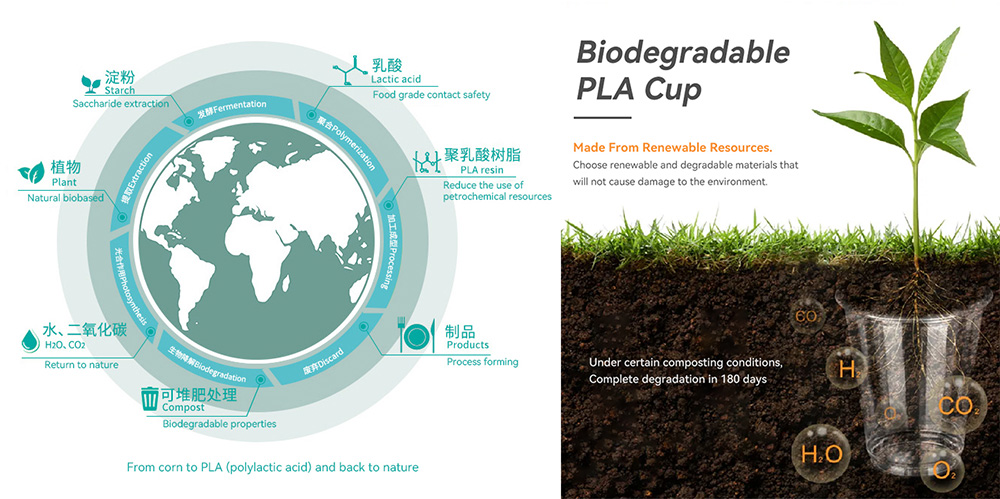
PLA (Polylactic Acid): PLA is a biodegradable plastic made from renewable resources such as cornstarch or sugarcane. PLA packaging is increasingly used in the foodservice industry, particularly for cold beverages, salads, and snacks.
-
RPET (Recycled PET): RPET is a recycled version of PET (Polyethylene Terephthalate), commonly used in food packaging for its durability and recyclability.
-
Sugarcane Bagasse and Cornstarch Packaging: These materials are gaining popularity as sustainable alternatives to traditional plastics. Sugarcane bagasse trays and cornstarch containers are used for a variety of food packaging applications, from takeout containers to trays for bakery products.
Consumer Demand for Sustainable Packaging:
-
Consumers in Brazil are becoming more conscious of the environmental impact of their purchasing decisions. This has led to increased demand for food packaging that is eco-friendly, biodegradable, or recyclable.
-
Businesses are responding by shifting to more sustainable packaging solutions, driven not only by regulatory requirements but also by consumer preferences.
4. Importing Food Packaging to Brazil: Steps and Requirements
To successfully import food packaging into Brazil, international exporters must follow several essential steps to comply with local regulations.
Steps for Importing Food Packaging:
-
Verify Packaging Compliance: Ensure that your food packaging materials meet Brazil’s health and safety standards, as well as environmental regulations.
-
Prepare Required Documentation: Documentation such as certificates of origin, product specifications, and proof of conformity with Brazilian regulations must be submitted to ANVISA and other relevant authorities.
-
Submit Registration with ANVISA: If your packaging is for food contact, you must register your products with ANVISA. This process involves submitting a technical dossier detailing the materials used, production processes, and health safety testing.
-
Ensure Proper Labeling: Brazil has specific labeling requirements for food packaging. Labels must include product details in Portuguese, including ingredient information, manufacturer details, and recycling instructions.
-
Understand Tariffs and Import Taxes: Brazil imposes import taxes and tariffs on certain goods. It is essential to factor these into your pricing and shipping strategy.
5. Compliance with Brazilian Food Safety Standards
Brazil has rigorous food safety standards in place, which cover the safety of food contact materials, including packaging. These standards are enforced by ANVISA, and non-compliance can result in fines, delays, or rejection of imports.
Key Food Safety Standards:
-
ANVISA’s Resolution RDC 105: This resolution outlines the general requirements for food packaging materials in Brazil. It specifies acceptable materials for food contact, safety testing, and labeling requirements.
-
Migration Testing: Packaging materials must undergo migration testing to ensure that no harmful substances leach into food. This includes testing for heavy metals, chemicals, and other potentially harmful substances.
-
Labeling Standards: All packaging labels must include information such as ingredients, safety warnings, and disposal instructions in Portuguese.
6. Trends in the Brazilian Food Packaging Market
The Brazilian food packaging market is evolving rapidly, driven by regulatory changes, consumer demands for sustainability, and technological innovations.
Emerging Trends:
-
Technological Advancements in Packaging: Innovations in packaging technology, such as biodegradable plastics and active packaging that extends shelf life, are gaining traction in Brazil.
-
E-commerce and Convenience Packaging: The growth of online food delivery services has fueled demand for easy-to-use, portable, and sustainable packaging solutions.
-
Growth of Sustainable Packaging: The demand for eco-friendly packaging is expected to continue rising, with a shift towards plant-based plastics and fully recyclable materials.
7. Challenges and Opportunities for Foreign Food Packaging Suppliers
Entering the Brazilian food packaging market comes with its own set of challenges and opportunities.
Challenges:
-
Regulatory Complexity: Navigating Brazil’s complex regulatory environment can be difficult for foreign exporters, especially when it comes to ensuring compliance with local standards and certification requirements.
-
Customs Delays: Customs procedures can be slow and complex, leading to potential delays in product delivery.
Opportunities:
-
Sustainable Packaging Demand: The growing trend towards sustainability provides a significant opportunity for foreign suppliers of eco-friendly packaging materials.
-
Partnerships with Local Distributors: Partnering with local distributors can help international companies gain easier access to the Brazilian market and better understand local consumer preferences and regulations.
8. Conclusion
Brazil’s food packaging import regulations are comprehensive and evolving, particularly in the areas of sustainability and food safety. By understanding and complying with Brazil’s laws, international exporters can successfully enter the Brazilian market and meet the growing demand for eco-friendly and safe packaging solutions. As the market continues to prioritize sustainability, businesses that can adapt to these changes will be well-positioned for success in Brazil’s dynamic food packaging industry.
FAQ (Frequently Asked Questions)
-
What are the main certifications needed to import food packaging into Brazil?
-
Importers must ensure their food packaging meets the requirements set by ANVISA and MAPA. This includes certification for food safety, health compliance, and environmental sustainability.
-
-
How does Brazil’s plastic ban impact food packaging companies?
-
Brazil’s ban on certain single-use plastics impacts packaging companies by pushing them toward eco-friendly materials like PLA, RPET, and biodegradable alternatives.
-
-
What are Brazil’s requirements for food packaging labeling?
-
All food packaging must include labels in Portuguese, displaying ingredient information, manufacturer details, and instructions for recycling or disposal.
-
-
Is there a tax on imported food packaging in Brazil?
-
Yes, Brazil imposes import tariffs and taxes on food packaging, which vary depending on the material and type of packaging.
-
-
Can I import PLA packaging into Brazil?
-
Yes, PLA packaging is increasingly popular in Brazil, especially for cold food and beverage packaging. However, it must meet ANVISA’s food safety standards.
-
-
Are there any incentives for using sustainable packaging in Brazil?
-
While there are no direct incentives, the demand for sustainable packaging is increasing, and companies adopting eco-friendly materials are likely to benefit from consumer preference.
-
-
What is the process for registering food packaging materials with ANVISA?
-
Registration involves submitting a detailed technical dossier on the packaging material, its manufacturing process, and safety testing results to ANVISA for review.
-
-
What is the future outlook for food packaging in Brazil?
-
The future of food packaging in Brazil is focused on sustainability, with an increasing shift towards biodegradable and recyclable materials driven by both regulations and consumer demand.
-
References
-
Brazilian National Health Surveillance Agency (ANVISA).https://www.gov.br/anvisa/pt-br
-
Ministry of Agriculture, Livestock, and Food Supply (MAPA).
-
Brazilian Packaging Association (ABRE).https://www.abre.org.br/
-
Studies on Sustainability and Food Packaging Materials in Brazil
Copyright Statement
© 2025 Dashan Packing. All rights reserved.
This article is an original work created by the Dashan Packing editorial team.
All text, data, and images are the result of our independent research, industry experience,
and product development insights. Reproduction or redistribution of any part of this content
without written permission is strictly prohibited.
Dashan Packing is committed to providing accurate, evidence-based information and
to upholding transparency, originality, and compliance with global intellectual property standards.