

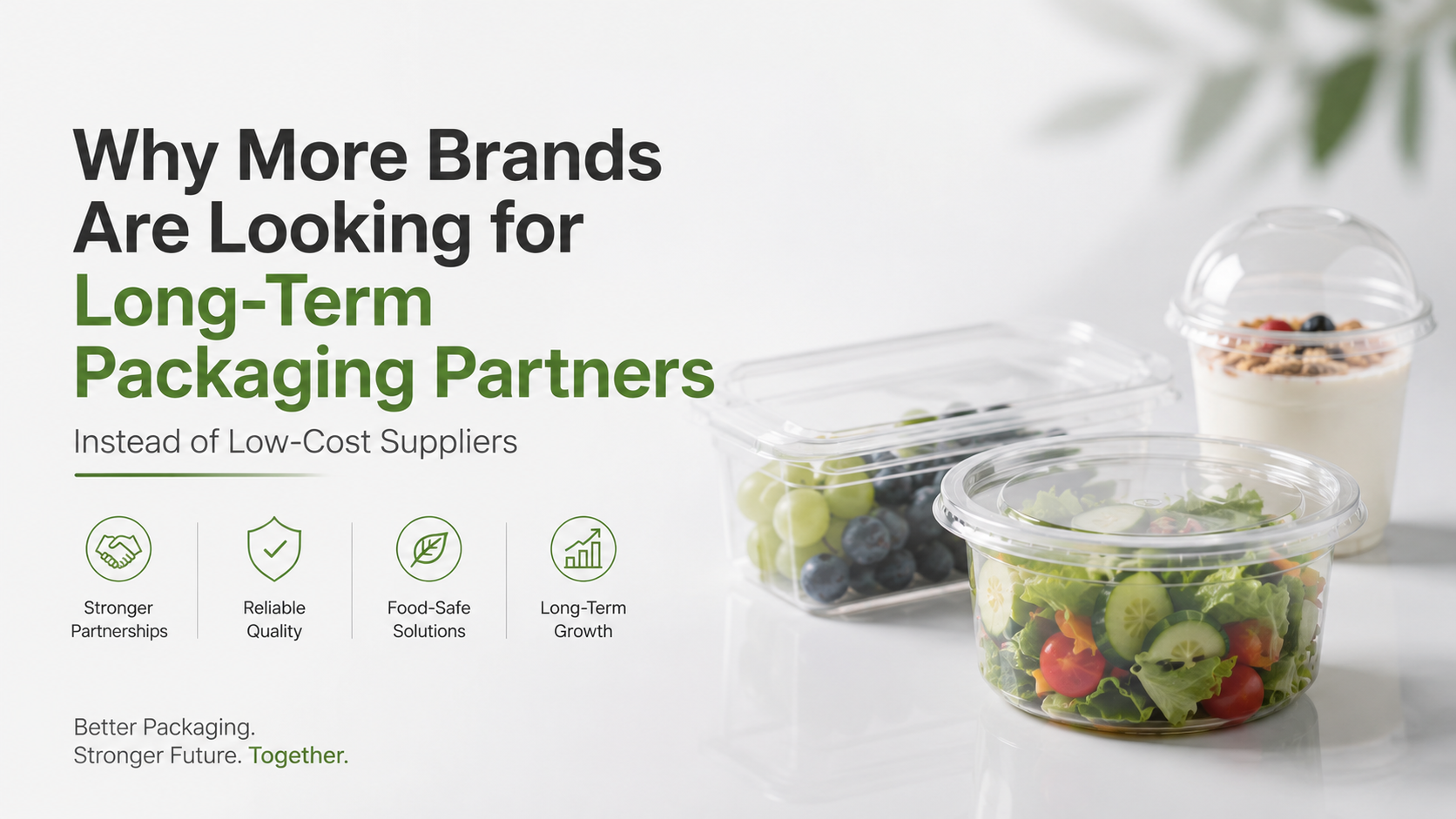
For many years, foodservice companies and beverage brands approached packaging procurement with a relatively simple mindset: lower cost meant higher competitiveness. Packaging was often viewed as a basic operational expense rather than a strategic business asset. As long as cups, containers, lids, or takeaway packaging could perform their basic functions at an acceptable price, many buyers prioritized short-term savings over long-term supplier relationships.
That approach is changing rapidly.
In today’s global foodservice market, packaging affects far more than product containment. It now directly influences customer experience, operational efficiency, sustainability compliance, logistics stability, and even brand perception. At the same time, supply chain disruptions, fluctuating raw material prices, labor shortages, and increasingly complex environmental regulations have exposed the risks associated with purely price-driven sourcing strategies.
As a result, many restaurant groups, beverage chains, retailers, and foodservice distributors are reevaluating how they choose packaging suppliers. Instead of focusing only on finding the lowest quotation, more brands are prioritizing long-term packaging partners that can provide stability, consistent quality, technical support, and scalable manufacturing capabilities.
This shift reflects a broader change in how packaging itself is viewed within modern foodservice operations. Packaging is no longer simply a disposable cost. It has become part of long-term business strategy.
Low-Cost Packaging Often Creates Hidden Operational Risks
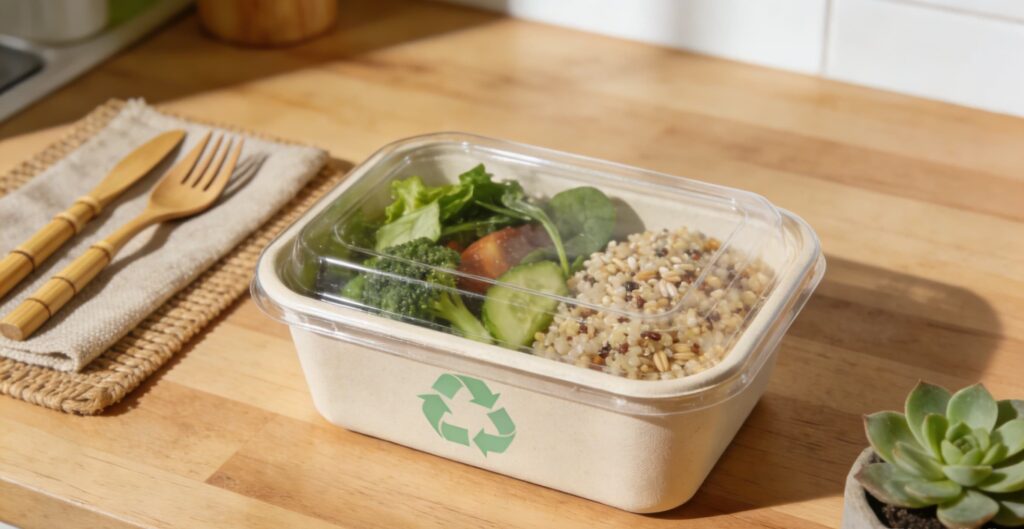
At first glance, low-cost packaging can appear financially attractive. For businesses operating on tight margins, reducing packaging costs may seem like a simple way to improve profitability. However, many companies eventually discover that inconsistent packaging quality can create operational costs far greater than the initial savings.
In beverage and takeaway applications, small inconsistencies can quickly become large operational problems. Variations in cup dimensions, sealing compatibility, lid fit, material thickness, or structural stability may affect production speed, delivery reliability, and customer satisfaction.
For example, beverage chains using automatic sealing machines rely heavily on precise cup specifications. Even minor dimensional inconsistencies can result in sealing failures, leakage issues, or machine interruptions during busy operating hours.
Common operational issues caused by inconsistent packaging quality
| Packaging Issue | Potential Business Impact |
|---|---|
| Poor lid compatibility | Leakage during takeaway |
| Inconsistent cup dimensions | Sealing machine failures |
| Weak structural strength | Cracked or deformed packaging |
| Uneven material thickness | Reduced product reliability |
| Printing inconsistencies | Damaged brand image |
These problems become even more serious for restaurant chains and multi-location beverage brands. When packaging quality varies between shipments, operational consistency becomes difficult to maintain across stores.
Customer expectations have also changed significantly. With the growth of takeaway culture and delivery platforms, packaging is now directly connected to customer experience. Consumers increasingly associate packaging quality with overall product quality.
A leaking beverage, cracked container, or poorly fitting lid can quickly damage consumer trust, particularly in highly competitive markets where customers have many alternatives. Negative online reviews and social media complaints often spread much faster than businesses expect.
This is one reason why many brands are beginning to realize that packaging failures are not simply operational inconveniences. They are brand reputation risks.
Packaging Has Become Part of the Brand Experience

The role of packaging in modern foodservice has evolved dramatically over the past decade. In sectors such as bubble tea, specialty coffee, smoothies, desserts, and premium takeaway meals, packaging is now part of the overall product presentation rather than just functional protection.
Consumers increasingly notice visual details such as:
- Cup transparency
- Printing quality
- Structural appearance
- Lid design
- Packaging cleanliness
- Material texture
This shift is heavily influenced by social media culture and delivery-based consumption habits. Many food and beverage purchases are now photographed, shared online, or experienced outside traditional dine-in environments. Packaging therefore plays a direct role in how consumers perceive product quality and brand professionalism.
Premium beverage brands, in particular, rely heavily on packaging consistency. Transparent PET cups, customized printing, and stable structural performance help businesses create a stronger visual identity while maintaining operational reliability.
With growing demand for visually consistent beverage packaging, companies like DASHAN are helping foodservice brands develop customized PET and PP cup solutions with stable quality, clear printing performance, and scalable production support for multi-location operations.
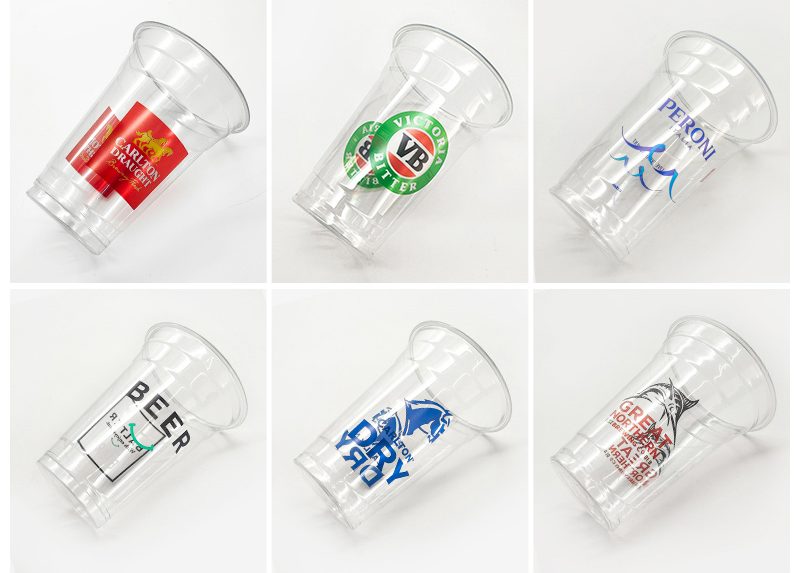
If you’d like to learn more about custom cup printing, please click here.
Why packaging consistency matters for growing brands
| Brand Requirement | Packaging Impact |
|---|---|
| Visual consistency | Stronger brand recognition |
| Stable print quality | Professional appearance |
| Reliable structural performance | Better customer experience |
| Standardized sizing | Operational efficiency |
| Durable takeaway packaging | Reduced delivery complaints |
For franchise businesses and expanding restaurant groups, standardization is especially important. Customers expect the same product experience regardless of store location. Inconsistent packaging can weaken brand identity and reduce consumer confidence.
This is why many companies are moving away from transactional supplier relationships. Brands increasingly want suppliers that understand their operational standards, packaging goals, and long-term growth strategies.
Supply Chain Stability Has Become a Major Competitive Advantage
The global supply chain disruptions experienced over the past several years fundamentally changed how businesses evaluate suppliers. Shipping delays, raw material shortages, rising freight costs, and production interruptions exposed the vulnerabilities of unstable sourcing strategies.
Many companies that previously prioritized low pricing discovered that unreliable supply chains could create severe operational disruptions.
Packaging shortages can directly affect store operations, product launches, promotional campaigns, and inventory planning. For fast-growing foodservice brands, inconsistent packaging supply may even limit expansion opportunities.
This is why supply chain reliability has become one of the most important factors in supplier selection.
What brands now expect from packaging suppliers
| Supplier Capability | Why It Matters |
|---|---|
| Stable production capacity | Prevents inventory shortages |
| Predictable lead times | Improves planning efficiency |
| Fast communication | Reduces operational delays |
| Scalable manufacturing | Supports business growth |
| Quality consistency | Maintains operational stability |
Communication and responsiveness are also becoming increasingly important in global sourcing relationships. Modern brands expect packaging suppliers to provide faster updates, production transparency, technical support, and problem-solving capabilities.
In many cases, the difference between a basic supplier and a long-term packaging partner is not only product pricing. It is the ability to support operational continuity during changing market conditions.
Reliable suppliers help reduce uncertainty throughout the procurement process, allowing businesses to focus more heavily on growth, branding, and customer experience rather than constantly solving packaging-related problems.
Sustainability and Compliance Are Reshaping Supplier Expectations
Environmental regulations and sustainability targets are also changing how brands evaluate packaging partners. In many global markets, packaging compliance has become significantly more complex than before.
Foodservice businesses now face increasing pressure related to:
- Recyclability requirements
- Recycled content targets
- Food-contact compliance
- Packaging traceability
- Extended Producer Responsibility (EPR) systems
- EU PPWR regulations
- Consumer sustainability expectations
For many brands, packaging suppliers are no longer simply manufacturers. They are becoming important sources of technical guidance and compliance support.
A supplier that understands material trends, recyclability standards, and evolving regulations can help brands adapt more efficiently to changing market requirements.
For example, many beverage companies are now exploring:
- rPET packaging solutions
- Mono-material packaging systems
- Lightweight packaging designs
- Recyclable PP structures
- Reduced material consumption strategies
Long-term packaging partners are often more willing to invest in collaborative product development because they view customer relationships strategically rather than transactionally.
This collaborative approach is becoming increasingly valuable as sustainability requirements continue evolving globally.
DASHAN, for example, supports foodservice businesses with customizable PET, PP, and sustainable packaging solutions designed to balance operational performance, visual presentation, and evolving environmental expectations. By focusing on stable manufacturing quality, scalable production capacity, and long-term cooperation, DASHAN helps brands maintain packaging consistency while adapting to changing market demands.
The Difference Between a Supplier and a Long-Term Packaging Partner
The distinction between a supplier and a strategic packaging partner is becoming increasingly important throughout the foodservice industry.
Traditional suppliers often focus primarily on short-term transactions. Their main competitive advantage is usually pricing. While low prices may offer temporary savings, this model can create long-term instability if quality, communication, or production reliability are inconsistent.
Packaging partners operate differently. Instead of focusing only on individual orders, they support broader business objectives such as operational efficiency, product consistency, branding requirements, and future scalability.
Supplier vs long-term packaging partner
| Traditional Supplier | Long-Term Packaging Partner |
|---|---|
| Price-focused | Stability-focused |
| Transactional relationship | Collaborative relationship |
| Limited technical support | Ongoing operational support |
| Short-term cost savings | Long-term business value |
| Reactive problem solving | Proactive planning |
Long-term partnerships often create efficiencies that are not immediately visible through simple price comparisons. Better forecasting, consistent inventory planning, faster customization processes, and lower packaging failure rates can significantly improve overall operational performance.
In many cases, companies eventually discover that stable packaging systems reduce hidden costs throughout the supply chain, including:
- Product waste
- Delivery complaints
- Production interruptions
- Emergency sourcing expenses
- Customer dissatisfaction
- Inventory instability
This is why more brands are beginning to view packaging procurement as a strategic investment rather than a short-term purchasing decision.
The Future of Packaging Procurement Will Focus on Stability and Collaboration
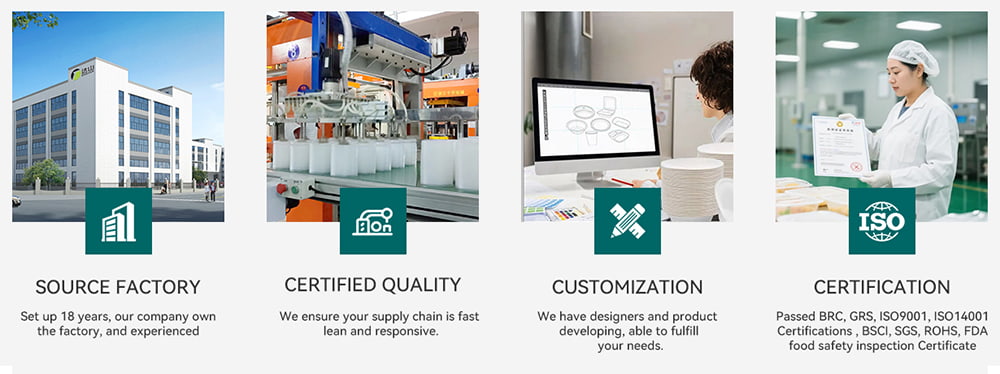
The future of food packaging procurement will likely become increasingly strategic. Packaging decisions now influence multiple areas of business performance simultaneously, including branding, logistics, sustainability compliance, customer experience, and operational efficiency.
As global sourcing environments become more complex, reliability is becoming more valuable than simply securing the lowest possible price.
Brands are also becoming more selective about supplier relationships. Instead of frequently changing suppliers to reduce costs marginally, many companies are prioritizing long-term partnerships that provide operational stability and collaborative growth opportunities.
This trend is especially visible among expanding beverage chains, restaurant franchises, and international foodservice brands that require consistent packaging systems across multiple markets.
Future packaging partnerships will likely involve deeper collaboration in areas such as:
- Sustainable packaging development
- Custom printing innovation
- Inventory forecasting
- Material optimization
- Regulatory adaptation
- Supply chain planning
The companies that manage packaging strategically will likely gain stronger operational resilience and more consistent customer experiences over time.
FAQs
1. Why are brands moving away from low-cost packaging suppliers?
Many brands have experienced issues such as inconsistent quality, delayed shipments, leakage problems, and unstable supply chains when focusing only on low pricing.
2. How does packaging affect customer experience?
Packaging directly influences product presentation, leak resistance, delivery performance, and overall brand perception, especially in takeaway and beverage businesses.
3. Why is packaging consistency important for chain restaurants?
Chain restaurants and beverage franchises require standardized packaging across locations to maintain operational efficiency and consistent brand identity.
4. What makes a good long-term packaging partner?
Reliable production capacity, stable quality control, responsive communication, customization capability, compliance support, and scalable manufacturing are all important factors.
5. How are sustainability regulations changing packaging procurement?
Regulations such as EPR systems, food-contact standards, and recyclable packaging requirements are making brands prioritize suppliers with stronger technical and compliance capabilities.
6. Why is supply chain stability now more important?
Global logistics disruptions and raw material fluctuations have shown businesses that unstable packaging supply can seriously affect operations and growth plans.
Conclusion
The global foodservice industry is gradually moving beyond purely price-driven packaging procurement strategies. While cost efficiency remains important, businesses increasingly recognize that packaging quality, supply stability, operational reliability, and long-term collaboration have a much greater impact on overall business performance.
Packaging now influences customer perception, delivery performance, sustainability compliance, branding consistency, and supply chain resilience simultaneously. As a result, many brands are shifting away from unstable low-cost sourcing models and toward long-term packaging partnerships built on consistency, scalability, and trust.
Reliable packaging partners help businesses reduce operational risks, improve product consistency, adapt to regulatory changes, and support long-term growth more effectively than transactional supplier relationships alone.
In an increasingly competitive global market, the strongest packaging strategies are no longer based only on finding the cheapest supplier. They are built around creating stable, scalable, and collaborative partnerships that support sustainable business development over time.
References
- McKinsey & Company – The Future of Packaging
- Ellen MacArthur Foundation – Circular Economy for Packaging
- U.S. Environmental Protection Agency – Sustainable Materials Management
- World Packaging Organisation
- Packaging Europe
- Smithers – Packaging Industry Trends
- Food Packaging Forum
- European Environment Agency – Packaging Waste
Copyright Statement
© 2026 Dashan Packing. All rights reserved.
This article is an original work created by the Dashan Packing editorial team.
All text, data, and images are the result of our independent research, industry experience,
and product development insights. Reproduction or redistribution of any part of this content
without written permission is strictly prohibited.
Dashan Packing is committed to providing accurate, evidence-based information and
to upholding transparency, originality, and compliance with global intellectual property standards.