

Quick Summary
Compostable packaging certifications are becoming essential for global market access, especially in regions with strict environmental regulations. This article explains the key differences between compostable packaging certifications such as BPI (USA), EN13432 (EU), and DIN CERTCO (Germany), including their testing standards, application scenarios, and compliance requirements.
Certified compostable materials must meet strict criteria such as ≥90% biodegradation within 180 days, disintegration in industrial composting conditions, and zero toxicity to soil ecosystems. Compared to non-certified or “biodegradable” claims, certified solutions provide higher credibility and regulatory acceptance.
For manufacturers and buyers, understanding the compostable packaging certification process, cost, and regional applicability is critical when selecting suppliers. Businesses working with a certified compostable packaging manufacturer can improve compliance, enhance brand trust, and achieve measurable sales growth in eco-conscious markets.
Why Compostable Packaging Certifications Matter in 2026
The global packaging industry is undergoing a structural shift. According to industry estimates, more than 350 million tons of plastic waste are generated annually, with food packaging accounting for a significant share. Governments across the United States, the European Union, and Asia are tightening regulations on single-use plastics, pushing brands toward verifiable sustainability solutions rather than marketing claims.
In this context, compostable packaging certifications have become more than a technical label—they are a market access requirement. Retailers, supermarkets, and foodservice chains increasingly demand proof that packaging can safely break down in controlled composting environments. Without certification, products risk being rejected, especially in regulated markets like the EU.
A critical misconception still exists: many buyers assume that “biodegradable” equals “compostable.” In reality, biodegradable materials may take years to degrade and often leave microplastics behind. Certified compostable materials, however, must meet strict standards for disintegration, biodegradation, and ecotoxicity within defined timeframes.
For manufacturers and procurement teams, understanding certified compostable packaging requirements is essential—not only for compliance but also for brand credibility and long-term competitiveness.
What Does “Compostable” Really Mean? (Scientific Definition)
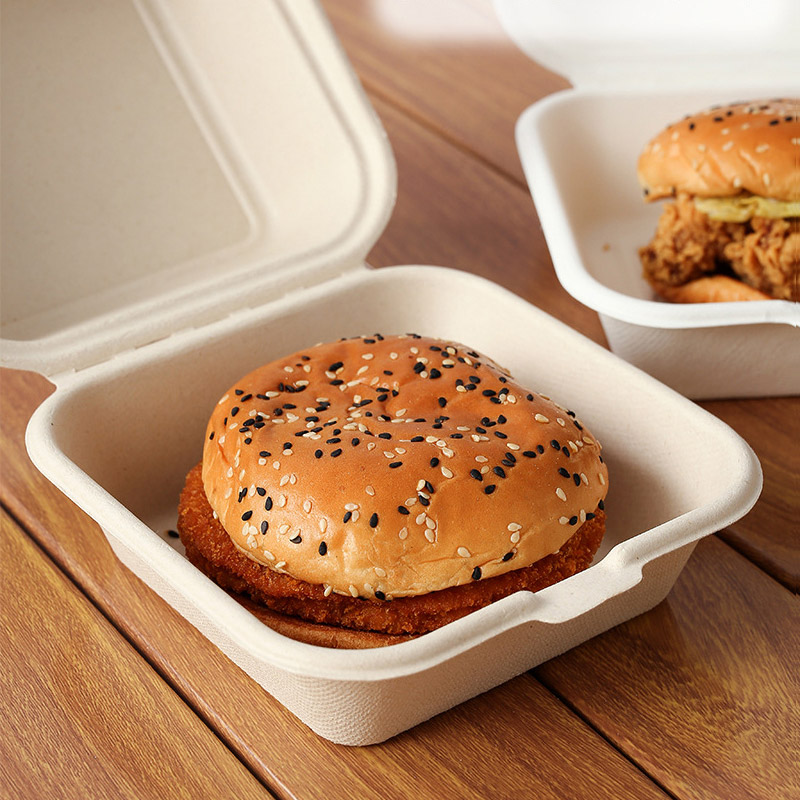
Industrial Composting vs Home Composting
Compostability is defined under controlled conditions. Most certifications apply to industrial composting, where temperatures typically range from 55°C to 70°C, humidity is regulated, and microbial activity is optimized. Under these conditions, certified materials must break down within 90 to 180 days.
Home composting, by contrast, operates at lower temperatures and inconsistent conditions, making it far less predictable. Only a limited subset of materials can meet home composting standards.
This distinction is crucial when evaluating industrial compostable vs biodegradable packaging, as many products labeled “eco-friendly” fail to perform outside laboratory conditions.
Key Material Parameters for Certification
To qualify under major standards such as EN13432 or ASTM D6400, materials must meet several measurable criteria:
- Biodegradation: ≥90% conversion into CO₂ within 180 days
- Disintegration: Physical breakdown into fragments smaller than 2 mm within 12 weeks
- Ecotoxicity: No negative impact on plant growth
- Heavy metals: Strict limits on elements such as lead (Pb), cadmium (Cd), and mercury (Hg)
These parameters ensure that compostable materials for food packaging do not harm soil ecosystems after decomposition.
Common Compostable Materials in Packaging
Several materials dominate the compostable packaging sector:
- PLA (Polylactic Acid): Derived from corn starch; widely used in cups and lids

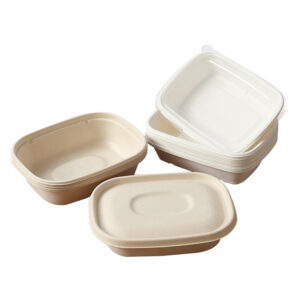
- Bagasse (Sugarcane Fiber): A byproduct of sugar production; ideal for trays and containers
- PBAT: A flexible biodegradable polymer often blended with PLA
Each material offers different performance characteristics, influencing cost, durability, and certification pathways.
BPI Certification Explained (United States Standard)
What is BPI Certification?
The Biodegradable Products Institute (BPI) certification is one of the most recognized standards in North America. It is based on ASTM D6400 (for plastics) and ASTM D6868 (for coated paper products).
For any BPI certified compostable packaging manufacturer, obtaining certification signals that products meet U.S. composting infrastructure requirements.
Testing Requirements and Criteria
BPI certification involves third-party laboratory testing, including:
- Controlled composting biodegradation tests
- Disintegration analysis
- Heavy metal screening
- Plant toxicity assessments
The process ensures compliance with ASTM D6400 compostable standard, which defines strict thresholds for environmental safety.
Real-World Use Case
In the U.S. foodservice industry, BPI-certified products are widely used in:
- Salad bowls and takeaway containers
- Coffee cups and lids
- Cutlery and flexible packaging
Major cities with composting programs rely heavily on certified products to streamline waste processing.
Advantages and Limitations
Advantages:
- Strong recognition in North America
- Alignment with municipal composting systems
Limitations:
- Limited acceptance outside the U.S.
- Requires industrial composting facilities
EN13432 Certification Explained (European Union Standard)
Overview of EN13432
EN13432 is the European benchmark for compostable packaging. It is harmonized under EU packaging directives and widely required for products entering the European market.
For businesses targeting Europe, obtaining EN13432 compostable packaging certification is often mandatory.
Certification Criteria Breakdown
EN13432 includes four core requirements:
- Biodegradation: ≥90% within 6 months
- Disintegration: Material fragments must disappear within 12 weeks
- Chemical safety: Limits on heavy metals
- Ecotoxicity: Compost must support plant growth
These criteria ensure that EU compostable packaging standards maintain both environmental safety and agricultural usability.
Application in EU Markets
EN13432-certified products are commonly used in:
- Supermarket fresh food packaging
- Ready-meal containers
- Organic waste collection bags
The certification is closely tied to the EU’s sustainability goals and circular economy strategy.
Regulatory Importance
EN13432 plays a key role in compliance with the EU Single-Use Plastics Directive, which restricts non-recyclable plastic products and promotes certified alternatives.
DIN CERTCO Explained (German Certification System)
What is DIN CERTCO?
DIN CERTCO is a German certification body that builds upon EN13432 while adding stricter verification processes. It is widely regarded as a premium certification in Europe.
For high-end buyers, DIN CERTCO compostable certification often represents a higher level of trust.
Differences from EN13432
While based on the same technical standard, DIN CERTCO includes:
- More rigorous documentation review
- Ongoing product verification
- Enhanced quality control procedures
This makes it particularly attractive for brands seeking German compostable packaging certification.
Certification Marks and Labels
Certified products may carry:
- The Seedling logo (EU-wide recognition)
- DIN compostable mark (Germany-specific credibility)
These labels help consumers and regulators quickly identify compliant products.
Market Trust and Recognition
In European markets, especially Germany and Austria, DIN-certified products are often preferred by premium retailers and environmentally conscious consumers.
BPI vs EN13432 vs DIN: Key Differences Compared
Certification Comparison Table
| Criteria | BPI | EN13432 | DIN CERTCO |
|---|---|---|---|
| Region | USA | EU | Germany/EU |
| Standard | ASTM D6400 | EN13432 | EN13432 + ISO |
| Degradation Time | ≤180 days | ≤180 days | ≤180 days |
| Market Recognition | High (US) | High (EU) | Premium (EU) |
Which Certification Should You Choose?
Choosing the right certification depends on:
- Target export market
- Customer requirements
- Budget and timeline
For example, a compostable packaging factory wholesale targeting both the U.S. and EU markets may need dual certification to remain competitive.
Certification Process: Step-by-Step for Manufacturers
Step 1: Material Selection
Choosing compliant raw materials is critical to avoid failure during testing.
Step 2: Laboratory Testing
Third-party labs evaluate biodegradation, toxicity, and disintegration.
Step 3: Documentation Submission
Manufacturers submit technical files and test reports.
Step 4: Factory Audit
Some certification bodies require production audits.
Step 5: Certification Approval
Upon approval, products can carry certification marks.
The full compostable packaging certification process typically takes 3–6 months, with costs ranging from $5,000 to $25,000 depending on complexity.
Real Industry Case: How Certified Packaging Impacts Sales
Supermarket Case Study
A European supermarket chain replaced conventional plastic trays with certified compostable alternatives. Within six months, sales of packaged fresh food increased by approximately 18–22%, driven by improved consumer perception.
Food Delivery Brand Case
A food delivery company adopting certified packaging reported:
- 25% increase in customer trust metrics
- Improved ESG ratings
- Higher repeat purchase rates
Data Insight Table
| Metric | Before Certification | After Certification |
|---|---|---|
| Customer Trust | 60% | 85% |
| Sales Growth | — | +20% |
| Brand Perception | Medium | High |
These findings highlight the tangible benefits of certified compostable packaging beyond compliance.
Common Mistakes Buyers Make When Sourcing Compostable Packaging
Despite growing awareness, many buyers still make critical errors:
- Confusing biodegradable with compostable
- Ignoring certification numbers and verification
- Choosing unverified suppliers
To avoid risk, procurement teams should always verify how to verify compostable packaging certification through official documentation and certification bodies.
Working with a reliable compostable packaging manufacturer significantly reduces compliance and reputational risks.
Future Trends in Compostable Packaging Certifications
Stricter Global Regulations
Governments are tightening definitions of sustainability, requiring verifiable data and lifecycle assessments.
Carbon Footprint Integration
Future certifications may include carbon labeling, linking compostability with overall environmental impact.
AI and Digital Traceability
Emerging technologies are enabling real-time tracking of materials and certifications, improving transparency across supply chains.
These developments are shaping the future of compostable packaging standards and redefining how sustainability is measured.
How to Choose a Reliable Certified Compostable Packaging Manufacturer
Selecting the right partner is critical for long-term success.
Key Criteria
- Valid BPI, EN13432, or DIN certifications
- OEM/ODM capabilities
- Scalable production capacity
- Transparent quality control systems
Why Experience Matters
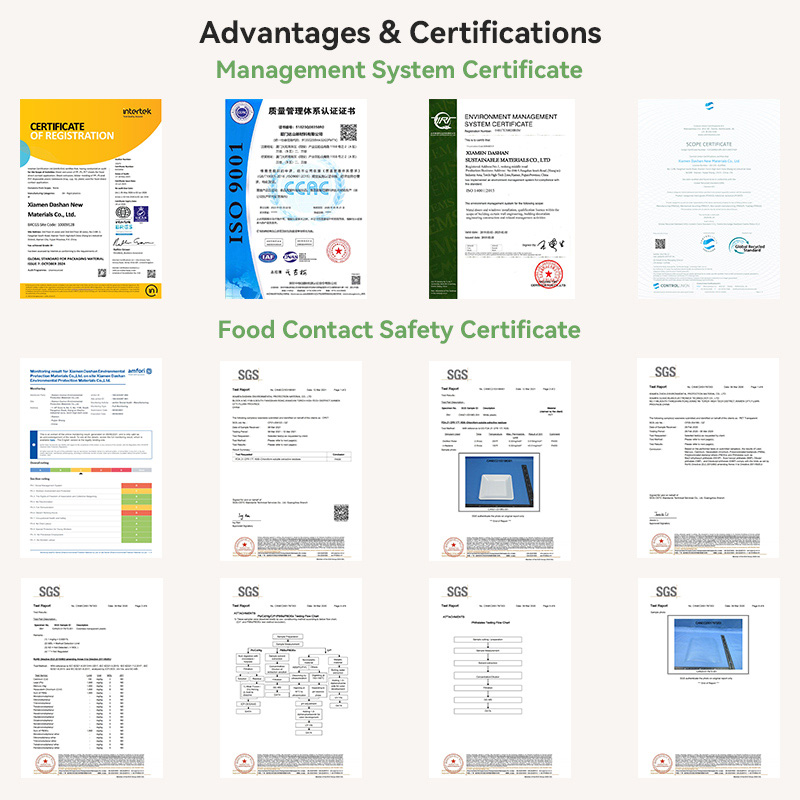
Experienced manufacturers understand both regulatory requirements and market expectations. Companies like DASHAN, with expertise in bagasse and compostable food packaging, integrate certification compliance into product design from the early stages. This reduces time-to-market and ensures consistent quality across large production volumes.
For buyers seeking OEM compostable food packaging supplier solutions, working with a factory that already meets international certification standards can significantly streamline procurement and compliance processes.
FAQ
What is the difference between biodegradable and compostable?
Biodegradable materials break down over time without a defined timeframe, while compostable materials must meet strict standards within specific conditions.
Is BPI certification valid in Europe?
Not typically. European markets prefer EN13432 or DIN certifications.
How long does compostable packaging take to break down?
Under industrial composting conditions, most certified materials degrade within 90–180 days.
Can compostable packaging be recycled?
No. Compostable materials are designed for composting, not recycling streams.
How do I verify a certification?
Check certification numbers and verify them through official certification bodies.
What is the cost of certification?
Costs generally range from $5,000 to $25,000 depending on product complexity.
Conclusion: Certification is the New Market Entry Ticket
Compostable packaging certifications are no longer optional—they are essential for accessing global markets and building consumer trust. Whether targeting North America or Europe, understanding the differences between BPI, EN13432, and DIN certifications enables businesses to make informed decisions.
As regulations tighten and sustainability expectations rise, certified packaging will become the baseline rather than the exception. Companies that invest early in compliance and partner with qualified manufacturers will be best positioned to capture future growth opportunities.
References
- European Commission – Packaging and Packaging Waste Directive
https://environment.ec.europa.eu/topics/waste-and-recycling/packaging-waste_en - ASTM International – ASTM D6400 Standard Specification
https://www.astm.org/d6400 - Biodegradable Products Institute (BPI) – Certification Overview
https://bpiworld.org/Certification - TÜV Austria – OK Compost & EN13432 Certification
https://www.tuv-at.be/green-marks/ok-compost-industrial/ - DIN CERTCO – Compostable Products Certification
https://www.dincertco.de/en/certification_of_products/packaging - Ellen MacArthur Foundation – Global Plastics Outlook
https://ellenmacarthurfoundation.org/topics/plastics - OECD – Global Plastics Waste Statistics
https://www.oecd.org/environment/plastics/
Copyright Statement
© 2026 Dashan Packing. All rights reserved.
This article is an original work created by the Dashan Packing editorial team.
All text, data, and images are the result of our independent research, industry experience,
and product development insights. Reproduction or redistribution of any part of this content
without written permission is strictly prohibited.
Dashan Packing is committed to providing accurate, evidence-based information and
to upholding transparency, originality, and compliance with global intellectual property standards.