

Quick Summary:
Corn starch food packaging containers are an eco-friendly alternative to traditional plastic packaging. Made from renewable corn, these containers are biodegradable, compostable, and offer significant environmental benefits. They provide a safe and durable option for foodservice, retail, and catering industries, with advantages such as heat resistance, leak prevention, and grease/oil resistance. Corn starch packaging is customizable, cost-effective, and free from harmful chemicals, making it a safe choice for food storage. As demand for sustainable solutions increases, corn starch containers are becoming a key player in reducing plastic waste and meeting the growing consumer and regulatory expectations for eco-friendly products.
Introduction: Understanding Corn Starch Packaging
Corn starch packaging is a rapidly growing eco-friendly alternative in the food packaging industry. Derived from corn, this biodegradable material provides a sustainable option that meets the increasing demand for environmentally conscious products. In recent years, concerns over plastic waste have prompted businesses to explore renewable resources like corn starch for producing food containers.
In this article, we will discuss the numerous advantages of corn starch food packaging containers, including their sustainability, cost-effectiveness, and performance in various applications. We will explore why they are becoming a top choice in the foodservice, retail, and manufacturing sectors.
1. Environmental Benefits: Biodegradable and Compostable
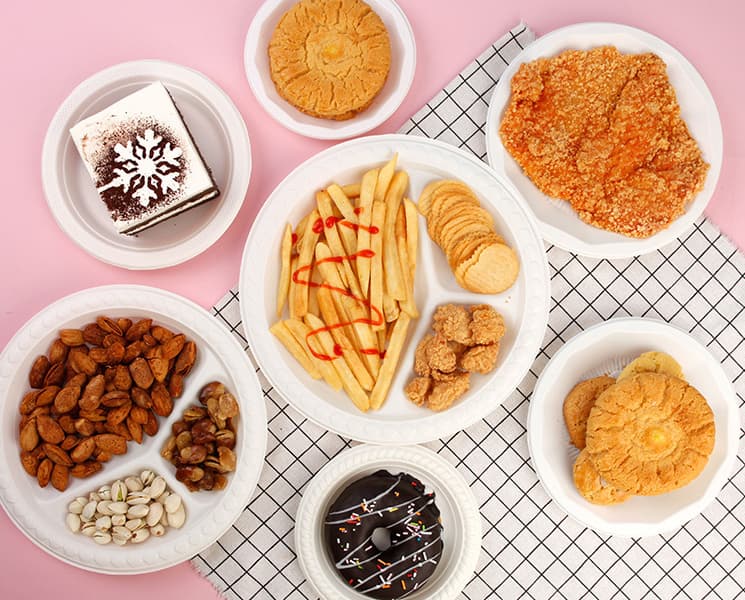
One of the most significant advantages of corn starch packaging is its biodegradability. Unlike traditional plastic, which can take hundreds of years to decompose, corn starch containers break down in a relatively short period, making them a sustainable choice.
Key Points:
-
Compostable in Industrial Composting Facilities: Corn starch containers can compost under controlled conditions, returning nutrients to the soil.
-
Reduction in Plastic Waste: As single-use plastics continue to contribute to environmental pollution, corn starch packaging helps reduce this burden.
-
Carbon Footprint: Corn starch is a renewable resource, and its production process generates a lower carbon footprint compared to plastic or other non-renewable materials.
Data Table: Environmental Impact Comparison
| Material | Biodegradability | Carbon Emissions (kg CO2 per kg) | Renewable Source | Production Process |
|---|---|---|---|---|
| Corn Starch | Biodegradable | 1.2 | Yes | Low energy |
| PLA (Polylactic Acid) | Biodegradable | 2.0 | Yes | Moderate energy |
| PET (Polyethylene Terephthalate) | Non-biodegradable | 6.0 | No | High energy |
2. Performance in Food Packaging
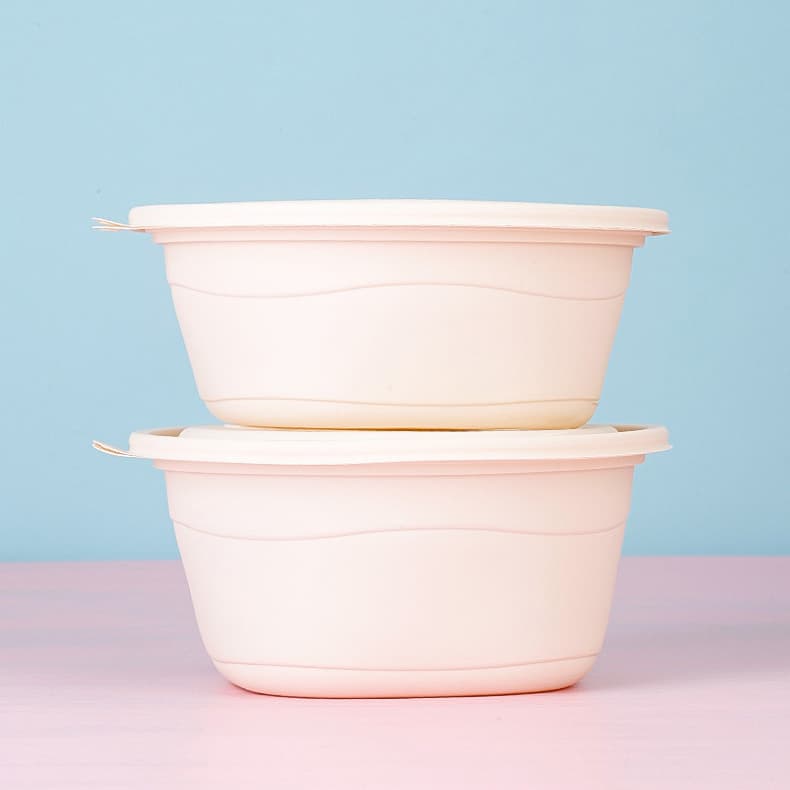
Corn starch food containers offer exceptional performance, meeting or exceeding industry standards for food safety and durability.
Key Advantages:
-
Heat Resistance: Corn starch containers can withstand a range of temperatures, making them suitable for both hot and cold foods.
-
Leak-Resistant: These containers are designed to prevent leakage, ensuring that food stays secure and intact during transportation and storage.
-
Grease and Oil Resistance: Ideal for greasy foods like fried items or pizzas, corn starch packaging is designed to resist oil absorption, maintaining its structure.
Case Study: A major restaurant chain switched to corn starch packaging for their takeout containers and reported a 15% reduction in product loss due to leakage and spillage.
3. Cost-Effectiveness: Competitive Pricing
While some sustainable materials like PLA can be more expensive than traditional plastic, corn starch packaging is often more affordable due to its raw material source (corn), which is widely available and cost-effective. Additionally, the growing demand for biodegradable packaging is driving economies of scale, which could reduce costs further in the future.
Data Table: Price Comparison (Cost per Unit)
| Material | Price per Unit (USD) | Production Cost per Unit (USD) |
|---|---|---|
| Corn Starch Container | 0.15 | 0.05 |
| PLA Container | 0.30 | 0.10 |
| Plastic Container | 0.10 | 0.04 |
4. Health and Safety: Safe for Food Contact
Corn starch containers meet FDA regulations for food-safe packaging. They are free from harmful chemicals, such as BPA and phthalates, which are often present in plastic packaging. This makes them a safer alternative for storing and serving food.
Key Points:
-
No Toxic Chemicals: Free from endocrine disruptors, heavy metals, and other harmful substances.
-
FDA Compliance: Certified for direct food contact, ensuring safety for consumers.
5. Customization Options: Tailoring Packaging to Brand Needs
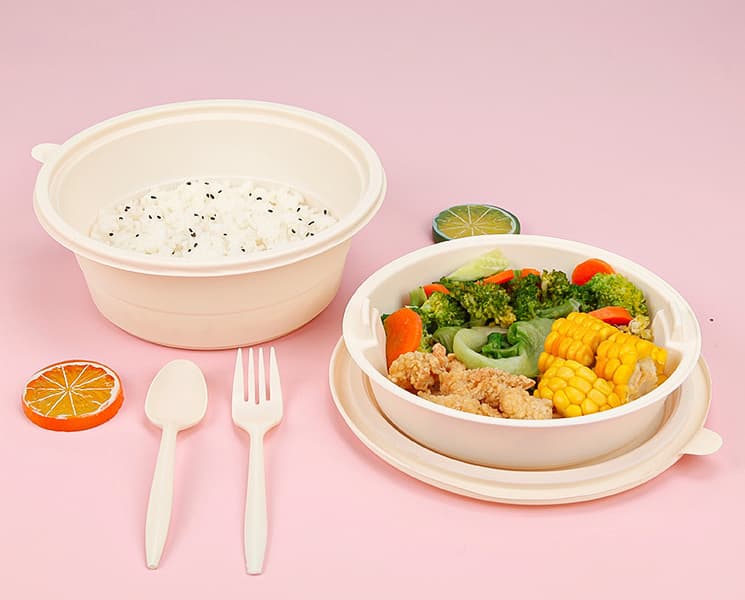
Businesses can customize corn starch food containers with various printing and labeling options. Whether it’s for branding or product information, these containers can be adapted to fit a company’s unique needs.
Custom Features:
-
Printed Logos and Designs: Custom prints can be added for branding and aesthetic appeal.
-
Multiple Sizes: Containers are available in a wide range of sizes, from small snack boxes to large meal trays.
-
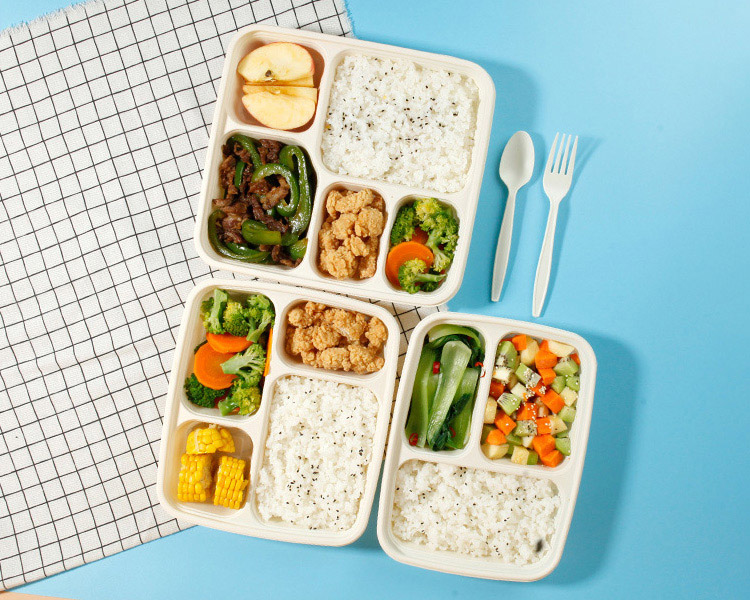
Shape and Functionality: Some containers can be designed with specific compartments to separate different food types, such as for salads, sandwiches, or bento boxes.
6. Corn Starch Packaging in Various Industries
Corn starch food containers are used in multiple sectors beyond just restaurants, including:
-
Catering Services: For large-scale events and gatherings, corn starch containers offer a sustainable solution for food service.
-
Retail and Grocery Stores: Many supermarkets are now offering fresh produce and ready-to-eat meals in biodegradable packaging.
-
Takeout and Delivery: As more restaurants adopt sustainable practices, biodegradable takeout containers are becoming the norm.
7. Sustainability: Long-Term Benefits for the Planet
As more consumers demand sustainable alternatives, businesses are under increasing pressure to adopt eco-friendly practices. By shifting to corn starch food packaging, companies can improve their sustainability profiles and align with green initiatives, thus meeting both regulatory and consumer demands.
Sustainability Stats:
-
Increase in Demand: Global demand for biodegradable packaging is expected to grow at a CAGR of 12.8% from 2022 to 2030.
-
Reduced Landfill Waste: The transition to biodegradable packaging could reduce landfill waste by 30% in certain regions.
FAQs About Corn Starch Food Packaging
1. What is corn starch packaging made of?
Corn starch packaging is made from processed corn, which is then molded into various forms such as trays, boxes, and containers.
2. Can corn starch containers hold hot foods?
Yes, corn starch containers are heat-resistant and can safely hold both hot and cold foods.
3. Are corn starch containers waterproof?
Yes, corn starch packaging has a natural resistance to water and oil, making it ideal for wet foods.
4. How long does it take for corn starch packaging to decompose?
Corn starch containers can break down within 2–6 months in industrial composting facilities.
5. Can corn starch packaging be recycled?
Corn starch containers are not typically recyclable, but they can be composted in industrial facilities.
6. Are there any limitations to corn starch packaging?
Corn starch containers are not suitable for use with very hot liquids or in high-temperature ovens. They also require specific composting conditions.
7. Is corn starch packaging safe for food contact?
Yes, corn starch containers meet food safety standards and are free from harmful chemicals.
Conclusion: The Future of Corn Starch Food Packaging
Corn starch food packaging offers numerous benefits, including sustainability, performance, cost-effectiveness, and safety. As businesses and consumers increasingly demand eco-friendly alternatives, corn starch containers are poised to become a significant player in the food packaging industry. With continued innovation, the use of corn starch packaging is expected to expand, making it a long-term solution for reducing environmental impact while meeting the needs of the food industry.
References:
Copyright Statement
© 2026 Dashan Packing. All rights reserved.
This article is an original work created by the Dashan Packing editorial team.
All text, data, and images are the result of our independent research, industry experience,
and product development insights. Reproduction or redistribution of any part of this content
without written permission is strictly prohibited.
Dashan Packing is committed to providing accurate, evidence-based information and
to upholding transparency, originality, and compliance with global intellectual property standards.