

The Psychology, Retail Science, and Commercial Power Behind Clear Food Packaging
In modern food retail and takeaway markets, packaging no longer serves only as a protective container. It has evolved into one of the most important sales tools influencing consumer behavior, brand perception, product visibility, and purchasing decisions. Among all packaging styles used across supermarkets, cafés, bakeries, convenience stores, meal-prep businesses, fruit chains, and beverage shops, transparent packaging has become one of the most commercially successful formats worldwide.
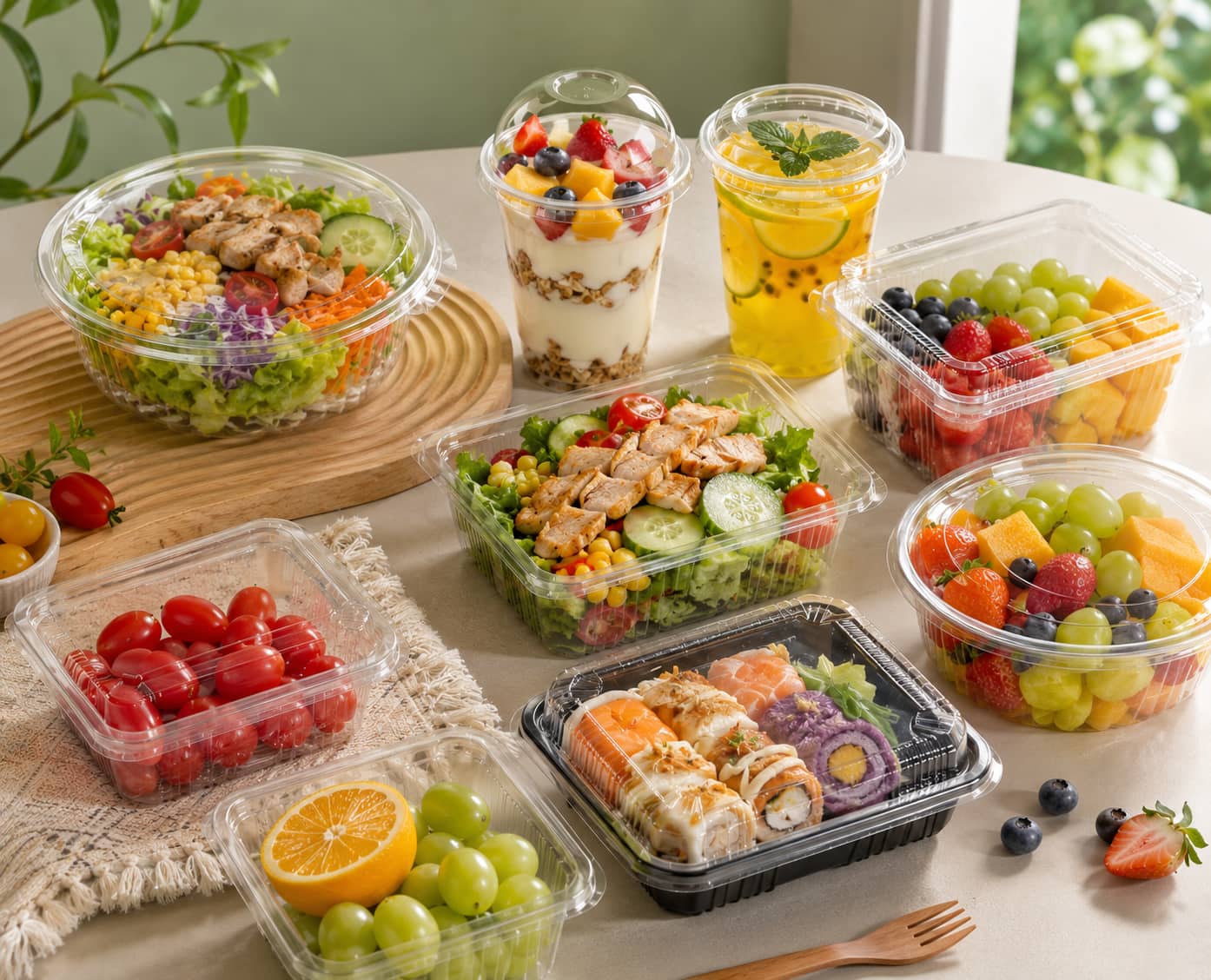
From crystal-clear PET salad bowls to transparent fruit containers, dessert cups, sushi trays, bakery clamshells, and iced beverage cups, consumers are increasingly surrounded by packaging designed to showcase the product rather than hide it. This shift is not accidental. It is driven by deep psychological, visual, and commercial factors that directly affect how customers evaluate freshness, cleanliness, quality, safety, and value.
Over the last decade, consumer buying behavior has changed dramatically. Modern shoppers often make purchasing decisions within seconds, especially in fast-paced retail environments where hundreds of products compete for attention simultaneously. In these moments, visibility becomes incredibly important. If consumers can immediately see fresh fruit, colorful salads, layered desserts, premium bakery products, or visually appealing beverages through the packaging, the product instantly becomes more engaging and emotionally attractive.
This is one reason transparent food packaging has expanded so rapidly across global foodservice and retail industries. Clear packaging creates visual trust. It allows consumers to inspect food directly before purchasing, reducing uncertainty and increasing confidence in product quality. Unlike opaque containers that force consumers to rely only on labels or branding claims, transparent packaging provides immediate visual verification of freshness and presentation.
Today, transparency has become closely connected with modern food culture itself. Consumers increasingly associate visible food with honesty, cleanliness, freshness, and premium quality. In many cases, transparent packaging can significantly increase impulse purchases, improve shelf visibility, strengthen brand positioning, and even support higher product pricing.
As social media, food delivery, convenience retail, and premium takeaway culture continue growing worldwide, transparent packaging is becoming not just a packaging trend, but a strategic marketing tool influencing the future of food sales globally.
The Psychology Behind Transparent Packaging and Consumer Trust
Human purchasing behavior is highly visual. Long before customers read ingredient labels, nutritional information, or product descriptions, they react emotionally to appearance. In food packaging especially, the brain makes rapid judgments about freshness, safety, cleanliness, and quality based primarily on visual signals.
Transparent packaging works so effectively because it reduces psychological uncertainty. Consumers naturally trust products they can see. When food is visible through clear packaging, customers feel more confident evaluating color, texture, portion size, ingredient quality, and freshness with their own eyes. This creates a stronger sense of control during the purchasing process.
Opaque packaging, by comparison, creates an information gap. Consumers must rely entirely on printed branding, photos, or claims without direct visual confirmation of the actual product inside. While strong branding remains important, modern consumers increasingly prefer authenticity and transparency in both literal and emotional forms.
This psychological effect is particularly powerful in fresh food categories. Fruits, salads, sushi, bakery products, desserts, sandwiches, and cold beverages all benefit heavily from visual exposure because freshness is easier to communicate visually than through words alone.
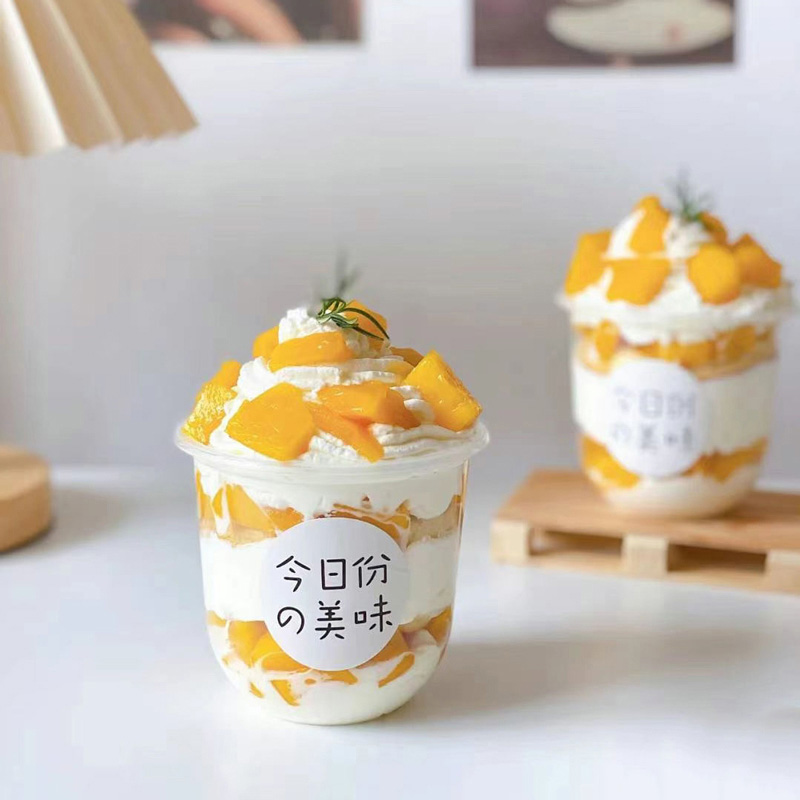
For example, a colorful fruit salad displayed inside a high-clarity PET container immediately communicates freshness, hydration, and natural appeal. A layered yogurt parfait inside a transparent cup looks premium and appetizing even before the consumer reads the label. A vibrant iced tea with visible fruit slices inside a clear cup appears more refreshing and Instagram-worthy than the same beverage hidden inside an opaque container.
This visual trust directly influences consumer confidence, especially in retail environments where customers make fast decisions. Studies across food retail industries consistently show that shoppers are more likely to purchase products they can visually inspect, particularly when freshness and appearance are important purchase drivers.
Transparent packaging therefore does more than display food. It actively reduces hesitation and encourages purchasing behavior.

Why Fresh Food Retail Depends on Visibility
The global expansion of fresh food retail has played a major role in the rise of transparent packaging. Supermarkets, convenience stores, meal-prep brands, healthy food chains, and ready-to-eat food businesses now rely heavily on visual merchandising to compete in increasingly crowded retail environments.
Fresh foods naturally have short decision windows. Consumers often choose products based on immediate visual impression rather than detailed analysis. Packaging therefore becomes part of the food presentation itself.
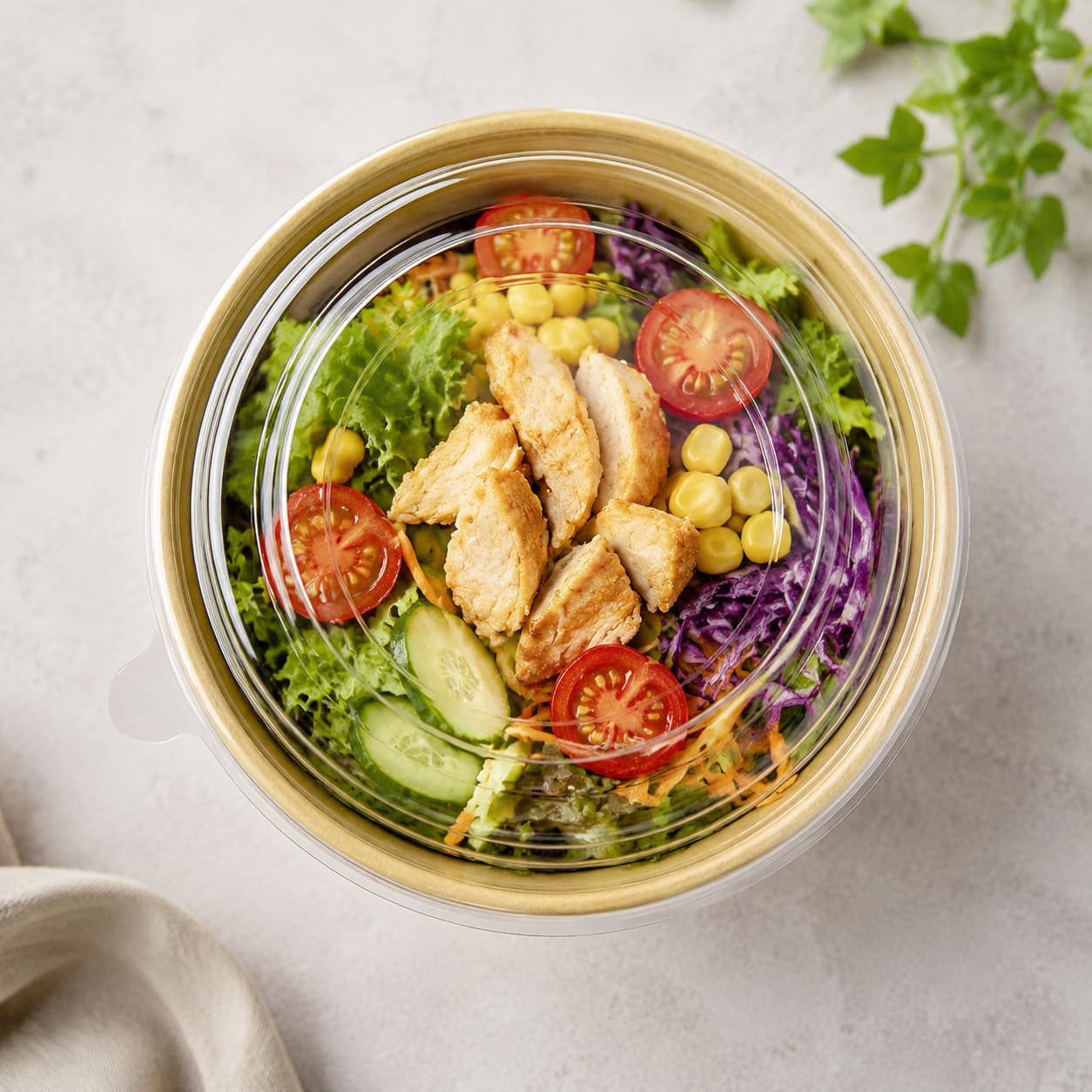
Clear PET salad containers, fruit trays, sushi boxes, and bakery packaging allow retailers to turn shelves into visual displays filled with color, texture, and freshness cues. This creates stronger shelf impact and helps products stand out against competing brands.
The relationship between visibility and freshness perception is especially important. Consumers strongly associate transparency with freshness because they can directly evaluate product condition themselves. Bright vegetables, crisp lettuce, fresh berries, layered sandwiches, and colorful desserts all appear more desirable when visible through clear packaging.
This effect becomes even more powerful under modern retail lighting conditions. Transparent packaging reflects light differently than opaque materials, often creating a cleaner and more premium appearance. Properly designed transparent containers can make food appear brighter, fresher, and more appetizing on shelves or inside refrigerated displays.
Many retailers have discovered that switching from opaque packaging to transparent containers can significantly improve sales performance for ready-to-eat products. In competitive fresh food environments, packaging visibility often becomes one of the strongest tools for attracting consumer attention quickly.
Social Media Has Changed Food Packaging Forever
One of the biggest reasons transparent packaging has become so dominant is the rise of social media-driven food culture.
Modern consumers do not simply buy food anymore. They photograph it, share it, recommend it, and use it as part of their personal lifestyle identity online. Platforms such as Instagram, TikTok, YouTube, and Xiaohongshu have transformed food presentation into a form of digital marketing.
This shift has dramatically increased the commercial value of visually attractive packaging.
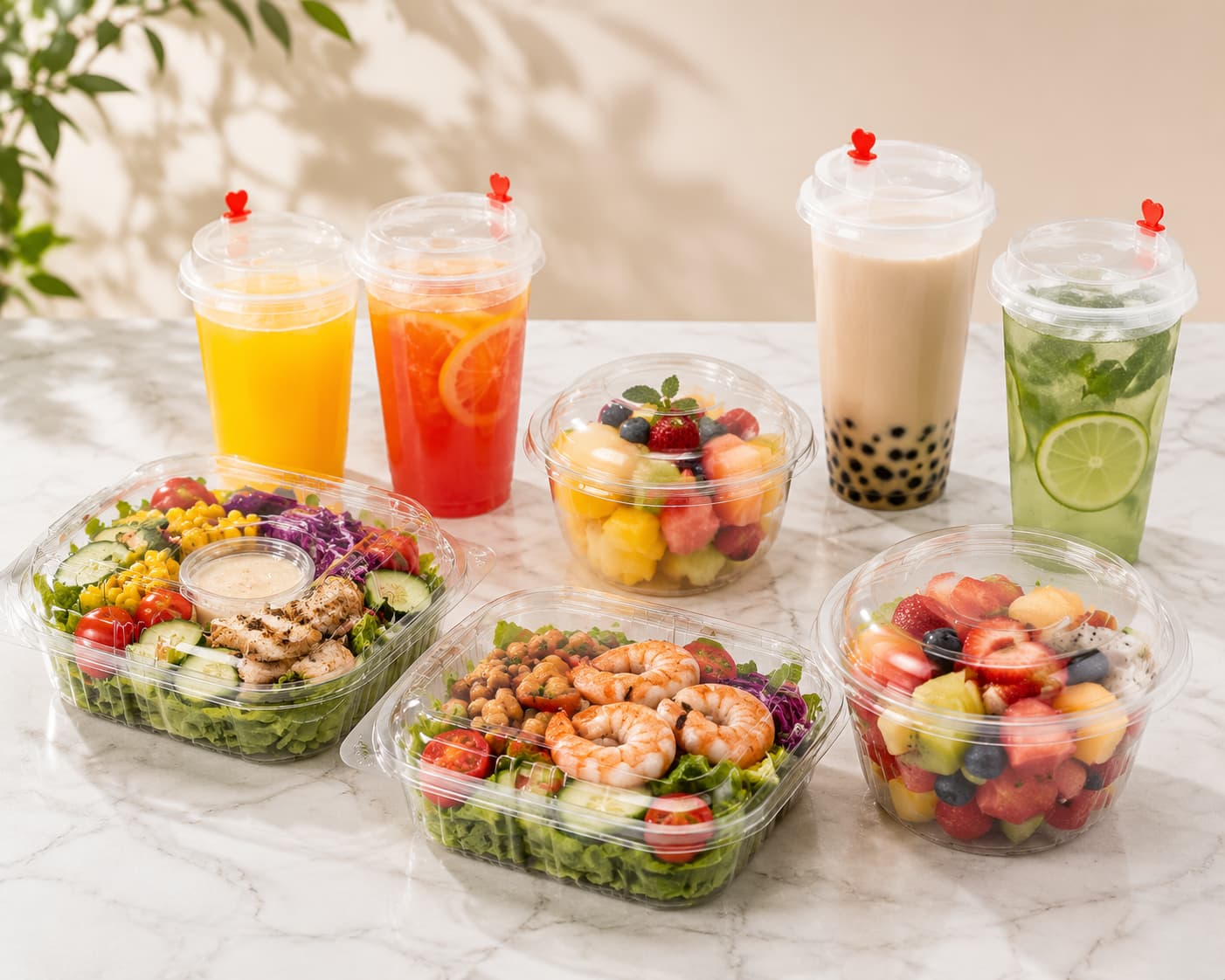
Transparent cups and containers are especially effective in social media environments because they allow beverages and foods to become the visual focus. Bubble tea layers, fruit textures, smoothie colors, dessert toppings, iced coffee gradients, and premium ingredients all become more photogenic inside clear packaging.
This is one reason beverage chains around the world increasingly prioritize high-clarity PET and RPET cups. Consumers are more likely to photograph drinks that look visually attractive. In many cases, the packaging itself becomes free advertising through customer-generated content.
Modern beverage branding therefore depends not only on logos and printing, but also on how the actual product looks inside the packaging.
Transparent packaging enhances this effect because it removes visual barriers between the product and the consumer. The food becomes part of the brand image itself.
For restaurants and beverage chains, this creates significant marketing value. Products that look better online often generate more customer engagement, stronger brand visibility, and increased organic promotion through social sharing.
Why Transparent Packaging Feels More Premium
Interestingly, transparent packaging often creates a stronger premium perception even when manufacturing costs remain relatively similar to opaque alternatives.
One reason is that visibility communicates confidence. Brands willing to fully display their food products appear more open, honest, and quality-focused. Consumers subconsciously associate this openness with higher standards.
Clear packaging also emphasizes product craftsmanship. Premium desserts, carefully arranged salads, fresh-cut fruits, gourmet sandwiches, sushi assortments, and specialty beverages all benefit from presentation visibility. Consumers can appreciate details such as ingredient layering, freshness, texture, and portion quality before purchasing.
This is especially important in premium takeaway and convenience retail sectors where consumers increasingly expect restaurant-quality presentation even in disposable packaging.
Transparent packaging also aligns closely with modern minimalist branding trends. Many contemporary food brands prefer clean, simple visual identities where the product itself becomes the main design feature. Clear packaging supports this approach by reducing visual clutter and highlighting the food naturally.
In high-end beverage markets especially, transparent PET cups have become associated with modern premium branding because they showcase drink colors and textures beautifully while maintaining a clean, polished appearance.
The Role of Material Technology in Transparent Packaging Success
The success of transparent packaging is closely connected to advances in material technology and thermoforming manufacturing processes.
Modern PET and RPET materials provide exceptional optical clarity, smooth surface appearance, lightweight performance, and strong dimensional stability. These characteristics allow manufacturers to create packaging that combines premium appearance with efficient large-scale production.
High-transparency PET containers are especially popular because they offer glass-like visibility while remaining lightweight, durable, shatter-resistant, and cost-efficient for transportation and takeaway use.
Advanced thermoforming technology also allows manufacturers to produce packaging with:
- Smooth rolled rims
- Anti-fog performance
- High stacking efficiency
- Excellent lid compatibility
- Stable dimensions
- Strong sealing performance
- Premium surface gloss
These technical improvements have significantly elevated the visual quality of disposable food packaging over the past decade.
For fresh food businesses, anti-fog technology is especially important because condensation can reduce product visibility inside refrigerated environments. Modern anti-fog PET containers help maintain clear visibility even under cold-chain conditions, allowing food products to remain visually attractive for longer periods.
The combination of transparency, lightweight structure, and modern thermoforming precision has made PET one of the most commercially successful food packaging materials globally.
Transparent Beverage Cups and the Growth of Modern Drink Culture
Few packaging products demonstrate the power of transparency better than modern beverage cups.
Milk tea, smoothies, iced coffee, fruit tea, lemonade, yogurt drinks, and specialty beverages all rely heavily on visual presentation. In many cases, the drink appearance itself becomes part of the customer experience.
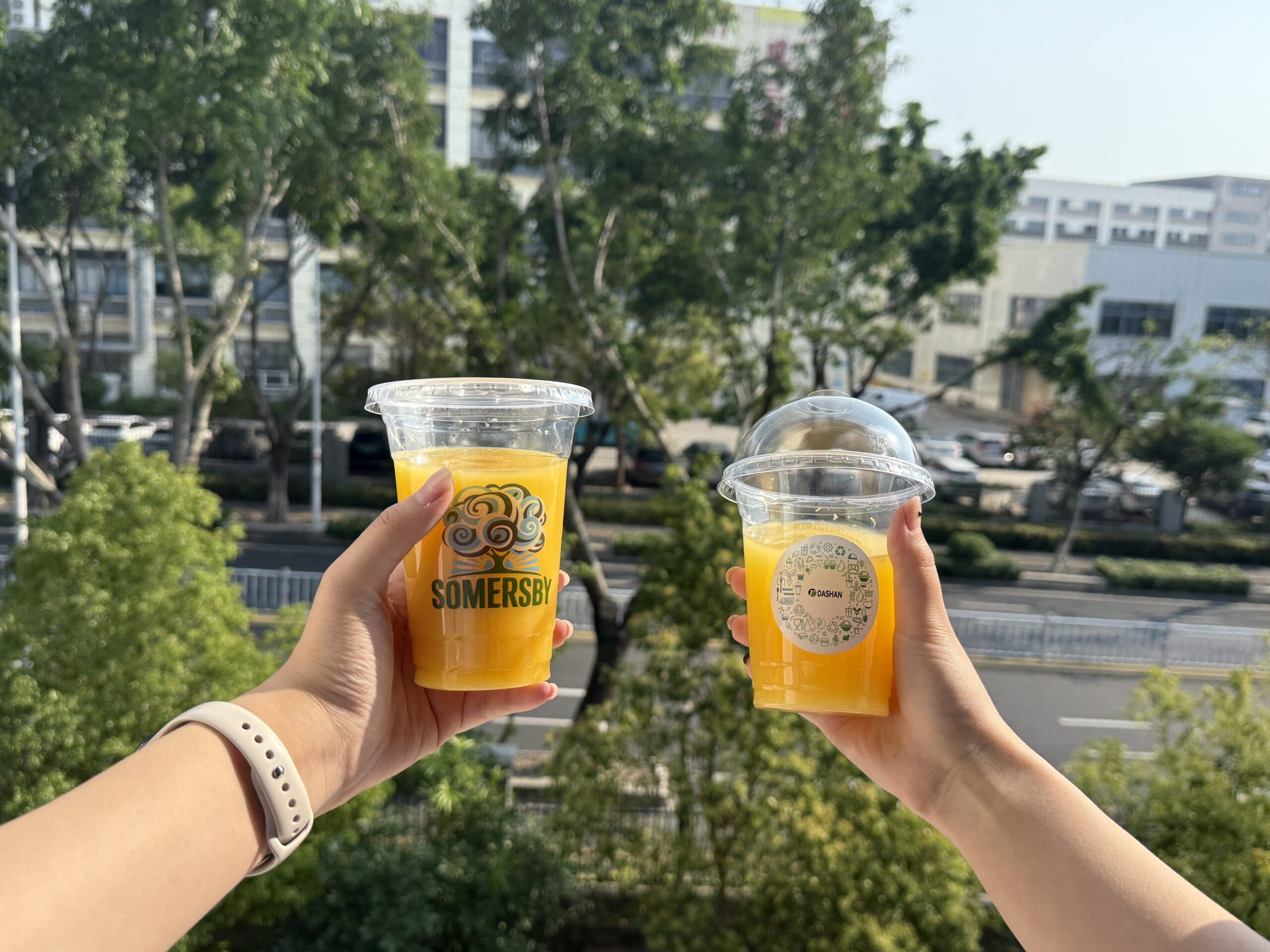
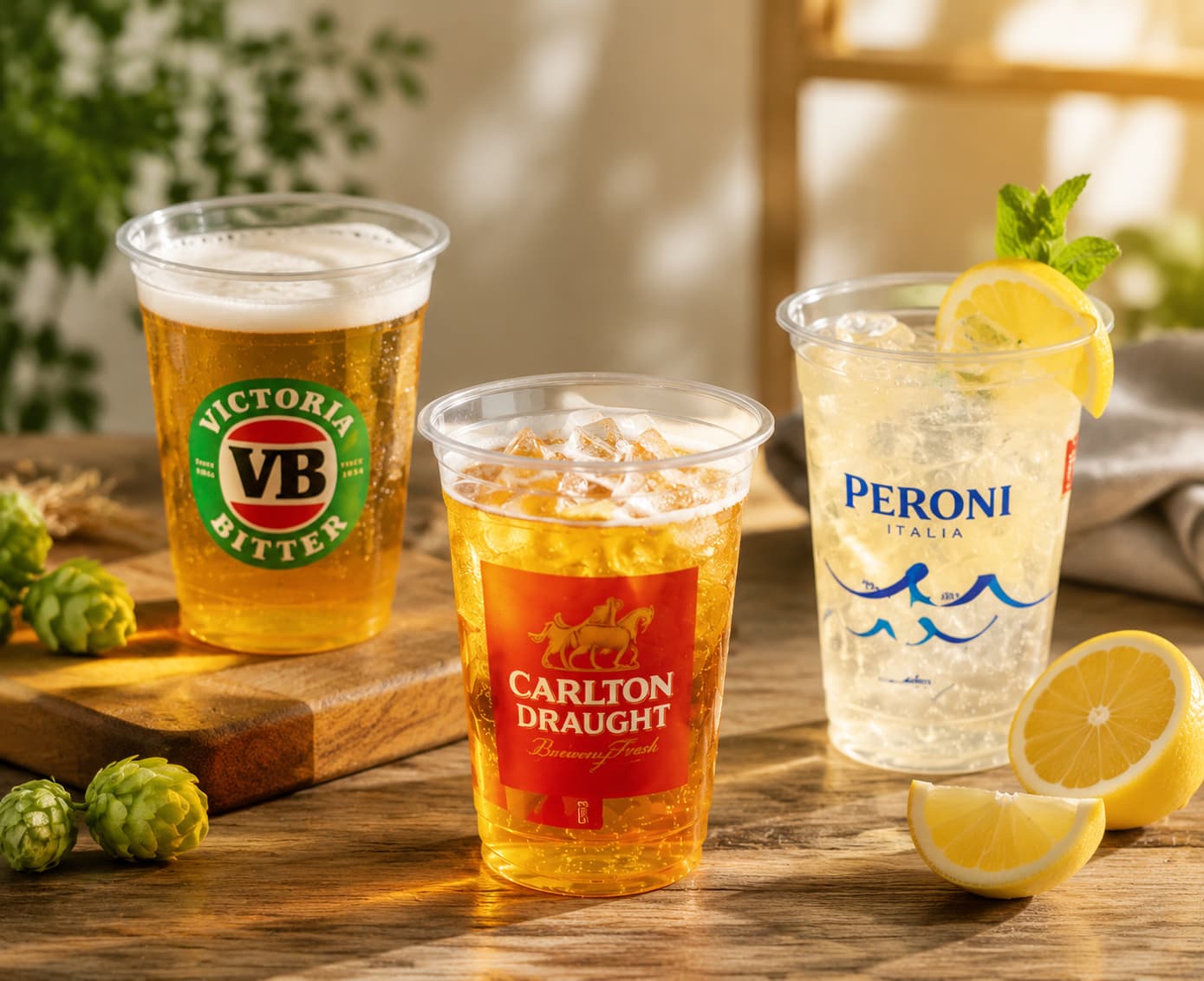
Clear PET and RPET cups allow beverage brands to fully display layered ingredients, fruit textures, ice cubes, cream toppings, syrup gradients, and drink colors. This visual exposure helps drinks appear more refreshing and premium.
Consumers often associate visible beverages with freshness and customization because they can see the actual ingredients directly. This creates stronger emotional engagement compared with opaque cups where the beverage remains hidden.
Transparent beverage cups also work exceptionally well for custom branding and logo printing.
Because the cup remains visually clean and minimal, logos and printed designs often appear more modern and premium compared with heavily colored packaging formats.
For beverage chains, transparent cups also support seasonal product launches and limited-edition marketing campaigns by allowing colorful beverages to become part of the visual promotion strategy.
Sustainability and Transparent Packaging
As sustainability becomes increasingly important in global food packaging, transparent packaging materials are also evolving.
RPET packaging has become one of the fastest-growing segments in sustainable foodservice packaging because it combines recycled content with high transparency and strong performance.
Consumers increasingly prefer packaging solutions that are both visually attractive and environmentally responsible. Brands therefore face pressure to balance shelf appeal with sustainability goals.
Modern RPET materials now allow companies to maintain clear packaging aesthetics while reducing reliance on virgin plastic production. This helps support:
- Carbon reduction goals
- Circular economy systems
- Recycled-content targets
- ESG reporting
- Sustainable brand positioning
Many foodservice companies now promote recycled-content packaging directly on their cups and containers to strengthen environmental branding.
The future of transparent packaging will likely involve increasing use of RPET, improved recyclability systems, and stronger circular packaging infrastructure worldwide.
How DaShan Supports High-Visibility Food Packaging Solutions
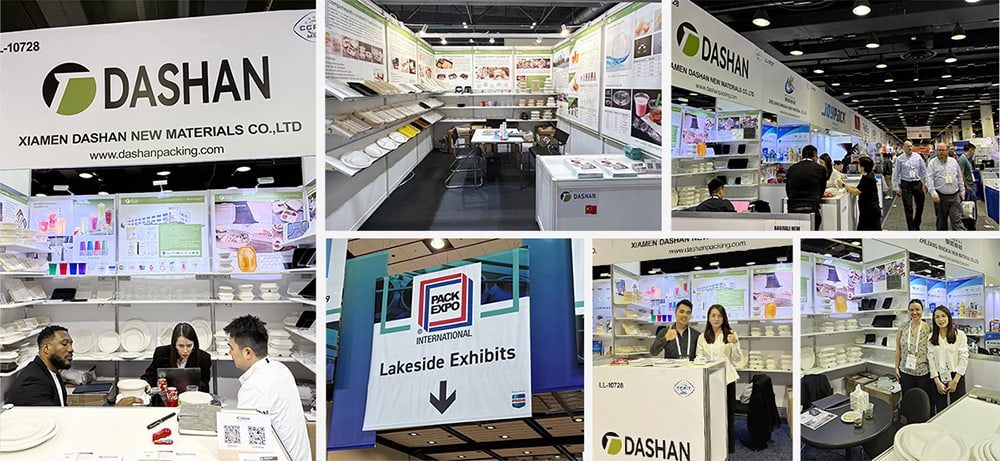
DaShan specializes in high-quality transparent food packaging solutions designed for modern retail, takeaway, beverage, and foodservice markets worldwide.
Our product range includes:
- PET salad containers
- RPET fruit packaging
- Transparent beverage cups
- Bakery clamshells
- Thermoformed food trays
- Clear takeaway containers
- OEM customized packaging solutions
We focus on combining premium transparency, strong structural performance, food safety compliance, and efficient thermoforming technology to help brands improve product presentation and shelf appeal.
DaShan supports customized packaging development for beverage chains, supermarkets, retailers,restaurants, and packaging distributors seeking visually attractive and commercially effective food packaging solutions.
Conclusion
Transparent packaging has become one of the most powerful sales tools in modern food retail and beverage markets because it directly influences consumer psychology, visual trust, freshness perception, and purchasing behavior.
Consumers naturally prefer products they can see. Clear packaging reduces uncertainty, increases confidence, improves shelf visibility, and creates stronger emotional engagement with food products. In fresh food, takeaway, beverage, bakery, and convenience retail sectors, transparency often translates directly into higher perceived quality and stronger commercial performance.
As social media, premium takeaway culture, and sustainability trends continue shaping the future food industry, transparent PET and RPET packaging will likely remain central to modern packaging strategy.
For brands competing in visually driven retail environments, packaging is no longer simply protection. It is presentation, marketing, psychology, and brand identity combined into a single consumer experience.
Frequently Asked Questions (FAQ)
1. Why does transparent packaging increase food sales?
Transparent packaging increases food sales because consumers naturally trust products they can see. Clear packaging allows shoppers to visually evaluate freshness, quality, portion size, colors, and ingredients before purchasing, reducing hesitation and improving confidence.
2. Why do supermarkets prefer transparent food packaging?
Supermarkets prefer transparent packaging because it improves shelf visibility and enhances product presentation. Bright fruits, salads, desserts, sandwiches, and bakery products appear more attractive inside clear containers, helping products stand out in crowded retail displays.
3. What materials are commonly used for transparent food packaging?
The most common transparent food packaging materials include:
- PET
- RPET
- PP
- PLA
Among these, PET and RPET are especially popular because of their excellent clarity, lightweight structure, durability, and cost efficiency.
4. What is the difference between PET and RPET packaging?
PET is made from virgin petrochemical materials, while RPET is manufactured using recycled PET plastic. Both materials can provide excellent transparency and performance, but RPET helps reduce environmental impact by reusing existing plastic resources.
5. Why do beverage brands prefer transparent cups?
Transparent cups allow beverage brands to showcase drink colors, fruit textures, layered ingredients, cream toppings, and ice cubes. This creates stronger visual appeal and improves customer experience, especially for milk tea, smoothies, iced coffee, and fruit drinks.
6. Does transparent packaging affect consumer psychology?
Yes. Transparent packaging strongly influences consumer psychology by creating feelings of trust, freshness, honesty, and cleanliness. Consumers often associate visible food with higher quality and safer products.
7. Why is transparent packaging popular on social media?
Transparent packaging works well on platforms like Instagram and TikTok because it makes foods and beverages look more photogenic. Consumers are more likely to share visually attractive drinks and meals online, helping brands gain free exposure through user-generated content.
8. What is anti-fog transparent packaging?
Anti-fog packaging uses special material treatments that reduce condensation buildup inside containers. This helps maintain product visibility in refrigerated environments, especially for salads, fruits, desserts, and fresh food displays.
9. Is transparent packaging recyclable?
Many transparent packaging materials such as PET and RPET are recyclable when processed through proper recycling systems. Recycling infrastructure may vary depending on local regulations and waste management systems.
10. Why does transparent packaging look more premium?
Transparent packaging often feels more premium because it highlights the actual food product instead of hiding it. Consumers can see ingredient quality, freshness, and presentation directly, creating stronger perceptions of value and quality.
11. What industries commonly use transparent food packaging?
Transparent food packaging is widely used in:
- Beverage chains
- Supermarkets
- Bakeries
- Fruit shops
- Salad brands
- Meal-prep businesses
- Convenience stores
- Takeaway restaurants
- Food delivery services
12. How does DaShan support transparent packaging solutions?
DaShan provides high-quality transparent food packaging solutions including PET cups, RPET containers, salad bowls, fruit packaging, bakery clamshells, and thermoformed food trays designed for modern retail and foodservice markets.
References
- Packaging Strategies – Consumer Packaging Psychology Reports
https://www.packagingstrategies.com - McKinsey & Company – Consumer Packaging Trends Research
https://www.mckinsey.com - NielsenIQ – Packaging and Consumer Buying Behavior Studies
https://nielseniq.com - Smithers – Future of Food Packaging Reports
https://www.smithers.com - PMMI – Packaging Industry Market Research
https://www.pmmi.org - Ellen MacArthur Foundation – Circular Packaging Research
https://www.ellenmacarthurfoundation.org - FDA Food Contact Packaging Regulations
https://www.fda.gov - European Food Packaging Regulations
https://ec.europa.eu - Packaging Europe – Retail Packaging Insights
https://packagingeurope.com - DaShan Packaging Official Website
DaShan Packaging
Copyright Notice
© 2026 DaShan Packaging. All Rights Reserved.
This article, including all written content, technical explanations, packaging analysis, market insights, and visual concepts, is the intellectual property of DaShan Packaging unless otherwise stated. No part of this publication may be copied, reproduced, distributed, modified, republished, or transmitted in any form without prior written permission from DaShan Packaging.
The information provided in this article is intended for educational, informational, and industry reference purposes only. Packaging performance, recycling systems, sustainability standards, and food-contact regulations may vary by region, application, and market conditions.
Readers are encouraged to verify local packaging regulations, recycling policies, and compliance requirements before making procurement or commercial decisions.
For transparent food packaging solutions, OEM customization, product development, or commercial cooperation, please visit: