

Quick Summary
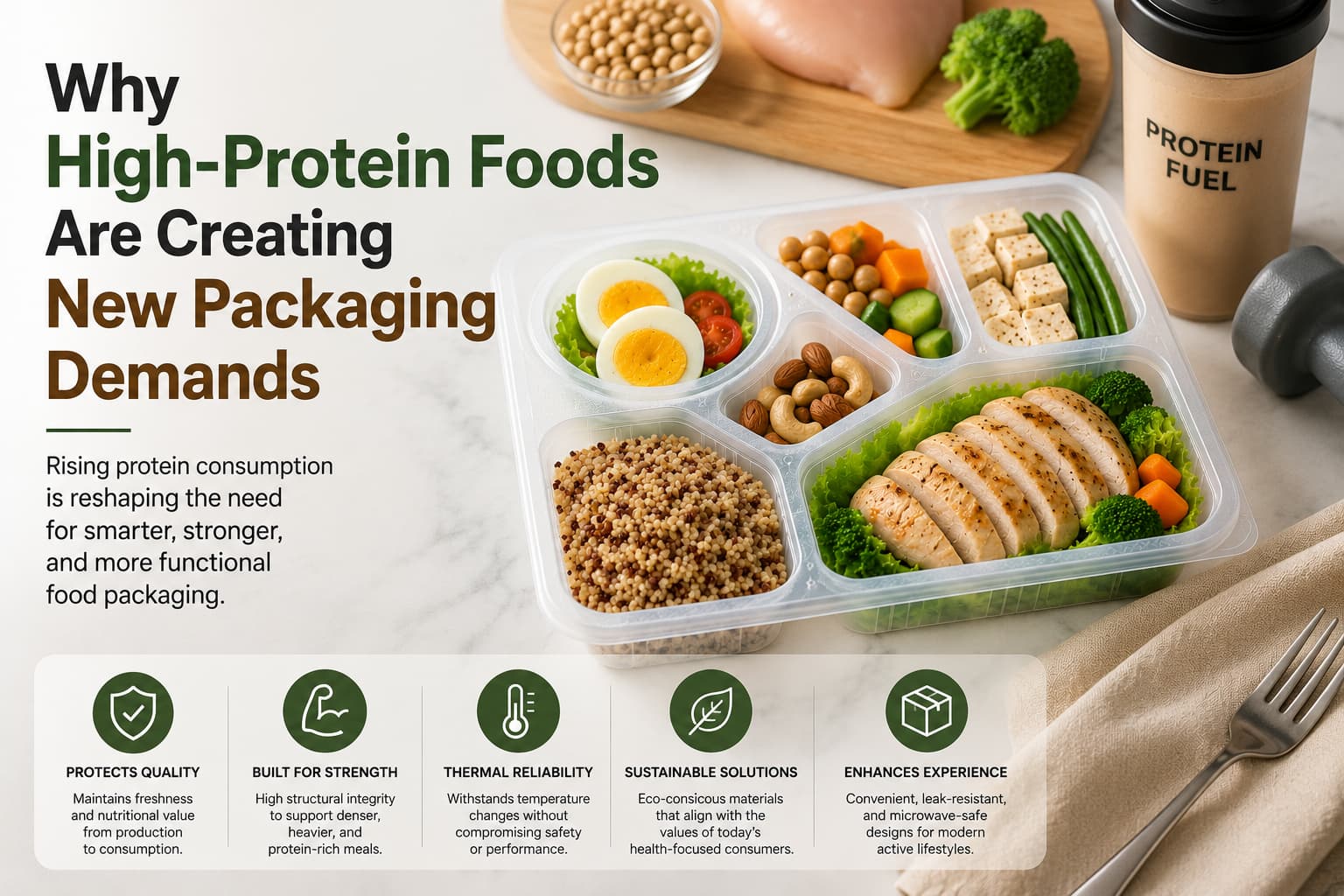
The rapid growth of high-protein foods is creating new packaging requirements across retail, meal prep, convenience store, and food delivery channels. Compared with traditional meals, protein-rich foods are often heavier, more perishable, and more likely to release moisture or oils during storage and transportation. As a result, packaging must provide stronger structural support, better leak resistance, improved food separation, reliable refrigeration performance, and microwave compatibility. As consumers continue prioritizing health, convenience, and nutrition, packaging is becoming a critical factor in maintaining food quality and supporting the success of high-protein food products.
Introduction
High-protein foods are no longer limited to sports nutrition products or specialty fitness diets. Over the past decade, protein has become one of the most important purchasing factors in the global food industry. Consumers are increasingly seeking foods that provide satiety, support active lifestyles, and fit into broader health and wellness goals.
This shift can be seen across supermarkets, convenience stores, meal prep services, food delivery platforms, and quick-service restaurants. Products marketed as high-protein now include ready meals, snack boxes, yogurt products, salads, sandwiches, protein bowls, and frozen meals.
As food products evolve, packaging requirements evolve as well.
High-protein foods often contain larger portions of meat, poultry, seafood, eggs, dairy products, or plant-based protein ingredients. These foods create different challenges compared to traditional carbohydrate-focused meals. They are frequently heavier, more perishable, more sensitive to leakage, and more dependent on refrigeration.
As a result, food brands and packaging manufacturers are increasingly developing packaging solutions specifically designed to meet the needs of protein-rich products.
The Rise of High-Protein Foods Is Reshaping Food Retail
Consumer demand for protein-rich foods continues to grow across multiple markets.
Several factors are driving this trend:
- Greater interest in fitness and active lifestyles
- Increased focus on weight management
- Growing awareness of satiety and nutritional value
- Demand for convenient but nutritious meals
- Aging populations seeking higher protein intake
What was once a niche category has become a mainstream food segment.
Today, high-protein products can be found in:
- Convenience store meal sections
- Grab-and-go retail displays
- Meal prep subscription services
- Supermarket ready-meal aisles
- Food delivery menus
Unlike traditional ready meals that often emphasize carbohydrates, many modern meal solutions place protein at the center of the product offering.
This change is influencing not only food formulation but also packaging design.
High-Protein Foods Require Better Freshness Protection
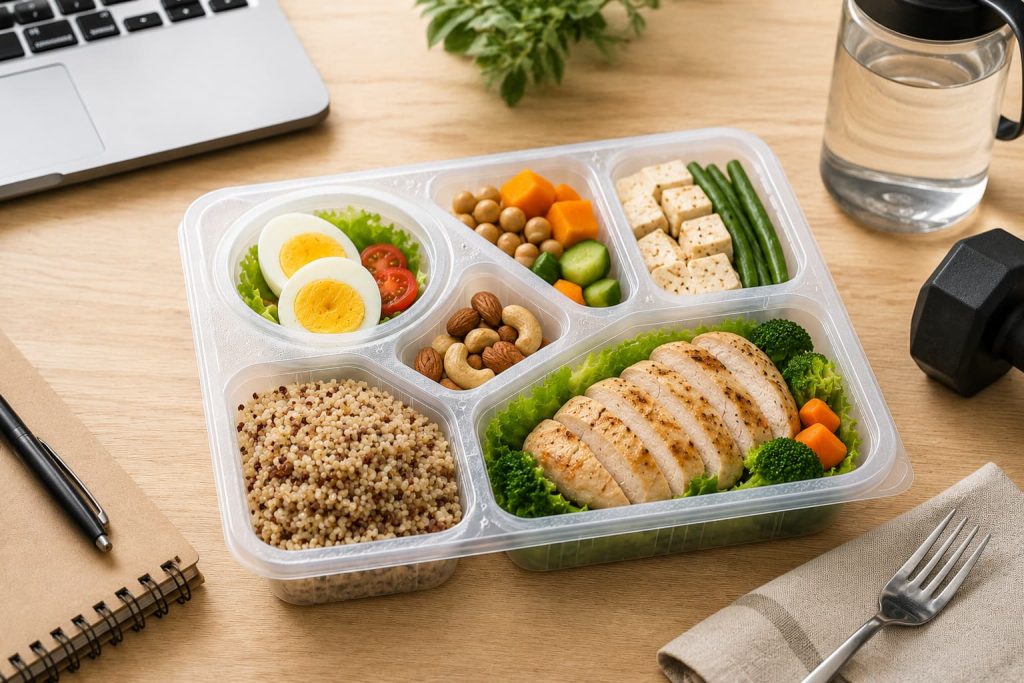
One of the most significant packaging challenges associated with high-protein foods is perishability.
Common protein sources include:
- Chicken
- Beef
- Pork
- Seafood
- Eggs
- Dairy products
- Plant-based protein alternatives
Many of these ingredients are more sensitive to temperature fluctuations than dry foods or carbohydrate-heavy products.
For food manufacturers and retailers, maintaining freshness is essential for both food safety and product quality.
Packaging helps protect products by:
- Reducing contamination risks
- Supporting refrigerated distribution
- Protecting against moisture loss
- Preserving appearance and texture
Consumers purchasing a protein meal expect freshness and quality. Packaging failures can quickly lead to negative perceptions, food waste, and reduced consumer confidence.
As protein-focused products continue growing, freshness protection has become a central packaging requirement.
Heavier Meals Demand Stronger Packaging Structures
High-protein meals are often physically heavier than traditional prepared foods.
A meal containing grilled chicken, steak, salmon, or multiple protein portions places more stress on a container than a simple pasta or rice dish.
This increased weight creates additional demands on packaging performance.
| Packaging Challenge | Packaging Requirement |
|---|---|
| Heavier food portions | Stronger base structure |
| Increased transportation stress | Reinforced sidewalls |
| Higher stacking loads | Better compression resistance |
| Delivery handling | Improved shape retention |
Containers used for protein-rich meals must withstand:
- Shelf storage
- Transportation
- Delivery movement
- Consumer handling
Weak packaging can deform under load, negatively affecting both presentation and functionality.
For this reason, many food brands are selecting more structurally robust containers for protein-focused products.
Moisture and Oil Management Are Becoming More Important
Many protein foods naturally release liquids during storage and transportation.
Examples include:
- Grilled chicken
- Roasted meats
- Marinated proteins
- Seafood dishes
- Prepared egg products
These liquids may contain oils, juices, marinades, or cooking residues.
Without proper packaging design, these substances can:
- Leak during transportation
- Affect food presentation
- Mix with other meal components
- Create unpleasant consumer experiences
Leakage is particularly problematic in food delivery and grab-and-go applications.
To address these issues, packaging increasingly incorporates:
- Secure-fitting lids
- Reinforced rim structures
- Precision sealing systems
- Leak-resistant container designs
For protein meals, leak prevention is no longer simply a convenience feature—it has become a fundamental quality requirement.
Multi-Component Meals Require Better Food Separation
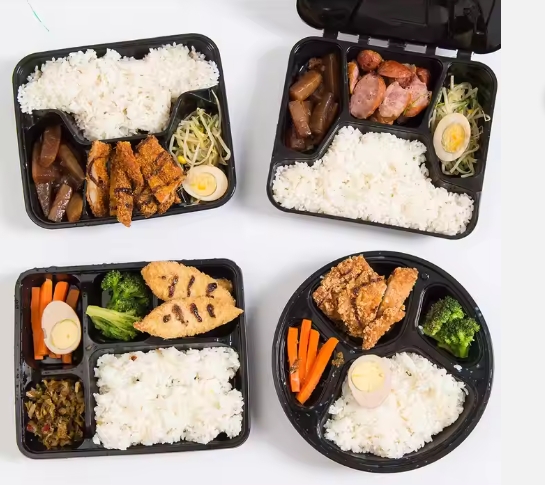
Many modern high-protein meals contain multiple food components.
A typical meal may include:
- Chicken or beef
- Vegetables
- Rice or grains
- Sauces
- Side dishes
Each component contributes differently to texture, moisture content, and flavor.
If foods mix during transportation, meal quality can decline significantly.
For example:
- Sauces may make vegetables soggy
- Meat juices may affect grain texture
- Presentation may be compromised
This is why multi-compartment packaging is becoming increasingly common in protein-focused food products.
| Meal Category | Preferred Packaging Style |
|---|---|
| Fitness meals | Multi-compartment trays |
| Protein bowls | Divided containers |
| Meal prep products | Portion-controlled trays |
| Ready meals | Structured meal packaging |
Food separation not only protects quality but also supports portion control, an important feature for many health-conscious consumers.
Microwave Compatibility Has Become Essential
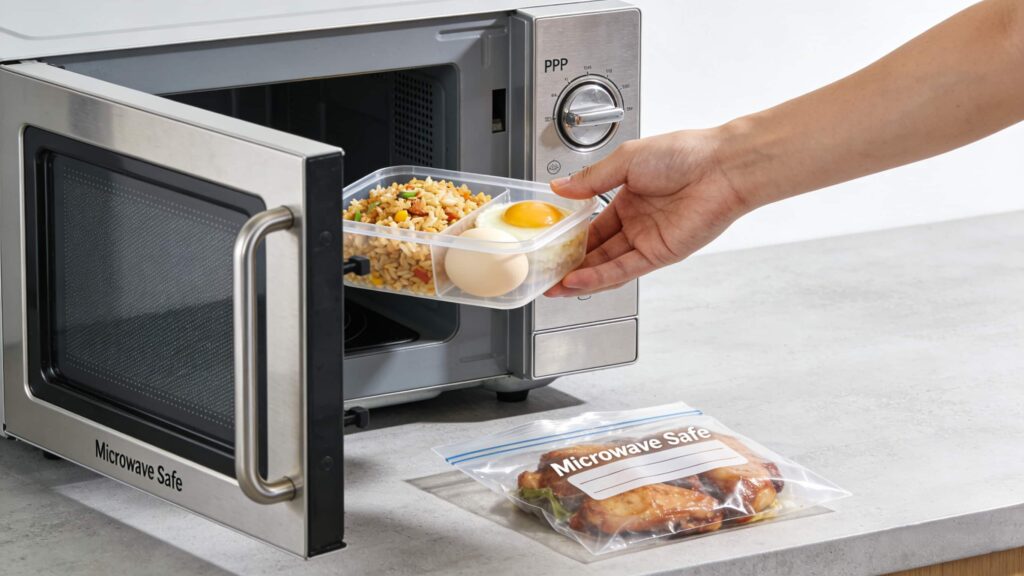
Convenience remains a major reason consumers purchase prepared meals.
Most high-protein ready meals are designed to be reheated before consumption.
This makes microwave compatibility an important packaging requirement.
Packaging used for reheatable protein meals must:
- Maintain structural integrity during heating
- Resist warping
- Preserve sealing performance
- Support safe food contact at elevated temperatures
PP (polypropylene) has become one of the most widely used materials in this category because it offers:
- Good heat resistance
- Microwave compatibility
- Strong durability
- Cost-effective performance
As more consumers seek convenient, protein-rich meals, microwave-safe packaging continues to play an increasingly important role.
Grab-and-Go Protein Products Need Greater Convenience
The growth of grab-and-go food culture has expanded the market for portable protein products.
Consumers increasingly purchase:
- Protein snack packs
- Ready-to-eat chicken meals
- Protein salads
- Fitness meal boxes
- High-protein breakfast options
These products are often consumed:
- At work
- After exercise
- During travel
- Between meetings
- On commutes
Packaging must therefore balance protection and convenience.
Consumers expect containers that are:
- Easy to carry
- Easy to open
- Compact
- Durable
- Suitable for immediate consumption
A product may contain excellent ingredients, but poor packaging can still negatively affect the overall experience.
Sustainability Expectations Continue Growing
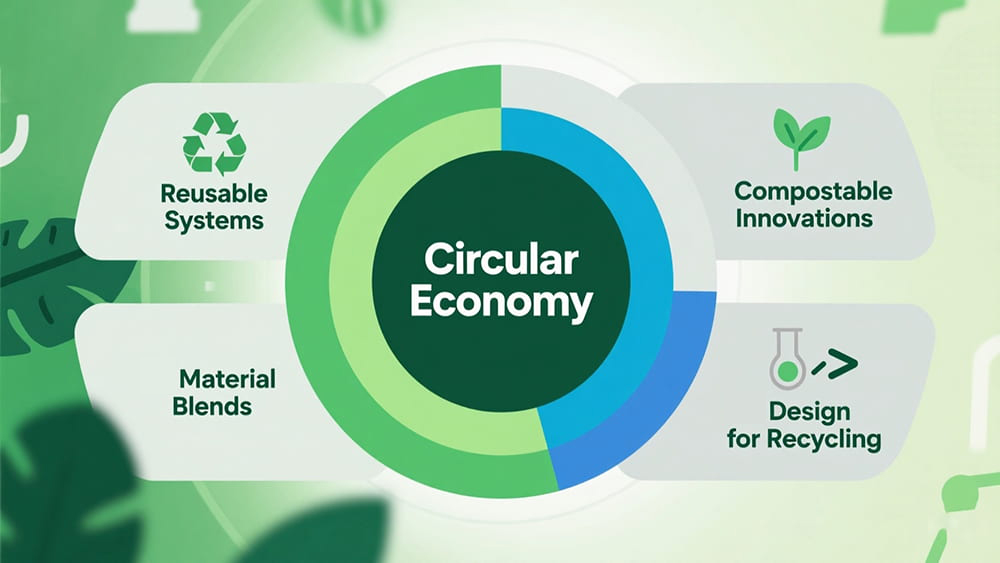
Consumers interested in health and nutrition often pay close attention to environmental issues as well.
This creates additional pressure on food brands to improve packaging sustainability.
Packaging manufacturers are increasingly developing solutions that focus on:
- Recyclability
- Material efficiency
- Reduced packaging weight
- Improved resource utilization
At the same time, packaging must continue delivering the performance required for high-protein foods.
Balancing sustainability with food protection remains one of the industry’s most important challenges.
The most successful packaging solutions are those that maintain product quality while supporting broader environmental goals.
Packaging Is Becoming Part of the Product Strategy
As competition in the high-protein food market increases, packaging is playing a larger strategic role.
Food brands are increasingly evaluating packaging based on:
- Freshness protection
- Leak resistance
- Structural strength
- Consumer convenience
- Microwave performance
- Shelf presentation
Packaging is no longer viewed simply as a container. It has become an important tool for protecting product quality and enhancing the customer experience.
Manufacturers such as DASHAN are responding to these market changes by developing PP meal prep containers, multi-compartment trays, microwave-safe packaging, and leak-resistant solutions that meet the growing demands of protein-focused food products.
FAQ
1. Why do high-protein foods require different packaging than traditional meals?
High-protein foods often contain meat, seafood, eggs, dairy products, or plant-based proteins that are heavier and more perishable than carbohydrate-focused foods. These characteristics create greater demands for food protection, structural strength, and freshness preservation.
2. Why is leak resistance important for high-protein meals?
Protein-rich foods such as grilled chicken, beef, seafood, and marinated products can release juices, oils, and moisture during storage and transportation. Leak-resistant packaging helps maintain food quality and prevents spills during delivery or retail handling.
3. Why are multi-compartment containers commonly used for high-protein meals?
Many high-protein meals combine proteins, vegetables, grains, and sauces. Multi-compartment packaging helps keep ingredients separated, maintain texture, improve presentation, and support portion control.
4. What packaging material is commonly used for high-protein ready meals?
PP (polypropylene) is widely used because it offers excellent heat resistance, microwave compatibility, durability, and suitability for refrigerated and prepared food applications.
5. Why is structural strength more important for protein meals?
Protein meals often weigh more than traditional ready meals. Packaging must withstand stacking, transportation, delivery movement, and handling without deforming or compromising food presentation.
6. How does packaging help maintain freshness in high-protein foods?
Packaging protects products from contamination, moisture loss, and external environmental factors while supporting refrigerated distribution and helping preserve food quality throughout the supply chain.
Conclusion
The rapid growth of high-protein foods is creating new challenges and opportunities throughout the food packaging industry.
Compared with traditional prepared meals, protein-rich products often require stronger structures, better freshness protection, improved leakage control, enhanced food separation, and reliable microwave compatibility.
As consumers continue prioritizing nutrition, convenience, and quality, packaging will play an increasingly important role in ensuring that high-protein foods reach customers in optimal condition.
For food brands, retailers, and packaging suppliers, understanding these evolving requirements is becoming essential for long-term success. The future of high-protein foods will depend not only on what is inside the package, but also on how effectively the package protects and delivers the product experience consumers expect.
References
Food Safety & Food Packaging Authorities
- U.S. FDA – Food Packaging & Other Substances that Come into Contact with Food
- U.S. FDA – Food Ingredients & Packaging
- European Food Safety Authority (EFSA) – Food Contact Materials
High-Protein Food Market & Consumer Trends
- International Food Information Council (IFIC) – Food & Health Survey
- McKinsey – The Future of Wellness Survey Insights
- Innova Market Insights – Top Food and Beverage Trends
Packaging & Ready Meal Research
- ScienceDirect – Food Packaging Materials and Technologies
- ScienceDirect – Packaging and the Shelf Life of Food Products
- MDPI Foods – Advances in Food Packaging Technologies and Shelf-Life Extension
Copyright Statement
© 2026 Dashan Packing. All rights reserved.
This article is an original publication by the Dashan Packing team based on industry research, market analysis, and packaging expertise. Unauthorized reproduction, distribution, or copying of this content is prohibited without prior written permission.
Dashan Packing is committed to delivering reliable, original, and professional information for the global food packaging industry.