

Quick Summary:
Germany has emerged as a global leader in sustainable packaging adoption. Among eco-friendly options, sugarcane-based food packaging—also known as bagasse—is increasingly preferred due to its environmental benefits, durability, versatility, and alignment with stringent European regulations. This article explores the reasons behind this trend, market data, scientific studies, real-world examples, and frequently asked questions, providing a comprehensive understanding of Germany’s embrace of sugarcane-based packaging.
Introduction
Germany has long been a pioneer in environmental sustainability and waste reduction. With consumer awareness, stringent government policies, and corporate responsibility converging, the packaging industry has seen a significant shift toward renewable, biodegradable materials. Among these, sugarcane-derived bagasse has gained notable popularity.
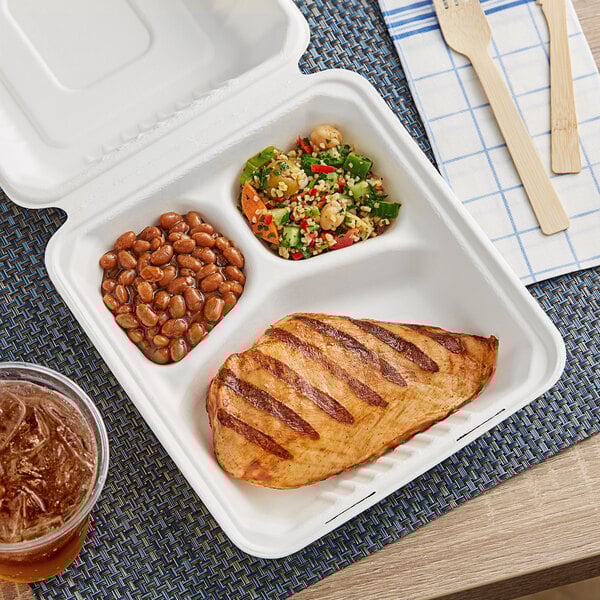
Sugarcane packaging is produced from the fibrous residue left after extracting juice from sugarcane stalks. Unlike conventional plastics, it is compostable, renewable, and versatile, making it an appealing choice for restaurants, food delivery services, and retail food packaging.
The Rise of Sugarcane Packaging in Germany
Germany’s preference for bagasse packaging is driven by several factors:
Environmental Concerns
Germany’s population is highly environmentally conscious. According to a survey by Statista (2023), 82% of German consumers are willing to pay more for sustainable packaging, and 75% prioritize biodegradable materials when purchasing food products. Bagasse packaging aligns perfectly with these values.
Legal and Regulatory Framework
Germany implements strict packaging and waste management laws:
-
Packaging Act (VerpackG, 2019): Requires companies to ensure packaging is recyclable or compostable.
-
EU Single-Use Plastics Directive (2019): Encourages reduction of disposable plastics, favoring renewable alternatives like bagasse.
Compliance with these regulations has pushed manufacturers and retailers toward sugarcane packaging.
Consumer Preferences and Cultural Trends
German consumers appreciate products that reflect responsibility and sustainability. Sugarcane packaging is often associated with:
-
Eco-friendliness: The material is biodegradable and compostable.
-
Premium perception: Many organic and high-end food brands use bagasse packaging.
-
Local environmental impact awareness: Reducing plastics helps minimize landfill waste and marine pollution.
Properties of Sugarcane Packaging
Bagasse packaging has several unique properties that make it appealing in Germany:
| Property | Description |
|---|---|
| Compostable | Fully decomposes within 60–90 days in industrial composting facilities. |
| Renewable Source | Made from leftover sugarcane fibers, a by-product of sugar production. |
| Durable and Heat Resistant | Can hold hot and cold foods up to 100°C without deformation. |
| Moisture and Oil Resistant | Naturally resistant to liquids, grease, and oils without the need for chemical coatings. |
| Microwave & Freezer Safe | Can be used safely in microwaves and freezers, expanding usability for food delivery. |
These properties address practical concerns for consumers and foodservice providers alike.
Market Trends and Data
Germany’s adoption of sugarcane packaging is growing rapidly. According to European Bioplastics (2024), Europe’s bagasse packaging market has grown by 12% annually over the last five years, with Germany representing nearly 35% of total European demand.
Table 1: Bagasse Packaging Market in Germany (2021–2024)
| Year | Market Size (Million Euros) | Annual Growth Rate (%) | Key Segments |
|---|---|---|---|
| 2021 | 150 | — | Food containers, plates |
| 2022 | 170 | 13.3 | Takeaway boxes, bowls |
| 2023 | 190 | 11.8 | Catering, fast food packaging |
| 2024 | 215 | 13.2 | Retail and e-commerce |
Table 2: Common Applications of Bagasse Packaging in Germany
| Application | Percentage of Use (%) |
|---|---|
| Food delivery boxes | 40 |
| Disposable plates and bowls | 25 |
| Salad and fruit containers | 15 |
| Catering services | 10 |
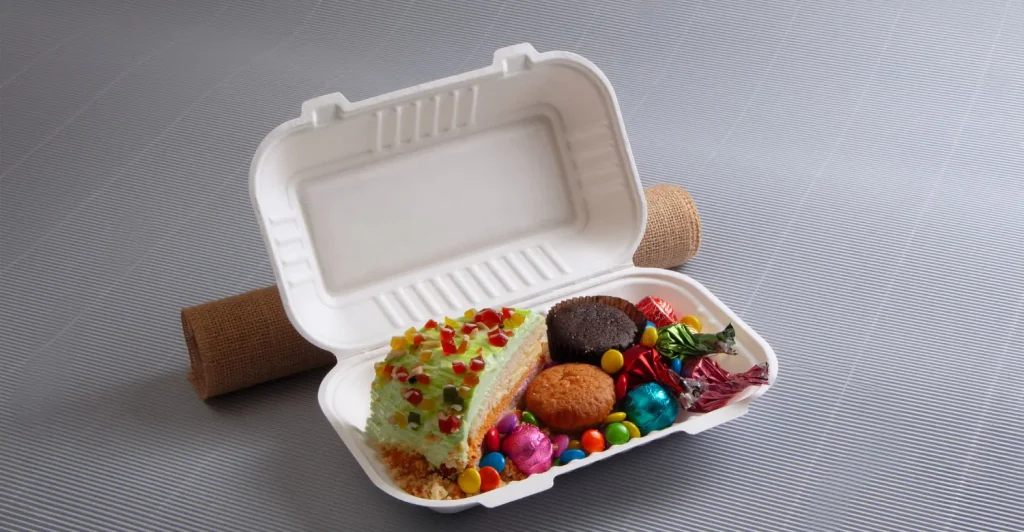
| Bakery and confectionery | 10 |
Advantages of Sugarcane Packaging
-
Eco-Friendly and Biodegradable
Bagasse is compostable and significantly reduces plastic waste. It decomposes naturally, unlike polystyrene or PET containers. -
Compliance with European Regulations
By using bagasse, companies meet Packaging Act and EU directives without additional recycling infrastructure. -
Versatility in Applications
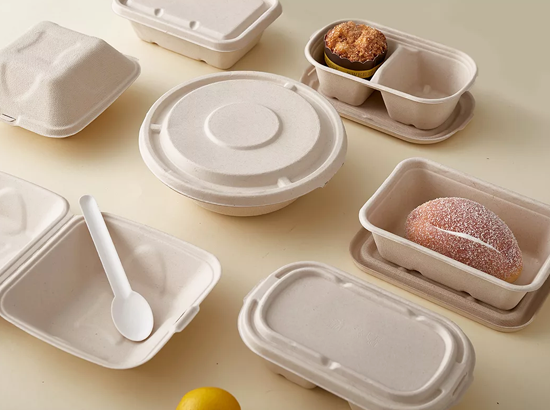
Bagasse can be molded into plates, bowls, cups, trays, and clamshell boxes, making it suitable for multiple foodservice needs. -
Consumer Trust and Brand Image
Packaging influences brand perception. Eco-friendly materials foster customer loyalty, especially among environmentally conscious German consumers. -
Cost Competitiveness
While slightly more expensive than some plastics, the growing scale of production is reducing costs. Studies show a 5–10% higher price per unit, which many consumers accept for sustainability.
Challenges and Considerations
While popular, sugarcane packaging has challenges:
-
Moisture Limitation: Extended contact with liquid can soften the material over time.
-
Industrial Composting Needed: Full biodegradation requires appropriate facilities.
-
Production Constraints: Availability depends on sugarcane cultivation, which can fluctuate due to climate or geopolitical factors.
Comparative Analysis: Bagasse vs Plastic Packaging
| Feature | Bagasse | Traditional Plastic |
|---|---|---|
| Biodegradability | 100% (industrial compost) | 0% |
| Heat Resistance | Up to 100°C | Varies (PP can go up to 120°C) |
| Oil & Moisture Resistance | Naturally resistant | Often requires coating |
| Environmental Impact | Low | High |
| Consumer Perception | Positive | Neutral/Negative |
Real-World Examples in Germany
-
HelloFresh: Uses bagasse clamshells for meal kit packaging.
-
Vapiano: German chain uses bagasse plates for takeout.
-
REWE and Edeka: Major retailers sell ready-to-eat meals in sugarcane containers.
These cases highlight the growing commercial adoption.
Frequently Asked Questions (FAQ)
Q1: Is sugarcane packaging safe for hot foods?
A1: Yes, most bagasse packaging can safely hold foods up to 100°C without deformation.
Q2: Can sugarcane packaging be recycled?
A2: Bagasse is biodegradable and compostable rather than recyclable in standard plastic recycling streams.
Q3: How long does it take for sugarcane packaging to decompose?
A3: Typically, 60–90 days in industrial composting facilities.
Q4: Can sugarcane packaging be used in microwaves?
A4: Yes, it is microwave safe and can also be used in freezers.
Q5: How is sugarcane packaging produced?
A5: It is molded from the fibrous residue left after extracting sugarcane juice, without harmful chemicals.
Q6: Is sugarcane packaging more expensive than plastic?
A6: It is slightly higher in cost (5–10%) but is increasingly adopted due to consumer preference for sustainable materials.
Q7: Does Germany have sufficient composting facilities?
A7: Germany has over 600 industrial composting plants, capable of processing biodegradable food packaging at scale.
Q8: Are there certifications for sugarcane packaging?
A8: Yes, certifications like DIN EN 13432 and OK compost INDUSTRIAL ensure compliance with compostability standards.
Summary
Germany’s preference for sugarcane-based food packaging is driven by environmental awareness, legal requirements, and consumer expectations. The material offers an optimal balance of sustainability, functionality, and brand appeal. While challenges remain, continued investment in industrial composting infrastructure and growing consumer demand ensures that bagasse packaging will remain a prominent choice in Germany’s food packaging industry.
References
-
Statista. Sustainability in German Consumer Behavior. 2023. https://www.statista.com
-
European Bioplastics. Market Data: Biodegradable Packaging in Europe. 2024. https://www.european-bioplastics.org
-
German Federal Ministry for the Environment. Packaging Act (VerpackG). 2019. https://www.bmu.de
-
EU Commission. Single-Use Plastics Directive. 2019. https://ec.europa.eu
-
HelloFresh Sustainability Report 2023. https://www.hellofreshgroup.com
Copyright Statement
© 2026 Dashan Packing. All rights reserved.
This article is an original work created by the Dashan Packing editorial team.
All text, data, and images are the result of our independent research, industry experience,
and product development insights. Reproduction or redistribution of any part of this content
without written permission is strictly prohibited.
Dashan Packing is committed to providing accurate, evidence-based information and
to upholding transparency, originality, and compliance with global intellectual property standards.