

Quick Summary
FDA regulation 21 CFR 177.1630 defines the legal standards for polyethylene terephthalate (PET) materials used in food contact applications. For businesses importing PET cups, fruit trays, bakery boxes, and other food containers into the U.S., adherence to this regulation is critical. Compliance ensures that no harmful substances migrate into food, protecting consumers while avoiding customs delays, fines, and potential product recalls. This article explores the regulatory background, the importance of compliance, practical testing requirements, and how DaShan ensures PET food packaging meets these standards, providing peace of mind for businesses operating in the U.S. market.
Explore our FDA-compliant PET packaging products: [DaShan PET Food Packaging]
Regulatory Background and Legal Significance
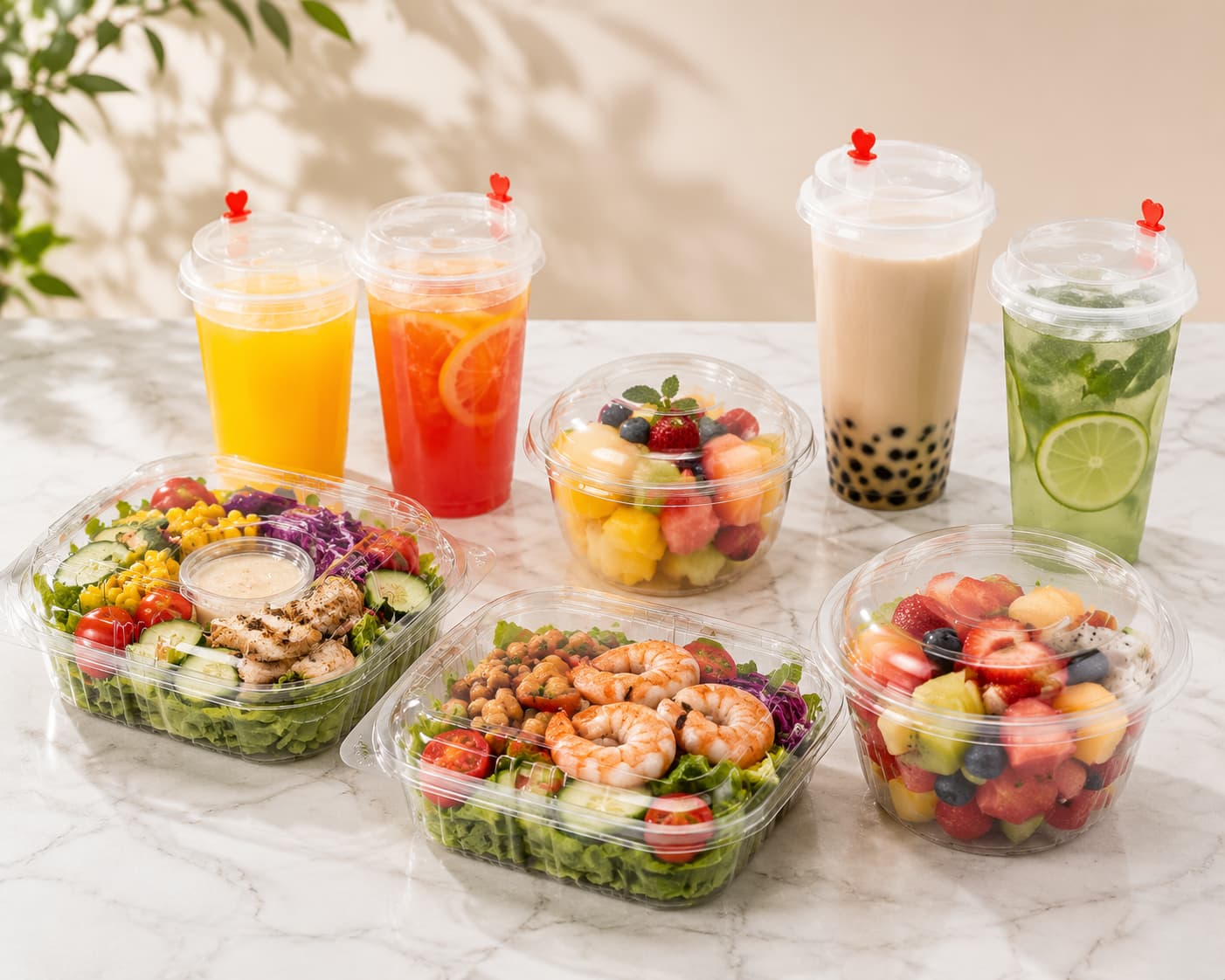
FDA 21 CFR 177.1630 establishes the composition and safety requirements for PET used in food contact applications. PET has become one of the most popular materials for beverage cups, fruit and vegetable trays, and bakery packaging due to its transparency, durability, and recyclability. However, the material must meet strict FDA limits for chemical migration, ensuring that substances from the PET do not contaminate food.
For importers, understanding this regulation is crucial. The law covers permissible additives, colorants, and stabilizers, as well as testing methods to verify safety under normal use conditions. Non-compliance can lead to customs rejection, shipment delays, fines, or even legal liability in case of consumer harm. By aligning with 21 CFR 177.1630, businesses demonstrate a commitment to food safety and consumer protection, which is essential in maintaining brand reputation and operational efficiency in the highly regulated U.S. market.
Importance of Compliance for Businesses
Compliance with FDA 21 CFR 177.1630 is more than a regulatory requirement; it is a strategic business decision. PET packaging that meets these standards protects brands in multiple ways:
- Consumer Safety: Ensures that no harmful chemicals leach into food or beverages.
- Brand Trust: Consumers increasingly demand safe, sustainable packaging, and adherence to FDA standards signals quality and reliability.
- Customs Clearance: Proper documentation, such as Certificates of Analysis (COA) and compliance statements, facilitates smooth import operations and reduces the risk of border delays.
- Financial Risk Mitigation: Prevents fines, product recalls, and damage to brand reputation that can result from non-compliant packaging.
Brands relying on PET cups, fruit trays, and bakery boxes must document compliance thoroughly. Working with trusted suppliers like DaShan ensures materials, testing, and documentation meet U.S. regulatory requirements.
Practical Applications of PET Packaging under 21 CFR 177.1630
FDA 21 CFR 177.1630 compliance affects every segment of PET food packaging. Examples include:
- Beverage Cups: PET cups for cold drinks, smoothies, and bubble tea must pass migration testing to confirm safety.
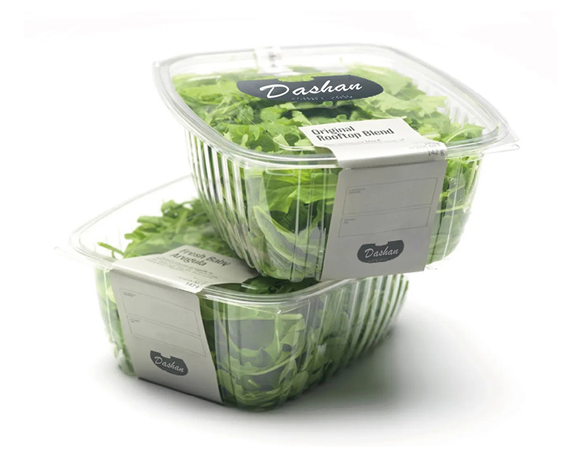
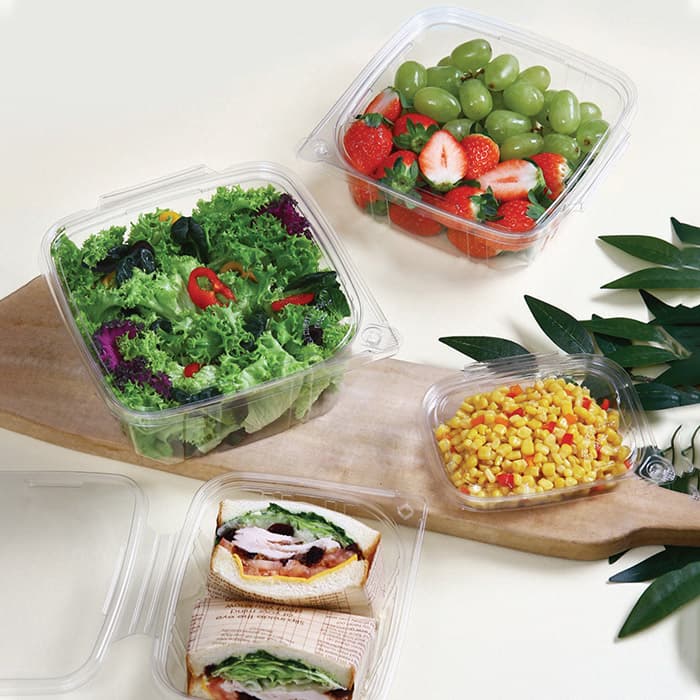
- Fruit and Vegetable Trays: Packaging must preserve freshness while remaining food-safe.
- Bakery and Snack Boxes: Containers must withstand temperature variations during storage and transport without releasing contaminants.
Suppliers must ensure that each batch of PET packaging is tested against FDA migration standards and accompanied by COAs for import verification. This allows businesses to confidently market products as FDA-compliant and consumer-safe, creating a competitive edge in the U.S. market.
Our product highlight: [DaShan PET Cups and Trays ]

Material Selection, Testing, and Certification Requirements
To meet FDA standards, PET materials must undergo rigorous testing:
- Migration Testing: Ensures no harmful substances transfer from the PET to food under different conditions, including temperature, acidity, and storage duration.
- Extraction Testing: Confirms that additives, stabilizers, or colorants remain within legal limits.
- Documentation: Certificates of Analysis (COA), batch traceability, and supplier declarations are required for customs inspection.
DaShan works with FDA-compliant PET suppliers, conducts internal quality verification, and provides complete documentation to facilitate U.S. import compliance. Companies importing PET cups, trays, or boxes can rely on DaShan for both high-quality products and regulatory support.
Steps for Businesses to Ensure Compliance
Businesses can take the following steps to remain compliant:
- Source FDA-Compliant PET: Choose PET that meets all chemical and additive regulations.
- Test Products: Conduct extraction and migration tests, preferably through certified laboratories.
- Maintain Documentation: Keep COAs, material declarations, and batch records ready for inspection.
- Work with Experienced Suppliers: Partners like DaShan provide pre-tested, compliant PET packaging, reducing the burden of independent verification.
- Regular Monitoring: Continuous testing and verification maintain compliance across all batches.
Following these steps reduces risks, ensures consumer safety, and streamlines customs clearance for imports.
Conclusion
FDA 21 CFR 177.1630 is critical for businesses importing PET food packaging into the United States. Compliance safeguards consumer health, brand reputation, and legal responsibilities, while facilitating smooth customs clearance. By working with trusted partners like DaShan, companies can access FDA-compliant PET cups, trays, and bakery boxes, backed by testing, documentation, and R&D support. This ensures products not only meet legal requirements but also enhance brand credibility and consumer trust.
Contact DaShan to explore FDA-compliant PET packaging solutions
Frequently Asked Questions (FAQ)
1. What is FDA 21 CFR 177.1630?
FDA 21 CFR 177.1630 is a U.S. federal regulation that sets the legal standards for polyethylene terephthalate (PET) used in food contact applications. It ensures that PET materials, including cups, fruit trays, and bakery boxes, do not release harmful substances into food. Compliance is mandatory for any company importing PET food packaging into the U.S.
2. Why is compliance important for businesses?
Compliance protects both consumers and brands. It ensures food safety, builds consumer trust, and prevents customs delays, fines, or product recalls. Non-compliance can result in shipment rejection or reputational damage for businesses operating in the U.S. market.
3. Which products are affected by this regulation?
Any PET food contact packaging imported into the U.S. is subject to 21 CFR 177.1630. This includes PET cups, salad trays, fruit and vegetable containers, and bakery boxes. Both single-use and reusable PET containers must meet the safety and migration standards outlined in the regulation.
4. How can businesses verify compliance?
Compliance is verified through:
- Material Certificates: Certificates of Analysis (COA) from suppliers confirming FDA compliance.
- Migration and Extraction Testing: Laboratory tests ensuring that no harmful chemicals leach into food.
- Documentation: Batch records, material declarations, and testing reports are required for customs clearance.
5. What steps should importers take to ensure compliance?
Businesses should:
- Source PET from FDA-approved suppliers.
- Conduct internal testing or verify third-party testing.
- Maintain proper documentation and COAs for all shipments.
- Work with experienced packaging partners, such as DaShan, who provide pre-tested and compliant products.
6. Does DaShan provide FDA-compliant PET packaging?
Yes. DaShan offers PET cups, trays, and bakery boxes that comply with FDA 21 CFR 177.1630, complete with testing documentation and certificates for safe import.
References
- U.S. Food and Drug Administration (FDA), 21 CFR 177.1630 – Polyethylene Terephthalate, 2023. https://www.ecfr.gov/current/title-21/chapter-I/subchapter-B/part-177
- Food Packaging Forum, PET Materials in Food Contact Applications, 2022. https://www.foodpackagingforum.org/material/polyethylene-terephthalate-pet
- DaShan Packaging, PET Cups and Trays Compliance Overview, 2025. https://www.dashanpacking.com
Copyright Notice
© 2026 DaShan Packaging. All rights reserved.
All content in this article, including text, images, tables, and other materials, is the intellectual property of DaShan Packaging. No part of this publication may be reproduced, distributed, transmitted, or used in any form without prior written permission from DaShan Packaging.