

Quick Summary
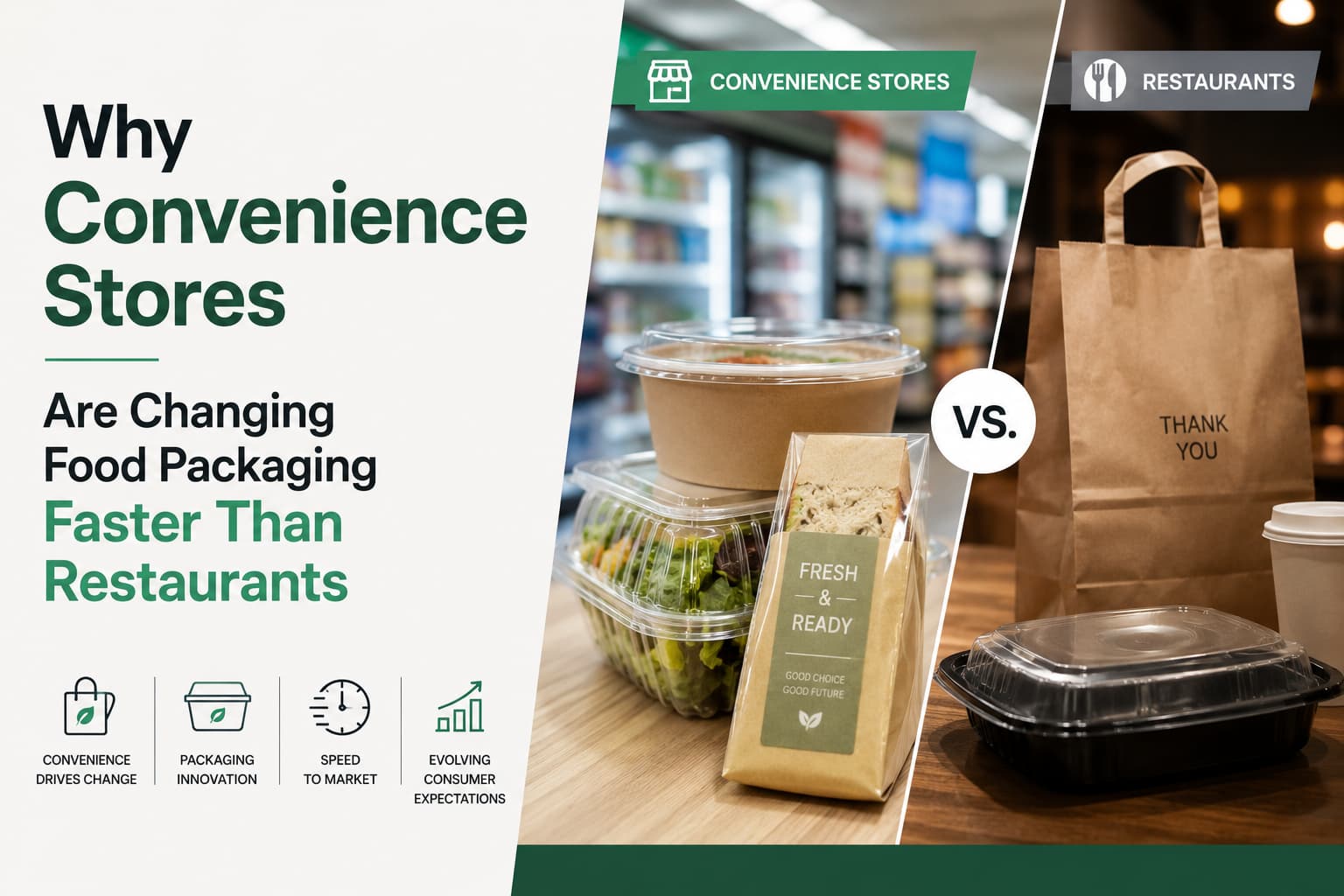
Convenience stores are becoming one of the biggest drivers of food packaging innovation because they operate with faster product cycles, stronger grab-and-go demand, and highly standardized retail systems. Unlike restaurants, convenience retailers must optimize packaging for shelf visibility, portability, reheating, automation, and sustainability simultaneously. As ready-to-eat meals continue growing globally, packaging solutions using PP, PET, rPET, and lightweight recyclable structures are evolving rapidly to meet consumer expectations and regulatory pressure.
Introduction
For decades, restaurants were considered the main drivers of innovation in foodservice packaging. From takeaway containers to branded beverage cups, many packaging trends traditionally began in restaurant chains before spreading across the broader food industry. However, this pattern is changing rapidly. Today, convenience stores are becoming one of the strongest forces shaping the future of food packaging.
Across Asia, Europe, and North America, modern convenience stores are no longer limited to selling snacks and bottled drinks. They have evolved into highly efficient ready-to-eat food destinations offering fresh meals, desserts, coffee, bakery products, microwavable dishes, and grab-and-go beverages. As foodservice becomes a larger part of convenience retail, packaging has become central to both operational efficiency and customer experience.
Unlike restaurants, convenience stores operate with extremely fast product cycles, standardized distribution systems, and intense shelf competition. This environment forces packaging innovation to move faster than ever before. Containers must preserve freshness, support transportation, improve shelf visibility, meet sustainability expectations, and remain cost-efficient at massive scale—all simultaneously.
As consumer lifestyles continue shifting toward speed and mobility, convenience stores are influencing food packaging development faster than traditional restaurants in many global markets.
The Convenience Store Industry Has Evolved Beyond Traditional Retail
Modern convenience stores now function as miniature foodservice centers. In countries such as Japan and South Korea, convenience stores already serve millions of fresh meals every day. Similar trends are expanding across the United States, Southeast Asia, and Europe, where consumers increasingly purchase breakfast, lunch, snacks, and even dinner from convenience retail channels.
This transformation has significantly increased packaging requirements.
Traditional convenience stores mainly relied on secondary packaging for shelf products such as chips, candies, and beverages. Today’s stores require packaging capable of supporting freshly prepared meals, reheating applications, cold-chain distribution, and direct consumer consumption.
Consumers now expect convenience store meals to deliver restaurant-level quality while maintaining maximum portability. As a result, packaging has become a critical part of the product itself rather than simply a protective outer layer.
Several factors are accelerating this shift:
| Traditional Convenience Store Model | Modern Convenience Store Model |
|---|---|
| Focus on packaged snacks | Focus on fresh ready meals |
| Limited foodservice packaging | Advanced food-grade packaging systems |
| Shelf inventory priority | Consumer experience priority |
| Low packaging innovation frequency | Continuous packaging upgrades |
| Basic functionality | Multi-functional packaging performance |
This evolution has created strong pressure for packaging suppliers to develop products that combine convenience, visual appeal, durability, and sustainability.
Why Convenience Stores Innovate Packaging Faster Than Restaurants
Faster Product Turnover Creates Faster Packaging Cycles
One of the biggest differences between convenience stores and restaurants is product rotation speed.
Restaurants often maintain relatively stable menus for months or years. Convenience stores, however, constantly introduce seasonal products, limited-edition meals, promotional beverages, and regional food variations. In some markets, product updates occur weekly.
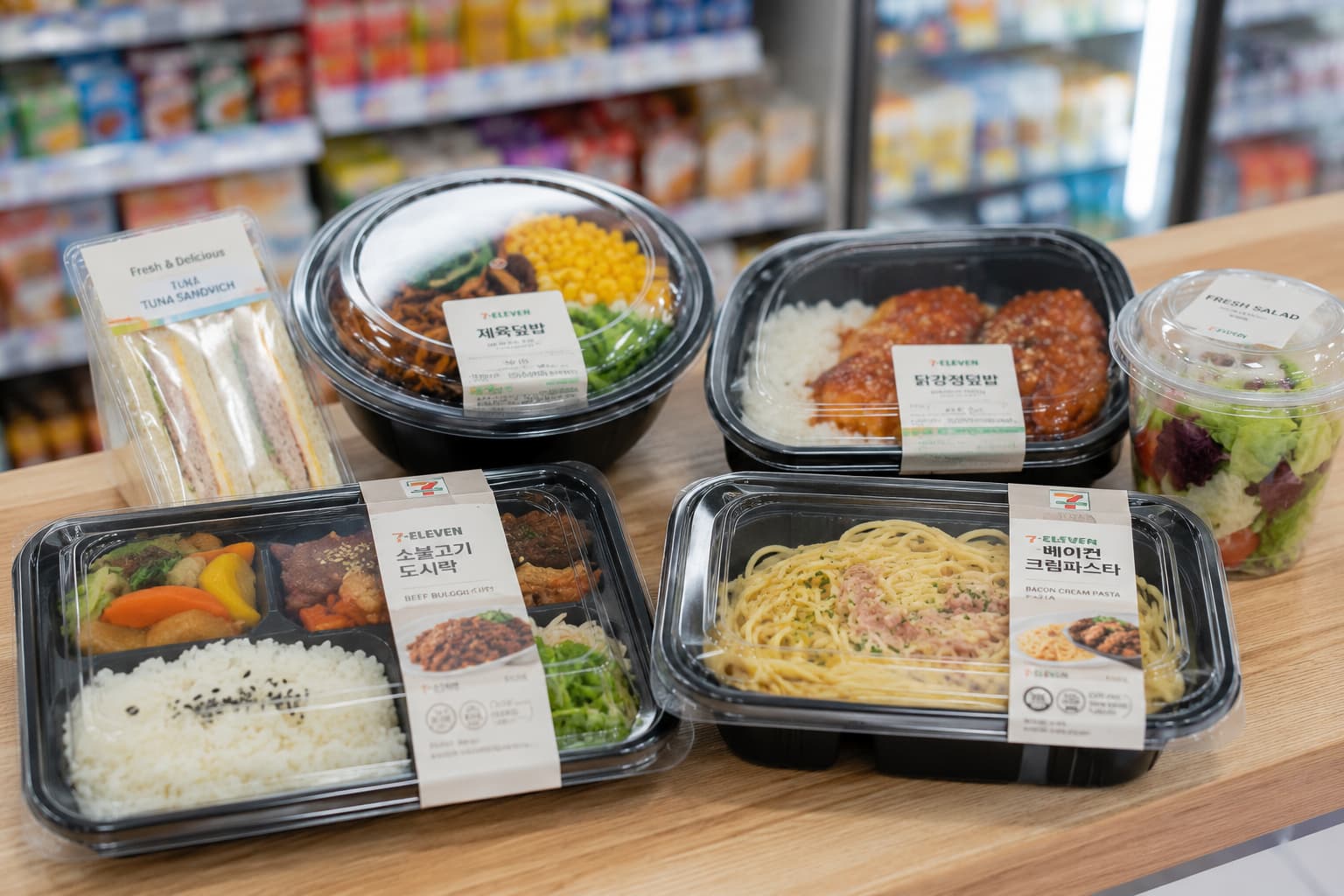
This rapid turnover forces retailers to adapt packaging much faster. New food items frequently require different tray sizes, lid structures, compartment layouts, or sealing methods. Packaging suppliers must therefore support shorter development timelines and more flexible production capabilities.
For example, a new microwaveable rice bowl may require:
- Improved steam ventilation
- Better heat resistance
- Stackable transportation design
- Clear visibility for shelf presentation
- Tamper-evident sealing compatibility
Because convenience stores operate on high-volume distribution systems, packaging adjustments can scale rapidly across thousands of retail locations.
Standardized Operations Accelerate Packaging Adoption
Convenience stores typically rely on centralized kitchens and automated distribution networks. This operational model makes packaging standardization easier compared to many restaurant businesses.
Restaurants often face variations between locations, kitchen workflows, and serving methods. Convenience stores, by contrast, prioritize consistency. This allows retailers to implement packaging innovations quickly and efficiently across entire supply chains.
Automation also plays an important role. Many convenience food products are filled, sealed, labeled, and packed using automated production lines. Packaging must therefore meet strict dimensional and structural tolerances.
As automation expands, demand is increasing for:
- Precision-molded PP containers
- High-clarity PET lids
- Lightweight stackable trays
- Leak-resistant sealing systems
- Packaging compatible with high-speed filling equipment
These requirements encourage continuous packaging optimization.
Packaging Must Sell Products Before Consumers Taste Them
Unlike restaurants where packaging is often seen after purchase, convenience store packaging directly influences buying decisions on retail shelves.
Consumers judge freshness, quality, and value within seconds. Clear lids, modern textures, clean labeling, and premium visual presentation strongly affect impulse purchases.
This is especially important for:
- Salads
- Sushi
- Desserts
- Fruit cups
- Ready-to-eat noodles
- Coffee beverages
- Sandwiches
Packaging has effectively become a silent salesperson inside convenience stores.
| Packaging Factor | Convenience Stores | Restaurants |
|---|---|---|
| Packaging visibility before purchase | Extremely high | Moderate |
| Shelf presentation importance | Critical | Limited |
| Consumer interaction time | Very short | Longer |
| Dependence on packaging aesthetics | High | Medium |
As a result, convenience retailers frequently update packaging designs to improve shelf competitiveness.
Grab-and-Go Culture Is Reshaping Packaging Requirements
Portability Has Become a Core Requirement
Modern consumers increasingly eat while commuting, working, studying, or traveling. Convenience store packaging must therefore prioritize portability without compromising food quality.
This trend has increased demand for:
- One-hand beverage cups
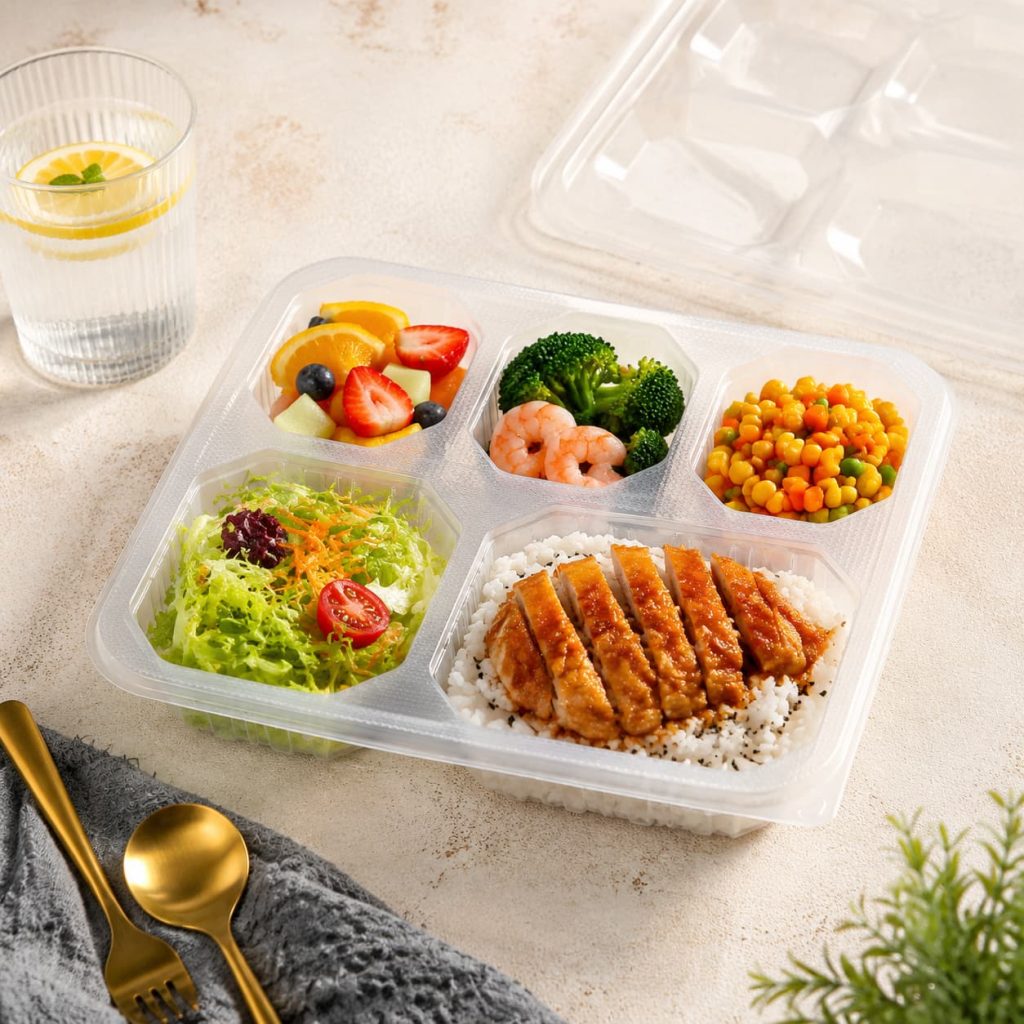
- Lightweight food containers
- Spill-resistant lids
- Compact meal trays
- Easy-open packaging
- Resealable containers
Urban lifestyles are particularly driving this change. Consumers want packaging that fits into bags, vehicle cup holders, office desks, and small refrigerators.
Restaurants certainly participate in takeaway packaging, but convenience stores operate entirely around grab-and-go efficiency. This gives them stronger incentives to improve packaging functionality continuously.
Multi-Temperature Compatibility Is Increasingly Important
Convenience stores sell products across multiple temperature conditions simultaneously:
- Hot meals
- Chilled desserts
- Frozen foods
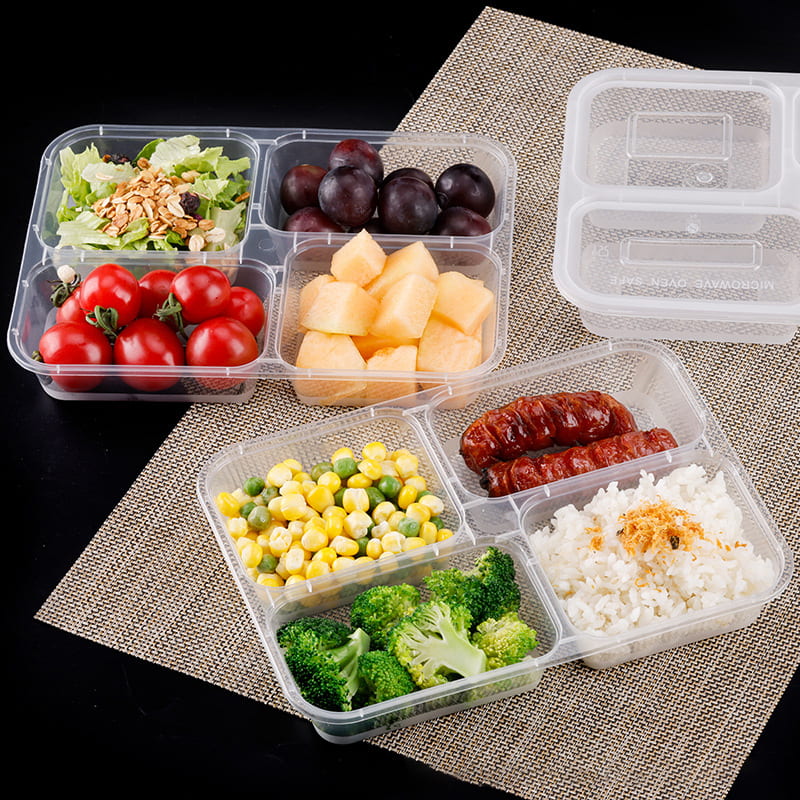
- Microwaveable dishes
- Ambient snacks
This creates complex packaging demands.
Materials such as PP remain highly popular because they offer:
- Excellent heat resistance
- Microwave compatibility
- Strong durability
- Cost efficiency
- Lightweight transportation advantages
Meanwhile, PET and rPET continue expanding in cold-food applications due to their clarity and shelf appeal.
As sustainability regulations tighten globally, mono-material packaging solutions are also gaining attention because they simplify recycling systems.
Sustainability Pressure Is Accelerating Packaging Transformation
Convenience stores generate extremely high volumes of disposable packaging every day. Governments and consumers are increasingly scrutinizing this waste stream.
Countries such as Japan, South Korea, Germany, and France have introduced stricter packaging regulations focused on recyclability, material reduction, and waste management. Because convenience stores distribute enormous quantities of packaged meals, they are often among the first businesses affected by these policies.
Consumers are also becoming more environmentally conscious, even for quick purchases.
Today’s shoppers increasingly expect:
- Recyclable packaging
- Reduced plastic usage
- Clear material labeling
- Recycled-content packaging
- Lightweight designs
- Sustainable sourcing claims
However, balancing sustainability with food safety remains challenging.
Food packaging must still provide:
- Oil resistance
- Moisture protection
- Structural integrity
- Shelf-life performance
- Transportation durability
This is why many retailers are pursuing practical sustainability strategies rather than immediate elimination of plastic materials altogether.
Technology Is Making Packaging Development Faster
Smart Packaging Features Are Expanding
Convenience stores increasingly rely on technology-driven packaging systems.
Examples include:
- QR traceability labels
- Tamper-evident closures
- Freshness indicators
- Smart inventory coding
- Anti-fog lid technology
These features help improve operational efficiency while also enhancing consumer confidence.
In high-density retail environments, even small packaging improvements can significantly influence sales performance and waste reduction.
Automation-Friendly Packaging Is Becoming Essential
High-volume convenience retail requires highly efficient production systems.
Packaging today must work seamlessly with:
- Automatic filling equipment
- Sealing machines
- Labeling systems
- Robotic sorting operations
- Cold-chain logistics
Even minor dimensional inconsistencies can disrupt automated production lines. As a result, packaging manufacturers must maintain high precision standards.
This shift is encouraging retailers to partner with suppliers capable of stable mass production and consistent quality control.
Why Packaging Suppliers Must Adapt More Quickly
Convenience retailers now expect packaging suppliers to respond faster than ever before.
Development timelines that once took months are increasingly compressed into weeks. Suppliers must rapidly create prototypes, modify molds, and scale production while maintaining regulatory compliance and product consistency.
This is especially important for retailers launching:
- Seasonal meal programs
- Regional product lines
- Promotional beverage campaigns
- Sustainability initiatives
For many retailers, supply stability is now just as important as pricing.
An experienced manufacturer can help convenience brands improve operational efficiency by providing:
- Reliable bulk supply
- Fast sampling support
- Custom mold development
- Consistent material quality
- Packaging optimized for both hot and cold food applications
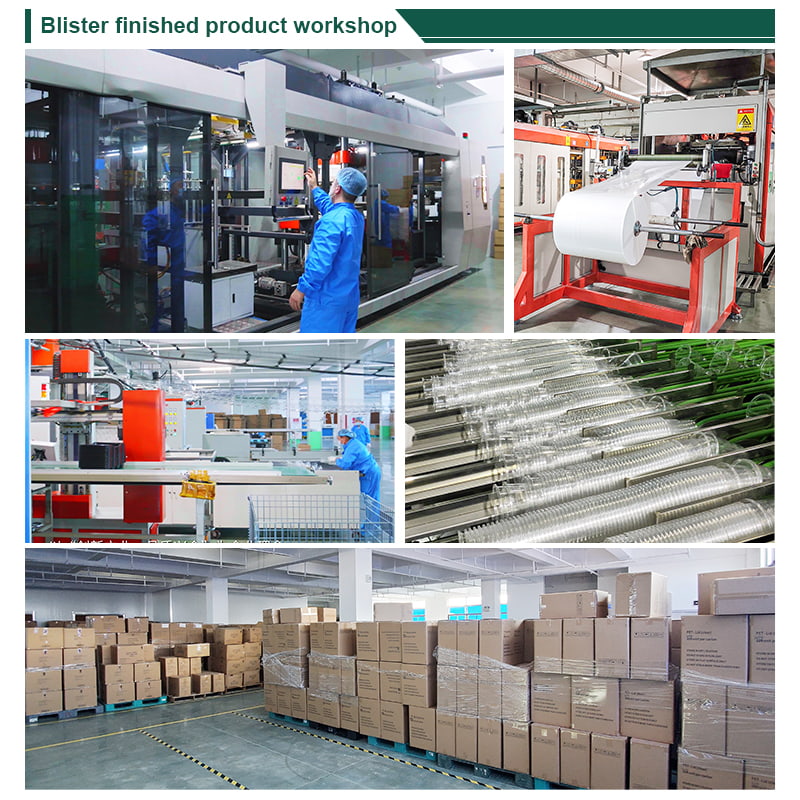
For companies seeking long-term flexibility, packaging partners with expertise in PP, PET, and recyclable food packaging solutions are becoming increasingly valuable. Manufacturers such as DASHAN are adapting to these market changes by supporting customizable food packaging systems designed for large-scale retail distribution and evolving sustainability requirements.
The Future of Convenience Store Packaging
Several major trends are likely to shape the next generation of convenience packaging.
Simplified Packaging Structures
Retailers are pursuing lightweight designs that reduce:
- Material usage
- Transportation costs
- Storage space
- Carbon emissions
Minimalist structures also improve recyclability.
Greater Use of Mono-Material Packaging
Mixed-material packaging often creates recycling difficulties. As recycling infrastructure improves globally, mono-material solutions are becoming more attractive.
PP and PET systems designed for easier sorting and recycling are expected to grow significantly over the coming years.
Packaging Designed for Omnichannel Retail
Convenience packaging must now function across multiple sales channels:
- Physical shelves
- Delivery services
- Pickup systems
- Vending formats
- E-commerce food retail
This requires packaging that balances durability, visibility, portability, and operational efficiency simultaneously.
FAQ
1. What type of packaging is most commonly used in convenience stores?
Convenience stores commonly use PP, PET, and rPET packaging for ready meals, beverages, salads, desserts, and microwaveable foods. PP is widely preferred for hot food applications because of its heat resistance and microwave compatibility, while PET and rPET are popular for cold-food packaging due to their high clarity and shelf presentation advantages.
2. Why are convenience stores changing packaging faster than restaurants?
Convenience stores introduce new products much more frequently than restaurants. Seasonal meals, promotional drinks, and grab-and-go products require rapid packaging updates, shorter development cycles, and faster supply chain adaptation. Their centralized production systems also allow packaging changes to scale quickly across thousands of locations.
3. Why is packaging so important for ready-to-eat meals?
Ready-to-eat meals require packaging that can maintain freshness, resist oil and moisture, survive transportation, and often withstand microwave heating. Packaging also strongly influences shelf appeal and impulse purchases in convenience retail environments.
4. Are convenience stores increasing demand for sustainable packaging?
Yes. Governments and consumers are placing increasing pressure on convenience retailers to reduce packaging waste and improve recyclability. This has accelerated demand for lightweight packaging, recyclable mono-material structures, rPET applications, and reduced-plastic designs.
5. Why is PP packaging still widely used in foodservice?
PP packaging remains highly popular because it offers strong heat resistance, good structural durability, lightweight transportation advantages, and relatively low production cost. It is especially suitable for microwaveable ready meals and hot food applications.
6. What packaging features are most important for grab-and-go foods?
Key features include leak resistance, portability, stackability, microwave compatibility, easy-open lids, tamper-evident sealing, and strong shelf visibility. Consumers increasingly expect packaging to support eating during commuting, work, and travel.
Conclusion
Convenience stores are no longer simply retail outlets for snacks and beverages. They have become highly sophisticated foodservice platforms operating at enormous scale and remarkable speed.
Because of their fast product cycles, centralized operations, and shelf-focused sales environment, convenience retailers are driving food packaging innovation faster than many traditional restaurants. Packaging now influences not only food protection, but also branding, portability, sustainability, operational efficiency, and consumer purchasing behavior.
As consumer lifestyles continue emphasizing speed and mobility, the influence of convenience stores on global food packaging trends will likely continue expanding. For packaging manufacturers and suppliers, the ability to adapt quickly, maintain consistent quality, and support evolving retail demands will become increasingly important in the years ahead.
References
- Food Dive – Convenience store food popularity spurs packaging adaptations
- DASHAN – How Ready Meals Are Driving Packaging Innovation
- Packaging Digest – 4 Trends Driving Foodservice Packaging
- Packaging Gateway – How ready-to-eat packaging is evolving
- ESSFeed – Ready meal packaging evolves for convenience and sustainability
- Food & Wine – Food Packaging Trends 2025
- The Times – UK supermarkets worst in Europe for unnecessary plastic packaging
Copyright Statement
© 2026 Dashan Packing. All rights reserved.
This article is an original publication by the Dashan Packing team based on industry research, market analysis, and packaging expertise. Unauthorized reproduction, distribution, or copying of this content is prohibited without prior written permission.
Dashan Packing is committed to delivering reliable, original, and professional information for the global food packaging industry.