

Introduction
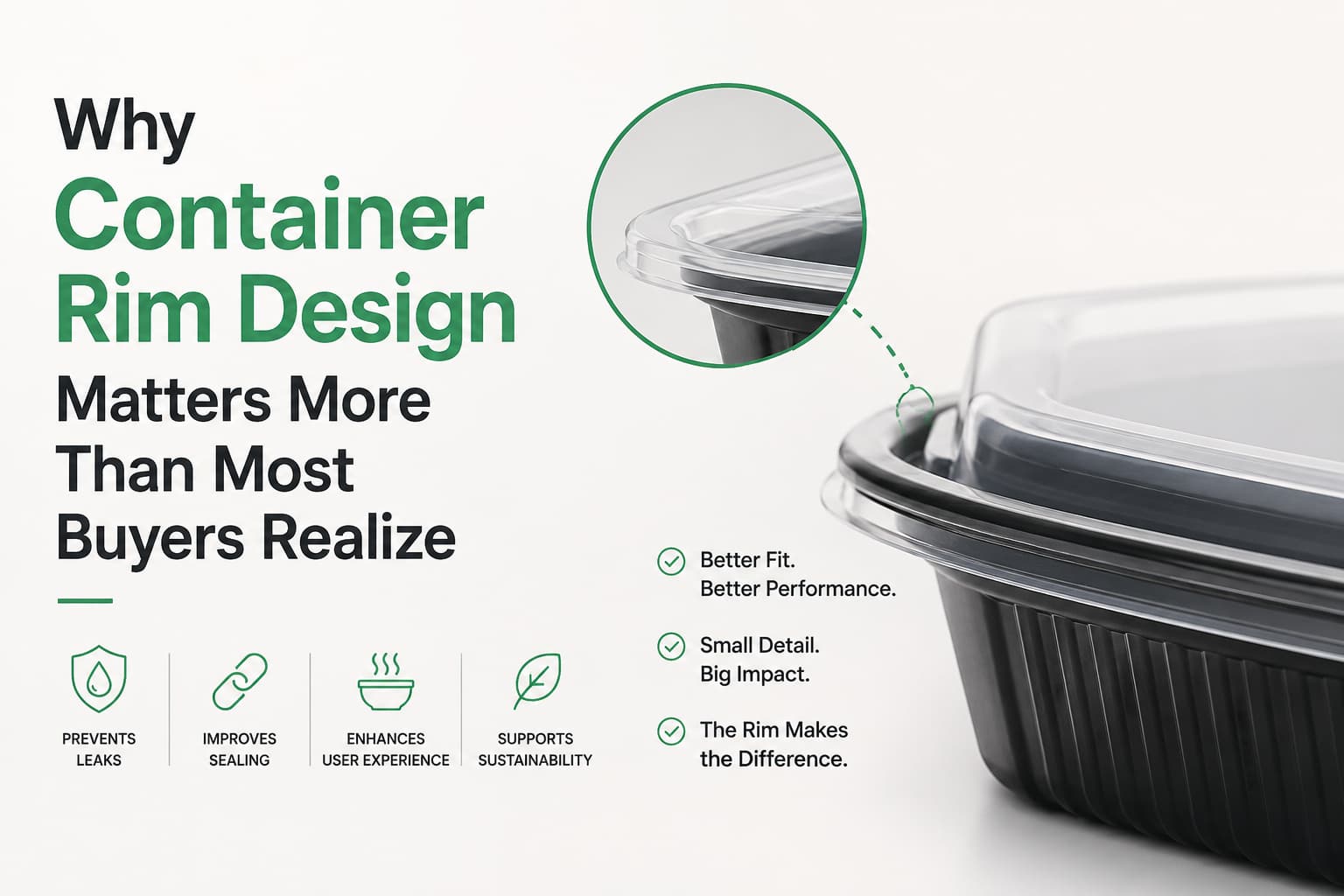
When buyers evaluate food packaging, they often focus on visible specifications such as material type, container size, transparency, or unit price. While these factors are important, one critical structural detail is frequently overlooked: the container rim.
At first glance, the rim may appear to be just the edge of a food container. In reality, it is one of the most important engineering areas in the entire packaging structure. The rim directly affects lid sealing, leakage prevention, stackability, structural strength, automation compatibility, and even consumer experience.
For modern foodservice businesses—especially takeaway, ready-meal, airline catering, and convenience retail operations—container rim performance has become increasingly important. As food delivery distances increase and automated packaging systems become more common, poorly designed rims can quickly lead to packaging failures, customer complaints, and operational inefficiencies.
Today, food packaging is expected to do much more than simply hold food. It must protect meals during transportation, support efficient production systems, maintain product appearance, and create a reliable user experience. Much of this performance depends on rim design.
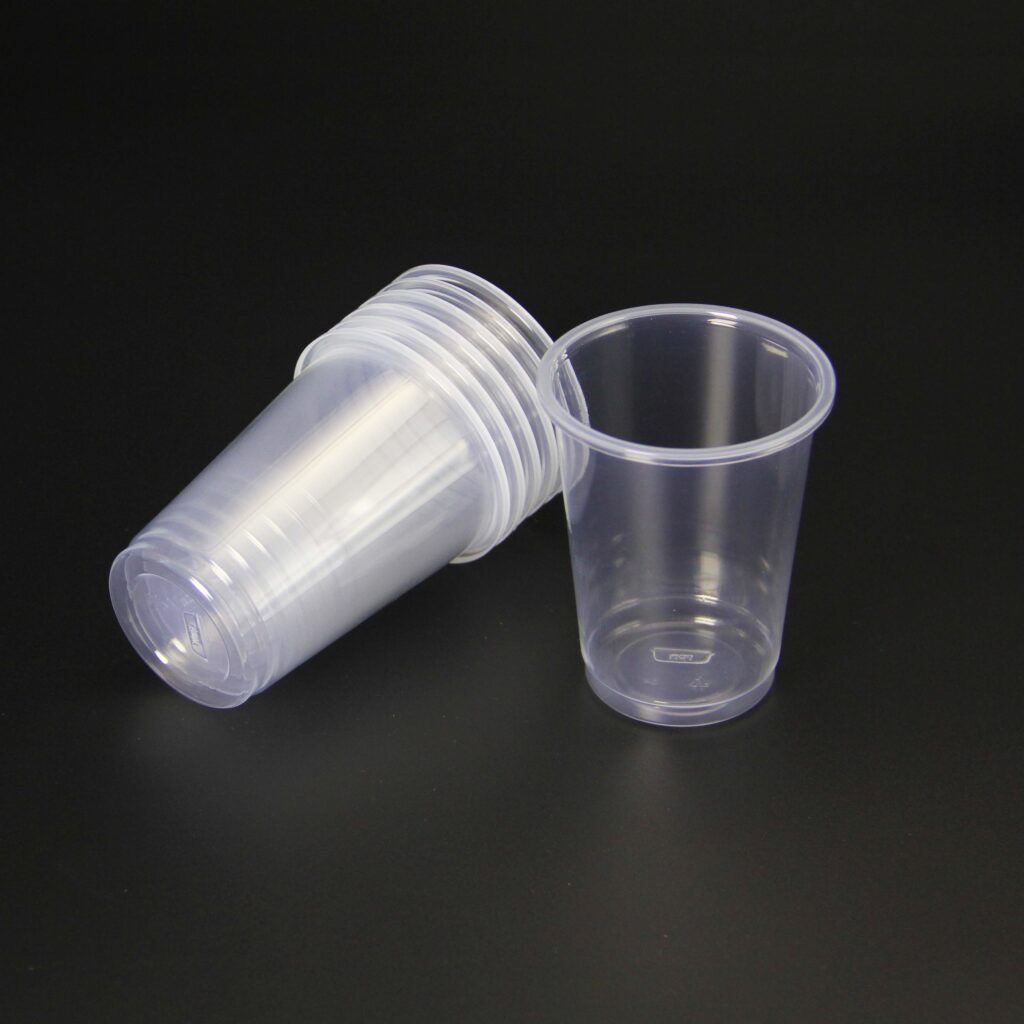
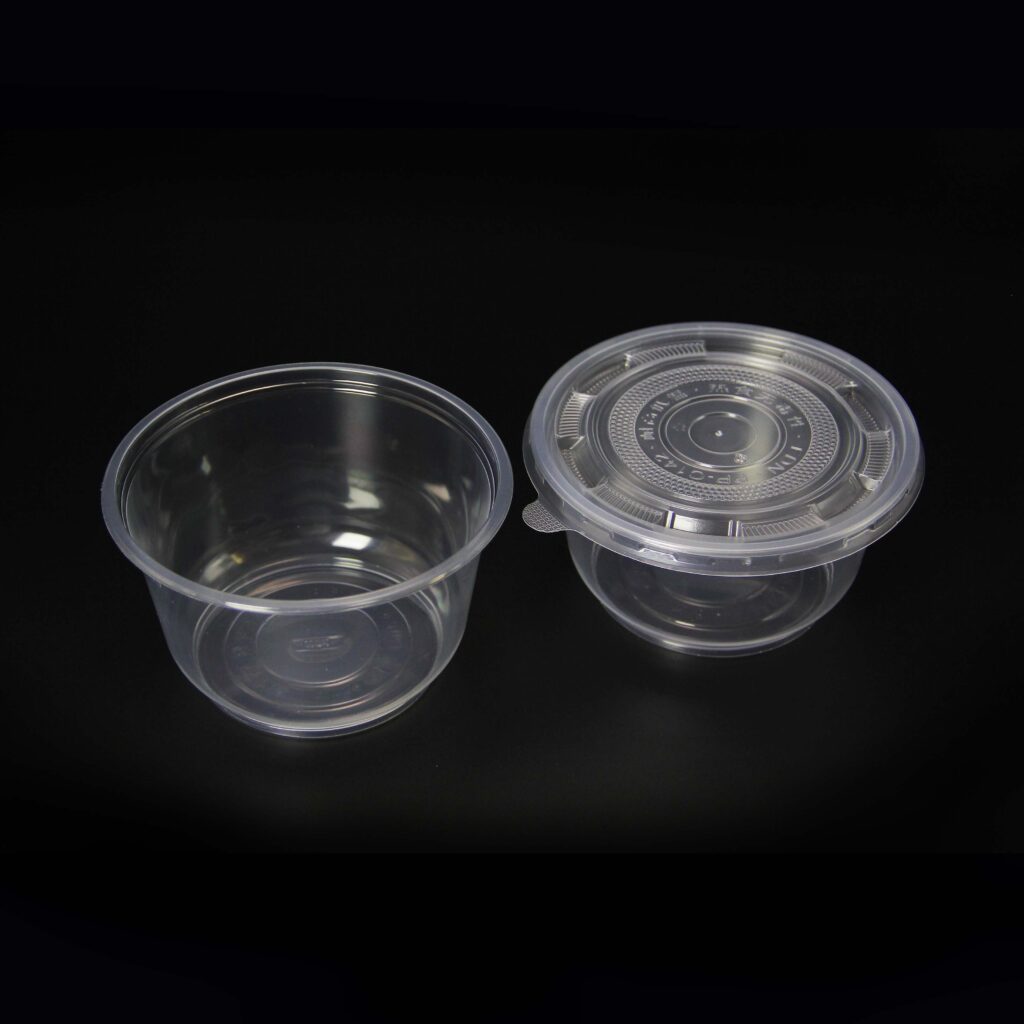
👇: DASHAN cups with rolled edges
What Is a Container Rim and Why Does It Matter?
The rim is the upper edge of a food container where the lid connects to the tray or bowl body. Although it occupies only a small portion of the package, it functions as a critical structural and sealing zone.
The rim is responsible for:
- Supporting lid attachment
- Maintaining sealing pressure
- Reinforcing container rigidity
- Improving stacking stability
- Preventing deformation
- Assisting automated sealing systems
Without proper rim engineering, even high-quality materials may fail during transportation or foodservice operations.
| Container Part | Main Function |
|---|---|
| Base | Holds food contents |
| Sidewall | Maintains shape and depth |
| Rim | Supports sealing and structural strength |
| Lid | Protects food from contamination and leakage |
Because the rim connects directly with the lid, even small dimensional inconsistencies can affect overall packaging performance.
How Rim Design Affects Leak Resistance
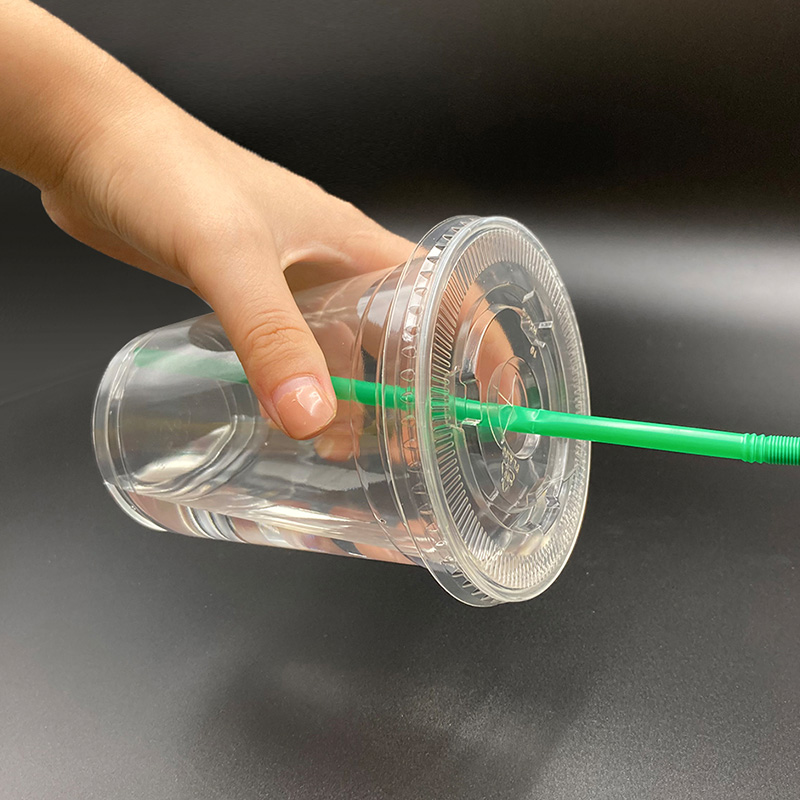
One of the biggest causes of food packaging failure is poor lid sealing. In many cases, the problem does not originate from the lid itself, but from the rim structure underneath it.
If the rim is uneven, too thin, or poorly reinforced, the lid may not attach securely. This creates small gaps where liquids, steam, oil, or sauces can escape during transportation.
This problem becomes especially serious in food delivery environments.
During delivery, containers experience:
- Constant vibration
- Tilting
- Compression from stacking
- Temperature changes
- Steam pressure from hot food
Under these conditions, weak rim structures can lose sealing stability very quickly.
Well-designed rims improve leak resistance by creating:
- More consistent lid contact
- Better sealing pressure distribution
- Stronger snap-fit locking performance
- Improved resistance to deformation
| Poor Rim Design | Optimized Rim Design |
|---|---|
| Loose lid attachment | Secure lid locking |
| Uneven sealing pressure | Stable sealing performance |
| Higher spill risk | Improved leak prevention |
| Easy deformation | Better transportation stability |
For soup containers, sauce trays, and oily foods, precision rim engineering becomes even more important because liquids continuously apply pressure against the lid during movement.
Rim Design Directly Influences Container Strength
Many buyers assume container strength mainly depends on material thickness. While material selection matters, structural design plays an equally important role.
The rim functions as a reinforcement frame for the entire container.
A strong rim helps:
- Prevent sidewall collapse
- Improve compression resistance
- Maintain shape during stacking
- Reduce deformation during transportation
This is especially important for takeaway and delivery packaging, where containers are often stacked inside delivery bags or storage systems.
Modern packaging trends also favor lightweight designs that reduce material consumption and transportation costs. However, thinner materials can weaken overall rigidity if the rim is not properly engineered.
To compensate, manufacturers increasingly use reinforced rim structures to maintain performance while reducing total plastic usage.
In many cases, a well-designed rim allows a lighter container to outperform a heavier container with poor structural engineering.
Why Stackable Containers Depend on Rim Stability
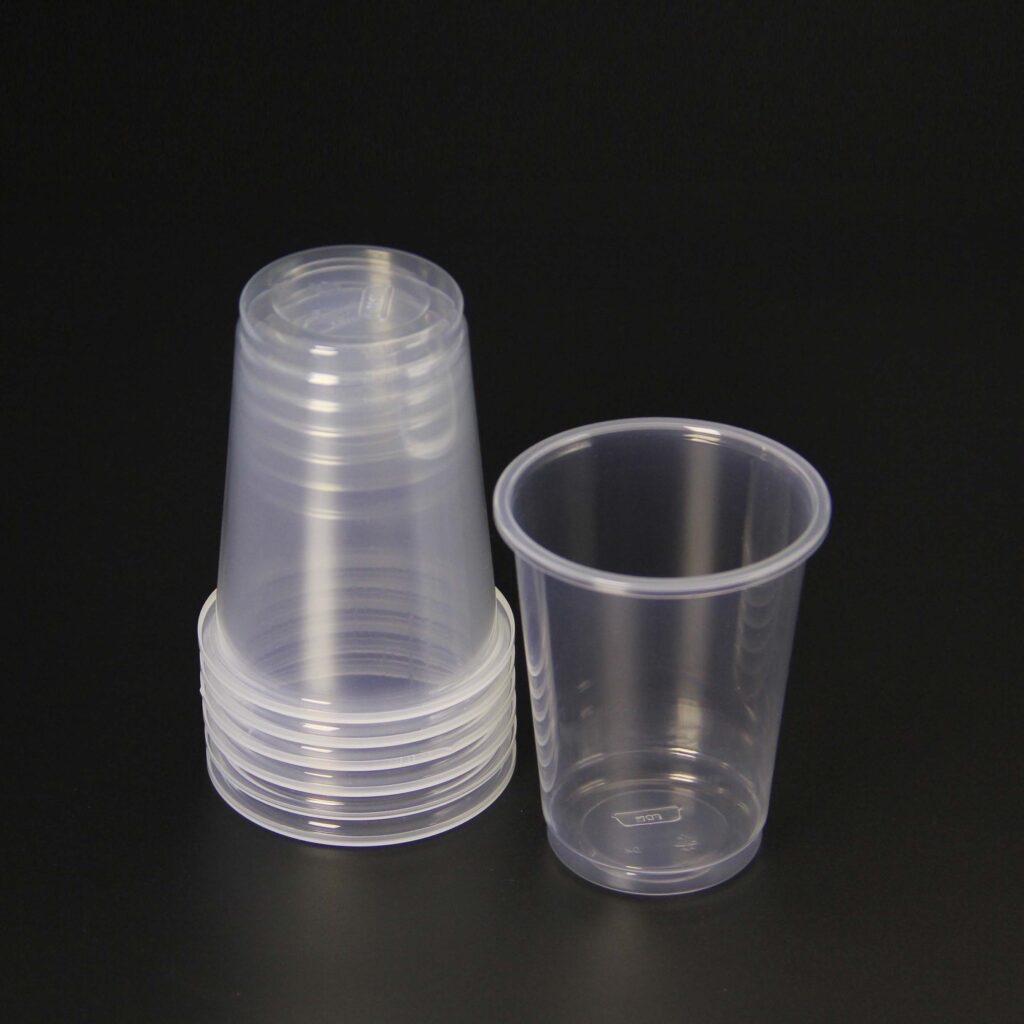
Stackability is one of the most important requirements in foodservice packaging.
Restaurants, convenience stores, and catering companies often transport multiple containers simultaneously. If rims cannot support vertical pressure effectively, containers may shift, deform, or collapse during transportation.
Strong rim structures improve stacking performance by:
- Distributing pressure evenly
- Preventing lid compression
- Reducing movement between containers
- Maintaining stable alignment
This becomes particularly important for:
- Airline catering trays
- Bento meal packaging
- Meal prep containers
- Central kitchen distribution
- Convenience store ready meals
Reliable stacking not only protects food quality, but also improves operational efficiency during storage and transportation.
Rim Precision Is Critical for Automated Packaging Systems
As foodservice production becomes more automated, packaging precision requirements are increasing significantly.
Many modern packaging lines rely on:
- Automatic filling systems
- Heat sealing equipment
- Snap-lid closing machines
- Robotic stacking operations
These systems require highly consistent container dimensions. Even minor rim irregularities can cause:
- Lid misalignment
- Sealing failures
- Machine jams
- Increased rejection rates
- Production downtime
For high-volume operations such as convenience store meal production or airline catering, these issues can create major operational costs.
Precision rim engineering helps ensure:
- Stable lid compatibility
- Reliable sealing performance
- Faster production speeds
- Lower defect rates
Because of this, professional buyers increasingly evaluate rim consistency as part of supplier quality assessment.
Consumer Experience Is Also Influenced by Rim Design
Rim design affects not only operational performance, but also how consumers interact with packaging.
Poorly designed rims can create several user problems:
- Difficult lid removal
- Sharp edges
- Weak resealing performance
- Lid cracking during opening
- Unstable handling of hot meals
By contrast, optimized rims improve usability by providing:
- Smooth lid attachment and removal
- Comfortable handling
- Better grip stability
- Safer edges
- Improved resealing capability
Consumer perception is also affected visually. Clean, symmetrical rim structures often create a more premium and professional appearance.
In competitive takeaway and retail markets, these small details can influence overall brand perception more than many buyers realize.
Different Food Applications Require Different Rim Structures
Not all food packaging requires the same rim design.
Different applications create different structural and sealing demands.
| Food Application | Rim Design Priority |
|---|---|
| Soup containers | Strong leak resistance |
| Hot meal trays | Heat stability |
| Salad bowls | Lid clarity and presentation |
| Meal prep trays | Stackability |
| Airline meal trays | Precision automation compatibility |
| Delivery packaging | Transportation durability |
For hot foods, rims must withstand steam pressure and thermal expansion without losing sealing performance.
For cold foods, rim precision helps improve visual presentation and anti-condensation performance.
For multi-compartment trays, complex rim geometry is often needed to maintain even lid sealing across multiple food sections.
Because of these differences, experienced packaging manufacturers such as DASHAN often customize rim structures according to the intended food application.
Why Buyers Should Pay More Attention to Rim Design
Many packaging complaints originate from rim-related problems.
These may include:
- Leakage during delivery
- Poor lid compatibility
- Container deformation
- Stacking instability
- Consumer usability complaints
However, buyers sometimes focus primarily on reducing material cost while overlooking structural engineering quality.
In reality, poorly designed rims can create hidden operational expenses through:
- Food damage
- Customer refunds
- Increased complaints
- Packaging waste
- Slower production efficiency
Professional packaging buyers often evaluate:
- Rim thickness consistency
- Lid fit accuracy
- Compression performance
- Sealing reliability
- Automation compatibility
These factors are especially important for businesses operating at large scale.
How Manufacturers Improve Rim Performance
Modern food packaging manufacturers use several engineering methods to optimize rim performance.
Mold Precision
High-quality tooling helps maintain dimensional consistency across large production volumes.
Material Distribution Optimization
Critical rim areas are often reinforced to improve sealing and compression resistance while controlling overall material usage.
Structural Reinforcement Design
Advanced rim geometries improve rigidity without significantly increasing weight.
Performance Testing
Professional manufacturers commonly conduct:
- Leak testing
- Compression testing
- Transportation simulation
- Repeated lid opening and closing tests
These processes help ensure stable packaging performance under real foodservice conditions.
Manufacturers such as DASHAN increasingly focus on optimizing rim precision and structural consistency for takeaway, ready-meal, and delivery-oriented PP food packaging systems where sealing reliability and transportation durability are especially important.
FAQ
1. What is a container rim in food packaging?
The container rim is the upper edge of a tray, bowl, or container where the lid attaches. It acts as both a sealing surface and a structural reinforcement area that helps maintain container stability and leak resistance.
2. Why does rim design affect leakage performance?
Leakage often begins at the rim because the lid relies on consistent compression and contact pressure around the container edge. Uneven or weak rim structures can create small gaps that allow liquids, steam, or oil to escape during transportation.
3. Why is rim precision important for takeaway food packaging?
Takeaway packaging experiences vibration, tilting, stacking pressure, and temperature changes during delivery. Precision rim structures help maintain stable lid sealing and reduce the risk of spills or lid loosening during transportation.
4. How does rim design improve container strength?
The rim functions as a reinforcement frame that helps distribute pressure across the container. Reinforced rims improve stacking performance, reduce sidewall collapse, and maintain structural rigidity during storage and transportation.
5. Why do automated packaging systems require accurate rim dimensions?
Automatic sealing and lid-closing machines depend on dimensional consistency. Poor rim tolerances can cause lid misalignment, sealing failure, machine jams, and higher rejection rates during large-scale food packaging production.
6. Does rim design affect consumer experience?
Yes. Rim design influences how easily lids open and close, handling comfort, resealing performance, and perceived packaging quality. Rounded and reinforced rim structures often improve usability and create a more premium appearance.
Conclusion
Container rim design is one of the most overlooked yet critical aspects of modern food packaging.
Although buyers often focus on material type, appearance, or cost, the rim directly influences sealing performance, leakage prevention, stacking stability, structural strength, automation compatibility, and consumer experience.
As takeaway services, ready meals, and automated food production continue expanding globally, precision rim engineering is becoming increasingly important across the food packaging industry.
Well-designed rims help improve transportation reliability, reduce operational problems, enhance customer satisfaction, and support more efficient foodservice operations. For businesses seeking long-term packaging performance rather than short-term cost reduction alone, rim design deserves far more attention than it traditionally receives.
References
- FDA – Guide to Inspections of Low Acid Canned Food Manufacturers: Part 3
- ScienceDirect – A Multifactor Approach to Evaluate the Sealing of Smooth-Wall Containers for Food Packaging
- ScienceDirect – Enhanced Liquid Retention Capacity Within Plastic Food Packaging Through Modified Capillary Recesses
- MDPI – Predictive Modeling of Packaging Seal Strength
- Packaging World – A Look at Metal Lug Closures
- Hulamin Containers – Rim Styles for Aluminium Foil Containers
- Wikipedia – Food Packaging Sealing Techniques
Copyright Statement
© 2026 Dashan Packing. All rights reserved.
This article is an original publication by the Dashan Packing team based on industry research, market analysis, and packaging expertise. Unauthorized reproduction, distribution, or copying of this content is prohibited without prior written permission.
Dashan Packing is committed to delivering reliable, original, and professional information for the global food packaging industry.