
Introduction
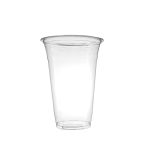
As winter sets in and the demand for hot beverages surges, beverage shops must consider the best options for packaging. Among the many materials available, Polypropylene (PP) has emerged as the preferred choice for many businesses. PP material cups offer a range of benefits, particularly in the winter months, where temperature retention, durability, and cost-effectiveness become paramount. In this article, we will explore why PP cups are favored by beverage shops during the winter season, their environmental impact, and why they are more beneficial than many other alternatives.
1. What is PP Material?
Polypropylene (PP) is one of the most commonly used thermoplastics in food and beverage packaging. Known for its durability and chemical resistance, PP is used to produce a variety of products, from containers to packaging materials.
Properties of PP Material
-
Thermal Resistance: PP material has an excellent ability to resist both heat and cold, making it ideal for applications like hot and cold beverage containers. The material’s resistance to high temperatures prevents it from warping or deforming when exposed to hot liquids, making it an ideal material for winter beverages.
-
Durability: PP cups are known for their strength and resistance to breaking under pressure. They are robust enough to handle hot, iced, and even carbonated beverages without compromising their structure.
-
Chemical Resistance: PP is resistant to a wide range of chemicals, including oils, alcohol, and acids. This is particularly important for the beverage industry, where beverages often contain acidic or oily substances (e.g., coffee, juices, milk).
-
Lightweight: PP material is relatively lightweight compared to other packaging materials, making it easy to transport and handle, both for the manufacturer and the customer.
Advantages Over Other Materials
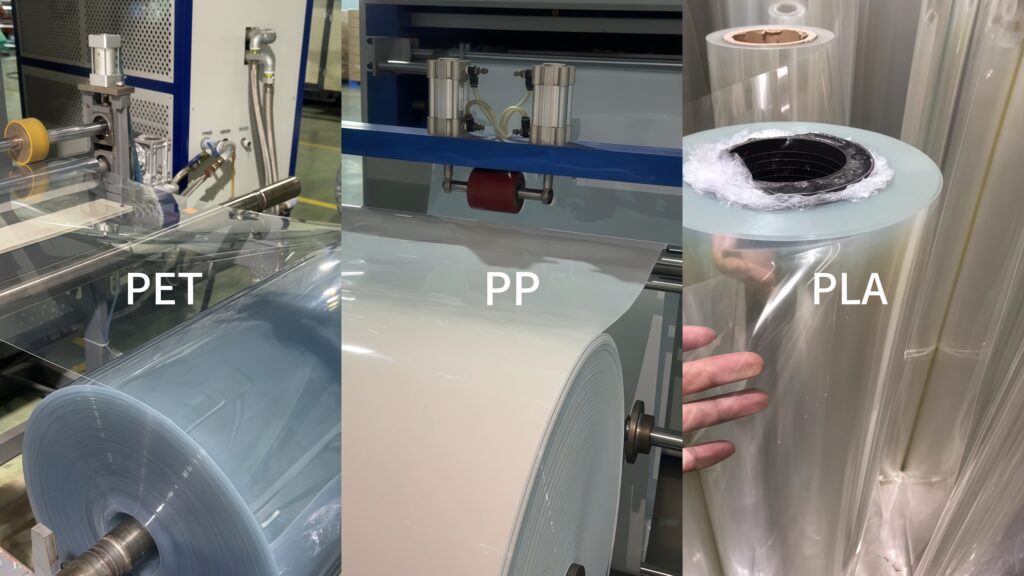
PP material has many advantages over other materials commonly used in the beverage industry, such as PET (Polyethylene Terephthalate) or PLA (Polylactic Acid).
| Material | Properties | Advantages for Beverage Cups |
|---|---|---|
| PP | High thermal resistance, durability | Ideal for both hot and cold beverages, cost-effective |
| PET | Transparency, rigidity | Great for cold drinks but not suitable for hot liquids |
| PLA | Biodegradable, derived from plants | Suitable for cold drinks but not for high temperatures |
2. Benefits of PP Material Cups for Beverage Shops
Insulation and Temperature Retention
One of the most important reasons PP cups are used for hot beverages in winter is their thermal insulation properties. While other materials may start to lose their heat quickly, PP cups retain warmth much longer. This ensures that hot beverages like coffee, hot chocolate, and tea remain at an enjoyable temperature for a longer period of time.
Additionally, the thickness of PP material further enhances its insulating capabilities. Beverage shops can benefit from this feature, especially when customers need to take their drinks outdoors or enjoy them on the go.
Durability and Leak Resistance
Unlike paper or styrofoam cups, PP cups are known for their durability. Even under high-pressure conditions, PP cups maintain their shape and integrity, providing confidence to customers that their beverage will not leak or spill.
During the winter, when beverages are served at high temperatures, ensuring leak resistance is especially important. PP cups are built to handle hot liquids without warping or leaking, which can be a significant issue for PLA cups or paper cups.
Cost-Effectiveness
The cost-effectiveness of PP material is another major reason beverage shops favor it during winter. Unlike PET or PLA, which tend to be more expensive, PP offers an affordable alternative with similar functionality. Beverage shops benefit from bulk purchasing options, which can help to lower overall costs, especially during the busy holiday season.
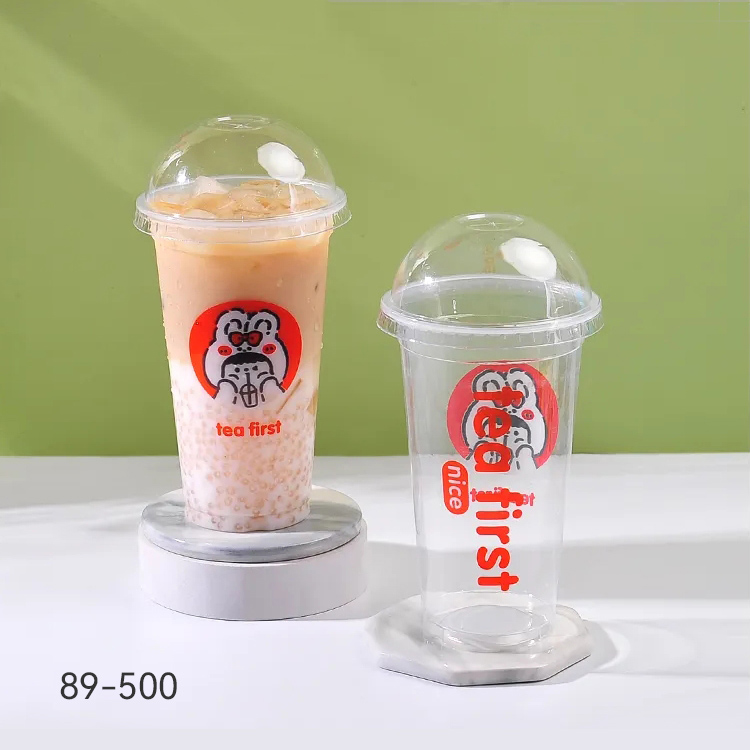
3. Why Beverage Shops Prefer PP Cups in Winter
Maintaining Hot Beverage Temperatures
During colder months, customers flock to beverage shops seeking warmth from hot drinks. PP cups provide an effective solution for temperature retention, keeping beverages like latte or spiced cider warm for extended periods.
Unlike paper cups that may allow heat to escape, PP material cups retain the warmth of a drink for hours, improving the customer experience, especially in areas where people consume beverages on-the-go or outdoors.
Resistance to Cold Conditions
Although PP cups are commonly associated with hot beverages, they are equally effective at holding cold drinks. In winter, many customers also crave iced beverages like iced coffee or iced tea. PP material cups are durable enough to handle freezing temperatures without cracking or losing their integrity.
The resilience of PP to both hot and cold temperatures ensures that beverage shops can use it for a variety of drinks regardless of the weather.
Consumer Comfort and Experience
Another major factor in beverage shops choosing PP cups in winter is consumer comfort. Unlike cups made from paper or other thinner materials, PP cups offer a smooth finish and a sturdy feel, which enhances the drinking experience. Customers are less likely to experience discomfort or spills due to the durability and structural integrity of PP cups.
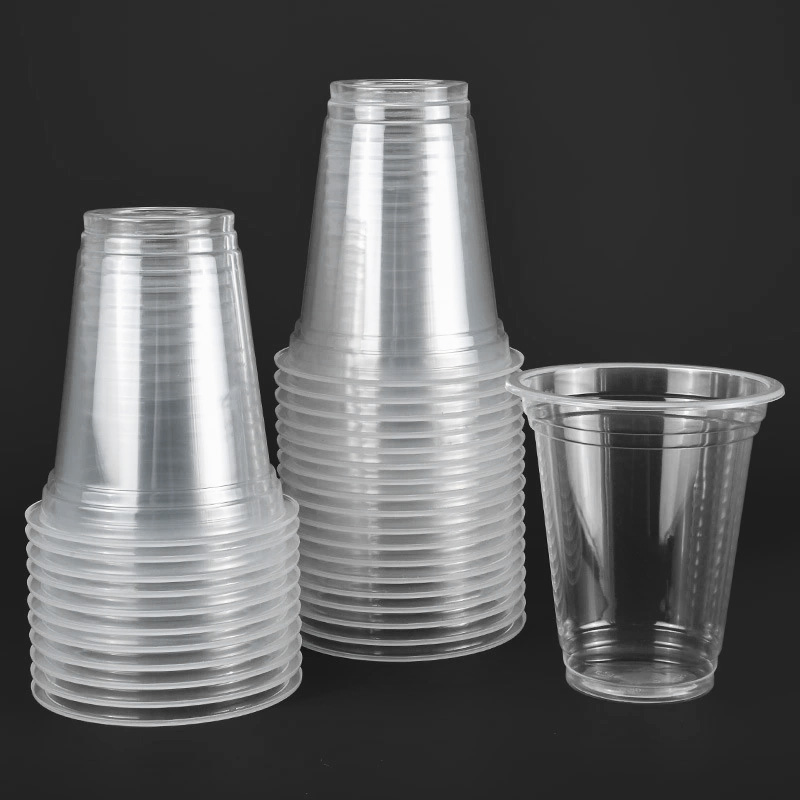
4. Environmental Impact of PP Material
Recyclability and Sustainability
One of the major concerns with plastic materials is their environmental impact. However, PP material has a relatively low environmental footprint compared to other plastics. It is fully recyclable in many regions and is commonly repurposed for plastic pallets or other non-food-related products.
However, it is essential to ensure that beverage shop owners and consumers dispose of PP cups correctly, as improper disposal can still contribute to landfill waste. Many companies are now incorporating recycling programs or utilizing biodegradable additives to make their PP products more eco-friendly.
Comparisons with Other Materials
While materials like PLA are marketed as eco-friendly due to their biodegradability, they still require industrial composting to break down effectively. PP, on the other hand, can be recycled at a more accessible level, which may be more convenient in areas where industrial composting is not widely available.
5. Key Considerations When Choosing PP Cups
When beverage shops select PP material cups, they should consider various factors:
| Consideration | Details |
|---|---|
| Size and Shape | PP cups come in various sizes (8oz, 12oz, 16oz, etc.) and shapes (tall, squat, tapered). |
| Customization | PP cups can be custom printed with logos, designs, and branding to promote the business. |
| Safety & Compliance | Ensure that the PP cups meet FDA and other regulatory standards for food-safe materials. |
6. Market Trends and Consumer Behavior
How Weather Influences Beverage Choices
During the winter months, consumer behavior shifts dramatically toward warmer beverages. The cold weather drives up demand for hot coffee, hot chocolate, and tea, while iced beverages are less popular.
Beverage shops often adapt their menu offerings to reflect this change, introducing seasonal drinks that are specifically served in PP cups to maintain warmth and ensure comfort.
Popular Winter Beverages Served in PP Cups
-
Hot Coffee and Lattes
-
Hot Chocolate and Teas
-
Mulled Cider and Spiced Drinks
-
Iced Beverages with Insulation Needs
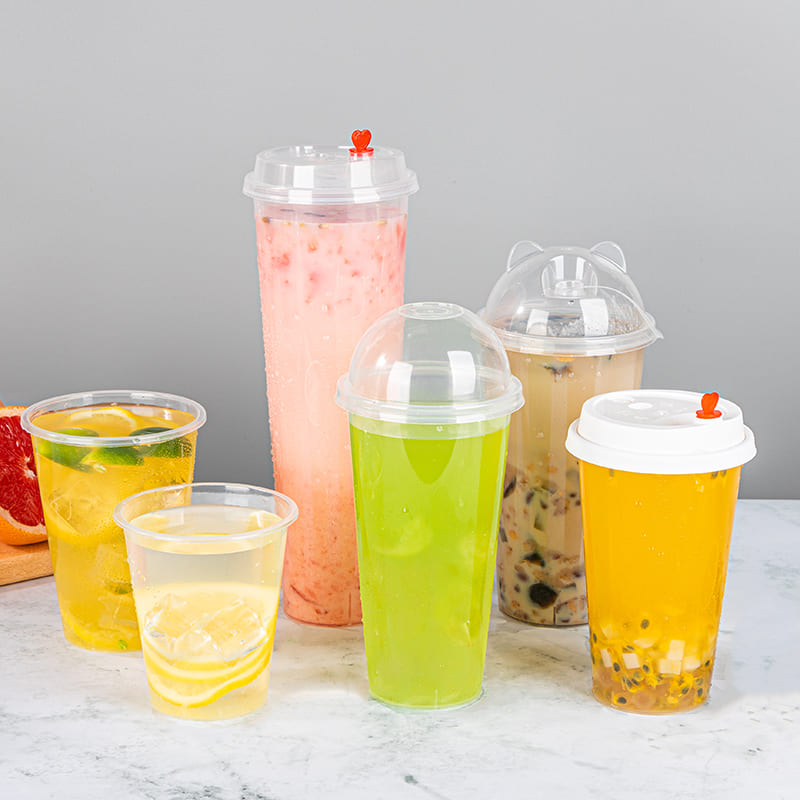
7. Case Study: PP Cups in Winter Beverage Shops
Beverage chains like Starbucks and Tim Hortons have long used PP cups for their hot beverage offerings. These cups are designed to ensure both consumer comfort and temperature retention, especially during the colder months when hot drinks are in high demand.
8. FAQ
-
Why are PP cups preferred in winter for hot beverages?
-
PP cups are ideal for winter because they have excellent thermal insulation properties. The material helps retain the heat of hot beverages like coffee, tea, and hot chocolate, keeping them warm for longer periods. This is crucial in colder weather when customers expect their drinks to remain at an enjoyable temperature for a prolonged time.
-
-
How do PP cups compare to paper cups for hot drinks?
-
Unlike paper cups, which can lose their structural integrity when exposed to hot liquids for extended periods, PP cups are much more durable. They are less likely to leak or become soggy, making them more reliable for hot beverages. Additionally, PP cups offer better insulation, which prevents the outer surface from becoming too hot to hold.
-
-
Can PP cups be used for both hot and cold beverages?
-
Yes, PP cups are versatile and can be used for both hot and cold beverages. They are durable enough to withstand high temperatures for hot drinks, while also being capable of handling chilled drinks without cracking or becoming brittle. This makes PP cups a flexible choice for beverage shops year-round, regardless of the season.
-
-
Are PP cups environmentally friendly?
-
PP cups are recyclable and can be reused in other products like plastic pallets, making them an environmentally better option than some other plastics. However, they are not biodegradable like PLA cups, which means they can contribute to plastic waste if not disposed of properly. That said, many companies are investing in better recycling programs and using biodegradable additives to reduce their environmental impact.
-
-
How can beverage shops reduce the environmental impact of using PP cups?
-
To reduce the environmental footprint of PP cups, beverage shops can promote recycling by providing clearly marked recycling bins for customers. Additionally, shops can opt for sustainably sourced PP cups and lids that use post-consumer recycled content. Another strategy is to encourage customers to bring their own reusable cups, or to invest in compostable packaging alternatives when possible.
-
-
Are there any health concerns with using PP cups for beverages?
-
PP cups are widely regarded as safe for food and beverage use. They comply with food safety standards, including FDA regulations. The material is non-toxic and does not release harmful chemicals into the beverage. However, it’s important to ensure that the cups are manufactured by reputable brands and meet the necessary safety certifications.
-
-
Can PP cups be customized with logos or designs?
-
Yes, PP cups can be easily customized with logos, brand names, and other designs. Many beverage shops choose to print their cups with unique branding or seasonal designs to engage customers and enhance their brand presence. This also offers a great opportunity for advertising and promoting special drinks, especially during busy seasons like winter.
-
Conclusion
In conclusion, PP material cups are an excellent choice for beverage shops in winter, offering benefits such as thermal insulation, durability, and cost-effectiveness. Their ability to keep hot drinks warm and resist damage from cold temperatures makes them a versatile and reliable option. As consumer demand for sustainable solutions continues to grow, the recyclability of PP cups also contributes to their environmental appeal. By understanding the full range of benefits and considerations, beverage shop owners can make informed decisions to improve their operations and customer satisfaction.
References
- Food and Drug Administration (FDA). (2021). Food Contact Substances: Polypropylene (PP) and Other Plastic Materials. U.S. Food and Drug Administration. Retrieved from https://www.fda.gov/
-
International Organization for Standardization (ISO). (2019). ISO 22000:2018 – Food Safety Management Systems. International Organization for Standardization. Retrieved from https://www.iso.org
-
U.S. Environmental Protection Agency (EPA). (2020). Plastic Waste and Recycling in the U.S. Environmental Protection Agency. Retrieved from https://www.epa.gov
Copyright Statement
© 2025 Dashan Packing. All rights reserved.
This article is an original work created by the Dashan Packing editorial team.
All text, data, and images are the result of our independent research, industry experience,
and product development insights. Reproduction or redistribution of any part of this content
without written permission is strictly prohibited.
Dashan Packing is committed to providing accurate, evidence-based information and
to upholding transparency, originality, and compliance with global intellectual property standards.