


Quick Summary
PET cups are widely used for cold beverages, but cracking during transportation is a common issue caused by thin walls, poor stacking, temperature changes, and suboptimal cup design.
High-quality PET cups from suppliers like [DaShan Packaging 🌟] use proper wall thickness, reinforced rims, and thermoforming technology to withstand shipping stresses. Proper handling, stacking, and quality control further reduce breakage, ensuring product safety, clear appearance, and customer satisfaction. 🥤📦🚚
Introduction
PET cups are one of the most commonly used packaging solutions for cold beverages such as milk tea, smoothies, iced coffee, juices, and yogurt drinks. Their transparency, lightweight design, and food safety make them a favorite for beverage brands, restaurants, and distributors.
However, a frequent challenge in logistics is PET cup cracking during transportation. This problem can lead to product loss, customer complaints, and even negative brand perception. Understanding why these cracks occur is crucial for businesses sourcing [🥤 PET Cup Series], importers, and distributors looking for reliable packaging solutions.
Wall Thickness: A Critical Factor
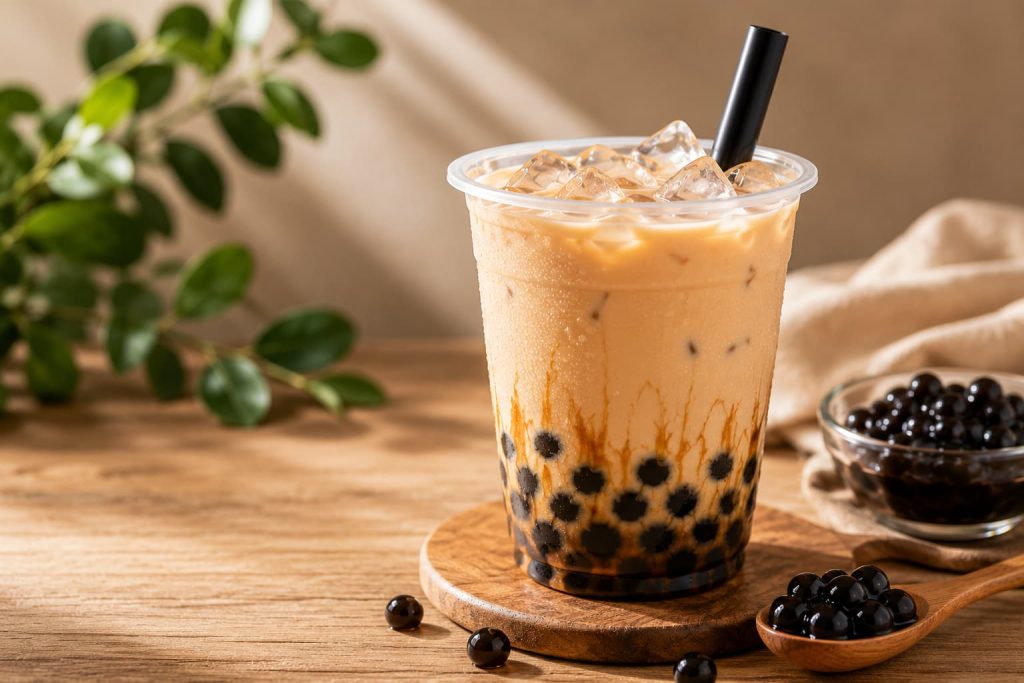
One of the main reasons PET cups crack is insufficient wall thickness. Thin-walled cups may reduce material costs, but they compromise structural integrity. During transport, vibrations, stacking pressure, and sudden handling stresses can create weak points, leading to cracks or fractures.
High-quality manufacturers like [DaShan Packaging 🌟] use advanced thermoforming technology to ensure uniform wall thickness. This improves durability while maintaining clear visibility and a premium appearance for beverages.
Stacking Pressure and Logistics Challenges
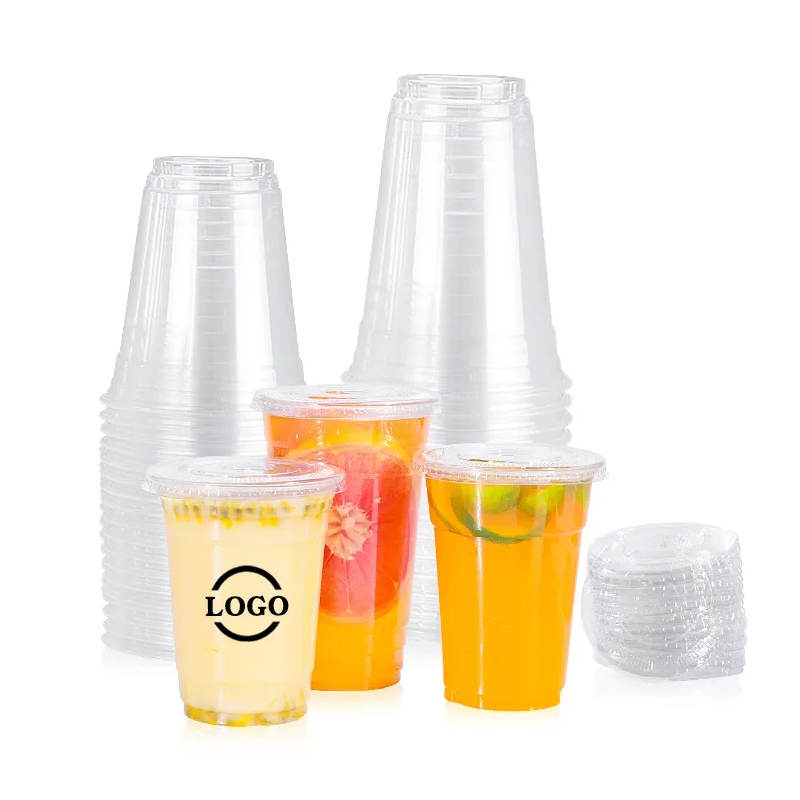
Stacking cups during storage and shipment is common practice, but improper stacking can generate uneven pressure. Cups at the bottom of a stack are particularly vulnerable.
By using supportive trays and reinforced cup designs from [🥤 PET Cup Series], and conducting proper stacking tests, suppliers such as [DaShan Packaging 🌟] ensure cups withstand standard transportation loads without breaking.
Temperature Fluctuations During Transport
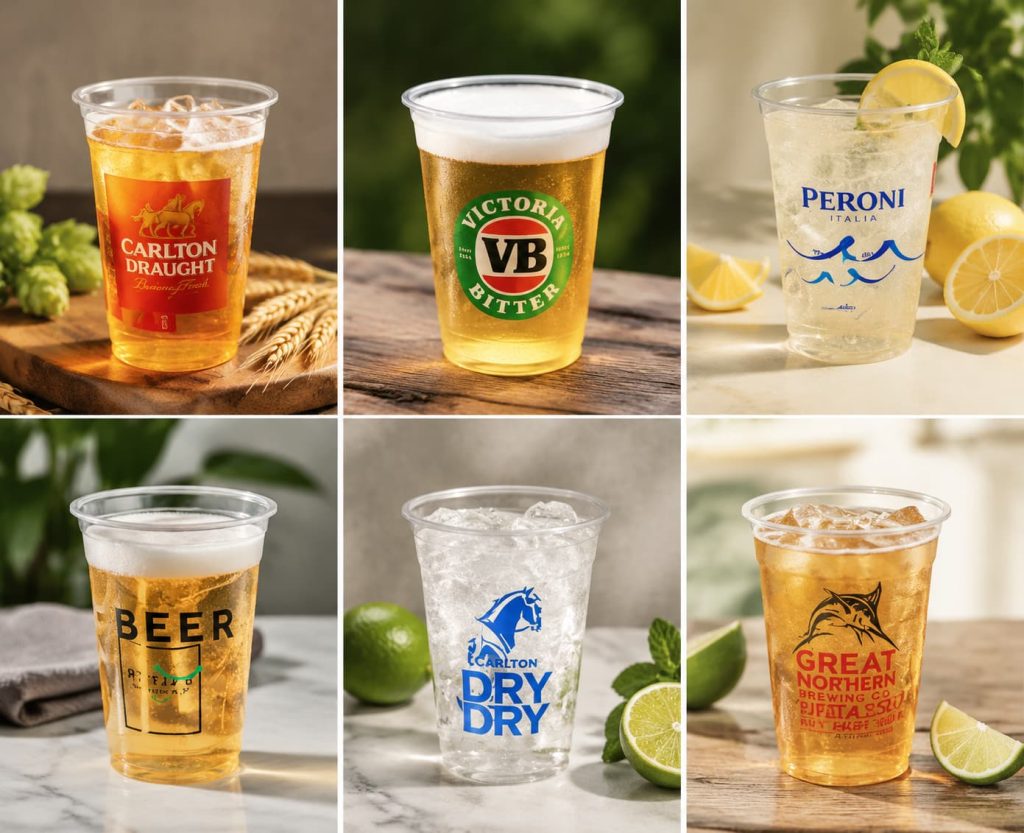
Temperature changes can significantly impact PET cup durability. Cold temperatures make the material brittle, whereas excessive heat softens the cups, increasing the risk of cracking during handling.
Premium PET materials with controlled crystallinity, like those from [DaShan Packaging 🌟], maintain structural stability across a wide temperature range. This ensures cups remain intact from warehouse to delivery point, whether in refrigerated trucks or ambient conditions.
Cup Design Considerations
Cup design is crucial for durability:
- Reinforced rims provide extra strength
- Slightly tapered sides help distribute stress evenly
- Reinforced bases prevent deformation under stacking pressure
Even with high-quality PET, poor design can lead to cracks. [DaShan Packaging 🌟] optimizes cup geometry to combine aesthetics, transparency, and strength, ensuring safe delivery and consumer satisfaction.
Case Study: Beverage Brand Logistics
A popular smoothie chain reported frequent breakage of PET cups during cross-country transport. Analysis revealed:
- Wall thickness below recommended specifications
- Overstacked pallets in distribution
- Exposure to fluctuating temperatures
Switching to [🥤 PET Cup Series] with proper wall thickness and using reinforced trays reduced breakage by over 90%. Additionally, the brand improved customer satisfaction and reduced product loss, demonstrating the importance of high-quality disposable packaging.
Operational Strategies to Prevent Cracking
Businesses can reduce the risk of PET cup breakage by:
- Using durable [🥤 PET Cup Series] with verified wall thickness
- Avoiding overstacking and using supportive trays
- Monitoring storage and transport temperatures
- Performing quality inspections and drop tests before shipment
- Collaborating with experienced suppliers such as [DaShan Packaging 🌟]
For custom solutions and bulk orders, contact us 📩 to discuss specifications and sample requests.
Frequently Asked Questions (FAQ)
1. Why do PET cups crack even if the material looks good?
Cracking often occurs due to thin walls, stacking pressure, or temperature fluctuations. Even premium PET can fail without proper design and handling.
2. Can reinforced PET cups survive long-distance transport?
Yes. Cups from manufacturers like [DaShan Packaging 🌟] undergo stacking, drop, and temperature tests to ensure safe delivery.
3. How can I test my PET cups before shipping?
Perform drop tests, compression tests, and temperature cycling to identify potential weak points.
4. Can customization help prevent cracking?
Absolutely. Wall thickness, base reinforcement, and rim design can all improve structural performance. [DaShan Packaging 🌟] offers tailored solutions for various cup sizes and beverage types.
5. How do I contact DaShan for PET cup solutions 📩?
Reach out via [Contact Us 📩] for product consultation, quotes, or samples.
References
- FDA Food Contact Material Guidance – https://www.fda.gov/food/packaging-food-contact-substances-fcs
- Packaging Europe – PET Beverage Packaging Insights – https://packagingeurope.com
- Smithers Pira – Beverage Cup Market Report – https://www.smithers.com/services/market-reports/packaging
- DaShan Packaging Technical Documentation – https://www.dashanpacking.com
Copyright Notice
© 2026 DaShan Packaging. All rights reserved.
All content, including text, graphics, tables, and images, is protected by copyright. Reproduction or distribution without written permission is prohibited. For commercial inquiries, partnerships, or authorized use, please contact [DaShan Packaging 📩].