
Introduction
Dubai is not only a bustling metropolis with an impressive skyline but also a global hub for luxury, innovation, and diverse consumer markets. The food industry in Dubai, like in many other parts of the world, is deeply influenced by trends in packaging, which play a crucial role in shaping consumer preferences and buying behaviors. In a city known for its cutting-edge architecture, upscale dining experiences, and environmentally-conscious initiatives, food packaging in Dubai is evolving in line with these cultural and technological developments. This article delves into the materials, designs, and shapes of food packaging in Dubai, with a focus on the consumer preferences that define this market. By examining these factors, we can gain a deeper understanding of how food packaging has become an integral part of Dubai’s food culture.
1. Understanding the Dubai Consumer Market
The food packaging industry in Dubai is unique due to the city’s cosmopolitan nature and its highly diverse population, with residents and visitors from over 200 nationalities. This cultural variety shapes the food and packaging market, which needs to cater to a broad range of preferences. In addition, the city’s rapid urbanization and the increasing demand for convenience products have led to significant shifts in packaging trends.
1.1 The Multicultural Influence
Dubai’s multicultural demographic means that packaging often needs to reflect both global and local aesthetics, with specific design elements appealing to regional tastes while remaining globally recognized for its luxury and style.
-
Local Preferences: Traditional Arab designs may influence packaging aesthetics for some food products, especially those related to hospitality or gourmet goods.
-
Global Appeal: Given Dubai’s position as a global business hub, many food products use packaging that appeals to both local and international markets.
1.2 Changing Lifestyles and Preferences
The lifestyle in Dubai is fast-paced and modern, which influences the demand for quick, easy, and portable food packaging. Convenience is paramount, with a growing preference for ready-to-eat and on-the-go food packaging.
-
Single-Serve Packaging: Consumers prefer packaging that is easy to carry, consume, and dispose of, reflecting the demands of busy professionals and tourists.
-
Sustainability: As more consumers adopt environmentally conscious habits, eco-friendly food packaging is increasingly becoming a key factor in their purchasing decisions.
2. Key Food Packaging Materials in Dubai
Material choice is crucial when it comes to food packaging, not just from a functionality standpoint but also in terms of sustainability and aesthetics. In Dubai, the materials used in food packaging vary widely, with both traditional and modern options available to suit different market needs.
2.1 Plastic Packaging: The Dominant Choice
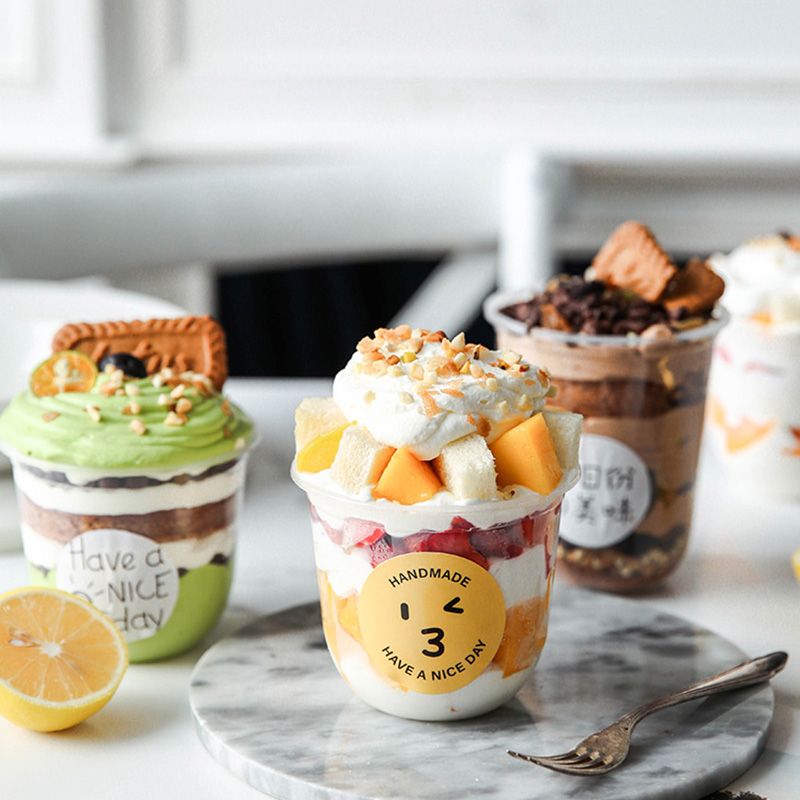
Plastic remains one of the most widely used materials for food packaging in Dubai. Its versatility, durability, and cost-effectiveness make it ideal for a range of food products. The most common plastic types in use are:
-
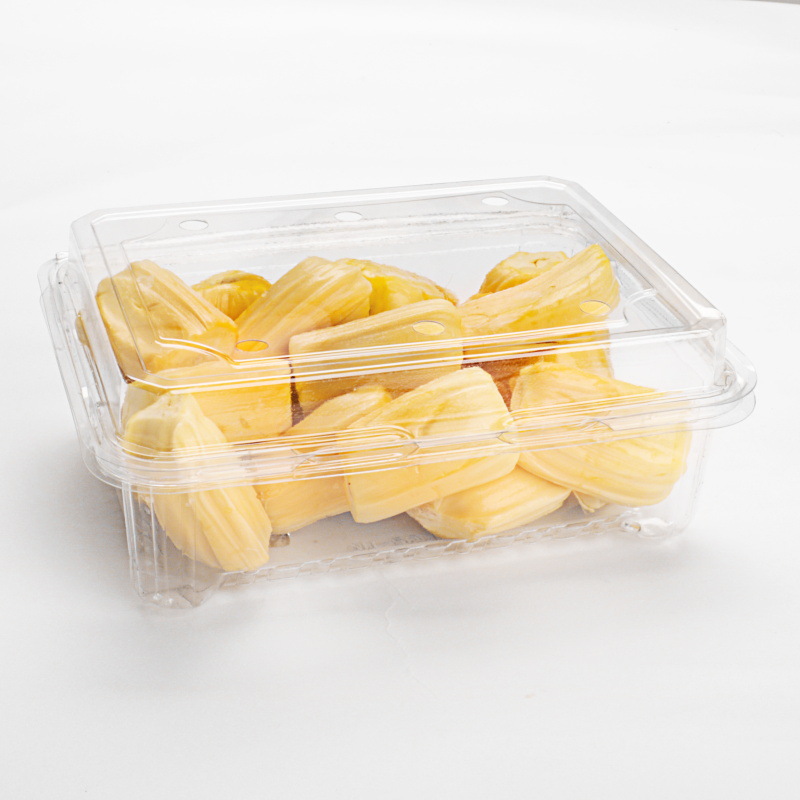
PET (Polyethylene Terephthalate): Known for its clarity and recyclability, PET food packaging is ideal for beverages, salads, and snacks.
-
PP (Polypropylene): Preferred for its heat resistance and flexibility, PP packaging is commonly used for takeaway containers, hot food, and deli items.
-
PLA (Polylactic Acid): As an eco-friendly alternative to petroleum-based plastics, PLA packaging is biodegradable and increasingly used for sustainable packaging in Dubai’s foodservice industry.
2.1.1 Advantages and Disadvantages of Plastic Packaging
-
Advantages: Lightweight, durable, cost-effective, and versatile.
-
Disadvantages: Environmental concerns related to plastic waste, leading to a growing demand for recyclable and biodegradable options.
2.2 Eco-Friendly Materials: A Growing Trend
In recent years, there has been a clear shift towards sustainable food packaging in Dubai, driven by both consumer demand and government regulations aimed at reducing plastic waste.
-
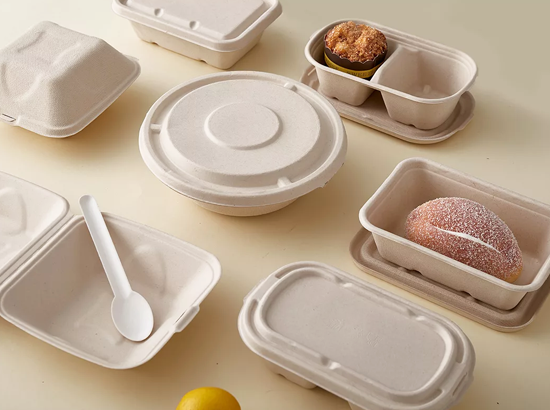
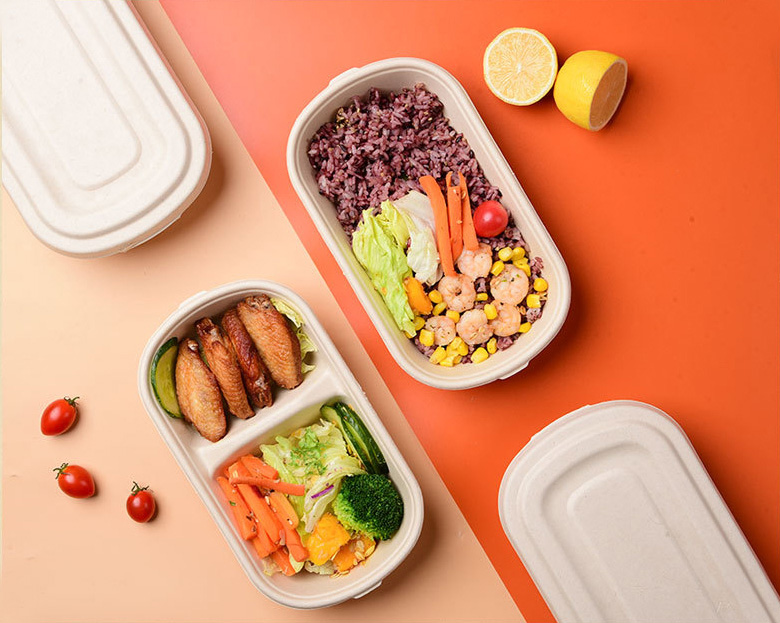
Sugarcane Bagasse: A byproduct of the sugarcane industry, sugarcane bagasse is an increasingly popular alternative for disposable plates, trays, and containers. It is compostable, biodegradable, and provides a more sustainable solution compared to traditional plastics.
-
Recycled PET (RPET): As part of the city’s efforts to promote circular economy models, RPET is a popular material for packaging, as it is made from post-consumer plastic waste and can be recycled multiple times.
-
Compostable Packaging: Packaging made from biodegradable materials such as cornstarch or PLA is becoming more common in Dubai, particularly for food-to-go options.
2.2.1 Advantages and Challenges of Eco-Friendly Materials
-
Advantages: Reduced environmental impact, recyclable, biodegradable, and promotes sustainability.
-
Challenges: Higher cost, limited availability, and lack of widespread infrastructure for composting or recycling.
3. Food Packaging Design Preferences
Dubai is known for its luxurious lifestyle, and this is reflected in the packaging designs of food products. Consumers are attracted to well-designed packaging that communicates quality, premium status, and visual appeal. Design elements in food packaging also consider practicality and functionality, balancing aesthetic value with ease of use.
3.1 Luxury Packaging Trends
Dubai is home to a thriving luxury market, and this extends to food packaging. High-end food brands and gourmet food items are often packaged in premium packaging, which includes:
-
Metallic finishes, embossed logos, and high-quality printing: These design features appeal to Dubai’s affluent consumer base and create a sense of exclusivity.
-
Luxury Food Boxes and Containers: Premium food packaging might include intricate, custom-designed boxes made of high-end materials like rigid paperboard, glass, or even gold-plated finishes.
3.2 Minimalist and Functional Designs
While luxury packaging is in demand, there is also a growing trend for minimalist packaging designs, particularly for health-conscious food products or everyday consumables. Simple, clean, and elegant designs with a focus on clear labeling and functionality appeal to modern Dubai consumers who prefer practicality and efficiency.
-
Clean Lines and Modern Typography: Food products that prioritize health, organic ingredients, or sustainability often have minimalist designs with bold fonts and simple imagery.
3.3 Customization and Branding
In a highly competitive food market like Dubai’s, branding and custom packaging have become essential. Companies are increasingly offering customized packaging for their food products, allowing them to create unique, recognizable packaging that appeals to the local market.
-
Personalized Packaging: Custom packaging allows businesses to establish a distinctive brand identity and connect with consumers on a deeper level, which is especially important in a cosmopolitan market like Dubai.
-
Branding through Colors and Symbols: Many food brands in Dubai use color psychology and culturally resonant symbols in their packaging to appeal to both local and international consumers.
4. Shape and Functionality of Food Packaging
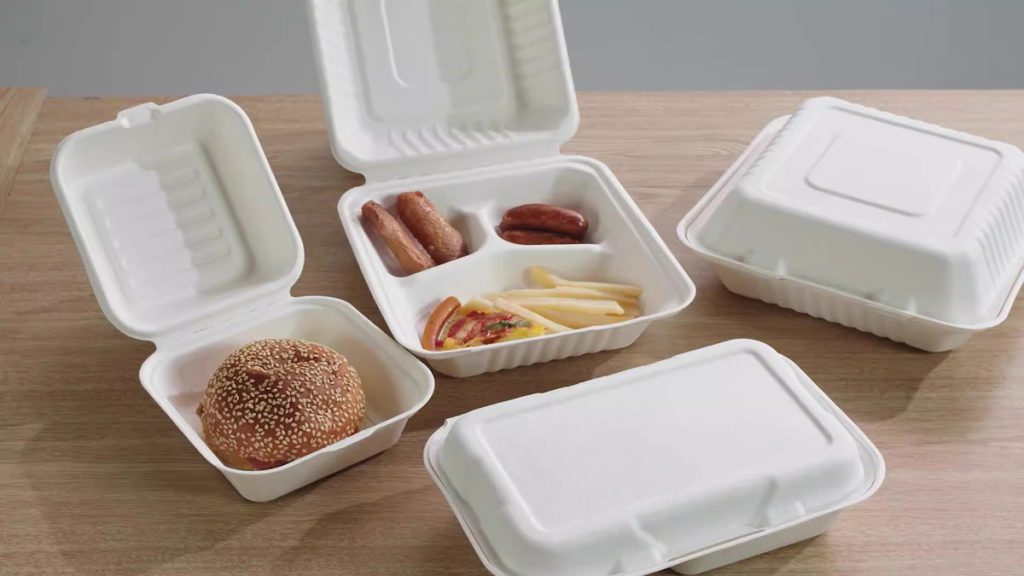
The shape of food packaging plays an important role in its functionality, ease of use, and attractiveness. Consumers in Dubai are drawn to packaging that is both visually appealing and practical.
4.1 Traditional vs. Modern Packaging Shapes
Traditional food packaging shapes, such as square containers and round cups, remain popular in Dubai. However, as food packaging becomes more innovative, designers are experimenting with non-traditional shapes to make products stand out on shelves.
-
Custom Shapes: Hexagonal packaging, triangular boxes, and even custom molds are becoming more common, particularly in the luxury food sector.
-
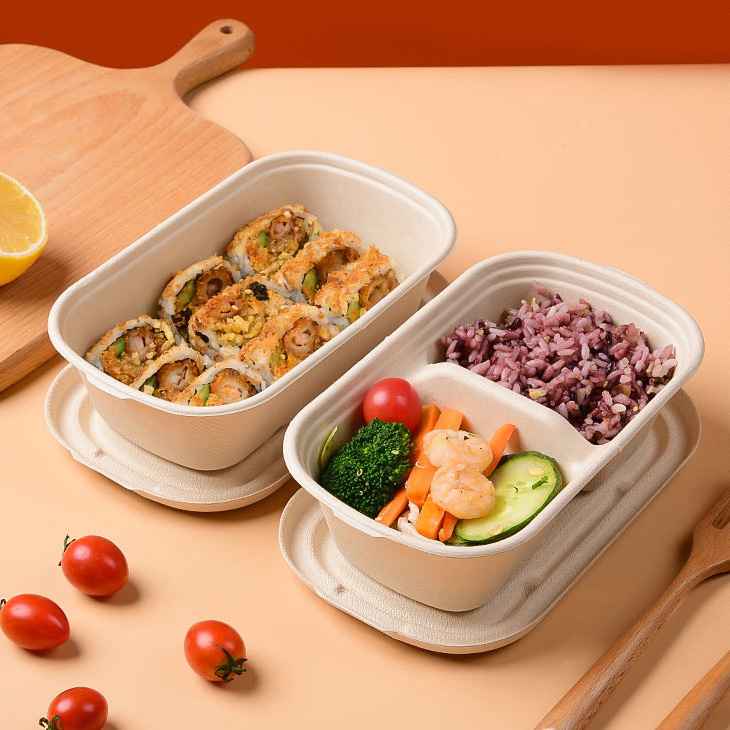
Innovative Takeaway Boxes: For takeaway food, stackable packaging or containers with multiple compartments that separate different items (e.g., salad, dressings, and protein) are favored for convenience.
4.2 Practical Considerations in Food Packaging
In addition to aesthetics, food packaging must also meet practical needs. For example:
-
Leak-Proof and Spill-Resistant Designs: Packaging for liquids or greasy foods needs to be leak-resistant to ensure hygiene and prevent spills during transport.
-
Microwave and Freezer-Friendly Containers: Microwave-safe packaging is often in demand for ready-to-eat meals, while freezer-safe options are preferred for frozen food products.
5. Consumer Behavior and Market Trends in Dubai
Consumer behavior in Dubai is heavily influenced by the city’s affluent lifestyle, environmental concerns, and growing demand for convenience. This section explores the current trends in food packaging and how these trends align with broader market dynamics.
5.1 Sustainability and Eco-Friendly Practices
As Dubai continues to work toward its sustainability goals, eco-friendly food packaging is increasingly gaining traction. Consumers are becoming more aware of the environmental impact of their purchases, leading to a growing preference for packaging made from recyclable, biodegradable, or sustainable materials.
5.2 Health and Wellness Influence
The health and wellness trend is also impacting food packaging choices. With more consumers seeking organic, plant-based, and health-focused foods, packaging for these products often emphasizes natural, eco-friendly materials and clear labeling that highlights nutritional information and ingredient transparency.
Conclusion: The Future of Food Packaging in Dubai
The future of food packaging in Dubai is likely to continue evolving, with a growing emphasis on sustainability, luxury, and innovation. As the city progresses toward a more sustainable and health-conscious future, food packaging will reflect these values, offering consumers products that align with their desires for convenience, environmental responsibility, and visual appeal.
In conclusion, Dubai’s food packaging market is both diverse and dynamic, shaped by consumer preferences for quality, functionality, and sustainability. As packaging technologies advance and consumer demands change, Dubai will remain at the forefront of global food packaging trends.
Frequently Asked Questions (FAQ)
1. What materials are most commonly used for food packaging in Dubai?
In Dubai, plastic packaging remains the most widely used material due to its durability, cost-effectiveness, and versatility. PET (Polyethylene Terephthalate) and PP (Polypropylene) are particularly popular for beverages, takeaway containers, and snack packaging. However, there is a growing trend towards eco-friendly materials such as PLA (Polylactic Acid), sugarcane bagasse, and recycled PET (RPET), driven by sustainability concerns.
2. How does packaging design influence consumer behavior in Dubai?
In Dubai, packaging design plays a significant role in consumer behavior, especially in luxury and premium segments. Consumers are attracted to luxurious packaging that reflects exclusivity, with features such as metallic finishes and intricate designs. Minimalist packaging is also gaining popularity, especially for health-conscious products, as it signifies simplicity, transparency, and authenticity.
3. Are eco-friendly packaging options widely available in Dubai?
Yes, eco-friendly packaging is becoming more available in Dubai, with many businesses opting for biodegradable and compostable materials such as sugarcane bagasse and PLA. Additionally, recycled plastics like RPET are being used more frequently to reduce environmental impact, as part of the UAE’s broader sustainability initiatives.
4. What are the trends in food packaging for takeaway and delivery services?
With the rise of food delivery services, takeaway packaging in Dubai is focusing on convenience, functionality, and safety. Consumers prefer leak-proof containers, stackable designs, and easy-to-carry options. The use of microwave-safe and freezer-friendly materials is also on the rise, as consumers demand packaging that supports multiple uses and convenience.
5. Why are customization and branding important in food packaging in Dubai?
Customization and branding are crucial in a competitive market like Dubai. Personalized packaging helps companies differentiate themselves, enhance brand visibility, and connect with consumers emotionally. This is particularly important in Dubai’s diverse market, where food products from different cultures need packaging that resonates with local preferences while still maintaining global appeal.
References
-
Dubai Food Code. (2021). Regulations on food packaging materials and their safety standards. Dubai Municipality. Retrieved from https://www.dm.gov.ae
-
Sustainability in Food Packaging. (2022). Report on the rising trends of biodegradable and recyclable packaging in Dubai. Dubai Green Economy Initiative. Retrieved from https://www.dubai.gov.ae
-
Jones, R., & Kumar, S. (2020). The Future of Food Packaging in Urban Markets: Insights from Dubai. Food Packaging Journal, 12(4), 45-58. DOI: 10.1016/j.foodpack.2020.01.003
-
Dubai Sustainability Report. (2023). Innovations in packaging: Trends towards sustainability. The Emirates Environmental Group. Retrieved from https://www.eeg.org
-
Sethi, R., & Patel, S. (2021). The Role of Luxury and Custom Packaging in Dubai’s Food Market. Journal of Packaging and Marketing, 8(3), 130-142. DOI: 10.1098/jpm.2021.008
-
Food Packaging Materials: A Comprehensive Guide. (2021). Guide to the most popular packaging materials in the UAE and their benefits. Food Manufacturing and Packaging International. Retrieved from https://www.fmpi.com
-
Recycling and Waste Management in Dubai. (2022). A report on the growing emphasis on waste reduction and packaging recycling in Dubai’s food industry. Waste Management Authority, Dubai. Retrieved from https://www.wma.ae
Copyright Statement
© 2025 Dashan Packing. All rights reserved.
This article is an original work created by the Dashan Packing editorial team.
All text, data, and images are the result of our independent research, industry experience,
and product development insights. Reproduction or redistribution of any part of this content
without written permission is strictly prohibited.
Dashan Packing is committed to providing accurate, evidence-based information and
to upholding transparency, originality, and compliance with global intellectual property standards.