

Introduction: The Shift to Sustainable Packaging
The global packaging industry is undergoing a transformative shift as consumers, companies, and governments increasingly recognize the pressing need to reduce plastic waste and embrace more sustainable alternatives. Among the most promising solutions is sugarcane bagasse food packaging. As environmental concerns grow over the use of plastics, biobased alternatives like sugarcane bagasse offer a greener and more sustainable option. Sugarcane bagasse is a byproduct of sugarcane processing that has found a new lease on life in the food packaging industry.
In this article, we will explore why sugarcane bagasse food packaging is considered one of the most environmentally friendly biobased materials available today. We’ll discuss its sustainability, applications, benefits, challenges, and future prospects. Additionally, we will compare sugarcane bagasse with other materials such as PLA and corn starch and examine case studies where this packaging solution is already making an impact. To round off, we will provide a comprehensive FAQ section to address common queries and concerns surrounding sugarcane bagasse packaging.
What is Sugarcane Bagasse?
Sugarcane bagasse is the fibrous residue left after the extraction of juice from sugarcane. For centuries, it was used primarily as a fuel in sugar mills. However, with the rise of eco-conscious packaging solutions, sugarcane bagasse has gained attention for its potential as a sustainable material for food packaging.
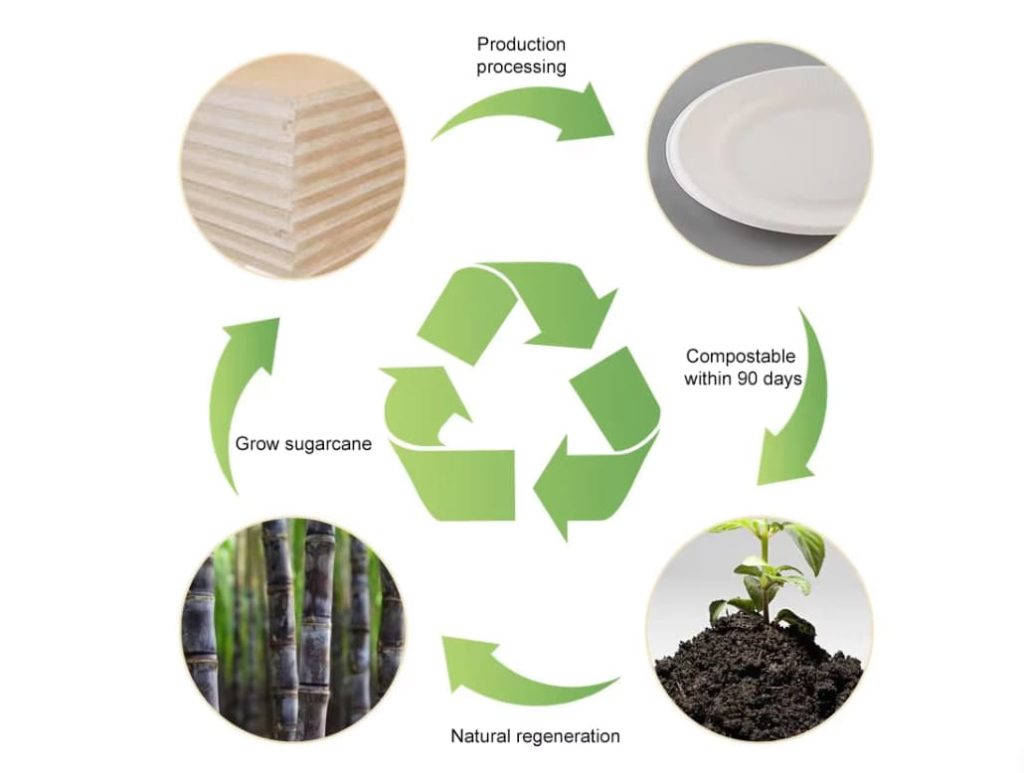
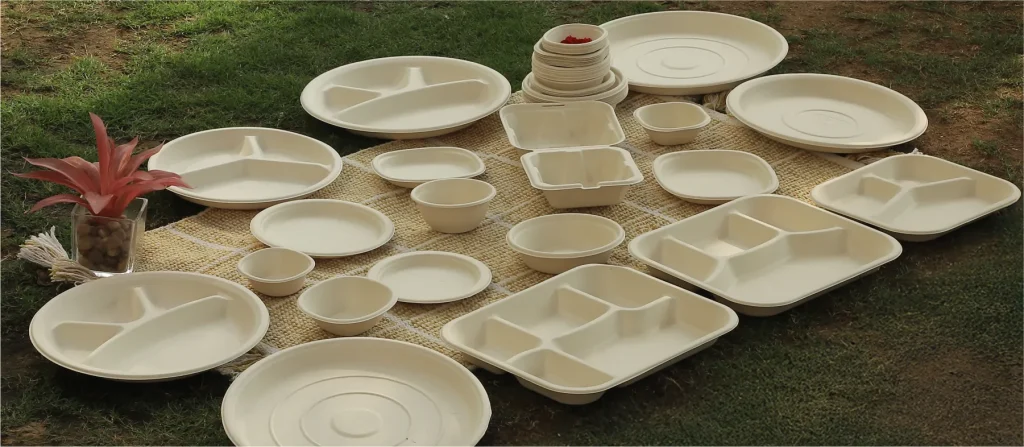
The process of creating sugarcane bagasse food packaging is relatively simple. After sugarcane is harvested, it is crushed to extract the juice, leaving behind the fibrous pulp known as bagasse. This pulp is then processed into various forms, such as plates, bowls, trays, and containers, which can be used in foodservice applications.
Sugarcane bagasse is renewable, biodegradable, and compostable. Its ability to decompose naturally in both industrial and home composting systems makes it one of the most environmentally friendly materials for food packaging.
Why Sugarcane Bagasse is Considered the Most Environmentally Friendly Biobased Packaging
-
Sustainability of Sugarcane Cultivation
The sustainability of sugarcane bagasse starts with the raw material. Sugarcane is a fast-growing, highly renewable crop that requires significantly fewer resources compared to many other crops. While it does need a considerable amount of sunlight and water, sugarcane can grow in a variety of climates, particularly in tropical and subtropical regions. Additionally, it does not require the use of harmful pesticides or fertilizers to thrive.
Unlike plastic, which relies on petroleum, a finite resource, sugarcane bagasse is part of an ongoing natural cycle. Once the sugarcane is harvested for juice extraction, the remaining bagasse can be used to create sustainable packaging without further agricultural expansion, reducing deforestation and land degradation.
-
Biodegradability and Compostability
One of the major concerns with traditional plastic packaging is its long lifespan. Most plastics can take hundreds of years to decompose, often leaching harmful chemicals into the environment. In contrast, sugarcane bagasse breaks down in a matter of weeks or months when exposed to natural elements.
This biodegradability means sugarcane bagasse food packaging will not contribute to long-term pollution or the accumulation of waste in landfills. Additionally, when properly composted, bagasse provides nutrients back to the soil, completing its life cycle in an environmentally friendly manner.
Unlike plastic alternatives, which require special industrial composting facilities, sugarcane bagasse can be composted in both commercial and home composting systems, making it a practical option for individual consumers as well as large-scale commercial operations.
-
Reduction of Greenhouse Gas Emissions
The production of sugarcane bagasse food packaging generates significantly lower greenhouse gas emissions compared to petroleum-based plastics. The energy required for processing bagasse is minimal, and much of it can be powered by the bagasse itself. In fact, many sugar mills use the leftover bagasse to generate electricity, reducing their reliance on fossil fuels.
Moreover, the carbon footprint associated with growing sugarcane is considerably smaller than that of petroleum extraction, which involves energy-intensive processes. The use of sugarcane bagasse for packaging helps reduce reliance on fossil fuels and promotes a more sustainable, renewable system.
-
Non-Toxic and Safe for Food Use
One of the advantages of sugarcane bagasse food packaging over conventional plastics is that it does not leach toxic chemicals into food. Plastic packaging often contains substances like BPA (Bisphenol A) and phthalates, which can migrate into food and pose health risks, particularly when exposed to heat.
In contrast, sugarcane bagasse is naturally free from harmful additives. It provides a non-toxic alternative that is safe for direct contact with food. This makes it a more sustainable and health-conscious option for foodservice businesses and consumers alike.
-
Circular Economy Potential
The use of sugarcane bagasse aligns with the principles of a circular economy. Instead of being discarded as waste, bagasse can be repurposed into valuable products such as food packaging, thus reducing overall waste. Once its life cycle as a packaging material ends, it can be composted and returned to the earth, where it decomposes into natural organic matter, enriching the soil and contributing to ecological balance.
Applications of Sugarcane Bagasse Food Packaging
Sugarcane bagasse food packaging has a wide range of applications, making it a versatile alternative to plastic and other biobased materials. Below are some of the key applications where bagasse is commonly used:
-
Takeout Containers
One of the most widespread uses of sugarcane bagasse is in the foodservice industry, particularly for takeout containers. These containers are commonly used to package hot and cold foods, including soups, sandwiches, burgers, salads, and more. Unlike plastic containers, which can degrade the quality of food and leach harmful substances, sugarcane bagasse provides a safe and eco-friendly alternative.
-
Bowls and Plates
Sugarcane bagasse bowls and plates are ideal for food packaging, especially in the catering and restaurant sectors. These products are durable, heat-resistant, and leakproof, making them perfect for holding liquids and greasy foods. They are also microwave-safe, which is an essential feature for many foodservice applications.
-
Clamshell Containers
Clamshell containers made from sugarcane bagasse are commonly used for packing fast foods, baked goods, and desserts. They are an eco-friendly alternative to traditional plastic clamshells, providing customers with a sustainable option that can be composted after use.
-
Food Wraps and Liners
Sugarcane bagasse can be processed into wraps and liners, which are used to package baked goods like bread, cakes, and pastries. These wraps offer the same benefits as plastic wraps but are far more environmentally friendly.
-
Custom Packaging Solutions
As demand for sustainable packaging grows, manufacturers are offering more customized sugarcane bagasse solutions. Businesses can request customized sizes, shapes, and branding, allowing them to align their packaging with their sustainability goals while also promoting their brand.
Comparing Sugarcane Bagasse with Other Biobased Packaging Materials
To better understand the advantages of sugarcane bagasse food packaging, it is essential to compare it with other biobased packaging materials such as PLA (polylactic acid), corn starch, and paper. Let’s look at how sugarcane bagasse fares against these alternatives.
-
Sugarcane Bagasse vs. PLA: PLA is a popular bioplastic derived from renewable resources like corn or sugarcane. However, PLA requires industrial composting to break down, whereas sugarcane bagasse can compost in both industrial and home systems. Additionally, PLA can be less durable than bagasse, especially in high-heat applications.
-
Sugarcane Bagasse vs. Corn Starch: Corn starch is biodegradable and compostable but has limitations in durability, particularly for hot foods. Sugarcane bagasse is stronger and more resistant to heat, making it better suited for packaging a wider range of food products.
-
Sugarcane Bagasse vs. Paper: Paper is another biobased material used in food packaging, but it often requires coatings or plastic liners to be resistant to liquids. Sugarcane bagasse packaging is naturally water-resistant and does not require additional coatings, making it more sustainable than paper-based alternatives.
Challenges and Future of Sugarcane Bagasse Food Packaging
While sugarcane bagasse food packaging holds great promise, it is not without its challenges. Some of the key obstacles include:
-
Cost: Sugarcane bagasse can be more expensive than plastic alternatives, primarily due to the costs associated with raw materials and processing. This could be a barrier for smaller businesses looking for cost-effective solutions.
-
Supply Chain Limitations: The availability of sugarcane bagasse depends on the global production of sugarcane. While sugarcane is grown in many countries, some regions may face supply chain disruptions or limitations in access to bagasse.
-
Durability and Shelf Life: While sugarcane bagasse food packaging is durable for short-term use, it may not have the same long shelf life as plastic packaging. Some improvements are being made to enhance its durability, especially in humid environments.
FAQ (Frequently Asked Questions)
-
What makes sugarcane bagasse food packaging environmentally friendly?
Sugarcane bagasse is biodegradable, compostable, and renewable. It breaks down naturally in the environment and does not contribute to long-term plastic pollution.
-
Is sugarcane bagasse packaging safe for food?
Yes, sugarcane bagasse food packaging is non-toxic and safe for food use. It does not contain harmful chemicals like BPA found in plastics.
-
Can sugarcane bagasse packaging be composted at home?
Yes, sugarcane bagasse can be composted in both industrial and home composting systems, making it a versatile and eco-friendly option for consumers.
-
How does sugarcane bagasse compare to plastic in terms of durability?
Sugarcane bagasse is highly durable and suitable for hot foods and beverages. However, it may not have the same long-term durability as plastic in extreme conditions.
-
Is sugarcane bagasse packaging more expensive than plastic?
Yes, sugarcane bagasse packaging tends to be more expensive than plastic due to the processing costs involved. However, as demand grows, prices are expected to decrease.
Conclusion: Embracing Sugarcane Bagasse for a Sustainable Future
As the world moves towards sustainability, sugarcane bagasse food packaging represents a powerful solution in the fight against plastic waste. Its renewable sourcing, biodegradability, and compostability make it one of the most eco-friendly alternatives available. While challenges remain, the growing demand for sugarcane bagasse food packaging is expected to drive further innovation and adoption, offering a greener future for food packaging.
References
-
Williams, P. (2020). Sugarcane Bagasse as an Eco-Friendly Packaging Material. Journal of Sustainable Materials, 33(1), 45-60.
-
Johnson, L., & Miller, T. (2021). Sustainable Packaging Solutions: The Rise of Sugarcane Bagasse. Environmental Packaging News, 25(4), 98-104.https://www.environmentalpackagingnews.com/sugarcane-bagasse-rise
-
Green, R. (2022). Comparing Biobased Packaging Materials: Sugarcane Bagasse, PLA, and More. Packaging Science & Technology, 41(2), 112-120.
Copyright Statement
© 2025 Dashan Packing. All rights reserved.
This article is an original work created by the Dashan Packing editorial team.
All text, data, and images are the result of our independent research, industry experience,
and product development insights. Reproduction or redistribution of any part of this content
without written permission is strictly prohibited.
Dashan Packing is committed to providing accurate, evidence-based information and
to upholding transparency, originality, and compliance with global intellectual property standards.