

Quick Summary
This article explores the most common bowl sizes in the fast-casual dining sector, focusing on the 25oz size popular in Europe and the 32oz size favored in the U.S. It delves into the reasons behind these preferences, including cultural dietary habits, consumer behavior, and portion sizes. The article also examines the importance of sustainable packaging materials like PET, PLA, and RPET, and how Dashan leads in offering customizable, eco-friendly packaging solutions. Additionally, it highlights the operational benefits of standardized packaging sizes, such as cost efficiency and improved inventory management. As the industry continues to evolve, the demand for eco-friendly, functional packaging is expected to grow, with Dashan at the forefront of meeting these needs in the fast-casual market.
Introduction
The fast-casual dining sector has seen tremendous growth in recent years, driven by the increasing consumer demand for convenient, high-quality meals that are both affordable and healthy. In this highly competitive industry, packaging plays a crucial role in enhancing the customer experience, maintaining food quality, and promoting sustainability. One aspect of packaging that has sparked a global conversation is the size of food containers. In Europe, the 25oz container is a standard, while in the U.S., the 32oz container dominates. This article delves into the reasons behind these size preferences, explores the impact of packaging materials on the industry, and highlights how companies like Dashan are leading the charge in sustainable, customizable packaging solutions for the fast-casual market.
Section 1: Fast-Casual Dining – An Overview
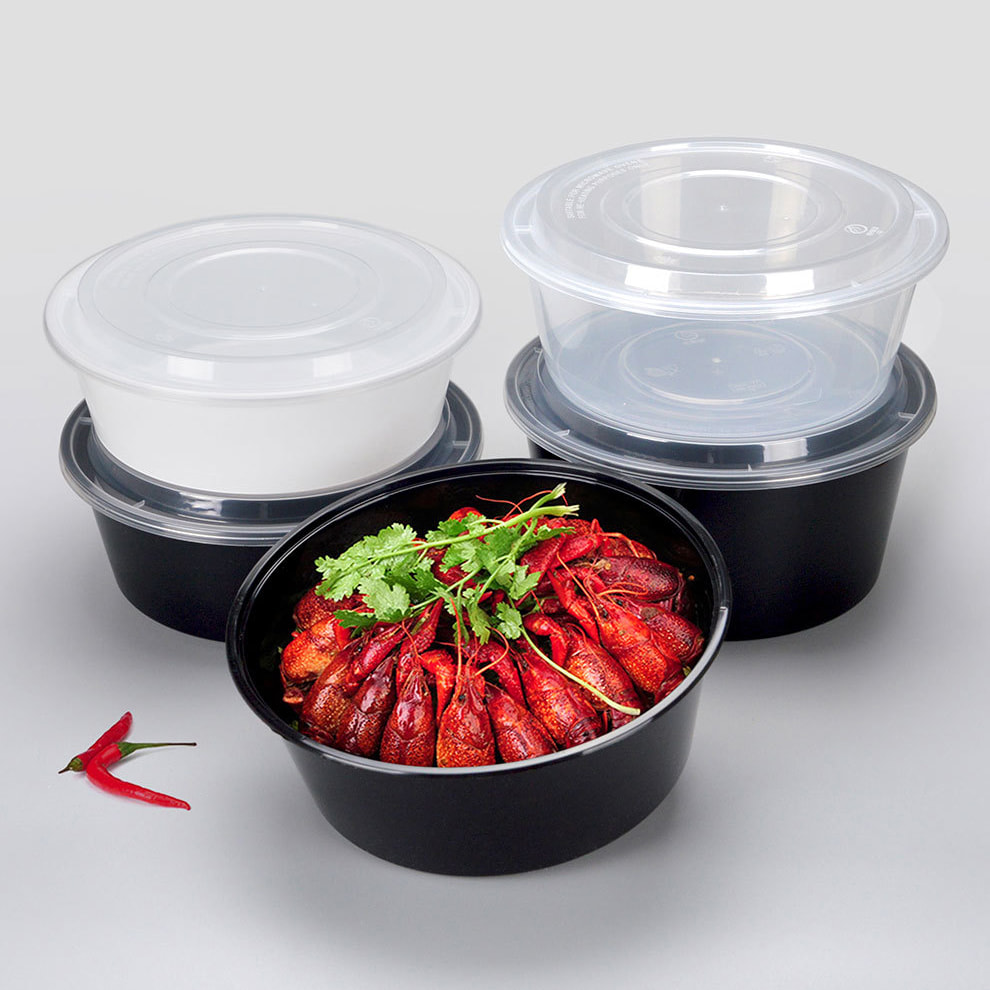
Fast-casual dining, which blends the speed of fast food with the higher quality of casual dining, has become a go-to choice for busy consumers. With a focus on fresh ingredients, customizable options, and quick service, fast-casual restaurants cater to the evolving preferences of modern consumers. As part of this growth, the importance of packaging cannot be overstated. Packaging serves as a vehicle for food, but also plays a significant role in creating brand identity, improving food safety, and ensuring that meals are delivered to customers in optimal condition.
The choices made in packaging materials and sizes are influenced by several factors: portion control, consumer perception of value, convenience, and sustainability. As we explore packaging sizes in the fast-casual sector, we’ll see how these factors shape the choices made by both restaurant operators and consumers.
Section 2: The Global Size Preferences in Fast-Casual Dining
Europe: 25oz – A Dominant Size
In Europe, 25oz packaging has emerged as the standard size for many fast-casual meals, including salads, rice bowls, and snacks. There are several reasons for this preference:
-
Consumer Behavior: European consumers tend to favor moderate portion sizes, which align with dietary habits focused on balance and health. A 25oz portion is seen as a satisfying, yet not overwhelming, size for a meal.
-
Dietary Preferences: The focus on balanced meals in many European countries means that consumers are often more conscious of portion control. A 25oz portion fits well into the concept of balanced eating.
-
Meal Types: In Europe, lighter meals like salads, grain bowls, and vegetable-based dishes are extremely popular. These types of meals fit well into a 25oz container, providing a perfect balance of ingredients while remaining light and fresh.
Data Table:
| Region | Most Common Size | Average Portion Size (oz) | Popular Packaging Materials |
|---|---|---|---|
| Europe | 25oz | 25oz | PET, RPET, PLA |
U.S.: 32oz – The Popular Size
In the United States, the 32oz packaging size is far more common, particularly for meals that include proteins, starches, and hearty side dishes. The reasons for the popularity of the 32oz container include:
-
Consumer Demand for Larger Portions: U.S. consumers tend to prefer larger portions, especially when dining out. The 32oz container offers a sense of value, with the portion size reflecting the expectations of American diners.
-
Diverse Menu Options: U.S. fast-casual restaurants offer a wider variety of heavier meal options, including grain bowls, burrito bowls, and large salads, all of which require a larger container to accommodate the range of ingredients.
-
The Perception of Value: Larger packaging sizes are often associated with better value for money, a crucial consideration for U.S. consumers who prioritize cost-effectiveness.
Data Table:
| Portion Size | % of Consumers Preferring | Common Food Items Packed |
|---|---|---|
| 25oz | 60% | Salads, light meals |
| 32oz | 70% | Full meals, beverages |
Section 3: The Packaging Materials and Sustainability
As consumer preferences shift toward more sustainable products, fast-casual restaurants are also looking to minimize their environmental footprint. The materials used for packaging play a significant role in achieving sustainability goals. Common packaging materials used in the fast-casual sector include:
-
PET (Polyethylene Terephthalate): PET is a widely used material due to its durability, clarity, and recyclability. It is often used for salads, fruit containers, and beverages.
-
PLA (Polylactic Acid): A biodegradable alternative to traditional plastics, PLA is made from renewable resources like corn starch and sugarcane. PLA packaging is commonly used for cold beverages and food items that require compostable containers.
-
RPET (Recycled PET): RPET is made from post-consumer recycled materials, making it an eco-friendly alternative to virgin PET. It is used extensively for both food and beverage packaging.
At Dashan, sustainability is at the forefront of packaging innovation. The company specializes in customizable, eco-friendly packaging options, offering a range of PET, PLA, and RPET products tailored to meet the diverse needs of fast-casual restaurants. By using these materials, Dashan ensures that its packaging solutions not only align with global sustainability trends but also provide functional, durable, and visually appealing packaging for fast-casual meals.
Section 4: Consumer Insights – Why Size Matters
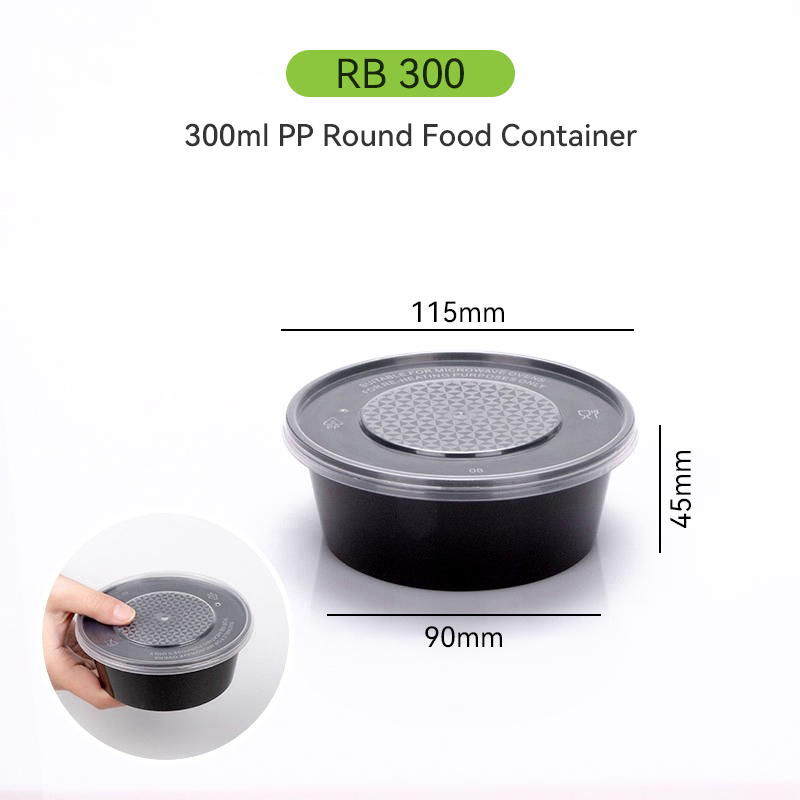
Packaging size is not just about holding food – it’s about how consumers perceive value, convenience, and portion control. Research has shown that:
-
Portion Size Perception: Consumers associate larger containers with better value. For example, in the U.S., a 32oz container is often seen as providing more food for the price, leading to higher satisfaction.
-
Portion Control: On the other hand, in Europe, smaller portions are often favored, as they encourage healthier eating habits and provide a more controlled dining experience.
-
Packaging as a Brand Identity: The size and design of a packaging container can also reflect a restaurant’s brand identity, with larger portions signaling a focus on hearty meals, and smaller portions emphasizing a more health-conscious, sustainable approach.
Section 5: Fast-Casual Packaging Trends and Innovations
The fast-casual dining industry continues to innovate in packaging, responding to consumer preferences and sustainability concerns. Key trends include:
-
Leak-Proof and Secure Packaging: Consumers increasingly demand packaging that keeps food secure, particularly for takeout and delivery. Innovations in leak-proof designs help maintain food quality.
-
Eco-Friendly Packaging: With the growing concern over plastic waste, many restaurants are opting for biodegradable, recyclable, or reusable packaging, aligning with consumer demand for sustainability.
At Dashan, packaging innovation is a core focus. The company’s customizable packaging solutions meet the growing demand for leak-proof, sustainable, and eye-catching packaging in the fast-casual market.
Section 6: Benefits of Standardized Packaging Sizes
Standardized packaging sizes, like 25oz in Europe and 32oz in the U.S., offer several operational benefits:
-
Inventory Management: By using a consistent size across their menu offerings, restaurants can streamline their inventory management, reducing waste and ensuring a consistent customer experience.
-
Cost Efficiency: Bulk purchasing of standardized packaging reduces costs and ensures that restaurants are able to predict their packaging needs with greater accuracy.
-
Customer Satisfaction: Consistent portion sizes create predictable dining experiences, leading to higher customer satisfaction and repeat business.
Section 7: Future Outlook for Fast-Casual Packaging
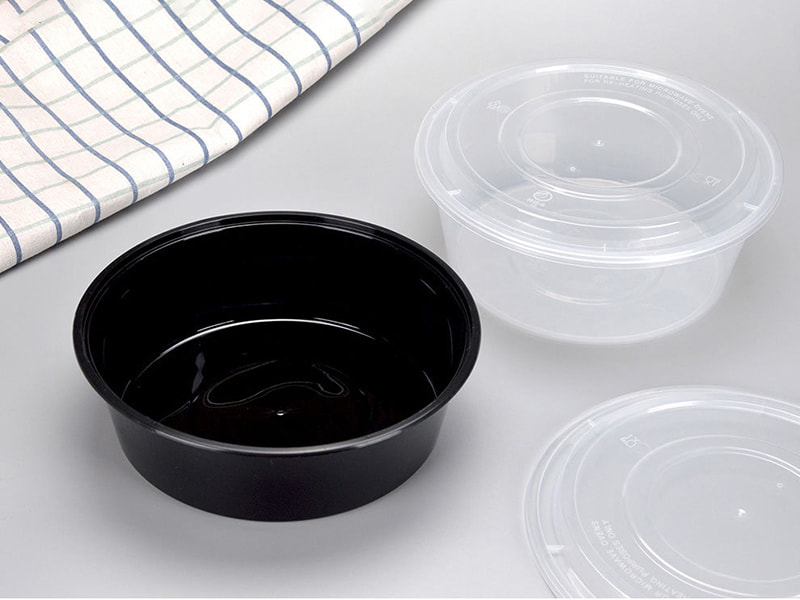
As consumer preferences continue to evolve, so will packaging sizes and materials. Looking ahead, we can expect:
-
Increased Focus on Sustainability: As environmental concerns grow, packaging made from renewable and biodegradable materials will become even more important in the fast-casual industry.
-
Smarter Packaging: The integration of technology into packaging – such as QR codes for interactive customer experiences or packaging that keeps food fresher for longer – will likely become more common.
At Dashan, the company is committed to staying ahead of these trends by continually improving its customizable, eco-friendly packaging solutions.
Conclusion
The fast-casual dining sector is evolving rapidly, with packaging playing a pivotal role in shaping the customer experience. In Europe, the 25oz size dominates, while in the U.S., the 32oz size remains the preferred choice. As consumer preferences continue to shift toward sustainability and convenience, packaging innovation will continue to be a critical component of the fast-casual experience. Dashan is proud to provide eco-friendly, customizable packaging solutions that meet the diverse needs of fast-casual restaurants worldwide.
FAQs
-
Why is 25oz the most common size in Europe?
-
European consumers prefer moderate portion sizes, with 25oz providing a balanced, healthy meal.
-
-
What are the benefits of using 32oz packaging in the U.S.?
-
The 32oz size meets the demand for larger portions, aligning with U.S. consumer preferences for hearty meals and better value.
-
-
How does packaging size impact customer satisfaction in fast-casual restaurants?
-
A consistent portion size ensures predictable experiences, leading to higher customer satisfaction.
-
-
What materials are commonly used for fast-casual packaging?
-
PET, PLA, and RPET are the most common materials, each with its environmental benefits.
-
-
How can Dashan’s customizable packaging solutions cater to fast-casual dining needs?
-
Dashan offers a wide range of customizable, eco-friendly packaging options for all types of fast-casual meals.
-
-
Is larger packaging always better in fast-casual?
-
Larger packaging is preferred in the U.S. for value perception, but portion size should always align with consumer preferences and dietary habits.
-
-
What role does sustainability play in packaging size choices?
-
Sustainability is a key driver in packaging decisions, with consumers demanding eco-friendly, recyclable, and biodegradable materials.
-
References
Copyright Statement
© 2026 Dashan Packing. All rights reserved.
This article is an original work created by the Dashan Packing editorial team.
All text, data, and images are the result of our independent research, industry experience,
and product development insights. Reproduction or redistribution of any part of this content
without written permission is strictly prohibited.
Dashan Packing is committed to providing accurate, evidence-based information and
to upholding transparency, originality, and compliance with global intellectual property standards.