

Quick Summary
Many food packaging importers make costly material mistakes by focusing on unit price, sustainability labels, or standardization. This article explains why barrier performance, food behavior, logistics conditions, and regulatory context matter more—and how smart importers choose materials that reduce food waste, complaints, and long-term costs.
Introduction: Why Packaging Material Mistakes Are Costly for Importers
For many food packaging importers, material selection is often treated as a procurement task rather than a strategic decision. As long as the product is labeled food-grade and meets basic regulatory requirements, it is considered “good enough.”
In reality, this assumption causes more hidden costs than almost any other decision in the packaging supply chain.
Incorrect material choices lead to:
-
Higher food waste rates
-
Product leakage or deformation during transport
-
Customer complaints and returns
-
Regulatory risks across different markets
-
Loss of brand trust for downstream clients
Packaging materials do not simply hold food. They directly affect food usability, shelf life, logistics efficiency, and sustainability outcomes. Importers who underestimate this relationship often pay for it later—quietly, repeatedly, and expensively.
This article breaks down the most common mistakes importers make when selecting food packaging materials, why those mistakes happen, and how experienced buyers avoid them.
Mistake #1: Choosing Materials Based Only on Unit Price
The most common error importers make is optimizing for lowest unit cost rather than lowest total cost.
At first glance, a cheaper tray, cup, or container appears to improve margins. But packaging cost rarely ends at the purchase order.
Hidden costs include:
-
Higher leakage or breakage rates
-
Shorter food holding time
-
Increased refund and replacement claims
-
Additional labor for handling failures
-
Damage to the importer’s reputation with distributors or food brands
Unit Cost vs. Total Cost of Ownership (TCO)
| Cost Factor | Low-Price Material | Fit-for-Purpose Material |
|---|---|---|
| Unit cost | Low | Medium |
| Failure rate | High | Low |
| Food waste | High | Low |
| Customer complaints | Frequent | Rare |
| Total cost | Higher | Lower |
Experienced importers understand that packaging is part of the food value chain, not just a line item. A slightly higher material cost often prevents downstream losses that are far more expensive.
Mistake #2: Ignoring Barrier Performance
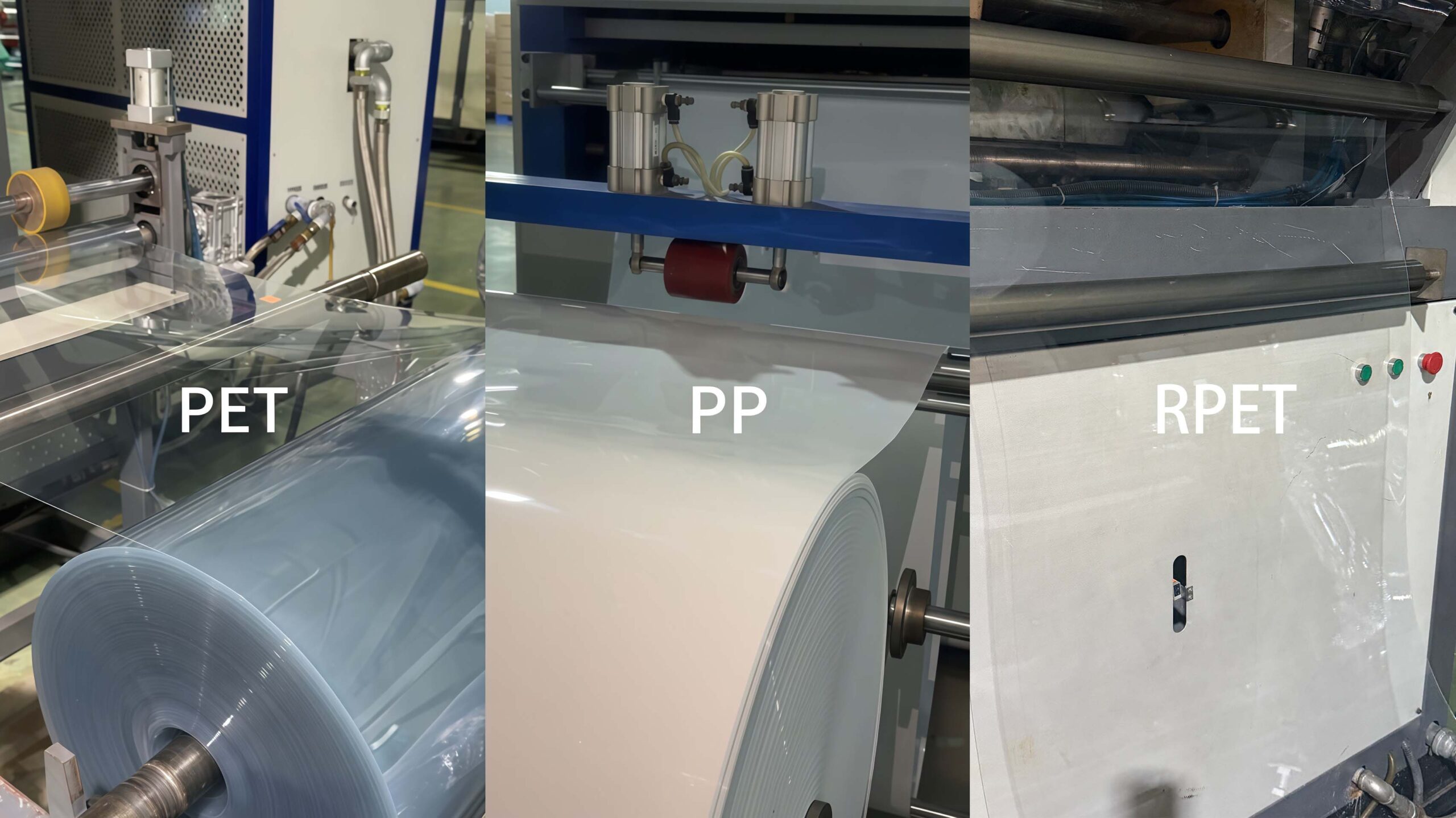
Many importers select packaging by material name alone—PET, PP, paper, or “compostable”—without understanding barrier performance.
Barrier properties control:
-
Oxygen transmission
-
Moisture vapor transmission
-
Grease resistance
-
Condensation formation
These factors directly determine how long food remains usable.
Common Failure Scenarios
-
Cold food packaged in non–anti-fog lids becomes unreadable and unappealing
-
Saucy or oily foods leak through poorly coated materials
-
Moisture migration causes sogginess or texture loss
Barrier performance often matters more than the material label itself. This is why two PET containers can perform very differently in real-world use.
This issue is closely connected to how packaging extends—or shortens—food usability, which we explored in detail in How Better Packaging Extends Food Usability.
Mistake #3: Assuming One Material Works for All Food Types
Importers often push for standardization: one container, one lid, one material across multiple menu items. While this simplifies sourcing, it usually fails in application.
Food behaves differently depending on:
-
Temperature
-
Moisture content
-
Fat content
-
Holding time
-
Delivery distance
Food Type vs. Suitable Packaging Materials
| Food Type | Primary Risk | Suitable Materials |
|---|---|---|
| Cold salads | Condensation | PET / RPET + anti-fog lids |
| Hot meals | Heat deformation | CPET / PP |
| Oily foods | Grease leakage | Coated PP / CPET |
| Frozen meals | Brittleness | CPET / modified PET |
A “one-size-fits-all” approach typically leads to compromise—where no product performs optimally.
Mistake #4: Overvaluing Sustainability Claims Without Context
Sustainability has become a dominant selection factor, but many importers misunderstand what it actually means in practice.
Compostable, biodegradable, recyclable—these labels are often treated as universal solutions. In reality, sustainability must be evaluated in context.
As discussed in our related article Compostable Does Not Automatically Mean Sustainable, materials with weaker barrier properties can increase food waste, which often carries a higher environmental impact than the packaging itself.
The Real Sustainability Trade-Off
-
Packaging waste is visible
-
Food waste is environmentally heavier
A container that fails early but is compostable may still result in a worse overall footprint than a recyclable, high-barrier alternative that prevents food loss.
Mistake #5: Underestimating Logistics and Real-World Conditions
Many materials perform well in controlled lab tests but fail in real supply chains.
Importers frequently underestimate:
-
Temperature fluctuations during shipping
-
Stacking pressure during palletization
-
Long warehouse storage times
-
Handling variations across regions
Packaging materials must survive real logistics, not just specifications on paper.
This is especially critical for export-focused importers managing long lead times or cross-border distribution.
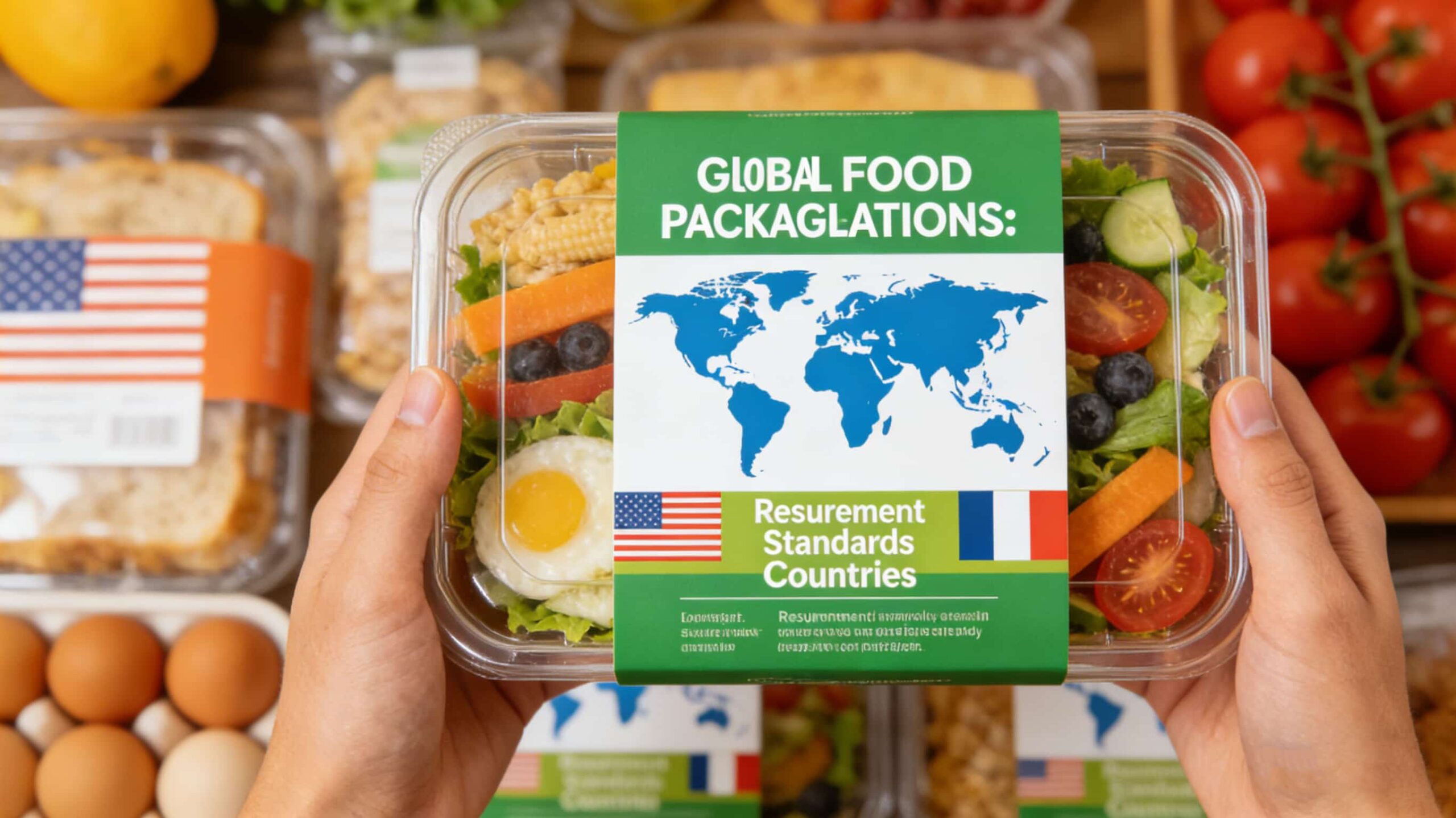
Mistake #6: Overlooking Market-Specific Regulations and Expectations
A packaging solution approved in one market may fail in another.
Key differences include:
-
FDA vs EU vs Japan food-contact standards
-
Recycling symbols and labeling requirements
-
Consumer expectations for clarity, rigidity, or transparency
Importers who assume “export-ready” packaging is universal risk shipment delays, relabeling costs, or outright rejection.
Mistake #7: Choosing Suppliers Based on Catalogs, Not Material Expertise
Many importers choose suppliers based on product catalogs rather than material understanding.
The difference is critical:
-
Product sellers offer SKUs
-
Material-driven manufacturers offer solutions
At DASHAN, material selection often starts from food behavior and usage conditions, then works backward to structure and material—not the other way around. This approach reduces failure rates and helps importers avoid costly trial-and-error cycles.
How Smart Importers Actually Select Packaging Materials
You can read our previous article: What Food Packaging Material Is Best for Each Food Type?
Experienced importers follow a structured decision framework:
-
Analyze food behavior (heat, moisture, fat)
-
Define usage scenario (storage, delivery, display)
-
Match material properties, not labels
-
Validate with real samples and pilot tests
Material Selection Checklist for Importers
| Step | Key Question |
|---|---|
| Food analysis | What degrades this food fastest? |
| Usage | How long must food remain usable? |
| Logistics | What stress will packaging face? |
| Compliance | Which market regulations apply? |
FAQ
1. Why is choosing food packaging materials so challenging for importers?
Because packaging must balance cost, food safety, usability, logistics performance, and sustainability across different markets. A material that works in one scenario may fail in another.
2. Is lower-priced packaging always more cost-effective?
No. Low unit prices often lead to higher failure rates, food waste, and customer complaints, increasing the total cost of ownership over time.
3. Why do barrier properties matter more than material names?
Barrier performance controls oxygen, moisture, grease, and condensation. Two packages made from the same material can perform very differently depending on structure and coatings.
4. Can one packaging material work for all food types?
In most cases, no. Hot, cold, oily, and moist foods require different material properties to maintain usability and safety.
5. Is compostable packaging always the most sustainable option?
Not necessarily. Compostable materials may increase food waste if they lack sufficient barrier performance, resulting in a higher overall environmental impact.
6. How do logistics affect packaging material performance?
Temperature changes, stacking pressure, storage time, and transport distance can all cause materials to deform, leak, or fail outside laboratory conditions.
7. What should importers look for in a packaging supplier?
Importers benefit most from suppliers with material expertise who can recommend solutions based on food behavior and real-world use, not just product catalogs.
Conclusion: Packaging Materials Are a Strategic Decision, Not a Commodity
Food packaging materials are not interchangeable commodities. They are functional components that directly influence food quality, customer satisfaction, and environmental impact.
Importers who move beyond price-driven decisions and adopt a material-first mindset gain:
-
Lower long-term costs
-
Fewer product failures
-
Stronger partnerships with food brands
-
More credible sustainability outcomes
Selecting the right packaging material is not about following trends—it is about understanding food, materials, and reality.
References
-
European Commission — Food Contact Materials Regulation (EC) No 1935/2004
https://food.ec.europa.eu/safety/chemical-safety/food-contact-materials_en -
U.S. Food & Drug Administration — Food Contact Substances
https://www.fda.gov/food/packaging-food-contact-substances-fcs -
WRAP — Packaging and Food Waste Prevention
https://wrap.org.uk/resources/guide/packaging-and-food-waste -
Ellen MacArthur Foundation — The Global Commitment and Packaging Design
https://ellenmacarthurfoundation.org/global-commitment -
ISO — Packaging and the Environment (ISO 18601–18606)
https://www.iso.org/committee/45332.html
Copyright Statement
© 2026 Dashan Packing. All rights reserved.
This article is an original work created by the Dashan Packing editorial team.
All text, data, and images are the result of our independent research, industry experience,
and product development insights. Reproduction or redistribution of any part of this content
without written permission is strictly prohibited.
Dashan Packing is committed to providing accurate, evidence-based information and
to upholding transparency, originality, and compliance with global intellectual property standards.